Overview
Here’s the thing the pitch leaves out: Uma Musume Pretty Derby is not trying to be funny at the expense of horse racing, and that decision is the whole engine of its success. Cygames turned real racehorses into athletic, idol-like horse girls, but the series treats the racing side with real seriousness, which means the emotional beats can breathe instead of collapsing into novelty. The first TV season aired in 2018 and ran for 13 episodes, with P.A. Works handling the production; Season 2 followed in 2021, and many viewers consider it the stronger of the two. I agree, and not just because sequel timing helped. The writing, structure, and visual execution are simply more confident. If you’ve heard Why Uma Musume Actually Works: An Anime Deep Dive, this is the same basic answer, just laid out with fewer hand-waves.
Before getting to the season breakdown, it’s worth explaining why the show lands at all. Japanese fans often recognized the horse references and historical callbacks immediately, which gave the character arcs extra emotional weight. That matters because Uma Musume is built on recontextualization: real racing history becomes character drama, and character drama becomes a way to revisit the history. The series is clever, but it’s not smug about it. That restraint is what keeps the whole thing from tipping into parody.
Why the premise works in practice
The premise should be ridiculous enough to collapse under its own cuteness. Instead, the show commits to the sports side with remarkable discipline. Races are staged as serious competitions, not punch lines, and the production uses pacing, composition, and visual clarity to make them feel tense and physical. That is the key move. The camera doesn’t just show speed; it organizes effort. Close-ups arrive at the right moment, slow motion is used with purpose, and the sound design sells impact rather than decorative spectacle.
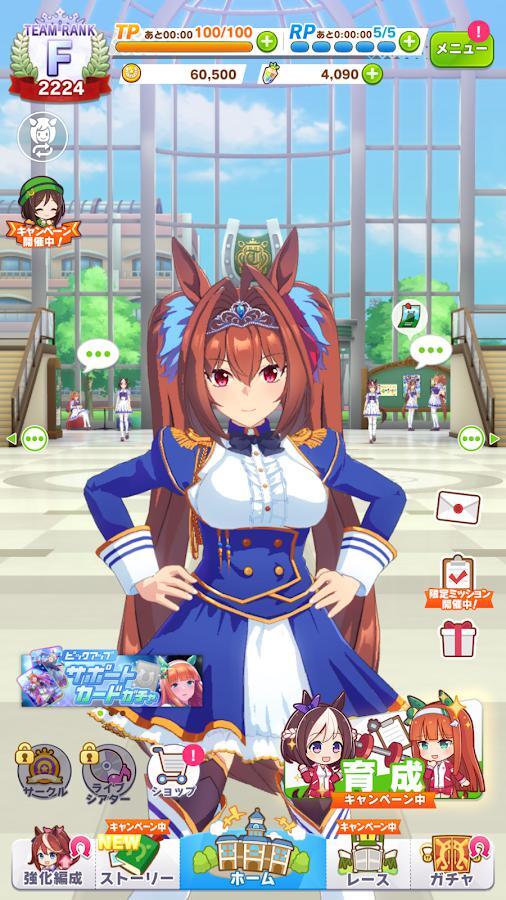
That’s also why the franchise’s transmedia structure matters. The broader project includes a mobile game that officially launched in February 2021, which helped solidify Uma Musume as a multimedia property rather than a one-off anime gimmick. In other words, the anime is one part of a larger machine, but it still has to stand on its own terms. Season 1 does this by establishing the world and its emotional vocabulary; Season 2 then sharpens the formula and asks for more patience from the viewer. The result is stronger, not louder.
If you want a companion piece on the tonal trick the franchise pulls off, I’d point you to Why Uma Musume Is Better Than the 'Horse Girl' Joke Suggests. The title is blunt because the issue really is that simple: the joke is the least interesting thing about the show.
Season 1: a clean introduction with a classic underdog shape
Season 1 centers on Special Week, a protagonist who arrives from the countryside with the straightforward goal of becoming the best uma musume in Japan. That premise gives the series an easy entry point, but the show doesn’t lean on innocence alone. It establishes a world where rivals matter, where training has consequences, and where ambition has to be earned through repetition instead of speeches. Which, frankly, is more satisfying than endless motivational noise.
The supporting cast is doing much more than decorative work. Silence Suzuka gives the first season a specific emotional register, while the presence of names like Symboli Rudolf and Oguri Cap connects the fiction to racing history in a way that is legible even if you don’t know every reference. For viewers who do know the sport, the callbacks carry extra resonance. For everyone else, the characters still function as well-written competitors whose goals and setbacks are easy to track.
- Special Week anchors the season’s underdog structure.
- Silence Suzuka gives the story a sharper emotional edge.
- Historical references reward viewers familiar with horse racing.
- The first season establishes the franchise’s visual language and pacing.
In a lot of anime, a first season like this would be content to introduce the premise and coast on charm. Uma Musume does better than that. It uses its setup to train your expectations, then earns the right to hit harder later.
Season 2 and the value of a more focused drama
Season 2 is where the series stops merely being unusual and becomes, in my view, genuinely formidable. It focuses primarily on Tokai Teio, whose repeated injuries and comeback attempts give the season an unusually disciplined emotional structure. This is not a story about easy perseverance. It is about damage, recovery, frustration, and the stubborn refusal to accept a clean narrative when the real one was messier.
Tokai Teio’s arc closely mirrors the real horse’s career, including the comeback inspiration drawn from the 1993 Arima Kinen. That historical grounding is not trivia for its own sake. It gives the drama a backbone. Because the audience can feel that the series is working inside a documented trajectory, every setback lands with a little more force and every recovery feels earned rather than manufactured. The writing trusts the material, and that trust pays off.
Season 2 also benefits from tighter emotional economy. Instead of spreading attention across too many competing arcs, it narrows the field and lets the central struggle breathe. The result is less clutter, better rhythm, and a clearer sense of stakes. It’s the difference between a show that knows its own shape and one that’s still finding it.
The cast, the references, and why history matters here
Uma Musume’s cast works because the characters are not just lightly renamed archetypes. The series uses real racehorse names and histories, and those histories are reflected in the characters’ racing careers, injuries, rivalries, and comebacks. That is a much riskier approach than inventing a generic sports cast, because every misstep would be obvious to viewers who know the source material. The benefit, though, is huge: the characters feel connected to something larger than their individual episodes.
There’s a term worth noting here: 競馬 (keiba, horse racing; the horse-racing world), the horse-racing world in Japan, isn’t just background texture but part of the show’s emotional vocabulary. The same goes for 予約 (yoyaku, reservation; advance booking), a reservation or advance planning, if you’re thinking about how tightly the series structures its reveals and payoffs. And while the franchise often looks bright and playful on the surface, its actual appeal depends on 頑固 (ganko, stubborn; obstinate; tenacious), a stubborn seriousness about the sport side that keeps the mood from drifting into self-parody. The comedy can exist, but it can’t be allowed to win.
That balance is why the series resonates with both casual viewers and people who came in already aware of the racing context. The first group gets a sharply made sports drama. The second group gets a layer of recognition that makes the emotional beats feel even more specific. That’s not an accident. It’s design.
Where to watch or stream Uma Musume
For anyone looking up where to watch or stream the anime, the practical answer is that availability depends on region and licensing, so you’ll want to check major anime streaming platforms in your area. Because the franchise is a released title rather than a current seasonal debut, its catalog presence can change over time. The safest approach is to search the title directly on legal streaming services in your country and verify whether Season 1 and Season 2 are both included. If you’re trying to watch in order, start with the 2018 season and then move to the 2021 sequel.
If you’re approaching this as a Japan-culture fan rather than a pure anime binge-watcher, the viewing order matters because the franchise builds recognition over time. The references, the callbacks, and the character payoffs all work better when you’ve seen the setup first. That’s the difference between a novelty and a proper series bible: one burns fast, the other compounds.
Related viewing and why it stands out among sports anime
Uma Musume sits in a crowded sports-anime field, but its handling of structure and tone makes it distinct. It shares the basic dramatic grammar of underdog competition stories, yet its historical layering and production precision give it a different texture. The races are the set pieces, yes, but the emotional charge comes from how the series frames them, when it withholds information, and how it lets the characters absorb defeat without reducing them to suffering machines.
If you like sports anime that understand restraint, this is a good one to study. If you like adaptation work that turns a seemingly absurd concept into something coherent, it’s even better. And if you want to understand why a project that sounds like a gag can become a serious franchise, this is one of the cleaner case studies you can find.
That’s the real answer to why Uma Musume is surprisingly strong: it commits to the hardest version of its own premise, then executes that premise with enough craft that the emotional logic becomes obvious. Which is why the joke stops being the point, and now you know exactly why that is.
Frequently Asked Questions
When did Uma Musume Pretty Derby first air?
The anime first aired in 2018. The first TV season ran for 13 episodes.
Which season is considered stronger?
Season 2, which aired in 2021, is widely considered the stronger season because it focuses more tightly on Tokai Teio’s injury and comeback arc.
Where can I watch or stream Uma Musume?
Availability depends on region and licensing, so the practical answer is to check major legal anime streaming platforms in your country and search the title directly.
Do I need to know horse racing history to enjoy it?
No. The series works as a sports drama on its own, but viewers who recognize the horse references and historical callbacks will get an extra layer of emotional weight.
Is there a mobile game connected to the franchise?
Yes. The broader Uma Musume project includes a mobile game that officially launched in February 2021.