Why Uma Musume's premise hooks viewers
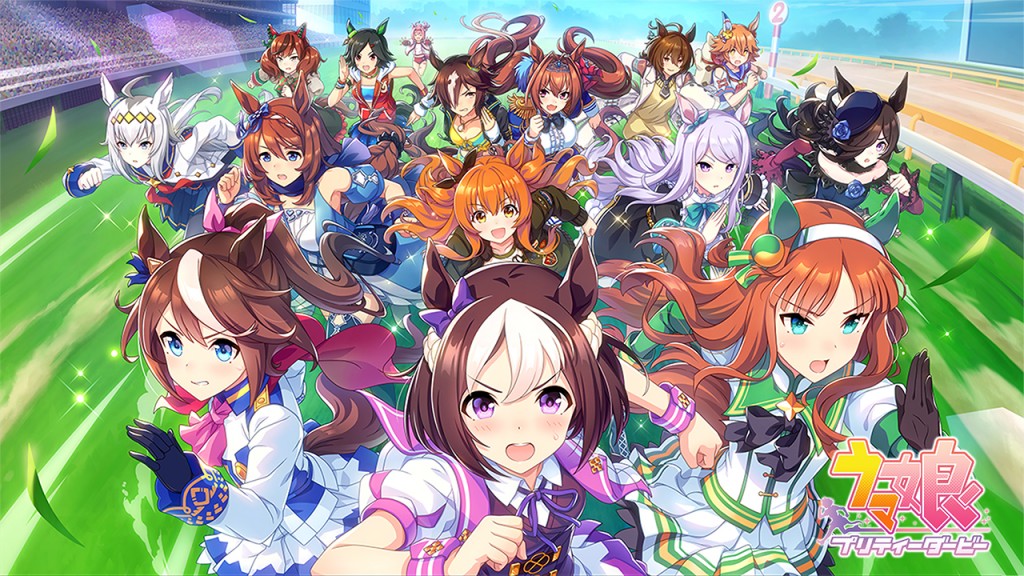
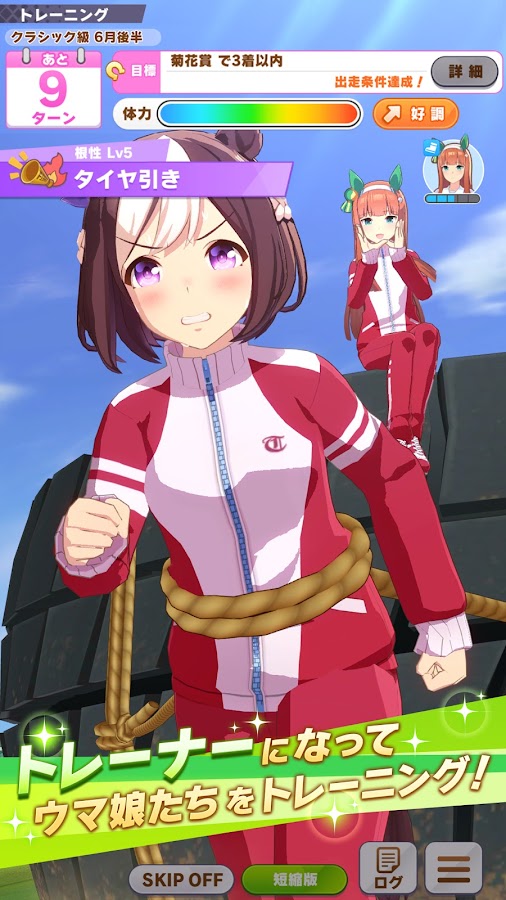
It's early morning in Kyoto. You might pass a パチンコ (pachinko, Japanese pinball-like gambling game) parlor and see posters of idols. That same blend of spectacle and niche obsession is the core of Uma Musume. The show gives you fictional girl-runners, but they carry the legacies of real racehorses like Special Week, Silence Suzuka, and Tokai Teio, so every win echoes an actual racetrack story.
![Dragon Ball Z: Kakarot [Master Edition]](https://s.pacn.ws/1/p/1eh/dragon-ball-z-kakarot-master-edition-908785.1.jpg?v=t8ja8t&width=400)
![Startup Company [Console Edition] (Limited Edition)](https://s.pacn.ws/1/p/157/startup-company-console-edition-limited-edition-741799.16.jpg?v=ry4mm8&width=400)
![Startup Company [Console Edition]](https://s.pacn.ws/1/p/157/startup-company-console-edition-741779.10.jpg?v=ry4ngq&width=400)
Fun fact: the idea of anthropomorphising racehorses sounds weird on paper, but it solves a storytelling problem. Horse racing has drama, lineage, and generational fandom, but it's sterile on TV. Turn the horses into idoru-style characters, give them distinct personalities and training arcs, and suddenly those stakes land emotionally.
Anime craft: how the series turns racing into drama
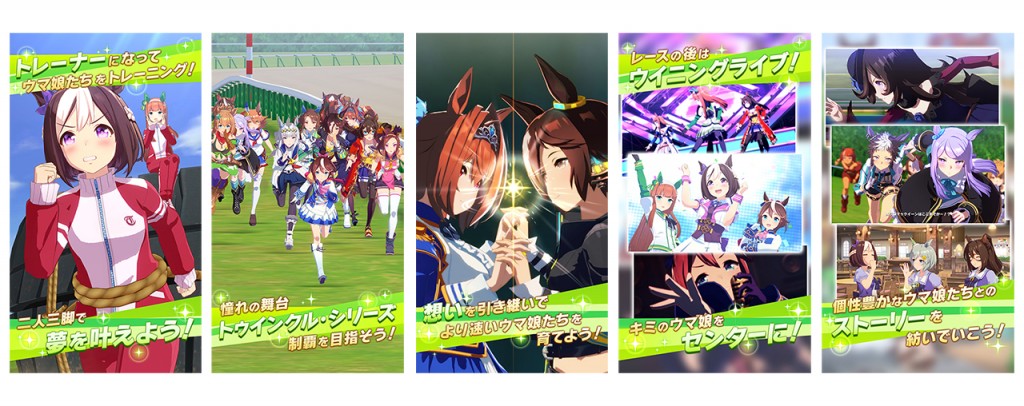
No joke, Uma Musume's anime production choices make the races feel cinematic. The first TV season was animated by P.A. Works and aired in 2018, featuring slick race animation that mixes slow-motion, close-ups, and sound design to sell speed and pain. That brings us to why sports anime techniques are perfect here. The show borrows the training montage and comeback arc from classics but applies idol aesthetics to deepen character drama.
Plot twist: the series never treats the characters as mere mascots. Each girl has a skill set and a backstory tied to the real horse's record, and the animation highlights those traits in races. And it gets better: the camera work often mirrors coverage you'd see on a real race broadcast, so fans of 競馬 (keiba, horse racing) (horse racing) notice the cues and feel rewarded.
Concrete design choices that matter
Did you know that using real racehorse names gives the script built-in tension? Writers don't need to invent pedigrees; they reuse fame, rivalry, and historical moments. That creates instant callbacks for older fans, while newcomers get a compact, emotionally clear rivalry story to follow.
Transmedia strategy: game, music and fandom
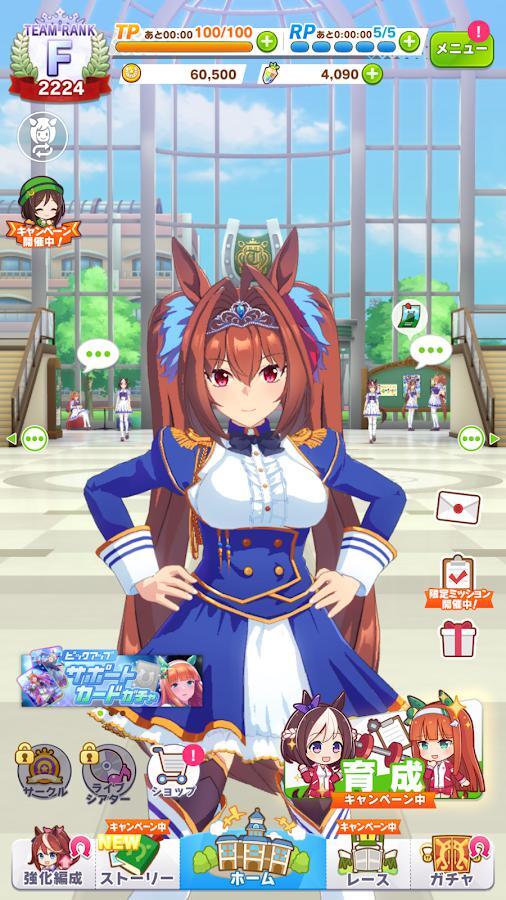
What makes the franchise durable isn't just the anime; it's the wider plan. Cygames created the IP, and the mobile game officially launched in February 2021, turning the characters into playable units and providing daily interaction that an anime can't. That reminds me: the game's arrival meant players could reenact race strategies and feel agency, which deepened attachment to characters introduced on TV.
And it gets better: music and live performances cement the idol angle. Songs from the franchise feed back into the anime, creating moments where an insert song can change a scene from cheering to cathartic. My tip: if you're learning Japanese, try listening to a character song and follow the ローマ字 (romaji, romanization; Roman letters) lyrics while reading. It's a great listening drill and cultural primer.
Why this is a good study tool for learners
It's early morning in Kyoto. You, armed with a cup of coffee, can use Uma Musume as language practice and cultural context. Characters speak with idiomatic expressions you won't find in textbooks, and the show drops phrases tied to sportsmanship and mentorship. So, make flashcards in romaji for recurring verbs and phrases.
Why the premise translates outside Japan
Did you know that mixing niche hobbies with mainstream pop is classic Japanese product design? The concept appeals internationally because it balances novelty with familiar story patterns: underdog arcs, rivalries, and team bonds. That balance lowers the barrier for non-Japanese viewers while offering rich cultural hooks for Japan enthusiasts.

What I especially like is that Uma Musume respects both sports fans and idol fans. It doesn't flatten one side to please the other; it treats both seriously. Sounds weird, but it's true. Fans of keiba get accurate references, and オタク (otaku, anime/manga fan; geek) who love character drama get deep personalities to follow. See what I mean?
Here's the deal: if you're curious about Japanese culture and language, Uma Musume is more than a cute experiment. It's a case study in how cultural memory, media craft, and fan service can be combined into a commercial and narrative success.
Frequently Asked Questions
Is Uma Musume based on real horses?
Yes, many characters are named after and inspired by actual racehorses, with storylines that reference their records.
Can I learn Japanese from watching the anime?
Yes, it's great for listening practice and cultural phrases, especially if you follow along with romaji lyrics or transcripts.