Uma Musume: an absurd idea, seriously well staged
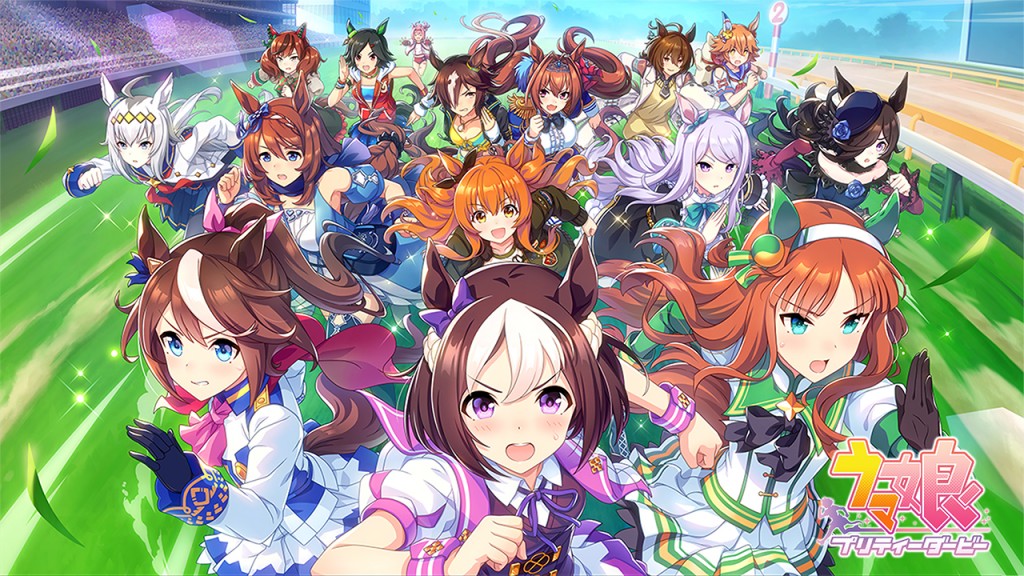
Fact: Uma Musume is a franchise from Cygames that imagines famous racehorses as athletic, idol-like girls. Picture this: characters based on actual horses like Special Week and Silence Suzuka, racing in crowds and training like athletes, while the show treats those races as real competitions. The setup invites mockery, but the anime takes the premise seriously, and that tonal choice changes everything. A great example is how the directors lean into pacing, camera moves, and editing to make a sprint feel as tense as a boxing match, not a gag.
![Dragon Ball Z: Kakarot [Master Edition]](https://s.pacn.ws/1/p/1eh/dragon-ball-z-kakarot-master-edition-908785.1.jpg?v=t8ja8t&width=400)
![Startup Company [Console Edition] (Limited Edition)](https://s.pacn.ws/1/p/157/startup-company-console-edition-limited-edition-741799.16.jpg?v=ry4mm8&width=400)
![Startup Company [Console Edition]](https://s.pacn.ws/1/p/157/startup-company-console-edition-741779.10.jpg?v=ry4ngq&width=400)
How framing turns silliness into stakes
Anecdote: I still remember exactly how the first race sequence made my chest tighten. I didn't expect that from a show about "horse girls." The camera often sits low, close to the track, and cuts on athletes' breaths, not on cute merchandise shots. That choice, combined with long takes of legs and hooves replaced by long shots of running girls, sells the physicality, and suddenly you're invested in who wins. The best part is that sound design amplifies thudding footsteps and heartbeats, so your brain fills in the rest.

Emotion and sports drama: why it feels like real keiba
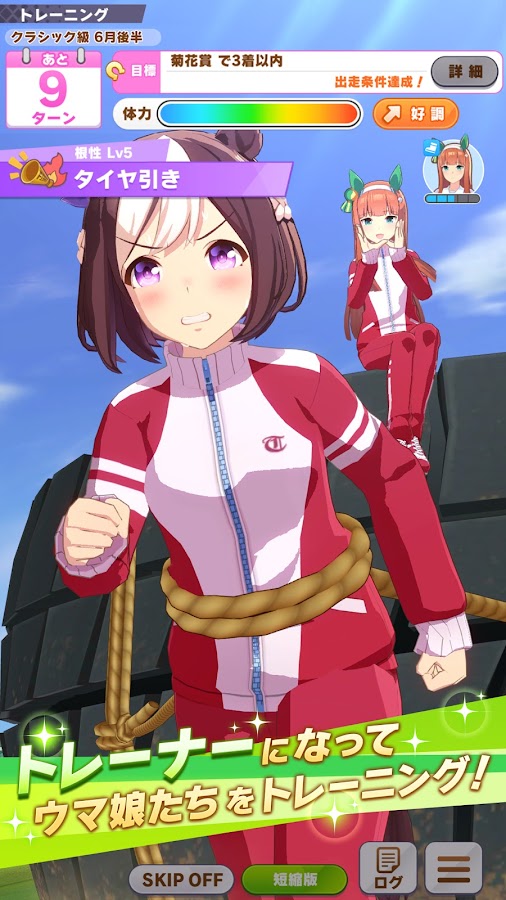
Question: Can a show about anthropomorphised racehorses actually teach you about keiba (競馬, keiba)? To be fair, yes, in tone and strategy if not in exact rules. Uma Musume borrows real racing tropes, like drafting and timing a final kick, and it uses them to build character arcs. The training scenes are routine-heavy, with montages that mirror coaching sequences in classic sports anime. That brings us to the emotional payoff; wins and losses feel personal, not just plot devices.
Character stakes over gimmicks
Direct address: If you think the characters are just skins on a gimmick, look closer at their goals. A lot of nostalgia hooks in the show come from horses' histories, but writers turn those references into human stories about rivalry, injury, and ambition. No joke, when a character faces an injury or doubts their place, the anime frames it like any grounded sports drama, with teammates offering support and coaches giving hard truths. From my experience, those quieter scenes are where the series earns your care.
Visuals, sound, and cultural hooks that keep you watching
Fun fact: Uma Musume pulled in a larger audience partly because it combines idol aesthetics with competitive sport. On a related note, the costume and choreography borrow idol conventions, while the races use broadcast-style camera grammar. That cross-genre mix lets viewers who enjoy j-pop style visuals appreciate the same scenes that sports fans watch for tactics. What I especially like is how the show slips in real-world racing references without lecturing, which can be a neat vocabulary lesson for learners of Japanese.
Language and cultural takeaways for learners
Here's the kicker: watching the anime is a subtle way to pick up keiba vocabulary, honourifics used in team talk, and terms for training like "フォーム" (form) or phrases coaches shout. A casual viewer might miss them, but as a learner, you can pause and note words, then look up the kanji and rhythm of speech. My tip is to keep a small notebook and jot down verbs of motion and feelings; they recur in other sports anime and in real-life sports coverage on NHK and local networks.
Why sceptics should give it a second chance
Direct challenge: You won't enjoy Uma Musume if you only expect kitsch. To really get into it, you need to accept that the show treats its conceit earnestly, so the payoff is emotional rather than ironic. A great example is how a decisive final lap often mirrors human drama, with inner monologue, team reactions, and split-second decision-making that feel authentic. Sounds weird, but it's true.

Personally, I appreciate how the franchise expanded into a mobile game and merchandising, yet the anime keeps the core drama intact. That balance between marketability and genuine storytelling is simply brilliant. See what I mean?
Frequently Asked Questions
Is Uma Musume for horse racing fans only?
No. You can enjoy it as a sports drama, an idol show, or as a character-driven anime even if you don't follow racing.
Is the racing realistic?
The show borrows racing tactics and atmosphere, but it dramatizes and simplifies for storytelling, so it's inspired by real racing rather than being a simulation.