The Premise That Shouldn't Work (But Does)
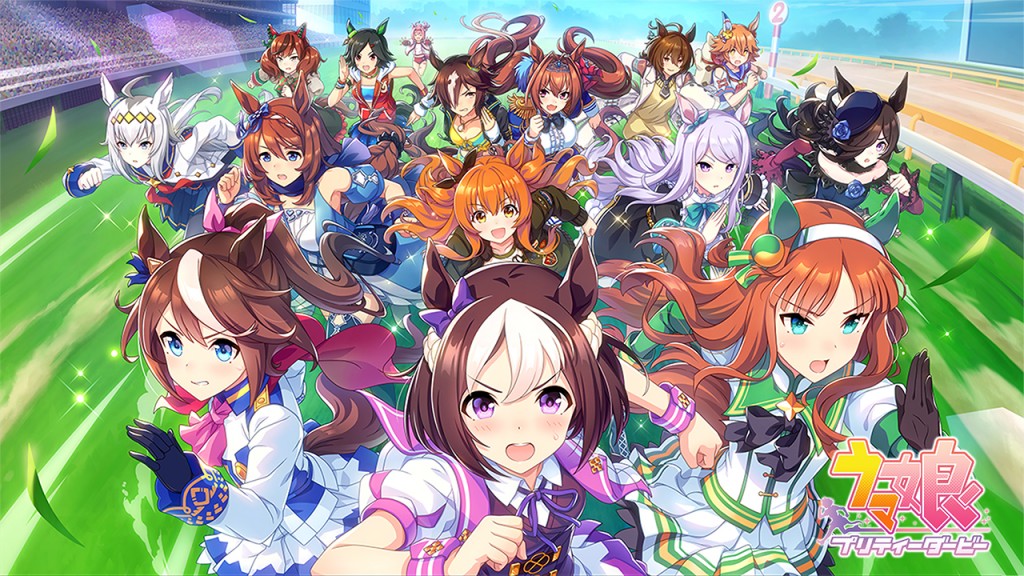
Picture this: you're pitching an anime to a studio. Your concept involves legendary thoroughbred racehorses reborn as energetic schoolgirls who compete at a dedicated racing academy called Tracen Gakuen. Oh, and after each race, the winners perform a live idol concert for the crowd. That's Uma Musume Pretty Derby in a nutshell, developed by Cygames and produced by P.A. Works, which first aired in April 2018.
![Dragon Ball Z: Kakarot [Master Edition]](https://s.pacn.ws/1/p/1eh/dragon-ball-z-kakarot-master-edition-908785.1.jpg?v=t8ja8t&width=400)
![Startup Company [Console Edition] (Limited Edition)](https://s.pacn.ws/1/p/157/startup-company-console-edition-limited-edition-741799.16.jpg?v=ry4mm8&width=400)
![Startup Company [Console Edition]](https://s.pacn.ws/1/p/157/startup-company-console-edition-741779.10.jpg?v=ry4ngq&width=400)
Unlike what we're used to from mobile-game adaptations, Uma Musume doesn't lean on fan service or cheap comedy to carry itself. The writing takes its characters seriously. Special Week, the protagonist of Season 1, arrives from the countryside with a burning goal: to become the best uma musume in Japan, fulfilling a promise to her mother. That's a classic sports anime setup, clean and effective.

The reason is simple: Cygames poured real care into the source material. The in-game lore and character designs reference actual Japanese horse racing history, including iconic horses like Symboli Rudolf, Oguri Cap, and Tokai Teio. Fans of 競馬 (keiba, horse racing), the Japanese horse racing culture, recognised these names immediately and felt the emotional weight behind each character's arc.
Staging and Direction: Where the Show Earns Its Reputation
What many overlook is how technically accomplished the racing sequences are. P.A. Works collaborated with CygamesPictures for the animation, and the races in Season 2, which aired in January 2021 and is widely considered the stronger season, are genuinely cinematic. Camera angles shift dynamically mid-race. The editing rhythm accelerates as the tension builds. Sound design, crowd noise, hoofbeats, the roar of a finish line, all of it is layered with unusual precision for a TV anime.
The Tokai Teio Arc
Season 2 centres on Tokai Teio and her painful series of injuries and comebacks, closely mirroring the real racehorse's career in the early 1990s. This is where the show's emotional core really hits. You're watching a character fight through repeated setbacks with the kind of stubborn optimism that's almost painful to look at. The Japanese term 頑張る (gambaru, to do one's best; to persist), meaning to persist or do your best against all odds, basically describes her entire arc. It's the spirit of 頑張って (gambatte, do your best; keep it up), a phrase every Japanese learner encounters early, given actual dramatic weight here.
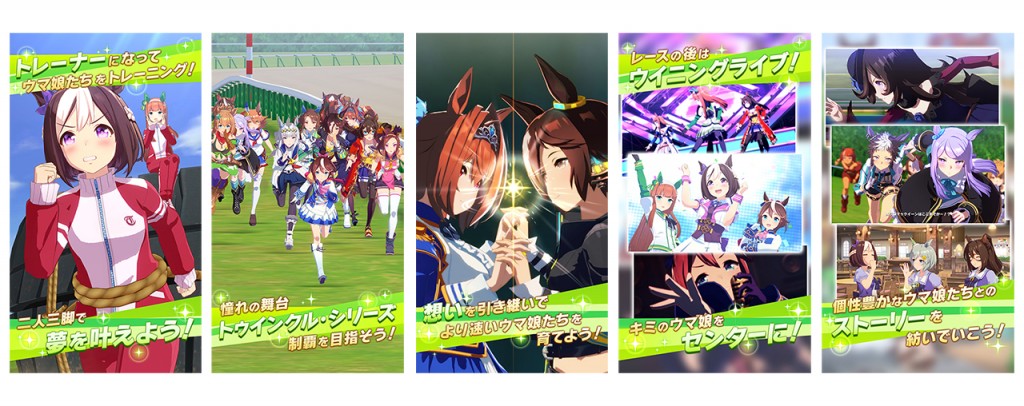
Simply brilliant. The direction in Episode 13 of Season 2 alone justifies everything people say about this show. It's the kind of ending that anime fans talk about in the same breath as Haikyuu finales, and that's not a small claim.
Idol Elements: Gimmick or Genius?
Speaking of which, the post-race concerts confused a lot of Western viewers at first. They feel tonally jarring, right? Here's the catch: they actually reinforce the show's core thesis. Uma musume in this world train not just as athletes but as entertainers. Their victories are shared publicly, joyfully. The concerts are a celebration mechanic built into the world's logic. Once you accept that, they stop feeling random and start feeling earned.
The Absurd Charm That Makes It Stick
Fun fact: the horse-girl concept borrows heavily from the Japanese idol industry, the keiba world, and sports anime traditions all at once. It sounds like a parody, but the show never winks at the camera. It plays it straight. And that sincerity is exactly what makes it work.
My tip? Go into Season 1 knowing it's mostly setup and character introduction. Don't judge the show until you've watched at least the first four episodes of Season 2. That's when the emotional machinery really starts running.
Trust me on this one: by the time Tokai Teio crosses the finish line at the end of the show's climax, even viewers who started out sceptical have reported getting genuinely emotional. There are entire Reddit threads dedicated to people admitting they cried at a horse-girl anime. That's the power of good storytelling, no matter how strange the wrapper.
For Japanese learners, the show is also a low-key goldmine of sports vocabulary and motivational phrases. Words like 勝利 (shouri, victory) (victory), 敗北 (haiboku, defeat) (defeat), and the endlessly useful 頑張れ (ganbare, come on; you can do it) (come on, you can do it) come up constantly and in emotionally memorable contexts. That kind of contextual exposure sticks in ways that flashcard drilling simply doesn't replicate.
Why Uma Musume Deserves More Credit
The anime landscape in 2018 and 2021 was crowded. Uma Musume could have been dismissed as a Cygames marketing vehicle and nothing more. And honestly, plenty of people did dismiss it. But it kept winning over sceptics, episode by episode, race by race.
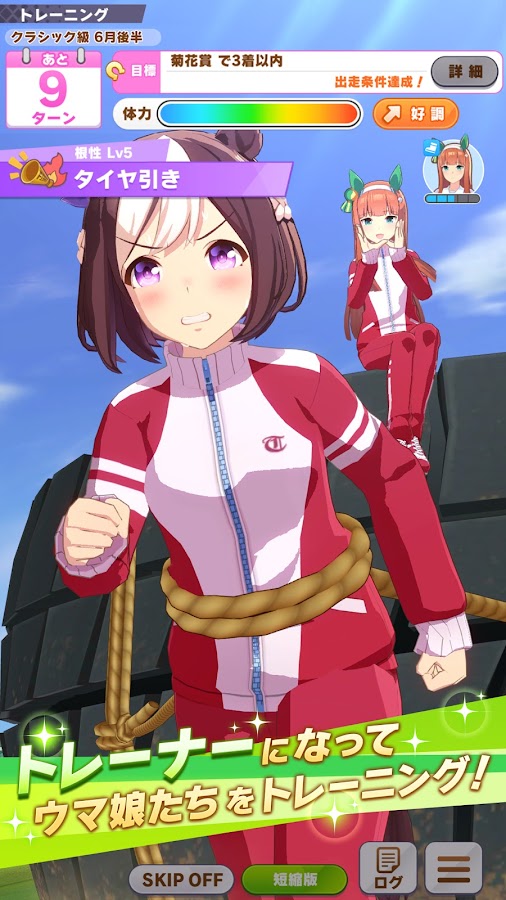
And it gets better: Season 3, which aired in October 2023, introduced new characters while continuing to deepen the world's mythology. The franchise has sold millions of copies of its mobile game globally, but the anime stands completely on its own. You don't need to play the game to feel every moment.
What I especially like is the restraint. The show knows when to be funny and when to go completely silent and let a moment breathe. That tonal control is rare. It's the mark of a director, Kiyotaka Sugiyama for Season 1 and Shin Hiramatsu for Season 2, who understood that the absurd premise was only going to work if the emotional beats were treated with full seriousness.
Classic Japan, isn't it? Taking something that looks like pure commercial nonsense on the surface and hiding genuine craftsmanship underneath. Personally, Uma Musume sits in my top ten sports anime without any hesitation, horse girls and all.
For more content like this, check out more Japan news on jpnerd.com.
Frequently Asked Questions
Do I need to play the Uma Musume mobile game to enjoy the anime?
Not at all. The anime Season 1 and Season 2 tell self-contained stories and work perfectly well without any knowledge of the game. Season 2 in particular is considered the stronger standalone watch.
Which season of Uma Musume should I start with?
Start with Season 1 to get familiar with the world and characters, then move straight into Season 2. Most fans agree Season 2 is where the show reaches its emotional peak, especially the Tokai Teio storyline.
Is Uma Musume suitable for viewers who are not into horse racing?
Yes. You don't need any background in horse racing to follow or enjoy the show. The series works as a classic sports anime about perseverance and rivalry, and all the horse racing context is explained naturally within the story.