The Premise That Shouldn't Work (But Does)
Let's be honest. When Cygames first announced Uma Musume Pretty Derby back in 2018, reactions ranged from confused to outright dismissive. The concept combines three things that have no business being together: thoroughbred horse racing history, moe idol culture, and sports anime drama. Studio P.A. Works handled the anime adaptation, bringing the same visual sensitivity they'd shown in shows like Shirobako and Hanasaku Iroha.
![Dragon Ball Z: Kakarot [Master Edition]](https://s.pacn.ws/1/p/1eh/dragon-ball-z-kakarot-master-edition-908785.1.jpg?v=t8ja8t&width=400)
![Startup Company [Console Edition] (Limited Edition)](https://s.pacn.ws/1/p/157/startup-company-console-edition-limited-edition-741799.16.jpg?v=ry4mm8&width=400)
![Startup Company [Console Edition]](https://s.pacn.ws/1/p/157/startup-company-console-edition-741779.10.jpg?v=ry4ngq&width=400)
What many overlook is that the show isn't really about the absurdity of its concept. It uses that concept as a delivery mechanism for something much more grounded. The races are treated with the full weight of competitive sports drama. Characters cry, characters lose, and characters come back to lose again. There's no ironic winking at the camera about how weird this all is.

Here's the kicker: the Japanese source material draws heavily from actual racing history. Tokai Teio, Mejiro McQueen, Special Week, these aren't invented names. They're real horses whose racing careers, injuries, rivalries, and comebacks are faithfully reflected in the anime's storylines. Japanese fans who grew up watching these races in the late 1980s and 1990s recognised exactly what they were seeing, and that recognition carries enormous emotional weight.
How the Storytelling Earns Its Drama
Ever wondered why sports anime tends to hit harder than most other genres? It's because competition has built-in narrative tension. Uma Musume understands this at a structural level, particularly in its second season, which aired in 2021 and is widely considered the stronger of the two.
Tokai Teio's Arc as the Emotional Core
Season 2 focuses primarily on Tokai Teio and her repeated struggles with injury. The real Tokai Teio broke down multiple times during her career and still managed one of the most emotional comeback victories in Japanese racing history at the 1993 Arima Kinen. The anime adapts this almost beat for beat. What makes it land isn't melodrama; it's restraint. The show lets silence and visual composition do the work, and P.A. Works knows exactly when to hold on a face and when to cut away.
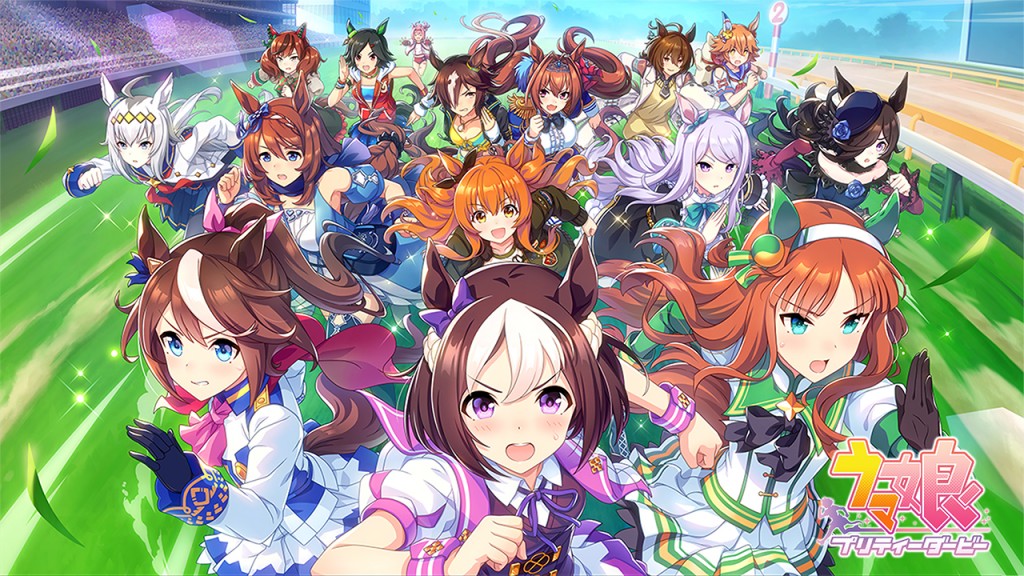
What I especially like is the way the show handles defeat. In many sports anime, losing is just a stepping stone to winning. Here, losing sometimes just means losing, and the character has to figure out what that means for who she is. That's a much more mature emotional beat than the genre usually attempts.
The Idol Segments Aren't Filler
The live concert sequences, called winning lives in the show's internal logic, initially seem like franchise merchandising inserted into otherwise serious sports content. But they function as pressure releases. After a brutal race sequence where someone has been training through pain and psychological doubt, the upbeat performance gives the audience (and the characters) room to exhale. It's a deliberate structural choice, not an accident.
Fun fact: the mobile game that runs alongside the anime has grossed billions of yen in Japan and regularly tops the App Store charts. The game's gacha system uses the same horse girl characters, and its localisation into Chinese and Korean markets expanded the franchise's reach significantly. The anime and game feed each other in ways that make the overall Uma Musume project one of the more interesting multimedia strategies in recent Japanese pop culture.

Japanese Language and Cultural Context for Learners
For anyone studying Japanese, Uma Musume is actually a surprisingly useful entry point into some specific vocabulary. The word uma means horse, and musume means daughter or girl. The compound uma musume is the show's invented term for its horse girl characters, but it sits naturally in a language that loves compound nouns built from kanji.
But let's stick with the cultural layer for now. Horse racing in Japan, known as keiba, isn't a niche pastime. It's one of the country's most popular spectator sports, administered by the Japan Racing Association (JRA). The Arima Kinen, the Tenno Sho, the Japan Derby, these are events with massive television audiences and deep cultural history. When Uma Musume references them, it's speaking directly to that tradition. For language learners, watching the show alongside some light reading about Japanese racing history adds a whole additional layer of meaning to what's happening on screen.
While we're at it, the show's dialogue is relatively accessible for intermediate learners. Characters speak in modern, conversational Japanese without heavy dialect or archaic forms. The racing commentary sequences are faster and more technical, but they're also excellent listening practice for numbers, positions, and action verbs in quick succession.

Why Uma Musume Deserves More Credit in Anime Discourse
Take the 2021 anime season, for instance. Uma Musume Season 2 aired alongside shows with significantly higher critical profiles going in, and it quietly outperformed most of them in terms of emotional staying power. Japanese streaming platform ratings and community discussion on sites like MyAnimeList reflect a show that genuinely connected with its audience rather than just satisfying existing franchise fans.
My verdict? Uma Musume earns its reputation not despite its absurd premise but in direct conversation with it. The show knows what it is and commits fully. P.A. Works brings enough craft to the direction that the emotional beats land with real force, and the source material from actual racing history gives the drama genuine stakes. If you've been avoiding it because the concept sounds silly, that hesitation is understandable and also exactly wrong.
Personally, I'd start with Season 2 if you want to see the show at its best, then go back to Season 1 for context. The character relationships carry more weight once you've seen where they end up.
See what I mean? Sometimes the most rewarding anime is the one you almost didn't watch.
Frequently Asked Questions
Is Uma Musume suitable for viewers who know nothing about Japanese horse racing?
Yes, completely. The show builds emotional context around its characters so that the racing history feels meaningful even without prior knowledge. That said, a quick look at the real horses' Wikipedia pages beforehand adds a lot.
Which Uma Musume season should I watch first?
Start with Season 1 (2018, P.A. Works) for character introductions, then move to Season 2 (2021), which is generally considered the stronger and more emotionally intense of the two. Season 3 followed in 2023, focusing on Kitasan Black.
Can Uma Musume help with learning Japanese?
It's a solid choice for intermediate learners. The dialogue is conversational and modern, and the racing segments offer good listening practice for fast-paced Japanese. Vocabulary around sports, competition, and keiba culture comes up frequently.