Overview
Hakone is one of those places that makes a strong case for the slow, practical day trip. It is close enough to Tokyo to feel manageable, but the texture of place changes quickly once you leave the city: mountain air, geothermal steam, cedar-lined roads, boats on Lake Ashi, and the soft insistence of a 旅館 (ryokan, traditional Japanese inn) stay. The area sits on the eastern edge of Fuji-Hakone-Izu National Park, and its hot springs come from the volcanic system beneath Hakone itself. That geology is not just background. It is the reason the region feels like a working landscape rather than a stage set.
If you are planning Things to Do in Hakone, the simplest answer is also the best one: follow the classic loop, stay flexible about weather, and give yourself time for the small things. Fuji views are weather-dependent; calm, clear mornings are the moment to watch for, and winter often gives better visibility than summer. For a tighter route from Tokyo, the Odakyu Romancecar from Shinjuku to Hakone-Yumoto takes about 80 to 90 minutes, while the Shinkansen to Odawara is faster still at about 35 to 40 minutes before you transfer into the local network. The standard transport web is part of the experience. Use the Hakone Freepass if you want the whole thing to move with less friction.
There is also a quieter truth here: Hakone is built for transitions. Train to cable car, cable car to ropeway, ropeway to lake, lake to bath. That movement is the point. The place rewards us dorks who like structure, but not rigidity.
The classic Hakone loop, without the fuss
The standard sightseeing loop is famous for a reason. A common circuit runs Hakone-Yumoto, Gora, the Tozan Railway, Sounzan, the Ropeway, Owakudani, Togendai, and Lake Ashi before looping back. You can do it in a single day, though the better version is to let the day stretch a little. The Hakone Tozan Railway is a steep mountain railway, and it gives the route a literal sense of ascent. From there, the ropeway and the lake cruise do the rest.
The Hakone Freepass is the practical tool here. It typically covers Odakyu lines and much of the local network, including the Tozan Railway, buses, the ropeway, and the sightseeing cruise. If you are visiting from Tokyo and want the region to feel less like logistics and more like a sequence of linked views, this is the ticket that most people mean when they say Hakone is easy.
- Use the loop if you want to see multiple highlights without renting a car.
- Start early if you care about mountain clarity and fewer crowds.
- Wear the lightest shoes possible. The terrain is not difficult, but the transfers add up.
Steam, sulfur, and black eggs at Owakudani
Owakudani is the volcanic heart of the itinerary, and it is the place where the region’s geology becomes visible rather than merely inferred. You get sulfur vents, steam rising from the ground, and the famously black eggs known as kuro-tamago, boiled in hot springs until their shells darken. They are a small ritual of the area, a snack with a story attached, which is often all a thing needs to become memorable.
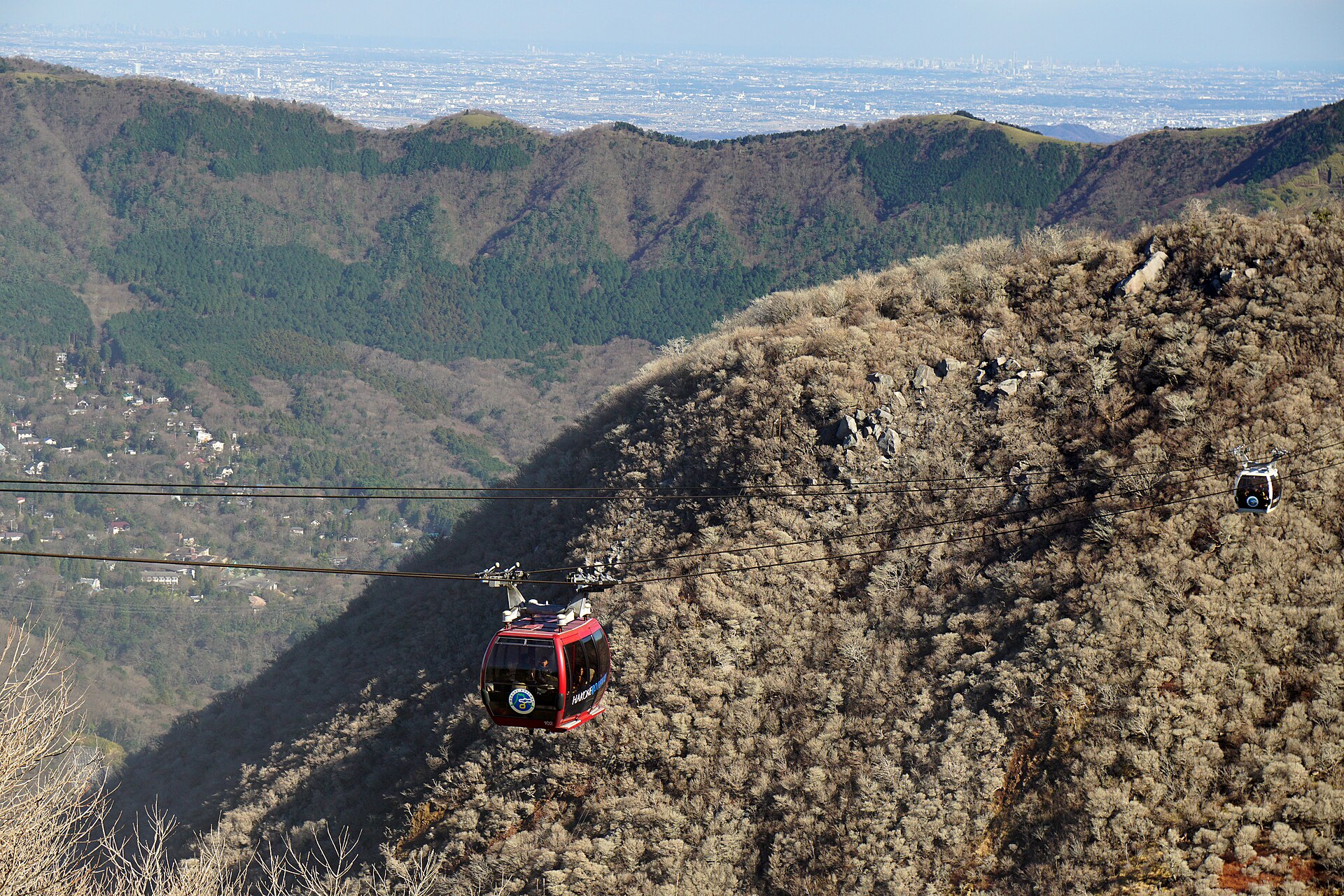
Access to Owakudani has been intermittently restricted since 2015 because of volcanic activity, so it is worth checking current conditions before you go. That caution is not alarmist; it is simply part of traveling in a living landscape. When the ropeway is running normally, the views are part of the payoff. From Sounzan to Owakudani, the ride adds height and distance, and on clear days you can see Mount Fuji standing beyond the steam. It is hard to overstate how strange and effective that contrast is.
Owakudani is also the best place to understand why Hakone’s 温泉 (onsen, hot spring; hot spring bath) are where they are. The baths are fed by geothermal heat from the active volcanic zone, which is to say the water is not a decorative feature. It is the surface expression of something much older and larger.
Lake Ashi, the torii gate, and the art of looking
Lake Ashi is one of Hakone’s most famous sightseeing spots, and the reason is simple: it concentrates several different kinds of view into one frame. There is the lake itself, the possibility of Mount Fuji in the background, the torii gate area near Hakone Shrine, and the sightseeing cruise moving through it all. The Hakone Sightseeing Cruise is part of the standard loop for good reason. It breaks the land journey with water, which gives the region some breathing room.
For photos, Moto-Hakone and the shoreline along Lake Ashi are especially good in the early morning when the light is softer and the water is calmer. That is when the texture of place feels most legible. The shrine torii by the lake is a classic shot when Fuji is visible, though nothing here is guaranteed. Weather is the final editor.
If you want a linked reading path for planning the lake side of a trip, the overview at Mount Fuji Moment in Hakone for the Perfect Travel Post and the broader route notes in Hakone Off the Beaten Path: Onsens, Volcanoes, Hidden Spots are useful companions.
Museums, sculpture, and the quieter side of the valley
Hakone is not only about views and baths. It is also one of Japan’s better places to combine landscape with art, which feels very on-brand for a region that makes you move between stations and slopes anyway. The Hakone Open-Air Museum opened in 1969 and displays more than 120 sculptures on about 70,000 square meters. It also includes a Picasso collection in a pavilion. That mix of open space and concentrated works suits Hakone well: you walk, stop, look, and keep walking.
Gora is the obvious base for this side of the region. It is quieter and elevated, with ryokan, museums, and easy access toward the ropeway. If Hakone-Yumoto is the gateway, Gora is the place where the tempo changes a little. Not dramatically. Just enough.



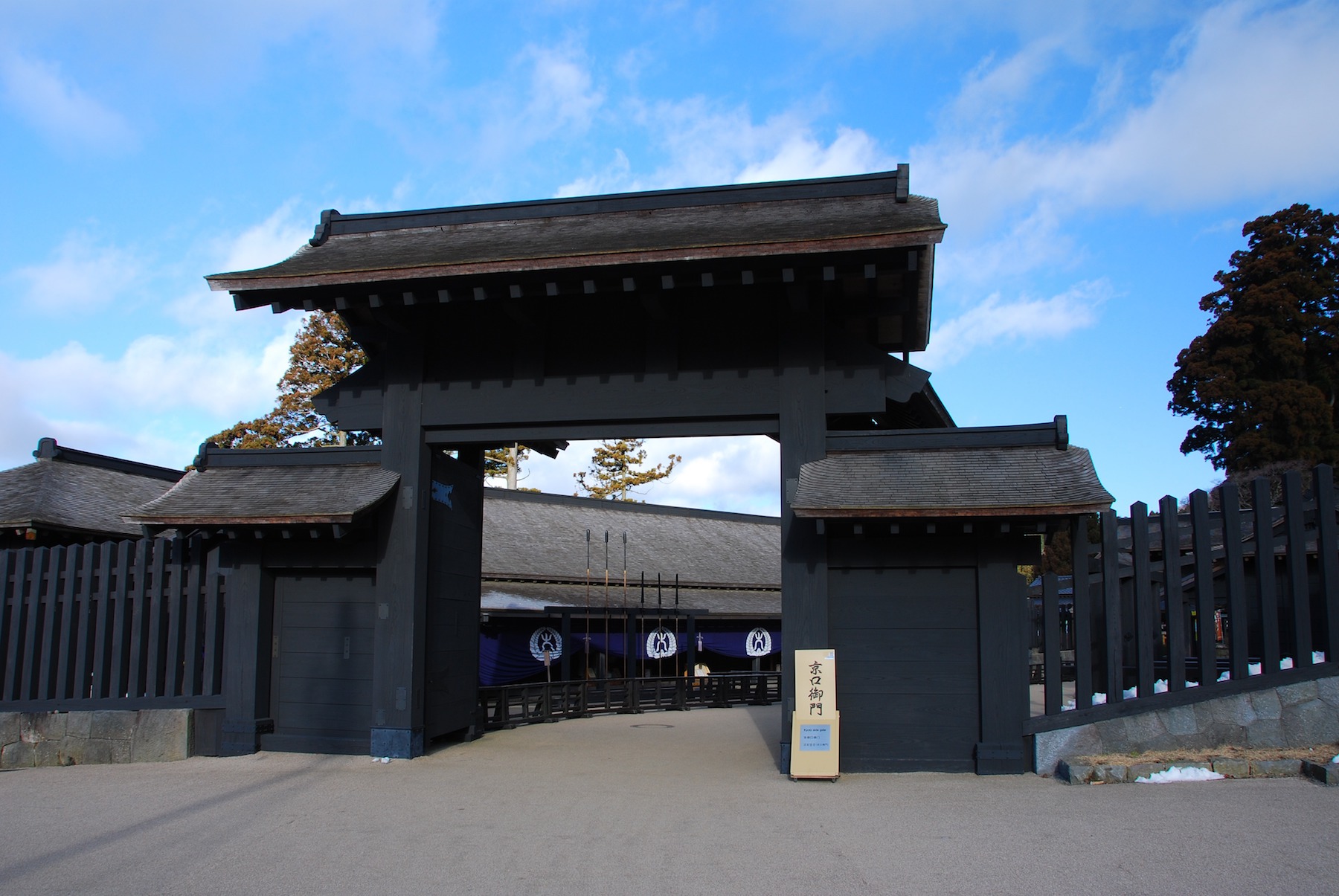
Another lesser-visited stop is the Hakone Sekisho checkpoint reconstruction, an Edo-era site along the old highway. It gives the area some historical weight beyond the modern sightseeing loop, especially if you are interested in how travel moved through the mountains before railways and ropeways made things simple.
Onsen stays and where to slow down
Hakone’s onsen are a major reason people come, and the range matters. Hakone-Yumoto is the main gateway, with trains and buses arriving there and many ryokan and onsen hotels within walking distance of the station. If you want convenience, start there. If you want a quieter elevated base, Gora makes sense. If you want a more polished modern stay, Hakone Kowakien Tenyu offers outdoor baths, forest views, and some rooms with private 露天風呂 (rotenburo, open-air bath), meaning private open-air baths. That kind of room is not essential, but it can make the evening feel very contained, in the good way.
For visitors who dislike crowded communal bathing, some places offer 貸切 (kashikiri, private reservation; exclusive use) baths, or private baths, often reservable in advance for a fee. This is the practical route if you want time alone in hot water without turning the whole thing into social performance. I recommend it if your schedule allows. Slow down. Let the body catch up.
- Hakone-Yumoto is the easiest arrival point for first-time visitors.
- Gora suits travelers who want a quieter base near museums and the ropeway.
- Private baths are worth considering if you prefer more space and less noise.
Where to experience Hakone most fully
If you want the version of Hakone that feels complete without becoming exhausting, combine three anchors: the volcanic drama of Owakudani, the water and shrine landscape around Lake Ashi, and one museum or ryokan night so the place has time to settle. The good loop is practical, but the better trip is the one that leaves room for weather, for waiting, for the body. That is true in Hakone more than most places, because so much of the region is about moving through gradients: steam to water, rail to ropeway, public transit to bath, day trip to stayover.
For readers building out a longer plan, these companion guides cover the wider Hakone frame, including route structure and stay options: Hakone as a real cozy setting, Hakone 2026: Wo übernachten? Die besten Viertel, Ryokans und Onsen-Hotels, and Fuji, Hakone, Owakudani: Klassischer Tokio-Ausflug. Use them as needed. No need to hoard information like it is scarce.
Japan terms you will actually see on the ground
A few terms help. Onsen means hot spring bath, and in Hakone it is not a garnish but the core atmosphere. Ryokan are traditional inns, often the best way to stay overnight if you want the region at its most settled. Rotenburo refers to an open-air bath, usually the version people daydream about and then try to book late. Kashikiri means a private bath, useful if you want quieter time in the water. Yoyaku is a reservation, and in Hakone it matters for both rooms and some baths. Omotenashi is the hospitality style you will encounter in well-run inns, attentive without being fussy. Kuro-tamago are the black eggs of Owakudani. They are exactly what they sound like.
If you are trying to tie this into study, the phrase Things to Do in Hakone kanji or Things to Do in Hakone japanisch lernen will usually lead you back to the same useful travel vocabulary: place names, transport words, and the terms around baths, reservations, and inns. That is the real grammar of the trip. Not glamorous. Just useful.
Frequently Asked Questions
How do I get to Hakone from Tokyo?
The Odakyu Romancecar from Shinjuku to Hakone-Yumoto takes about 80 to 90 minutes, and the Shinkansen to Odawara takes about 35 to 40 minutes before you continue by local transport.
What is the best way to see Hakone in one day?
The classic Hakone loop is the practical answer: Hakone-Yumoto, Gora, the ropeway, Owakudani, Togendai, and Lake Ashi, usually with the Hakone Freepass.
When is the best time to see Mount Fuji in Hakone?
Clear, calm mornings are best, and winter often gives better visibility than summer.
Where should I stay if I want onsen in Hakone?
Hakone-Yumoto is the main gateway with many ryokan and onsen hotels, while Gora is a quieter elevated base with easy access to the ropeway and museums.
Is Owakudani always open?
No. Access has been intermittently restricted since 2015 because of volcanic activity, so current conditions should be checked before visiting.
Sources
- Hakone tourism and transport overview — https://www.hakone.or.jp/
- Odakyu Electric Railway: Romancecar and Hakone access — https://www.odakyu.jp/
- Hakone Ropeway official information — https://www.hakone-ropeway.co.jp/
- Hakone Sightseeing Cruise official information — https://www.hakone-kankosen.co.jp/
- Hakone Open-Air Museum — https://www.hakone-oam.or.jp/
- Hakone Shrine — https://hakonejinja.or.jp/