For Japan fans and language learners, Hakone is also a great place to connect travel words with real life, like onsen, ryokan and 懐石 (kaiseki, traditional multi-course meal), while still keeping the journey simple enough for a day trip or a short stay. Sounds good, right?



Hakone is one of those places that keeps coming up whenever someone asks where to go from Tokyo. Not because it’s trendy for a season, but because it solves a very practical problem: how do you get mountain scenery, hot springs and a famous Fuji view without planning a huge expedition?
Basically, Hakone sits west of Tokyo in Fuji-Hakone-Izu National Park, and that location does a lot of the work. You can leave the city in the morning, ride into a cooler, greener landscape, and be soaking in an onsen or taking photos over Lake Ashi before dinner. Classic Japan, isn’t it?
Why Hakone Works So Well as a Tokyo Day Trip
Know that feeling when you want a break from Tokyo, but you don’t want a whole weekend of logistics? Hakone is built for that mood. From Shinjuku, Odakyu’s Romancecar gets you to Hakone-Yumoto in about 85 to 90 minutes if you take the limited express route, and standard routes can still keep the journey under two hours depending on connections.
Here’s the kicker: Hakone doesn’t ask you to choose between “relaxing” and “seeing something”. You can do both. That’s why it’s so popular with first-time visitors, repeat travellers and people who’ve already seen Kyoto, Nara and Osaka but still want a place that feels unmistakably Japanese.
Compared to back home, where a day trip often means one main attraction and a lot of driving, Hakone gives you a whole chain of experiences. A station, a cable car, a lake, a shrine, a bath, maybe a ryokan stay, all in one compact area. No exaggeration: it’s one of the easiest places in Japan to feel like you’ve properly escaped the city, even if you sleep in Tokyo that night.
Hakone Onsen and Ryokan: The Heart of the Trip
If you picture Hakone, you’re probably thinking of onsen first. That’s fair. The area has long been known as a hot spring resort, and the draw is simple: mineral-rich water, mountain air and the chance to slow down for a few hours. Many ryokan here serve multi-course kaiseki dinners, and the experience is less about ticking boxes and more about settling into a rhythm.
What makes the onsen culture feel so special?
For learners, this is where vocabulary becomes real. Onsen means hot spring, ryokan means traditional inn and 浴衣 (yukata) is that light cotton robe you often wear inside the property. My tip: if you’re studying Japanese, these are words worth learning before the trip, because you’ll actually use them, not just recognise them on a flashcard.
Let’s be honest: Hakone isn’t the cheapest place to stay, especially if you book a room with a private bath or a Fuji-facing view. But the price often makes sense once you see what’s included. Breakfast, dinner, bath access and the whole atmosphere are part of the package. A great example is a one-night stay that starts to feel like a full reset, even when the actual travel time from Tokyo was surprisingly short.
By the way, if you’re shy about public baths, Hakone still works. Many ryokan have family baths, private 露天風呂 (rotenburo, open-air bath) or rooms with an outdoor bath. That flexibility helps a lot, especially for first-time onsen visitors who want the experience without any stress. See what I mean?



Hakone Ropeway, Owakudani and the Fuji View
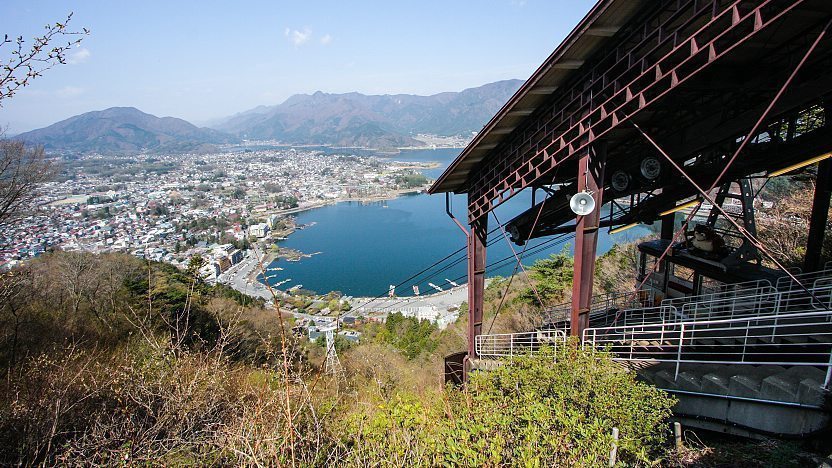
Guess what? One of Hakone’s biggest crowd-pleasers isn’t a building or a museum, it’s the ropeway. The Hakone Ropeway runs between Sounzan and Togendai, with the dramatic stop at Owakudani in between, and on a clear day the views are exactly what people hope for when they imagine Japan’s mountain landscapes.
Owakudani itself was formed by volcanic activity from the eruption of Mount Hakone about 3,000 years ago, and you can still feel that geothermal energy today. Steam rises from the ground, the air smells faintly of minerals and the famous black eggs, 黒たまご (kuro tamago, black egg snack), are sold here as a local snack. Tradition says eating one can extend your life by seven years. I wouldn’t base my health plan on it, but it’s a fun story.
Where does Mt Fuji fit into this?
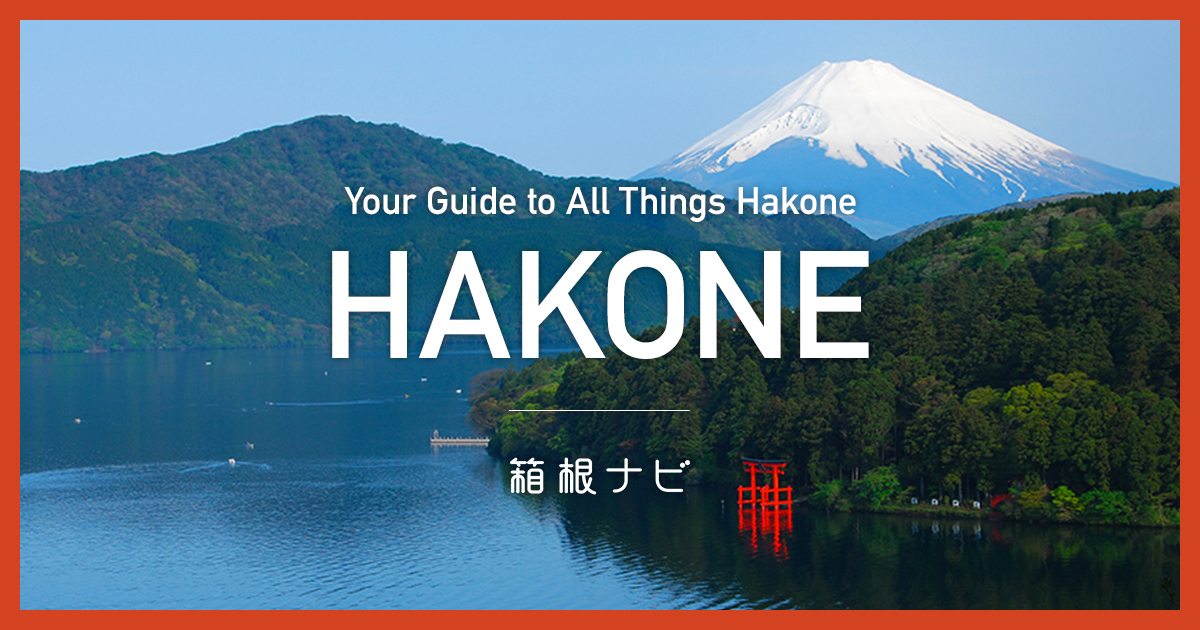
Picture this: you’re on the ropeway or standing by Lake Ashi, and the clouds suddenly shift. Mt Fuji appears, clean and calm in the distance, and everybody starts pointing their cameras in the same direction. That moment is a huge part of Hakone’s appeal. You don’t always get the view, of course, but when the sky cooperates, it feels unforgettable.
Before I forget, the best views are often early in the day, before haze builds up and clouds roll in. Winter can be especially good for visibility, though the trade-off is colder air. If you want the famous postcard look, don’t leave your Fuji photo session too late. Convinced yet?
How to Plan Hakone Without Wasting Time
The smart way to approach Hakone is to decide whether you’re doing a fast loop or a slower overnight stay. A day trip usually focuses on Hakone-Yumoto, the ropeway, Owakudani, Lake Ashi and a shrine stop such as Hakone-jinja. An overnight trip opens the door to a more relaxed pace, better meals and a proper onsen evening.
Insider tip: the Hakone Freepass can make a lot of sense if you’re using multiple transport legs in the area. It covers various trains, cable cars, ropeways, buses and even the sightseeing boats depending on the version you buy. If you like planning in Japanese, you’ll often see words like 切符 (kippu) for ticket and 乗り換え (norikae, transfer / change of trains) for transfer, and Hakone is one of the best places to learn them by doing.
What I especially like is how the area lets you match your energy to the weather. Clear skies? Chase Fuji views. Rainy day? Lean into the baths and the ryokan meals. Tired from Tokyo already? Keep the itinerary light and let the mountains do the rest. That flexibility is exactly why Hakone keeps working for so many different types of travellers.
And if you’re the kind of Japan fan who likes travel with context, Hakone gives you plenty of that too. The region has long been part of the classic Tokyo escape route, and it still feels connected to old-school domestic travel, from lacquered train stations to souvenir shops selling sweets and local crafts. It’s not just a pretty place, it’s a living travel pattern. Sounds good, right?
Frequently Asked Questions
Is Hakone good for a one-day trip from Tokyo?
Yes. If you leave early, you can easily fit in the ropeway, Lake Ashi and a short onsen stop.
When is the best time to see Mt Fuji from Hakone?
Winter and early morning often give the clearest views, though the weather always decides in the end.
Do you need to stay overnight in Hakone?
No, but staying overnight gives you more time for ryokan meals, baths and a slower pace.