The best part? You don’t need to treat it like a checklist. Go at a relaxed pace, enjoy the scenery, and let the route itself do most of the work.



Hakone Loop: the classic route that keeps changing scenery
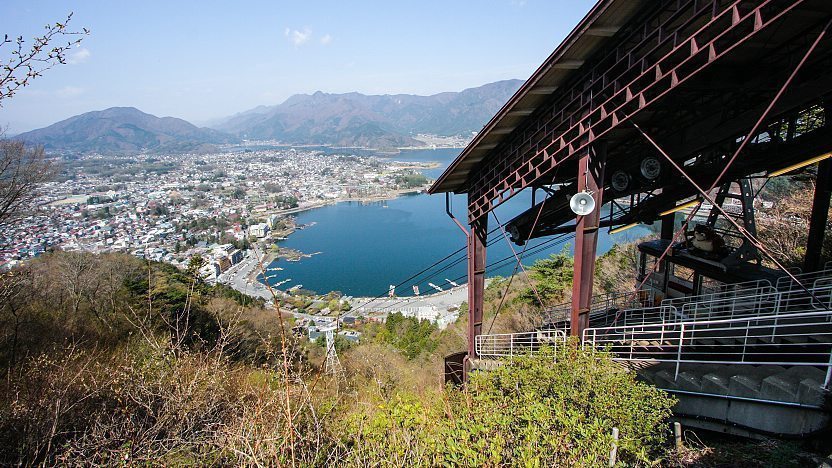
What most people don’t know is that the 箱根 (Hakone, Hakone area) Loop is less about rushing through attractions and more about watching Japan shift in front of you. One minute you’re on a limited express from 新宿 (Shinjuku, Shinjuku), the next you’re transferring to a mountain railway, then you’re crossing the lake on a sightseeing boat with Mt Fuji somewhere on the horizon. It feels stitched together, but that’s exactly why it works so well.

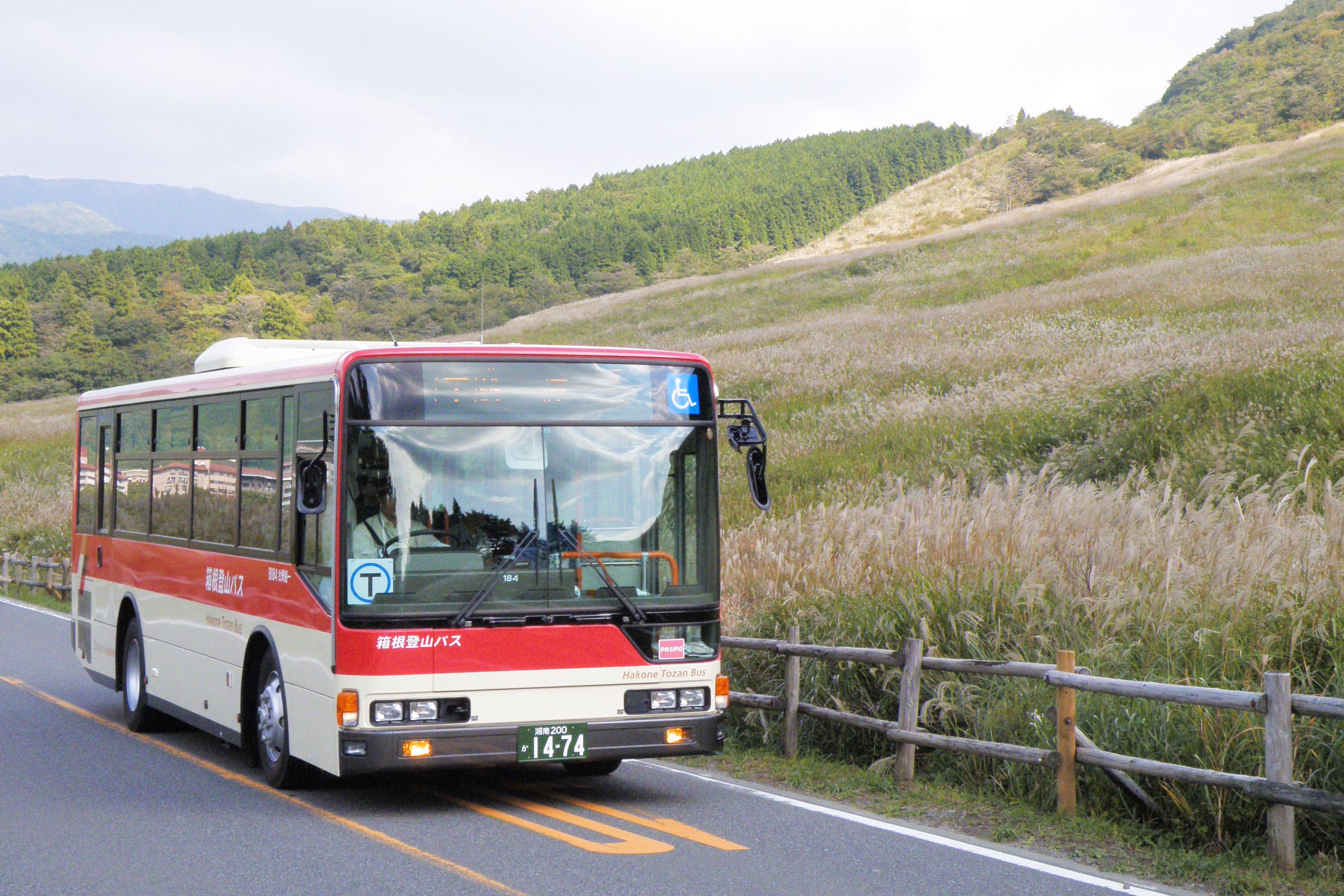
The classic route usually runs through 小田原 (Odawara, Odawara), 箱根湯本 (Hakone-Yumoto, Hakone-Yumoto), 強羅 (Gora, Gora), Sounzan, 大涌谷 (Owakudani, Great Boiling Valley), 桃源台 (Togendai, Togendai), and Moto-Hakone, before circling back by bus, ferry, or ropeway connections depending on weather and timing. If you’re using an all-in-one pass, the rhythm is simple, and the day becomes much easier to plan. See what I mean?
Pro tip: if you start early, you can usually fit the whole loop into 8 to 10 hours without feeling rushed. That gives you enough time for lunch, a few photo stops, and a slower look at the lake area. For a Japan learner, this is also a nice chance to hear travel vocabulary in context, words like tozan densha for mountain train, kanko sen for sightseeing boat, and ropeway for the cable car line.
Volcanic fumes at Owakudani make the route feel alive
Basically, Owakudani is where the Hakone Loop stops feeling like standard sightseeing and starts feeling geologically dramatic. This area was formed after the last major eruption of Hakone Volcano around 3,000 years ago, and you can still see volcanic activity in the form of sulfur smell, steam vents, and pale rocky ground. The air can be sharp and a little strange, and yes, that’s part of the appeal.

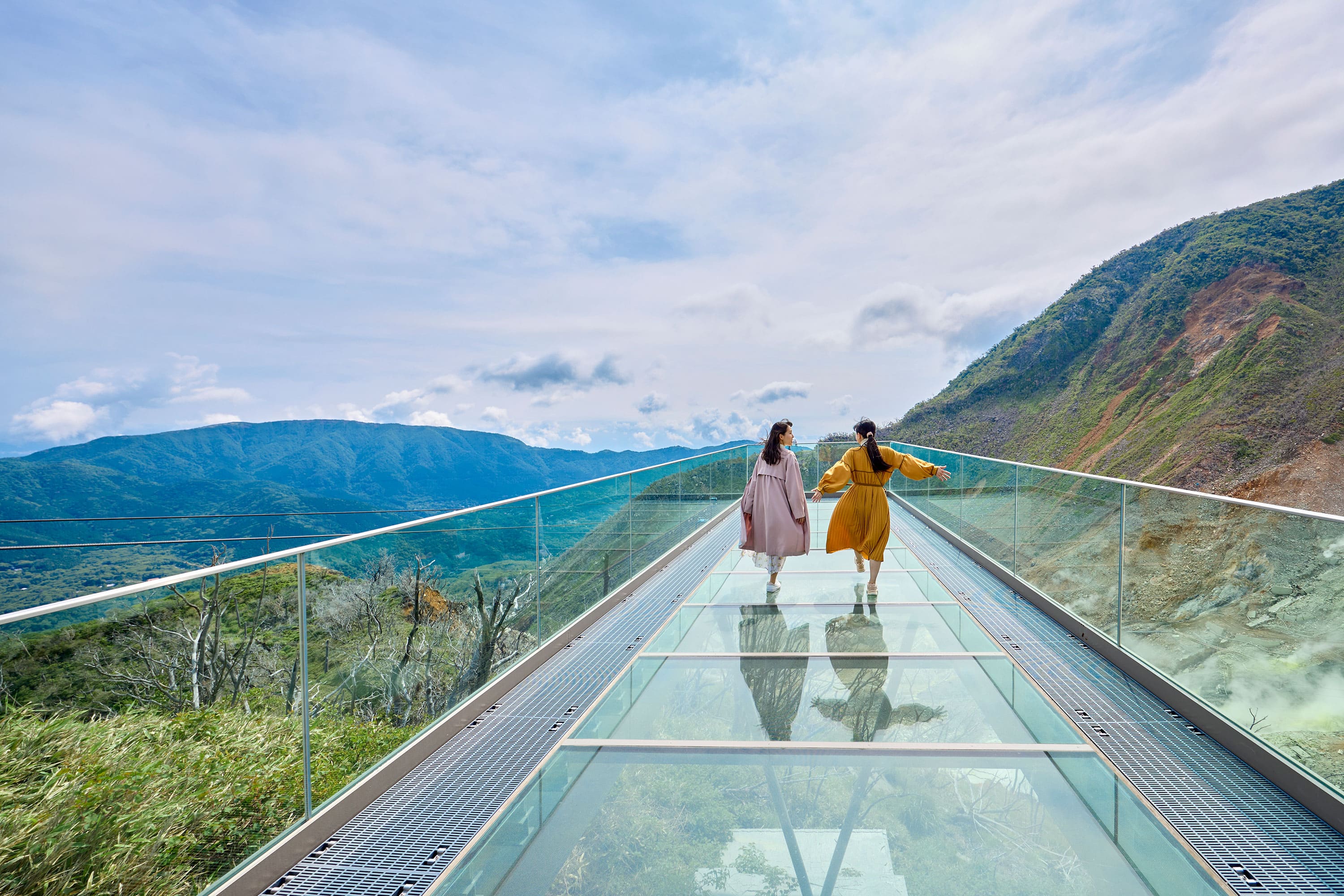
What I especially like is that this is one of those places where the landscape does the talking. The ropeway glides above the valley, and if visibility is good, you’ll get a clear view of the steam plumes below. On some days, the area can close or reduce operations because of volcanic gas levels, so checking the official Hakone tourism site before you go is smart. Not bad, right?
And it gets better: Owakudani is also famous for kuro tamago, black eggs boiled in the sulfur springs. The old local claim says eating one adds seven years to your life. I’m not promising medical miracles, but it’s a fun and very Hakone snack to try while you’re there. Personally...
Mount Fuji and the Sightseeing Cruise from Lake Ashi
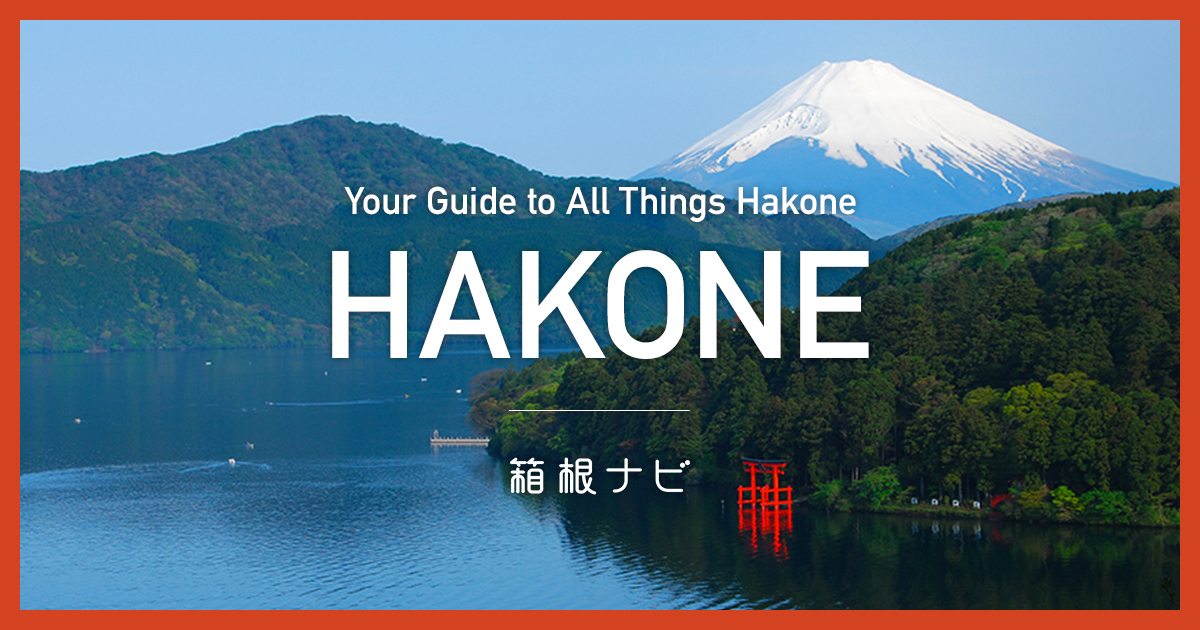
Unlike what we’re used to in city travel, the Hakone Loop gives you a real chance to line up several iconic Japanese views in one outing. Lake Ashi, also called Ashinoko, is the centrepiece for that picture-postcard moment, with red torii gates, forested hills, and Mount Fuji in the background when the weather cooperates. On a clear day, it’s one of the best easy-access Fuji views outside the city.



The Sightseeing Cruise is one of the most memorable parts of the route. The pirate-style ships are obviously touristy, but they’re fun, spacious, and practical for moving across the lake between Togendai, Hakone-machi, and Moto-Hakone. The full crossing doesn’t take long, usually around 30 to 40 minutes depending on the route and boat schedule, and the deck gives you a wide angle for photos. Sounds good, right?
How to improve your Fuji chances
The reason is simple: Mount Fuji is shy. Morning hours often give you the clearest views, especially in colder months when the air is cleaner. If you can, plan the lake section earlier in the day and keep your camera ready. Clear winter mornings are ideal, but even late autumn can be excellent. Oh, almost forgot: if the summit is hidden, don’t treat it as a failure. The lake, shrine gates, and boat ride still make the day worth it.
How to plan the Hakone Loop without stress
Plot twist: the smartest way to enjoy Hakone is not to obsess over doing every stop. Pick your route based on the weather and your base. If you’re coming from Tokyo, a day trip is realistic, but an overnight stay in a ryokan makes the whole thing calmer and gives you a better shot at a dawn Fuji view or a slower soak in an onsen.

Most visitors start from Shinjuku with the Odakyu line area, then move through Hakone-Yumoto and up to Gora. From there, the ropeway to Owakudani is the dramatic stretch, and the lake cruise closes the loop on the western side. Tickets and pass combinations change over time, so check the current Hakone Freepass details and transport timetables before you leave. But let’s stick with the classic route for now.
My tip: if you’re studying Japanese, use the trip for active listening. Train announcements, station names, and food stall signs are short, repeated, and easy to catch. Even basic travel words like eki, yama, mizu, and fune become more memorable when they’re tied to a real place, not a textbook page. This is my absolute hidden gem!
Need a practical reason to choose Hakone over a random day out in Tokyo? The route gives you variety without chaos. You get mountain air, volcanic scenery, a lake cruise, and a genuine chance to see Mount Fuji, all within one loop. Highly recommended:
If you want to keep exploring Japan travel ideas and language-friendly trip guides, check out more Japan news on jpnerd.com.
Sources
In pictures

Frequently Asked Questions
How long does the Hakone Loop usually take?
Most travellers need 8 to 10 hours for the classic route, especially if they stop for lunch and photos.
Can I see Mount Fuji from Hakone every day?
No, visibility depends on weather and season. Clear mornings give you the best odds.
Is the lake cruise worth it?
Yes, especially if you want wide views of the lake and a comfortable way to travel between stops.