
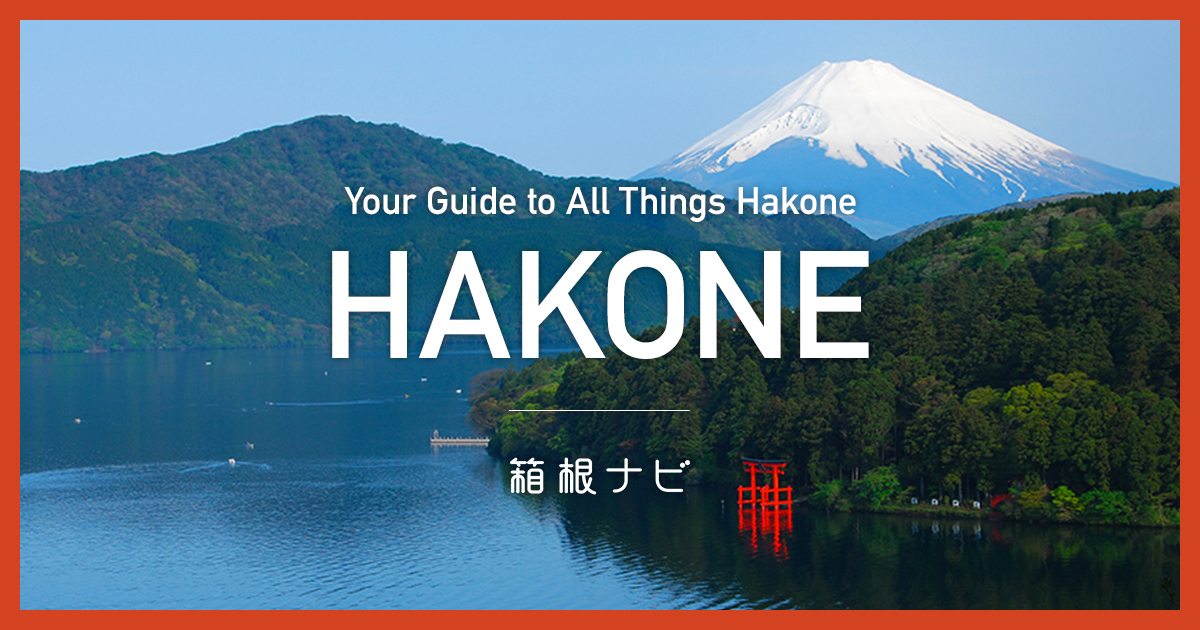
For Japan fans and Japanese learners, this is more than a pretty view, it’s a chance to connect place, language, and atmosphere in one shot. Not bad, right?



Why Mount Fuji and Hakone make such a strong travel photo
No joke: Hakone is one of the easiest places in Japan to pair hot springs, mountain scenery, and a clear Mount Fuji view in a single day. It sits in Kanagawa Prefecture, about 90 minutes from Tokyo by limited express train and local connections, so it works well for first-timers and repeat visitors alike.

The appeal is simple. Mount Fuji gives the frame, Hakone gives the mood. That combination turns an ordinary travel snap into a post that feels instantly Japanese, from the lake reflections to the mist rolling across the hills. See what I mean?
What I especially like is how Hakone doesn't force the Fuji moment, it earns it. You might be in a ryokan, on a ship across Lake Ashi, or standing by a viewpoint with a cup of hot coffee, and then suddenly Fuji appears. My tip: keep your camera ready from morning to late afternoon, because clouds move fast and the best opening can last only a few minutes.
Best Hakone spots for an iconic Mount Fuji view
Guess what? The classic Hakone travel-post lineup usually includes Lake Ashi, the Hakone Ropeway, Owakudani, and the Hakone Tozan area. Each one gives you a different angle, and that's exactly why one trip can produce several very different photos.
Lake Ashi: the postcard shot
Lake Ashi is probably the most famous place for the Fuji-and-Hakone composition. On a clear day, you can capture the lake, the 鳥居 (torii, shrine gate) gate area near Hakone Shrine, and Fuji in the distance, all in one frame. For example, sunrise and early morning often give the calmest water and the softest light, which makes the whole scene feel cleaner and more cinematic.
If you want a travel post that looks polished without feeling over-edited, this is the spot. The red torii, the water, and the mountain line are a classic Japan trio. Convinced yet?
Hakone Ropeway: height changes everything
While we're at it, the Hakone Ropeway gives you a more dynamic angle. You get height, distance, and, on clear days, a wide look toward Fuji from above the valley. The ride connects Sounzan, Owakudani, Ubako, and Togendai, so it's also one of the best ways to move around while sightseeing.
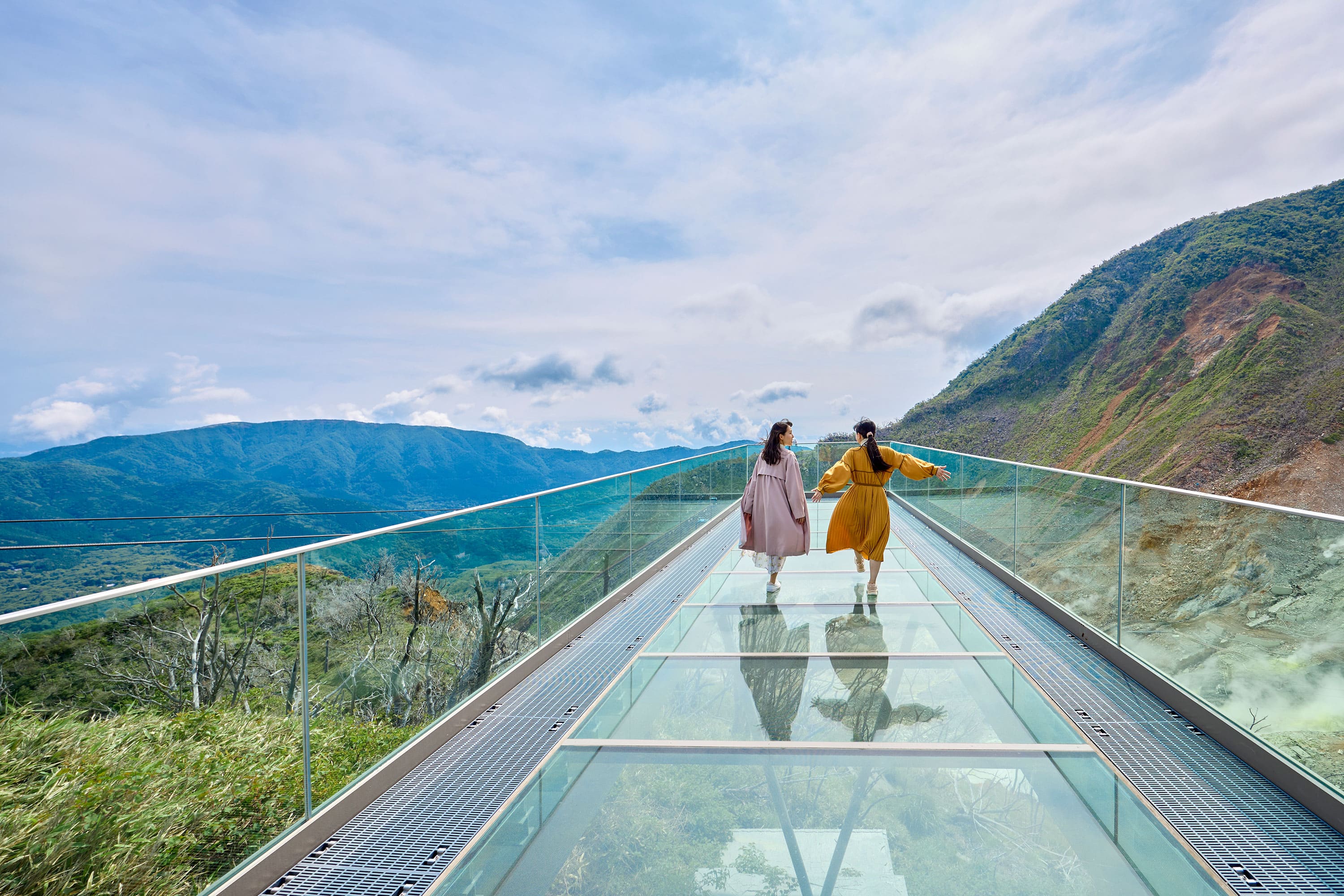
Speaking of which, Owakudani isn't just a photo stop. It's a volcanic area with sulfur vents and the famous black eggs, kuro-tamago, which are boiled in the hot spring steam. That extra detail makes the post feel more like a real travel story than just a scenic upload.
Open-Air Museum and town walks
By the way, Hakone is also great for quieter content. The Hakone Open-Air Museum, opened in 1969, mixes sculpture, greenery, and mountain air, so you can build a softer, more artistic travel feed before heading back toward the Fuji viewpoints.




If the weather turns, don't panic. You can still photograph lanterns, old street scenes, a 蕎麦 (soba, buckwheat noodles) lunch, or a ryokan entrance, then save the Fuji shot for the next day. Sounds weird, but it's true, the best travel posts often come from flexible plans, not strict schedules. My verdict:
How to turn the Fuji moment into a better travel post
It's early morning in Kyoto. That sentence may sound far from Hakone, but the lesson is the same: early starts usually win in Japan travel photography. Fuji is famously shy, and clouds often build later in the day, especially in warmer months.
For a stronger post, think about composition before you press the shutter. Place Fuji off-centre, let a boat, shrine path, or ropeway cabin add scale, and leave some breathing room in the frame. A photo with depth feels more human than a shot that only zooms in on the mountain.
Fun fact: many Japanese social posts use short, clean captions rather than long explanations. If you're learning Japanese, try simple phrases like kirei for beautiful, ii fukai for a deep impression, or soko ni aru for something that is right there. You don't need perfect grammar to sound natural, just keep it clear and specific.

My tip: if you post on Instagram or a travel blog, mention the exact spot and time of day. A caption like "Lake Ashi, 7:20 am, clear view of Fuji" gives your audience context and makes the image feel credible. That kind of detail matters, especially for readers planning their own route. See what I mean?
Japanese learning moments hidden in the Hakone experience
Picture this: you're on a ropeway, looking out at Fuji, and reading the signs in romaji or kana as you move between stations. That small act turns sightseeing into language practice, and Hakone is full of useful place words you can actually reuse.
Look for terms like 山 (yama) for mountain, 水 (mizu) for water, 駅 (eki) for station, and 天気 (tenki) for weather. If you're staying in a ryokan, you'll also hear words like onsen, 浴衣 (yukata, light summer kimono), and 御飯 (gohan, rice; meal) all the time. These aren't textbook-only terms, they're part of the daily rhythm of travel in Japan.
On the flip side, don't worry if you miss the perfect photo on your first try. Japanese travel content often celebrates the process as much as the result. A misty Fuji can still be beautiful, especially if it matches the mood of your trip. Convinced yet?
In pictures

Frequently Asked Questions
When is the best time to see Mount Fuji from Hakone?
Early morning and winter are often the best bets, because the air is clearer and clouds are less likely to block the view.
Which Hakone spot is best for a travel photo?
Lake Ashi is the classic choice, but the ropeway and Owakudani can give you more dramatic angles and variety.
Can I make this into a good Japan travel post even if Fuji is partly hidden?
Yes. Use the lake, shrine, ropeway, or town scenery as foreground, and tell the story of the day rather than chasing a perfect skyline.


