That makes it a great stop for Japan fans who like neighbourhood travel, not just the big-name sights. You can also pick up a bit of useful vocabulary along the way, from 寺 (tera) for temple to 商店街 (shotengai) for shopping street, and that extra layer gives the walk more flavour.



Why Gumyoji Fits a Yokohama Walking Day
Gumyoji belongs on your next Yokohama walk because it gives you a side of the city that feels lived-in rather than staged. The area sits in Minami Ward, and its charm comes from the way the temple, streets, and river all connect naturally.

Basically, this isn’t a place that needs a fixed itinerary. You can arrive, wander, look up, and let the neighbourhood do the work for you. That kind of walk suits Yokohama especially well, because the city has both polished waterfront landmarks and quieter districts that still feel very local.
Compared with back home, many people expect Yokohama to be all bay views, red-brick warehouses, and ferris wheels. Gumyoji flips that idea a bit. It shows how a major city can still keep pockets of everyday rhythm, with old-fashioned shopping streets and a temple atmosphere tucked between rail stops and residential blocks. My tip: if you like neighbourhood walks in Tokyo, this is the sort of detour that makes a day trip feel smarter. See what I mean?
Gumyoji Temple and the Older Layer of the Area
At the heart of the district is Gumyoji Temple, a long-established Buddhist temple that gives the neighbourhood its name. For learners of Japanese, that’s a nice reminder that place names often preserve local history, not just geography.
Take VOYAPON for instance. The article points out that the appeal is in walking the streets and noticing how naturally everything fits together. That kind of phrasing makes sense here, because the temple doesn’t sit apart from daily life, it’s woven into it. Sounds odd, but it's true.
On a related note, temple towns in Japan often create a gentle contrast between the sacred and the ordinary. You may see stone steps, lanterns, and a calm approach path, then turn a corner and find a noodle shop or a local grocer. That mix is part of the fun, and it helps explain why a short walk can feel richer than a checklist of famous spots. From my experience...
A small vocabulary boost for learners
Here's the thing: walks like this are great for learning everyday words in context. Tera means temple, shotengai means shopping street, and 水 (mizu) means water, which is handy when you get to the river area. If you spot signs with 漢字 (kanji, Chinese characters) you already know, the whole neighbourhood starts to feel more readable, even when you're not trying to study.
Shotengai Life, River Views, and the Joy of Slowing Down
Gumyoji is also about the shopping street atmosphere, where local businesses give the area its pulse. To be fair, this is where the walk feels most Japanese in the everyday sense, not because it is exotic, but because it is practical, neighbourly, and a little nostalgic.



Here's the kicker: the Ooka River adds another layer to the route. According to VOYAPON, the river helps visitors finish the walk with a softer, more open feeling. That makes sense in a city like Yokohama, where water is often part of the landscape, but here it feels quieter than the harbour-front set pieces.
When cherry blossom season arrives, river walks in Yokohama can become especially pleasant, and Gumyoji's setting gives you a local-scale version of that mood. You won't get the huge tourist crowds that hit the most famous 桜 (sakura, cherry blossoms) spots, and that changes the rhythm completely. You can focus on the sound of footsteps, the flow of the river, and the small details on shop fronts. Not bad, right?
What I especially like: this kind of route doesn't force a big emotional climax. It just keeps unfolding. The further you walk, the more the district feels connected, and the more the temple, river, and shopping street start to read like one story instead of three separate sights. My verdict:

How to Use Gumyoji in a Wider Yokohama Plan
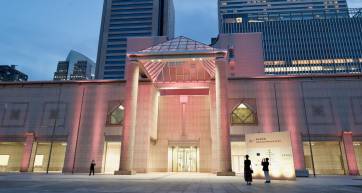
If you're already planning a Yokohama day, Gumyoji works well as a counterpoint to busier attractions. The city is known for heritage buildings, bay views, and event spaces such as the Red Brick Warehouse district, but a walk here gives you a more grounded break between headline spots. That contrast is useful if you don't want your whole day to feel like a sightseeing conveyor belt.
Fun fact: Yokohama's appeal often comes from how quickly you can shift moods within the same city. One hour can be all skyline and crowds, the next can feel like a local neighbourhood stroll. Gumyoji sits firmly in that second category, and that's exactly why it earns a place on the list.
For Japanese learners, I think the best part is how many natural context clues the area offers. A temple approach teaches one kind of vocabulary, the shopping street teaches another, and the river area gives you a chance to connect it all with place-based words you might actually remember later. Here's the catch: you don't need to treat it like a study exercise. The learning happens because the walk is pleasant first.
If you're building a fuller Yokohama plan, it pairs nicely with a bay-area afternoon or a station-area meal. But even on its own, Gumyoji makes a strong case for walking beyond the obvious landmarks. That's usually where the best neighbourhood discoveries hide, and Yokohama is good at that. more Japan news on jpnerd.com
In pictures

Frequently Asked Questions
Is Gumyoji good for first-time visitors to Yokohama?
Yes. It is easy to enjoy even if you only have a short amount of time, because the area works well as a relaxed walking stop.
What kind of atmosphere does Gumyoji have?
It has a mix of temple calm, shopping-street energy, and a riverside finish, so the mood changes naturally as you walk.
Why is it useful for Japanese learners?
It gives you everyday place-based vocabulary in context, which makes words easier to remember than studying them in isolation.