
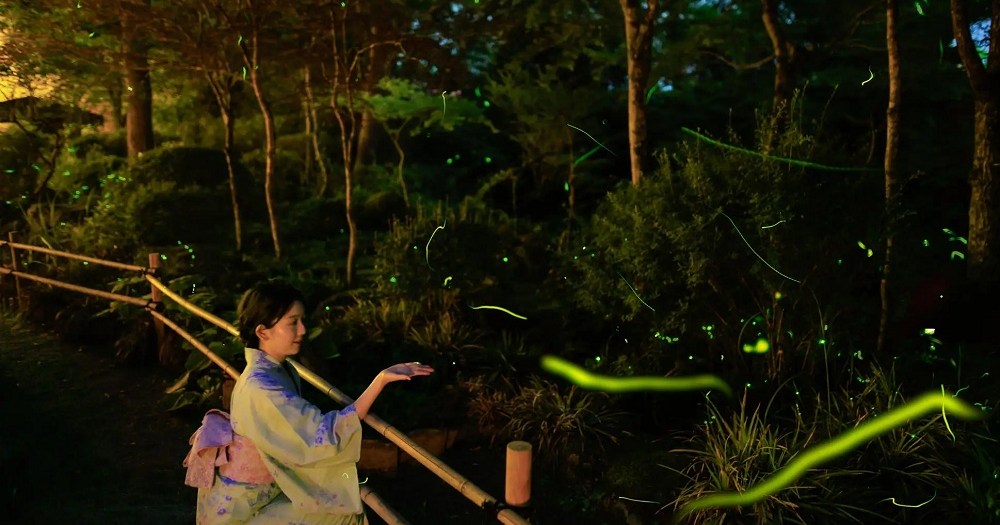
Hakone ryokan by night, and why this matters
What most people don’t know is that a ryokan isn’t just a place to sleep, it’s a whole rhythm of the day. You arrive tired, slip into a calmer pace, eat in a way that feels ceremonial without being stiff, and then, if you’re lucky, the evening gives you one more layer of memory. That’s exactly what makes this 箱根 (Hakone, Hakone (mountain resort town)) story so lovely.



Hakone has long been one of those places I keep coming back to when I need air, mountains, and a reminder that Japan’s travel culture rewards patience. It’s close enough to Tokyo for an easy escape, but far enough that the mood changes. The trains slow down a little in my head, even before they do on the tracks.
What’s more, this isn’t just about pretty lights for the sake of pretty lights. The idea is tied to seasonality, and seasonality is one of the quiet engines of Japanese life. A garden that looks ordinary in one month can become the reason people talk about a hotel in another. Convinced yet?
Hotaru matsuri at the hotel, a very Japanese kind of event
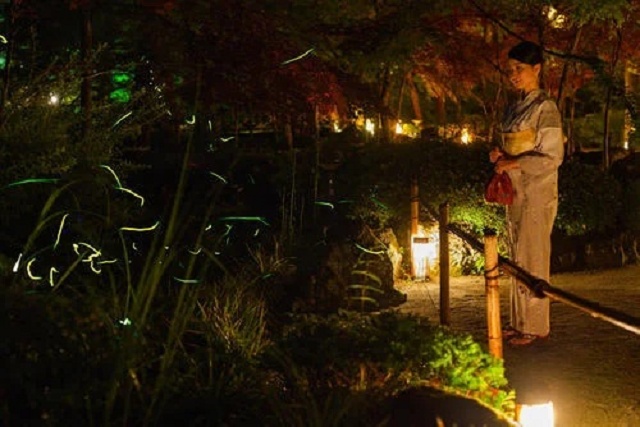
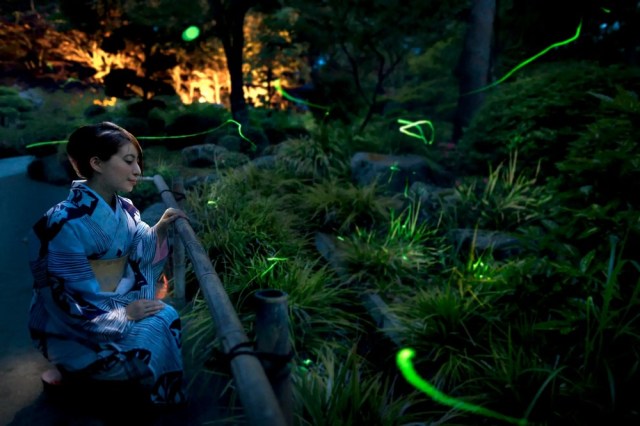
Picture this: you’ve had dinner, the hallway is quiet, and instead of heading straight back to your room, you wander outside to see the grounds transformed by a seasonal event called 蛍 (hotaru, firefly) 祭り (matsuri, festival). Hotaru means firefly, and matsuri means festival, though this kind of hotel event is often gentler than the loud, stall-lined summer festivals people picture first.
That softer scale is part of the charm. In Japan, not every matsuri needs drums, crowds, and fireworks. Sometimes it’s a temporary, carefully timed experience built around a small natural wonder, and that can feel even more personal. Seriously though, I always find these modest seasonal setups more moving than the flashy ones, because they ask you to look closely.
Fireflies and the peak activity window
Fireflies, or hotaru, have a very specific season in Japan, usually from late spring into early summer, depending on temperature and rainfall. Their peak activity often comes after dark, in moist gardens near water and vegetation, which is why a hotel garden can be such a good setting if the conditions are right.
That detail matters. Fireflies are sensitive, so when an inn hosts a hotaru event, it’s not just decorating a space and calling it culture. It’s a small act of timing, care, and environmental awareness, all wrapped into one evening walk. No exaggeration, that’s a very Japanese kind of elegance.
Speaking of which... if you’re learning Japanese, hotaru is a great word to keep in your pocket. It shows up in poetry, seasonal references, and travel writing, and it carries more feeling than a simple dictionary translation can hold. The same goes for matsuri, ryokan, and onsen, words that are easy to learn but hard to fully feel until you’ve experienced the context. My tip: learn them with the season attached, not just the definition. My verdict:



Hakone, onsen hotels, and the beauty of staying put
Unlike what we’re used to in many places, a Japanese ryokan stay often feels like the destination is the room, the bath, the meal, and the surroundings all together. In Hakone, that makes perfect sense. The area has been a hot spring getaway for generations, with routes that connect mountain views, lake scenery, art museums, and old travel roads, so the whole region already knows how to slow you down.
The hotel in this story sits in that larger Hakone atmosphere, where an evening garden walk doesn’t feel like an add-on. It feels like part of the stay. And if the inn is near the Mt. Fuji side of Hakone, even the idea of a seasonal firefly event picks up another layer, because people come here expecting nature to be part of the experience, not something they only glimpse from a window.
What I especially like is how this kind of event fits the ryokan mindset. You’re not racing through activities. You’re letting the place unfold. A meal, a bath, a corridor with soft light, then a garden with living sparks flickering above the dark grass... it’s the sort of thing that makes you put your phone away for once. Highly recommended:
Why this works so well for Japan fans
For Japan fans, the appeal isn’t just visual. It’s about learning how Japanese hospitality often treats time as part of the product. A hot spring inn in Hakone can become memorable because it gives you a reason to pause in exactly the right season, and that seasonal design is deeply woven into everyday culture here.
There’s also a language angle I love. When you hear phrases like hot spring inn, garden path, seasonal event, or evening viewing, you start noticing how often Japanese travel leans on atmosphere rather than explanation. It’s not about telling you what to feel. It’s about arranging the conditions so you notice it yourself. Wild, isn’t it?
How to enjoy a firefly stay without rushing it
Plot twist: the best way to enjoy a firefly event is to expect very little and look carefully. If you’re staying at a ryokan or onsen hotel in Hakone during the right season, ask staff about the best time to visit the garden, because peak activity can be narrow and weather-dependent. A rainy evening, a warmer night, a still patch of greenery, all of that can matter.
Also, don’t try to turn it into a checklist. Walk slowly, keep noise down, and give your eyes a minute to adjust. Fireflies are easy to miss if you’re rushing, and that’s part of the lesson. Japan travel often rewards the people who stay patient long enough for the small things to appear. You'll eventually find your own place. Personally...
In pictures
Frequently Asked Questions
What is the best time to see fireflies in Hakone?
Usually late spring into early summer, with the brightest activity after dark and on warm, still evenings.
Do all ryokan in Hakone host firefly events?
No. These events are seasonal and depend on the property, the weather, and local conditions.
Is a firefly event good for first-time Japan travellers?
Yes, especially if you like quiet, seasonal experiences and want to see a softer side of Japanese travel culture.
Oh, almost forgot: if you enjoy stories like this, more Japan news on jpnerd.com is a good place to keep wandering. And if Hakone is already on your list, maybe this is your sign to stay one night longer, just to see what happens after dark.


