This is part environmental story, part on-the-ground experiment, and that mix matters. For Japan fans and language learners, it also gives you a neat window into how words like 食品残渣 (shokuhin zansa, food residue / food waste) and 有機肥料 (yuki hiryo, organic fertilizer) show up in real-world sustainability talk.
Komham and the Nasu-Shiobara trial
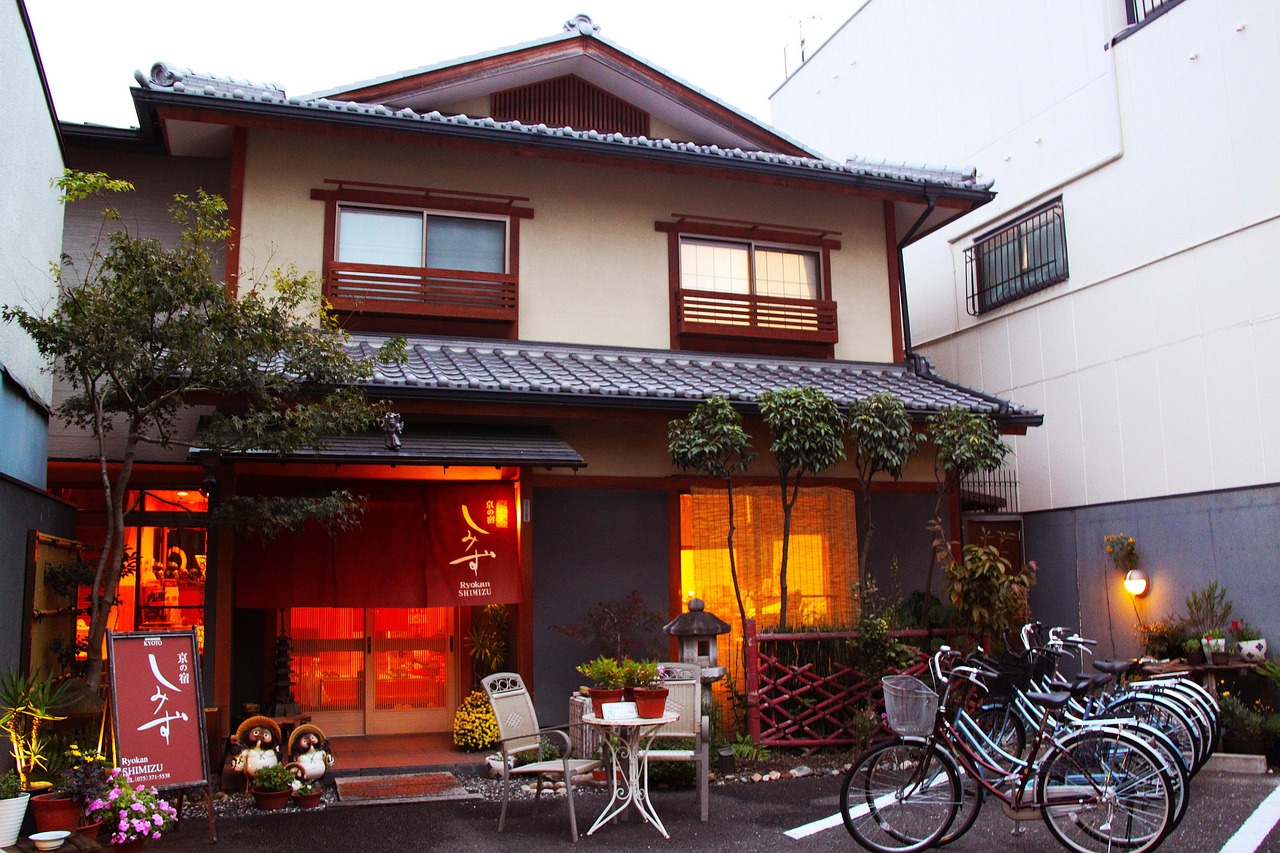
Komham is testing food waste to fertilizer in Nasu-Shiobara, and the location isn’t random. The trial is tied to ONSEN RYOKAN Yamaki, a hot spring ryokan that gives the project a very specific, very Japanese setting: a place where hospitality, local food, and waste management all meet at the same table.
The key idea is food waste to fertilizer, or more naturally in Japanese business and environmental talk, a form of resource circulation rather than simple disposal. That sounds technical, but the image is easy to hold onto. Leftovers from meals don’t just disappear, they’re collected, processed, and then sent back into the cycle as fertilizer. Speaking of which, that’s exactly the kind of quietly practical environmental step Japan often does best.
According to the source material, this is presented as a verification trial, so it’s less about a grand launch and more about checking whether the system works cleanly in a real hospitality setting. And that’s the interesting part. Hotels and ryokan produce steady kitchen waste, which makes them useful test sites, but they also need reliability, hygiene, and low hassle. Wild, isn’t it? The spreadsheet says everyone loves sustainability, but the bins still need emptying before breakfast service.
For learners, a few useful words sit right here in the story. Shokuhin zansa means food residue or food waste. Yuki hiryo means organic fertilizer. And 再利用 (saiyori, reuse / recycling), or recycling in the broader sense of reuse, is the larger idea behind the trial. You’ll see this kind of vocabulary a lot in Japanese environmental coverage, usually in a calm, matter-of-fact tone rather than a dramatic one. That’s very Japan, really.
Why a ryokan matters in this kind of experiment
What many overlook is that a ryokan isn’t just a hotel with 畳 (tatami) mats. It’s a small ecosystem, with meals, baths, cleaning, laundry, deliveries, and local sourcing all folded together. That makes ONSEN RYOKAN Yamaki a useful place to test whether food waste can be handled on-site or near-site in a way that actually fits daily operations.
There’s also a deeper rural angle here. Nasu-Shiobara sits in Tochigi Prefecture, a place many travellers know for onsen and nature rather than industrial experiments. So when a waste-to-fertilizer trial lands there, it suggests a very Japanese kind of environmental thinking: not only high-tech laboratories, but also quiet, tucked-away business sites where the numbers can be checked against real-life routines.



The reason is simple: if a system can work in a ryokan, with its timing, menu changes, seasonal guest flow, and strict expectations around cleanliness, it has a better chance of being scaled elsewhere. That doesn’t make it magical. It just makes it harder to fake. My tip: when you read Japanese sustainability news, always look for the place name. The place usually tells you more than the slogan does.
Food waste to fertilizer, and why Japan keeps circling back to it
Unlike what we’re used to in some countries, Japan often frames waste less as an abstract pollution problem and more as a chain that can be tightened. Food is bought, prepared, served, left over, collected, transformed, and then returned to agriculture or landscaping. The logic is neat, and a little humbling. We eat, and then the system asks what happens next.
That’s why this Komham trial matters beyond one ryokan. If the process is stable, it can reduce disposal needs and create a local loop that feels almost old-fashioned in spirit, even if the machinery behind it is modern. The environmental appeal is obvious, but the operational appeal may be even stronger for businesses. Less waste hauling. More predictable handling. A visible story that guests can understand quickly. Sounds good, right?
For Japan learners, there’s also a nice language angle in how these stories are written. Japanese coverage often prefers concrete nouns and plain process words over emotional framing. You’ll see terms like 処理 (shori, processing), 活用 (katsuyo, utilization), and 実験 (jikken, experiment) before you see lofty claims. That makes the news a useful reading drill, because the vocabulary is practical and the sentence logic is usually direct. And honestly, that’s the kind of Japanese that sticks.
The larger environmental picture isn’t flashy, but it does feel grounded. Small loops, tested carefully, often add up faster than big speeches. Personally, I like stories like this because they show sustainability in work clothes, not just in campaign posters. But that’s not all.
Frequently Asked Questions
What is Komham testing in Nasu-Shiobara?
Komham is testing a system that turns food waste into fertilizer at ONSEN RYOKAN Yamaki in Nasu-Shiobara.
Why is a ryokan a useful testing site?
A ryokan produces regular kitchen waste and has clear daily operations, so it’s a practical place to check whether the process works smoothly.
What Japanese words are useful here for learners?
Shokuhin zansa, yuki hiryo, and saiyori are all helpful terms for reading about waste, fertilizer, and recycling in Japanese news.