For Japan fans, that makes the plan especially appealing: you get a proper Mt Fuji photo stop, a relaxing bath, and a neat little travel pattern that fits a short stay. It also gives Japanese learners a chance to pick up useful travel words like onsen, 朝 (asa, morning), and 山 (yama, mountain) in a real setting.
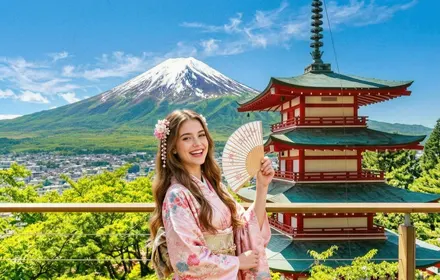
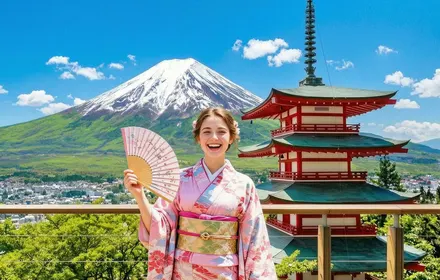
Tokyo to Fuji sunrise onsen, with a built-in flex itinerary
Tokyo to Fuji sunrise onsen trips are a smart fit if you want one morning to do three things at once: see Mount Fuji, soak in an onsen, and still make it back to Tokyo without turning the day into a full mountain expedition. The current GetYourGuide option from Tokyo to Fujiyoshida is built around that idea, with a dawn departure, a Fuji sunrise focus, and a morning hot spring stop.
Here’s the deal: this kind of plan works because it keeps the logistics simple. You don’t need to piece together separate trains, buses, and bath reservations, and you don’t need to sleep in the Fuji area unless you want to. For first-time visitors, that matters a lot, especially if the rest of the trip is already packed with Tokyo neighbourhoods, day trips, and maybe a 新幹線 (shinkansen, bullet train) hop later on.
Before I forget, the route also fits neatly into the kind of circular Japan trip travel writers like Never Ending Footsteps describe, where the Mount Fuji area becomes an easy add-on between bigger cities and slower countryside stops. If you like the idea of one clean outing instead of a complicated overnight, this is the version to keep an eye on.
Why the Fuji sunrise part matters
Did you know that sunrise near Mount Fuji is often the whole reason people leave Tokyo before dawn? The mountain changes character fast in the early light, and even people who’ve seen Fuji before still chase that first bright view because it feels different from a midday photo stop.
For example, a dawn trip usually gives you the best shot at seeing the cone clearly before haze and cloud build up. Of course, Fuji never follows a script, so the mountain can hide behind weather, but an early start still gives you the strongest odds. That’s why the itinerary is more than a scenic transfer, it’s a timing strategy.
Japanese learners can make use of a few words here too. Yama means mountain, asa means morning, and onsen is the hot spring bath that makes the trip feel less rushed. If you hear people talking about 風 (kaze), they mean wind, which can matter a lot around open Fuji viewpoints. Not bad, right?
My tip: treat the sunrise stop as the main event, not a bonus photo. That mindset makes the whole outing feel better, because the rest of the plan, transport, breakfast, and bath, supports that one clear moment. Convinced yet?
The onsen stop is what turns it from sightseeing into recovery
What most people don't know is that the onsen part isn’t just a nice extra, it changes the rhythm of the whole trip. After an early start and a cold dawn viewpoint, a hot bath gives you a proper reset, and that is exactly why this kind of itinerary works so well for Tokyo-based travellers.

Quick detour: Hakone is often the best-known onsen base near Tokyo, and Japan Activity notes that it is reachable in about 85 minutes by Romancecar limited express train. That is useful context, because it shows how common this Tokyo-plus-onsen pattern is, even when the exact Fuji route changes. In the Fuji area, a bath with a view can feel especially rewarding on a clear day, when the mountain is still visible while you soak.
Hand on heart, that combination is the real selling point. A sunrise alone can be a bit sharp and tiring, and a bath alone can be a bit routine if you have already done onsen in Japan. Put them together, though, and you get a very strong half-day plan. This is my hidden gem!
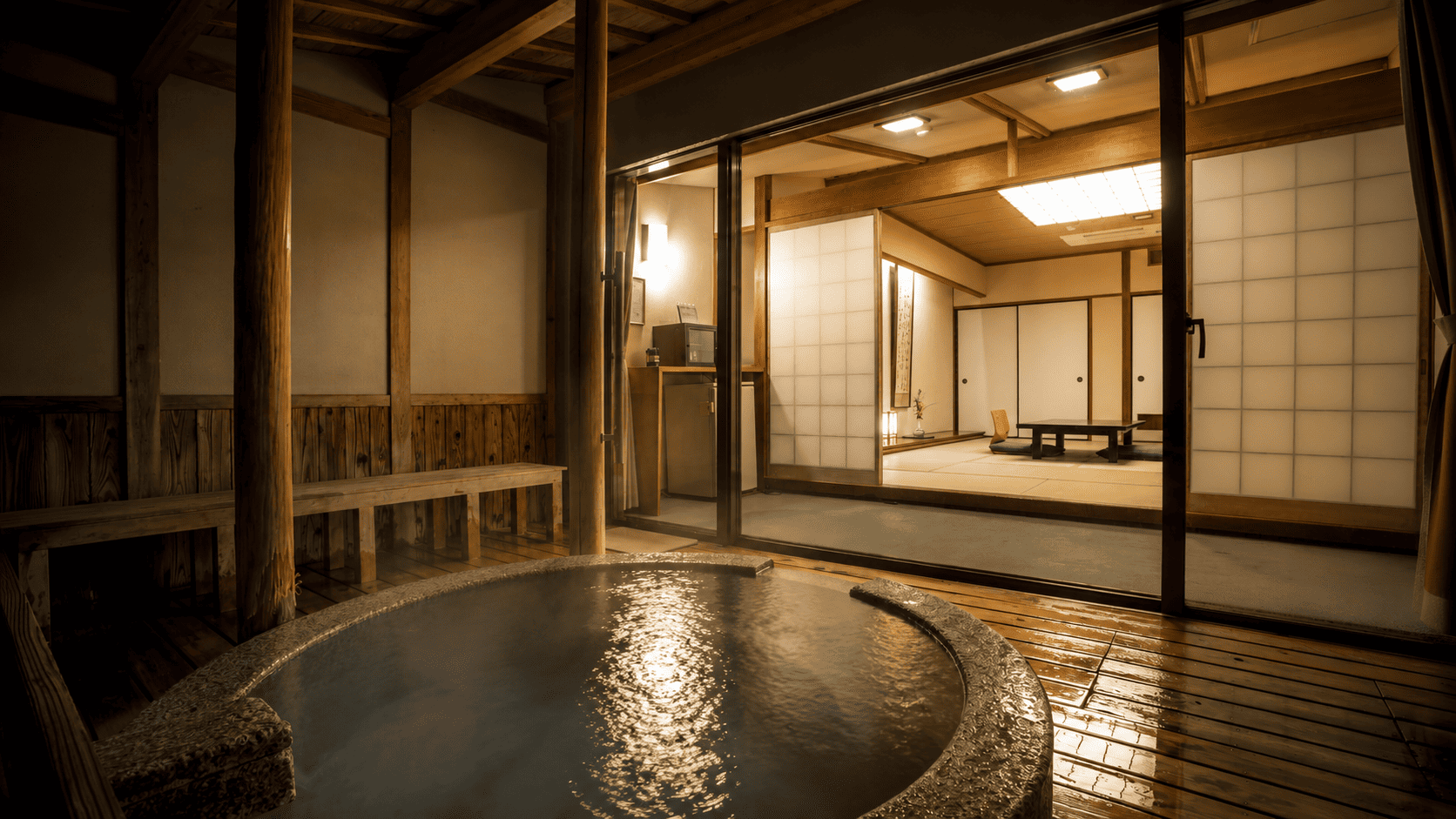
For Japan fans, it is also one of the easiest ways to understand a classic ryokan-and-onsen travel culture without committing to a full overnight stay. You get the atmosphere, the bathing etiquette, and the mountain scenery, but you still keep the day flexible.
How to use the GetYourGuide flex itinerary from Tokyo
Guess what? The best part of the GetYourGuide format is the flexibility implied by the word flexitinerary, because it suggests a route built around a time window instead of a rigid tour feeling. That matters if your Tokyo plans are changing from one day to the next, or if you want to slot Fuji in between other city plans.
Here’s the kicker: the original listing from GetYourGuide focuses on a morning route from Tokyo to Fujiyoshida, so the practical logic is simple: leave early, catch Fuji at dawn, enjoy the onsen, and return before the day gets away from you. If you are building your own broader Japan trip, that means the outing can sit next to a Tokyo museum day, a Shibuya evening, or even a longer route towards the Japanese Alps later on.
For example, if your trip already includes a rail-heavy route, this kind of short excursion saves planning energy. You are not committing to luggage transfers, hotel changes, or a big packing list. You are just making one strong Fuji morning happen, then heading back to the city with your day still mostly intact. Personally, that balance is hard to beat.
My tip: check the weather forecast the night before, then decide whether to go all-in on the sunrise plan. Fuji is a mountain, not a stage set, so cloud cover can change everything. But if the sky is kind, this Tokyo-to-onsen combo can be one of the most memorable half-day patterns on a Japan trip. Wait, there's more.
Frequently Asked Questions
Is this a good trip for a first visit to Japan?
Yes. It combines a famous landmark, an onsen stop, and a straightforward return to Tokyo, so it suits a first-time itinerary well.
Do you need to stay overnight near Mount Fuji?
No. This type of itinerary is designed so you can leave Tokyo early and still come back the same day.
What should Japanese learners notice on this trip?
Travel words like onsen, asa, yama, and kaze come up naturally, so it is a good chance to connect language study with real travel context.