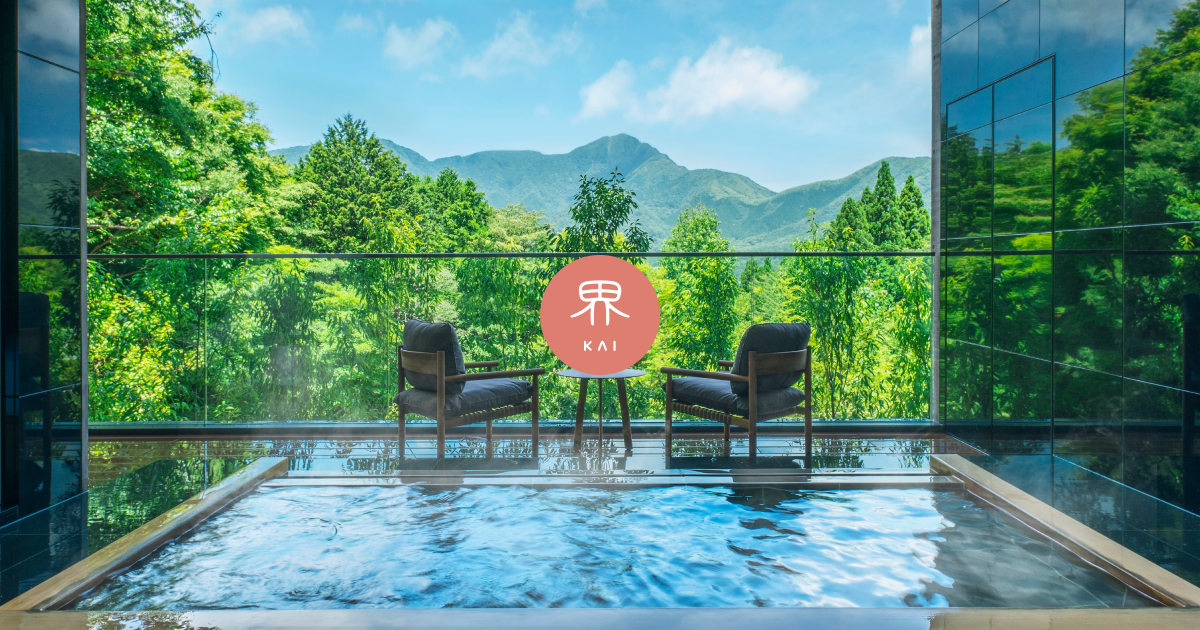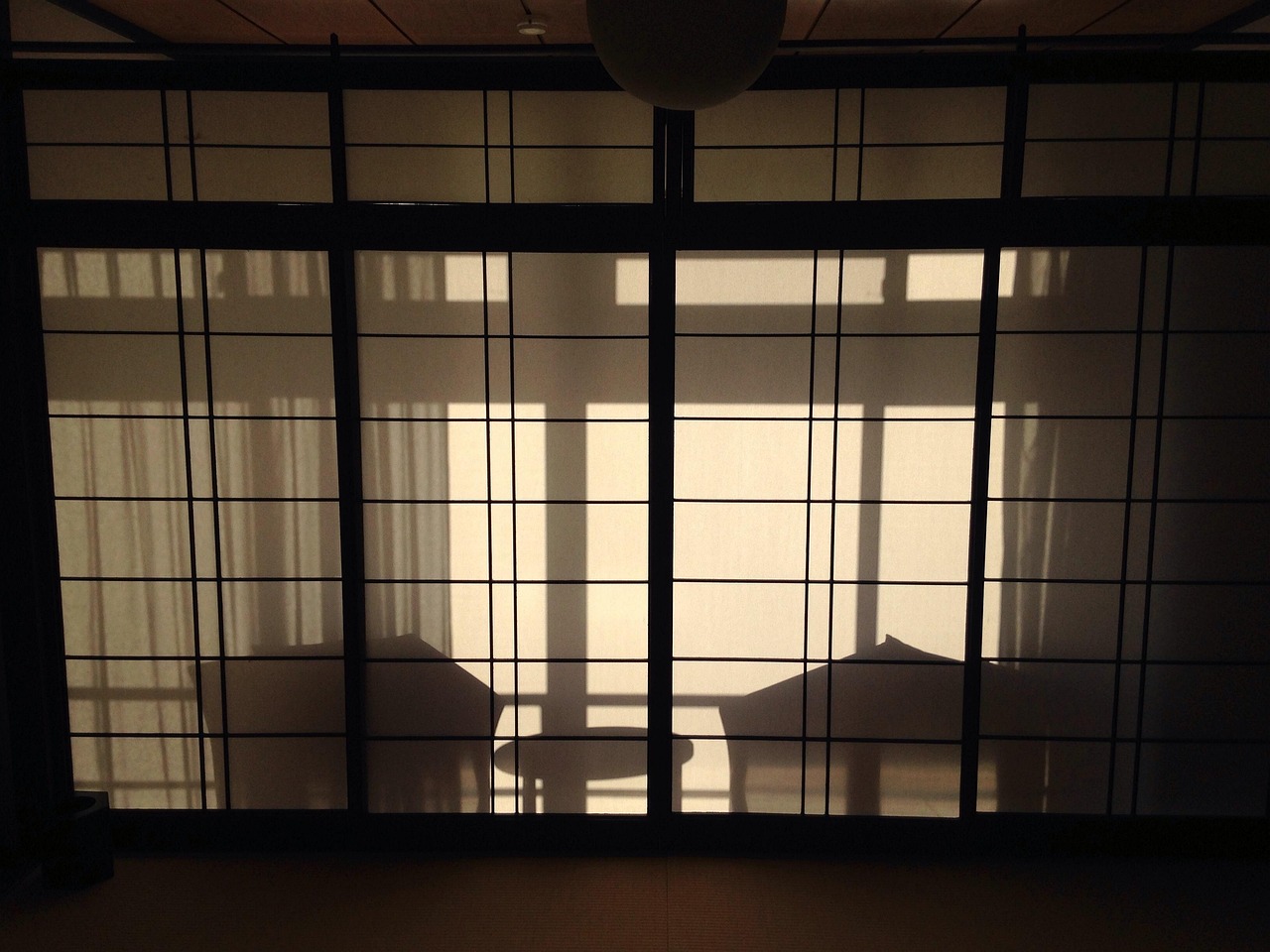
For Japan fans, this is also a nice chance to connect the dots between onsen culture, regional travel, and a bit of Japanese vocabulary. Ryokan, onsen, and 浴衣 (yukata, light cotton robe) are all part of the experience here, and they make the stay feel deeply rooted in place.
Shimofuro Onsenkyo and Maruhon Ryokan in Aomori
Ever wondered why some ryokan stick in your memory long after the trip ends? Shimofuro Onsenkyo Maruhon Ryokan in Aomori is exactly that kind of place. It belongs to Shimofuro Onsenkyo, a hot spring area in Aomori Prefecture, and its history goes back to 1887, which is a serious number for any inn in Japan.
To be fair, Aomori already has a lot going for it, from rugged scenery to strong seasonal character, but an old onsen ryokan gives the region a different kind of depth. You’re not just booking a bed. You’re stepping into a place shaped by bathing culture, hospitality, and local rhythm. Sounds odd, but it’s true.
What I especially like is that this isn’t a shiny, generic resort. It’s a concrete ryokan guide destination, one with age and atmosphere, and that makes all the difference. If you enjoy travel that feels tied to a specific Japanese place, this one should be on your radar. But that’s not all.
Why Shimofuro Onsenkyo matters for onsen lovers
Shimofuro Onsenkyo is the setting, and the setting matters. A hot spring district gives a ryokan context that a standalone hotel can’t really copy. You get the feeling that the whole area exists around the onsen, not the other way round.
For example, that usually means a slower pace, steam in the air, and the expectation that guests will arrive ready to bathe, rest, and eat well. That’s the classic onsen formula, and in Aomori it tends to feel extra grounded because the region is known for cold winters and dramatic weather. Hot water and cold air are a natural match, and Japanese people have leaned into that contrast for centuries.
Speaking of which... if you’re learning Japanese, this is a good place to remember a few simple words. Onsen means hot spring, ryokan means traditional inn, and yukata is the lightweight cotton robe you’ll often wear around the property. These aren’t just vocabulary items, they’re travel clues. Convinced yet?
Maruhon Ryokan, founded in 1887
Plot twist: the most interesting part of this ryokan isn’t only the bath, it’s the date. Maruhon Ryokan was founded in 1887, which puts it firmly in the Meiji era. That matters because the Meiji period was when Japan was modernising fast, yet many regional inns were still preserving older forms of guest service.
Unlike what we're used to in modern chain hotels, a ryokan like this is built around continuity. Families, local regulars, and repeat visitors often matter a lot. The building, the bath, the meals, and the manners all work together. You can almost feel the layers of time, even if you’re just there for one night.



Here's the kicker: old doesn’t have to mean outdated. A historic ryokan can still be comfortable, and often it feels more thoughtful than a place that tries too hard to impress. My tip: if you stay at a place like Maruhon Ryokan, slow down on purpose. Put the phone away for a while, change into the yukata, and let the evening unfold at ryokan pace. Simply brilliant.
What to expect during a stay
In a traditional ryokan stay, the room layout usually feels more open than a Western hotel room, and the 畳 (tatami) mat flooring changes the whole mood. Dinner and breakfast, if included, are often a major part of the experience. For Japan enthusiasts, that’s one of the best ways to understand daily hospitality culture, because the meal is part of the stay, not just a side note.
A great example is the way onsen towns often encourage walking between bath, room, and dining area without needing much else. That simplicity is the point. You’re not there to rush around. You’re there to reset, and maybe learn how much comfort can come from very little. Wait, there's more.
Aomori onsen travel tips for Japan fans
Oh, almost forgot: Aomori is a terrific region for anyone who likes Japan beyond the big-city highlights. It’s cooler, quieter, and often less crowded than the places first-time visitors usually target. That makes a historic onsen ryokan especially appealing if you want a trip that feels personal rather than scripted.
On the flip side: Aomori travel can take more planning. Trains, buses, and weather can all affect your schedule, so this is the kind of trip where you really do want to check times in advance. If you’re building a Japan itinerary, a stay in Shimofuro Onsenkyo works best when paired with a wider Aomori route, not treated like a quick side trip.
For language learners, that planning stage is useful too. You’ll see practical Japanese terms everywhere, from check-in signs to bath rules. If you know words like onsen, ryokan, and 懐石料理 (kaiseki, traditional multi-course meal), you’ll understand more of what’s happening around you. And if you can read basic ひらがな (hiragana, hiragana syllabary), even better, because the details become less intimidating. Wild, isn't it?
If you want to keep exploring Japan travel topics, you can read more Japan news on jpnerd.com. That way, this ryokan guide becomes part of a bigger Japan-learning picture rather than just a one-off hotel pick. But that’s not all.
Frequently Asked Questions
What is Shimofuro Onsenkyo Maruhon Ryokan known for?
It is known as a historic ryokan in Aomori, located in the Shimofuro Onsenkyo hot spring area and founded in 1887.
Is this a good choice for first-time onsen visitors?
Yes, if you want a traditional ryokan experience and don’t mind a quieter, more local setting.
Why do Japan learners care about ryokan stays?
They are a practical way to learn travel vocabulary and see Japanese hospitality culture in action.