What I especially like here is the balance. You get the classic city hits, but also those quieter, slower places where Japan tends to reward patience, curiosity, and a little extra effort. Classic Japan, isn't it?
Why this Japan round trip is growing so fast
The headline number is the big one: 140 departures in 2026, according to Panrotas. That kind of volume says something real about demand, especially for travellers who want Japan with a Portuguese-speaking guide rather than figuring everything out solo from day one.
No joke: that matters more than people sometimes think. Japan can be wonderfully straightforward once you get the rhythm, but the first trip still comes with a lot of moving parts, train etiquette, meal timing, hotel check-in rules, luggage forwarding, and all the little details that make the difference between a smooth trip and a slightly frazzled one. A guide who can explain those pieces in Portuguese makes the whole route feel more approachable, and that tends to be a big deal for first-timers, families, and repeat visitors who want less friction and more depth.
And the route itself is built around places that show different sides of the country, not just one polished postcard. That is probably why it keeps growing. You are not only seeing the big-name cities, you are moving through historic districts, mountain towns, and hot spring areas, with enough variety to keep the pace lively without turning the trip into a blur.
Osaka, Nara, Kyoto, Takayama, Hakone, Tokyo
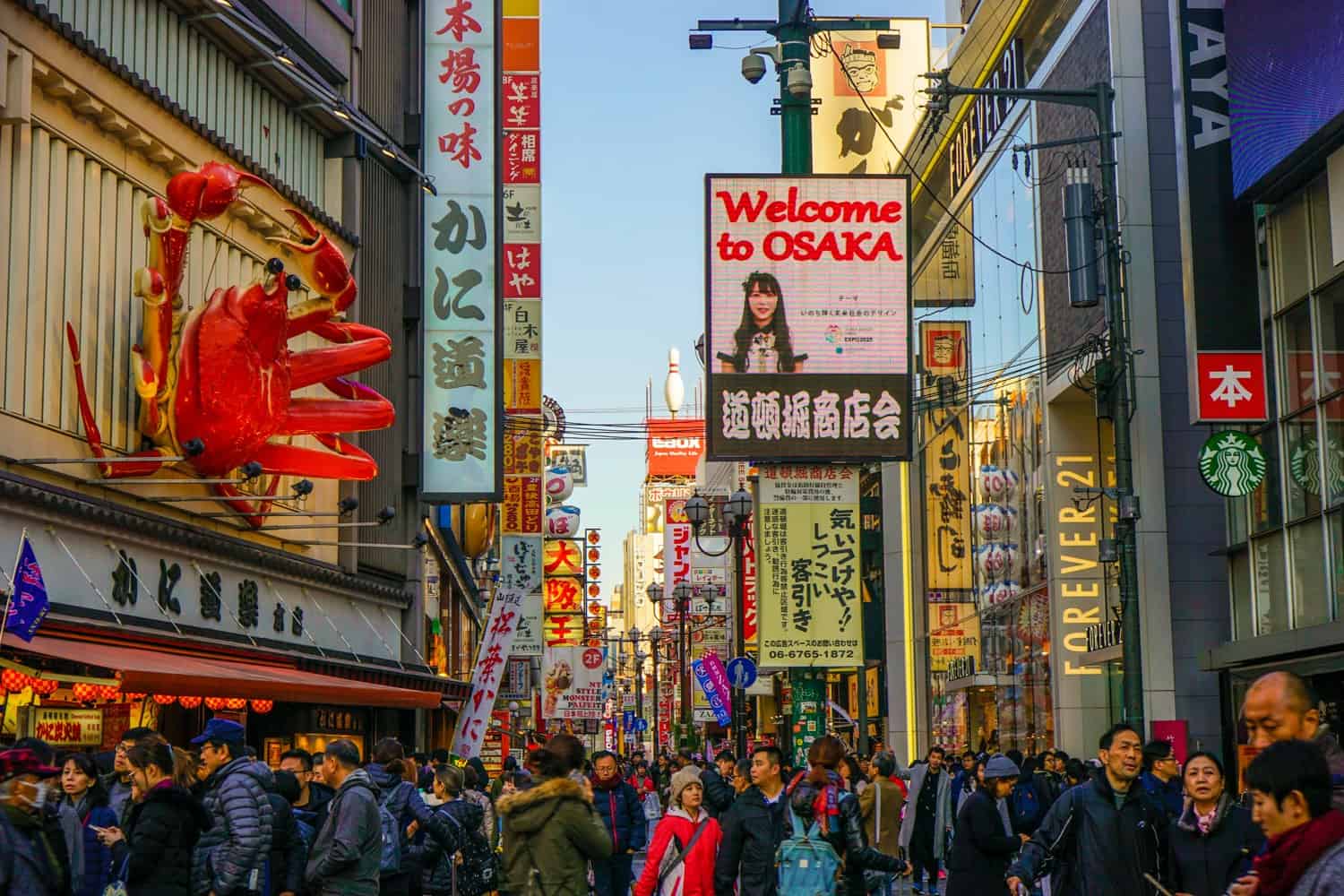
Picture this: you start in Osaka, where the energy is loud, food-focused, and very easy to love. Then Nara slows things down with temple grounds, deer wandering through the parks, and that older, calmer atmosphere that makes people lower their voices without really meaning to. Kyoto comes next, and yes, it is popular for a reason, but the good part is not just the famous temples. It is the texture, the side streets, the wooden facades, the small shops, the feeling that history is still part of daily life.
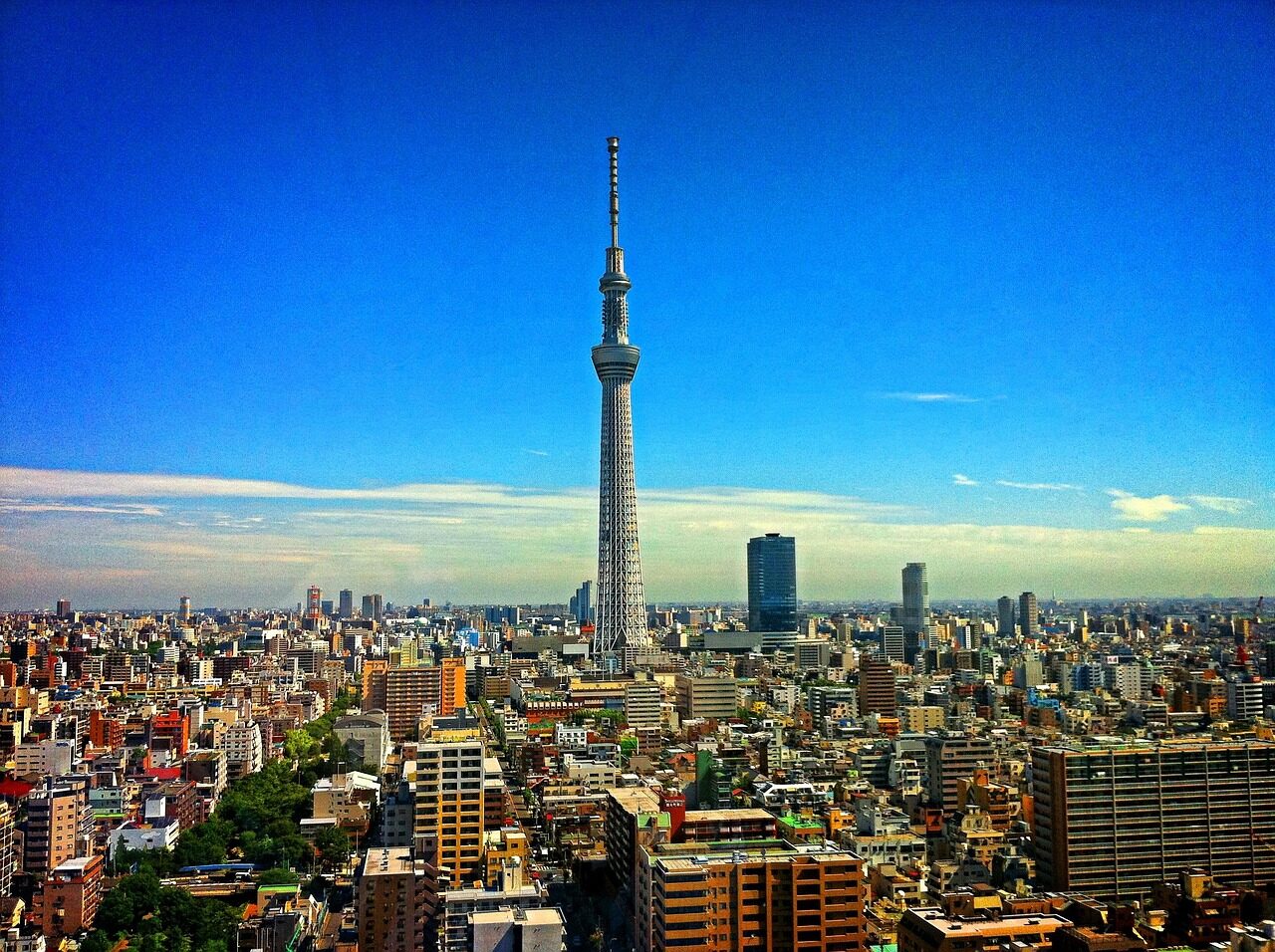
While we're at it, Takayama adds a different rhythm entirely. This is the sort of place that makes Japan trips feel less city-to-city and more layered, because the mountain setting, preserved streets, and local food culture shift the mood completely. From there, Hakone brings in the onsen side of the trip, which is where many travellers finally get that slow exhale they have been waiting for. Then Tokyo closes the loop with scale, pace, and modern contrast. It certainly does. That mix is a huge reason these itineraries stay attractive.
What this route gives Portuguese-speaking travellers
The appeal is not just the destinations themselves, but the sequencing. Big city first, then a quieter historical stop, then an overnight in a ryokan, then mountain scenery, then an onsen break, then Tokyo's sheer size and movement. That's why the route feels complete without being rushed.
For Japanese learners, this kind of trip is also quietly useful. You hear practical words in context, not as flashcards. Things like ryokan, onsen, 新幹線 (shinkansen, bullet train), お土産 (omiyage, souvenir), and いらっしゃいませ (irasshaimase, welcome) stop being abstract vocabulary and start becoming part of the travel rhythm. And when a guide can explain the cultural side in Portuguese, you get to focus on listening for the Japanese words that are actually used around you. That is often where learning gets sticky, in the best way. From my experience, that's where it starts to click.


Ryokan nights and onsen time are doing a lot of work
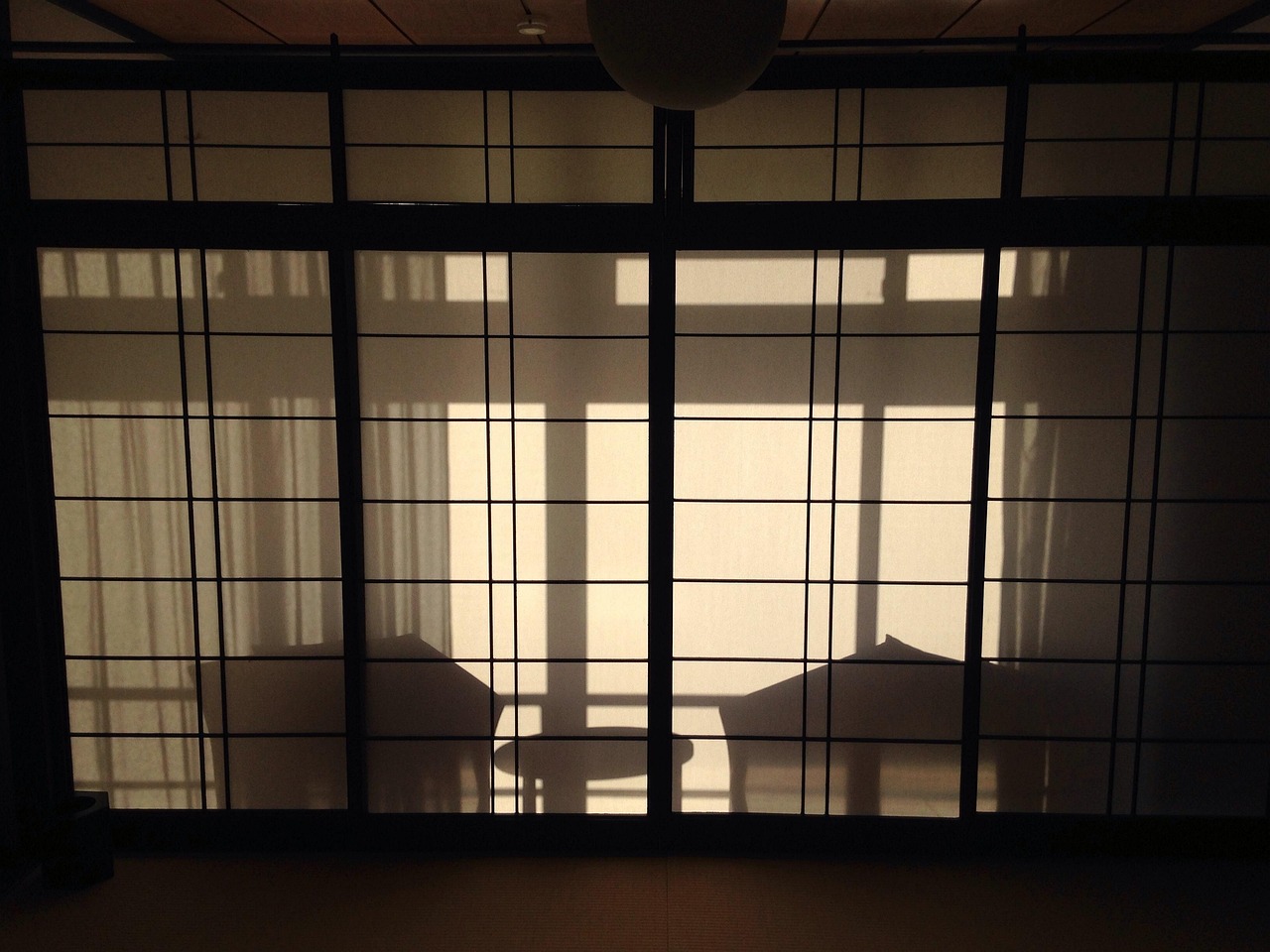
Before I forget, the ryokan and onsen elements are not just decorative extras. They are one of the reasons Japan group tours feel memorable, because they give the itinerary an emotional pause. A ryokan stay changes the pace immediately. Shoes off, 畳 (tatami, tatami mat) underfoot, a more deliberate meal, quieter corridors, and that feeling that the day has shifted from sightseeing into something slower and more settled.
Onsen experiences do something similar, although they are a little more culture-heavy for newcomers. There are rules, there is etiquette, and there is always a bit of learning involved, which is exactly why they work so well in guided travel. You are not just being dropped somewhere and told to figure it out. You can ask questions, watch how others do it, and absorb the details without feeling rushed. Personally, I think that is where a guided Japan trip earns its keep.
And beyond that, these stops help the itinerary avoid the trap of becoming all transit and no feeling. Japan trips can sometimes get packed too tight, especially when travellers are trying to see everything at once. A ryokan night in a place like Hakone, or a mountain-town stay in Takayama, gives the whole journey a little breathing room. Not bad, right?
Why this matters beyond one tour operator
Quick detour: the growth of Portuguese-guided Japan travel also fits a wider pattern in how Japan is being explored. The country is still pulling huge interest from international visitors, but the smartest itineraries are no longer just Tokyo, Kyoto, and a sprint back to the airport. More operators are working with routes that spread visitors out, include lesser-known stops, and make room for region-by-region travel rather than one fast loop through the same famous places.
That shift is good news for travellers and for Japan itself. Travellers get a trip that feels more human and less compressed, and regions outside the biggest urban centres get more attention. For readers here at jpnerd.com, there is also a language angle worth noticing: guided travel can be one of the easiest ways to connect everyday Japanese vocabulary with real places, real signs, and real habits. You start hearing how context shapes meaning, and suddenly the textbook words feel less stiff.
So yes, 140 departures is a strong number, but the deeper story is that this style of Japan travel is matching what a lot of Portuguese-speaking travellers want right now: clarity, comfort, cultural texture, and a route that still leaves room for wonder. Convinced yet?
Frequently Asked Questions
How many departures are planned for 2026?
The report says 140 departures are planned for 2026.
Which cities and areas are included on the route?
The itinerary includes Osaka, Nara, Kyoto, Takayama, Hakone, and Tokyo.
Why is this tour appealing to Japan fans?
It combines major cities with ryokan stays and onsen experiences, so travellers get both convenience and cultural depth.