That’s the shape of this guide. I’ll keep it grounded, with the main access route, the sleep-over reality, and the sights that matter most, because Ginzan Onsen isn’t the sort of place you want to approach carelessly. Minimise your load. Wear the lightest shoes possible. Then let the town do the rest.
Ginzan Onsen in Yamagata: why this place matters
Ginzan Onsen sits in Yamagata Prefecture, and that already tells you a lot, because this is northern Japan, where winters can be serious and the light feels cleaner for it. The town is known for its wooden ryokan lining a river, a compact hot spring district where the buildings face one another across water and footbridges, and where evening lanterns do most of the work once the daylight goes soft.
What most people don't know is that the appeal here isn't variety, it's concentration. You come for a tight cluster of streets, bathhouses, old-style inns, and that distinctive river valley texture, and you leave having understood a small place very well. Compared with back home, where historic districts are often spread thin and trimmed for convenience, Ginzan Onsen keeps its edges. That's the point.
The atmosphere is also why the town shows up so often in Japan travel writing, including the Japan National Tourism Organization's listing of Ginzan Onsen as one of the places to notice in regional travel planning, alongside other onsen destinations like Beppu and Yufuin on Japan Travel. It’s a name that carries weight for good reason. Classic Japan, isn’t it?
How to get to Ginzan Onsen
The usual route is simple enough once you break it down: go to Oishida Station in Yamagata, then take a bus for about 35 minutes to Ginzan Onsen, as noted in the source material from Fun Japan and echoed by Ichiban Japan. That last stretch matters. The town isn’t plugged directly into a big rail hub, so the approach has a slightly detached feel, which suits the destination better than convenience ever could.
For example, if you're coming from Sendai or Tokyo, you should think in stages, not in one clean line. Reach the wider Yamagata area, then transfer to local transport, then accept the bus ride as the threshold between ordinary travel and the quieter rhythm of the onsen town. The reason is simple: places like this work because they aren't accidentally on the way to somewhere else.
By the way, if you're carrying a Japanese study notebook, this is a decent place to practise practical travel vocabulary. Oishida, バス (basu, bus), ryokan, onsen, 観光 (kankou, sightseeing), 道 (michi, road; path). Those words stop being classroom items when you need them for a ticket counter or a signboard in the cold. That’s the kind of language that sticks.
Where to stay: riverside ryokan and the logic of an overnight
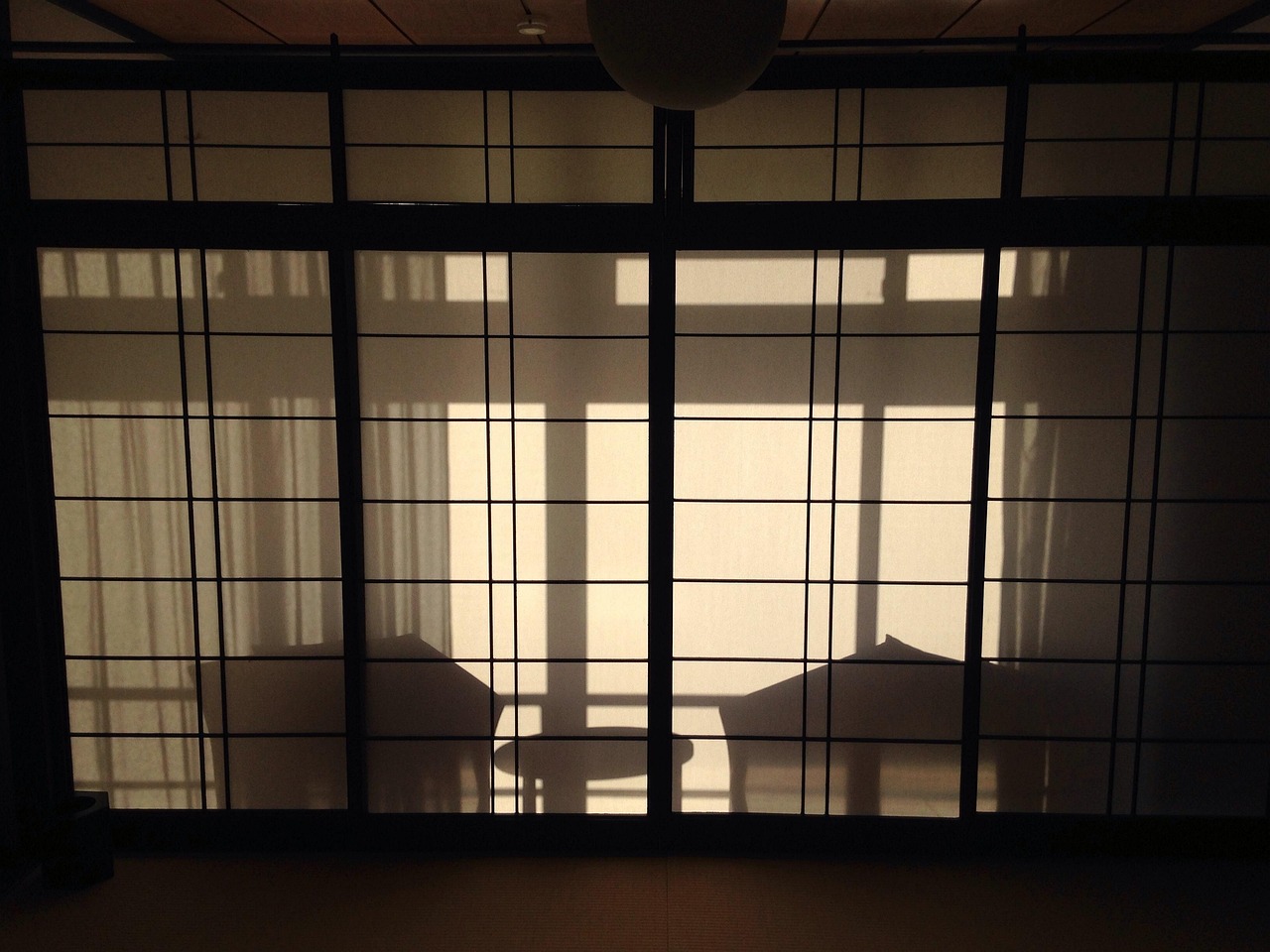
Let me show you why an overnight stay is the right call here. Ginzan Onsen is built around ryokan, and the most desirable ones are the riverside properties, where rooms look out over the water and the town's lantern-lit core. If you stay here, you get the place before the day-trippers arrive and after they leave, which is when the texture changes completely.


Take river-facing ryokan, for instance: the appeal isn't luxury for its own sake, but proximity. You wake up to the sound of water, you cross the little bridge with your own towel tucked under your arm, and the whole town becomes a walking circuit rather than a photo stop. My tip is to book early, especially for winter dates and weekends, because the compact size of the district means the best rooms go first, and there are only so many of them to go around.
The source material notes that overnight stays at hot spring inns in this wider category can begin around 10,000 yen including dinner, while day entry at some onsen elsewhere in Japan may start around 600 yen. Those numbers are useful as a rough frame, even if Ginzan Onsen itself is the sort of place where room categories, meal plans, and seasonality will shift the final price. Let’s be honest: you’re not paying for bed linen alone. You’re paying for location, dinner, bathing access, and the privilege of hearing the river at night.
What I especially like is that a good ryokan stay here forces a slower body. You take your shoes off earlier. You carry less. You stop checking the clock every few minutes, which is rarer than it should be. More soon.
What to see once you arrive
The riverfront streets are the main event, and you should give them time rather than trying to tick them off. Walk the narrow lanes, cross the bridges, look at the facades from both sides of the water, then do it again after dark. The town is small, but not trivial. In winter, with snow on the roofs and lamps glowing against the dark timber, the whole place takes on a deep, lumpy stillness that photographs never quite catch.
Bathing, wandering, and small details
Start with the open-air impression of the town itself, then move into the practical pleasures: a bath, a meal, a slow loop through the central district. If you're the sort who likes Japanese language study through real-world labels, this is where words like 湯 (yu, hot water; bath), 舞台 (butai, stage), and 町 (machi, town) start feeling tied to actual surfaces rather than flashcards. That matters more than people admit.
On a related note, the best sightseeing here isn't grand. It’s attentive. A doorway, a steam plume, a bridge rail, the pattern of a narrow street after snowfall. Know that feeling when you realise a place is asking you to lower your voice, even internally? Ginzan Onsen does that. See what I mean?
Insider tip: if you only have a few hours, arrive with no agenda beyond the river walk and one bath. That’s enough to understand the town's shape, and probably enough to make you want a return visit in a different season. Rain, snow, early evening, late morning. Each one changes the texture of place.
Frequently Asked Questions
Where is Ginzan Onsen?
Ginzan Onsen is in Yamagata Prefecture in northern Japan, in a small hot spring valley known for its wooden ryokan and river setting.
How do I get to Ginzan Onsen?
The common route is to travel to Oishida Station and then take a bus for about 35 minutes to Ginzan Onsen.
Is it better to stay overnight?
Yes. An overnight stay gives you the quiet evening atmosphere, easier access to bathing, and a much better sense of the town's character.