
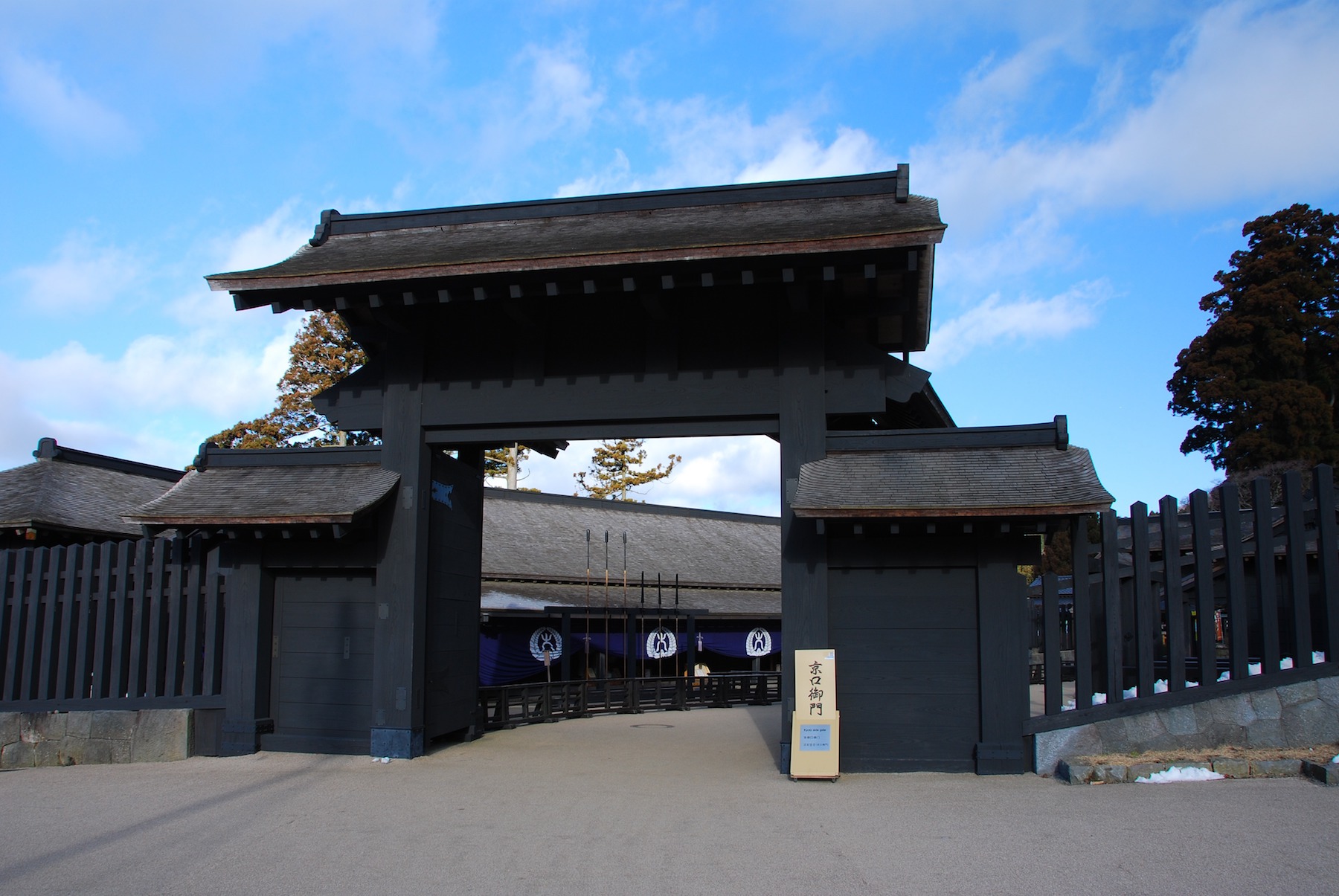
Here’s the thing: this wasn’t just a pretty day trip. It was one of those places where transport, weather, and scenery all shape the experience, and that makes Hakone especially interesting for Japan fans and language learners alike.



Hakone as the Next Stop on a Japan Trip
Let me show you why Hakone keeps showing up in Japan travel plans. It sits in Kanagawa Prefecture, about 80 to 100 kilometres south-west of Tokyo, and it’s one of the easiest mountain escapes from the capital. On a clear day, you get views of Mt. Fuji, Lake Ashi, and deep green slopes, all in one trip.
That combination is hard to beat. For visitors who want a slower pace after Tokyo, Hakone feels like a reset button, and that was exactly the mood in this vlog-style second chapter. See what I mean?
Why Hakone Works So Well in a Vlog
By the way, Hakone is also great visually, which is why travel vloggers love it. You get station platforms, cable cars, ropeways, lake cruises, and little roadside stops that all look different on camera. Even the mist can make the whole place feel cinematic.
To be fair, Hakone isn’t just about pretty shots. It also shows how a Japan trip changes once you leave the city and start using regional transport in the mountains. That brings us to the practical side, and that’s where things get interesting. Convinced yet?
Getting to Hakone from Tokyo and Beyond
Here's the kicker: the ride to Hakone is part of the experience. From Tokyo, the most famous route is the Odakyu Romancecar from Shinjuku to Hakone-Yumoto, which takes about 85 to 90 minutes on the fastest services. If you prefer flexibility, regular Odakyu trains are cheaper, though slower.
From Odawara, you can also switch to the Hakone Tozan Railway, a mountain line that climbs through switchbacks and steep gradients. It’s one of those small Japan transport details that feels exciting even if you’re not a train nerd, and yes, the scenery gets better as you go uphill. No joke:
My tip: use a regional pass
My tip: if you plan to ride the ropeway, cruise Lake Ashi, and hop between viewpoints, look at the Hakone Freepass. Odakyu has offered versions of it for years, and it usually covers round-trip travel from Shinjuku plus local transport in the Hakone area. The value depends on your route, but for a full day or two, it often pays off quickly.
Japanese learners will also notice station signs and route names everywhere, so this is a good place to practise reading travel words like 駅 (eki, station), バス (basu, bus), and ロープウェイ (ropuwei, ropeway). Sounds simple, but it helps a lot once you’re moving between transfers. See what I mean?
Best Viewpoints in Hakone for First-Time Visitors
Imagine a narrow alley in Tokyo. Now replace it with open mountain air, a lake, and the possibility of seeing Fuji in the distance. That’s the Hakone feeling, and the best viewpoints make the whole area worth the trip even if you only stay one night.



Lake Ashi and the pirate ship cruises
Lake Ashi, or Ashinoko, is the classic postcard spot. The sightseeing boats, often styled like pirate ships, run between places like Motohakone and Togendai, and the ride gives you wide water views with forested hills behind them. If the sky clears, Fuji appears in the distance, and that’s the shot everyone hopes for.
What I especially like is that the lake area doesn’t feel rushed. You can walk along the shore, visit small shrines, and still have time for coffee or a snack before the next transfer. Personally...
Owakudani and the sulphur valley
That reminds me: Owakudani is one of Hakone’s most memorable stops. This volcanic valley was formed by an eruption of Mount Hakone roughly 3,000 years ago, and you can still smell the sulphur around the vents. The ropeway ride there is half the fun, because the landscape changes fast.
Insider tip: try the black eggs, called 黒たまご (kuro-tamago), boiled in the hot spring water. Locals say one egg adds seven years to your life, and while that’s more legend than science, it’s still a very Hakone thing to do. See what I mean?
Hakone Shrine and quiet forest paths
On a related note, Hakone Shrine near Motohakone is the best place for a slower, more spiritual stop. The red 鳥居 (torii, shrine gate) gate by the lake is famous, but the walk through the cedar forest is just as nice. It’s the kind of place where the noise drops away, and you start hearing footsteps and wind instead.
If you like shrines, this is where the atmosphere really lands. Many travellers combine it with a lake cruise, and that makes the day feel balanced, not just scenic but calm too. Convinced yet?
Personal Impressions from a Hakone Travel Vlog
No joke: Hakone changes a lot with the weather. A sunny day gives you Fuji views, blue water, and long sightlines. A cloudy day gives you mist, softer colours, and a quieter mood. I’ve come to think both versions work, just in different ways.
The transport network is part of the charm, but it can also be tiring if you try to cram in too much. That’s why I’d rather spend one night in a ryokan than rush the whole area in a single afternoon. You get better pacing, better food, and a proper onsen soak at the end of the day.
What I especially like is how Hakone mixes easy access with a real sense of escape. You’re not far from Tokyo, but the mood changes fast, and that contrast makes the area memorable. Personally...
Frequently Asked Questions
Is Hakone good for a first Japan trip?
Yes. It’s close to Tokyo, easy to reach, and offers scenery, hot springs, and classic sightseeing in one area.
How long should I stay in Hakone?
One day is possible, but one night is better if you want to enjoy the views and travel at a relaxed pace.
What should I not miss in Hakone?
Lake Ashi, Owakudani, and Hakone Shrine are the most memorable stops for first-time visitors.


