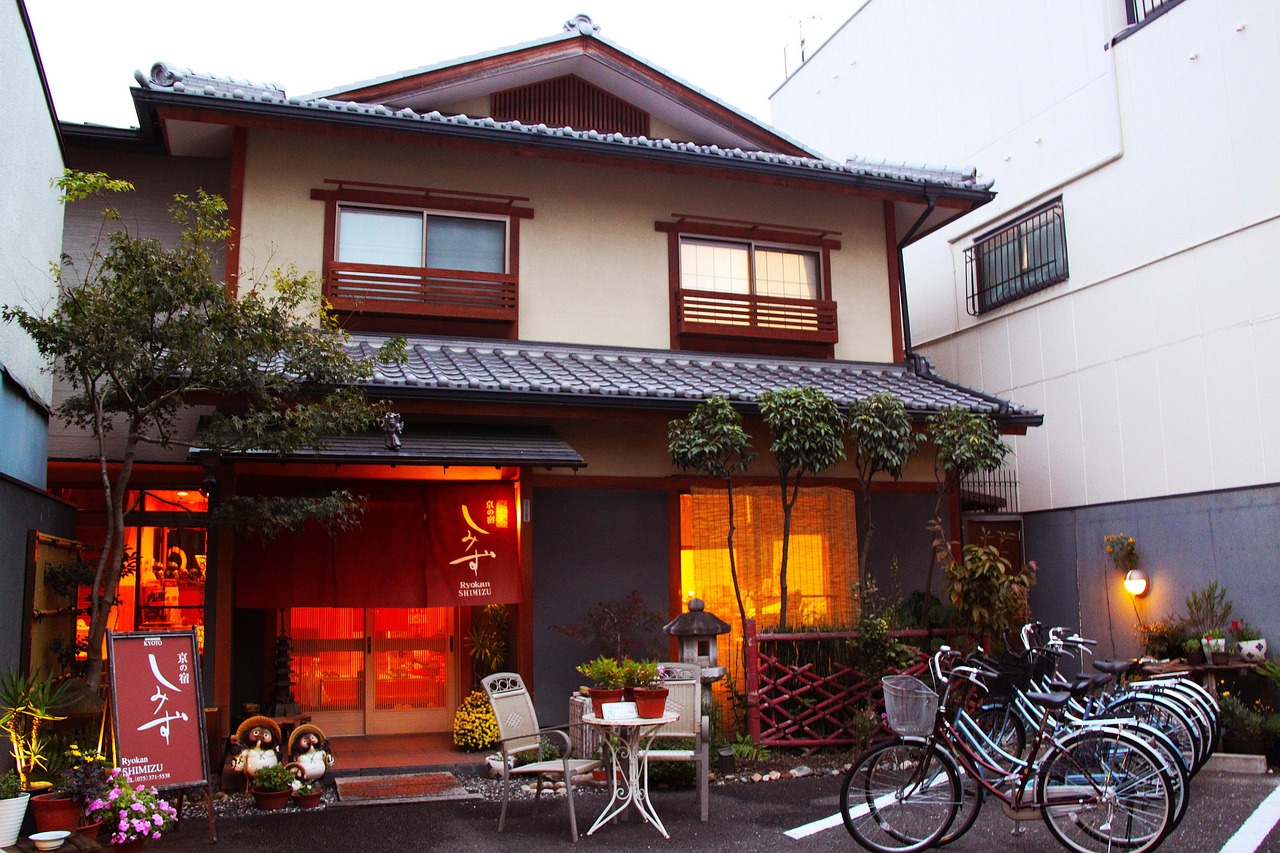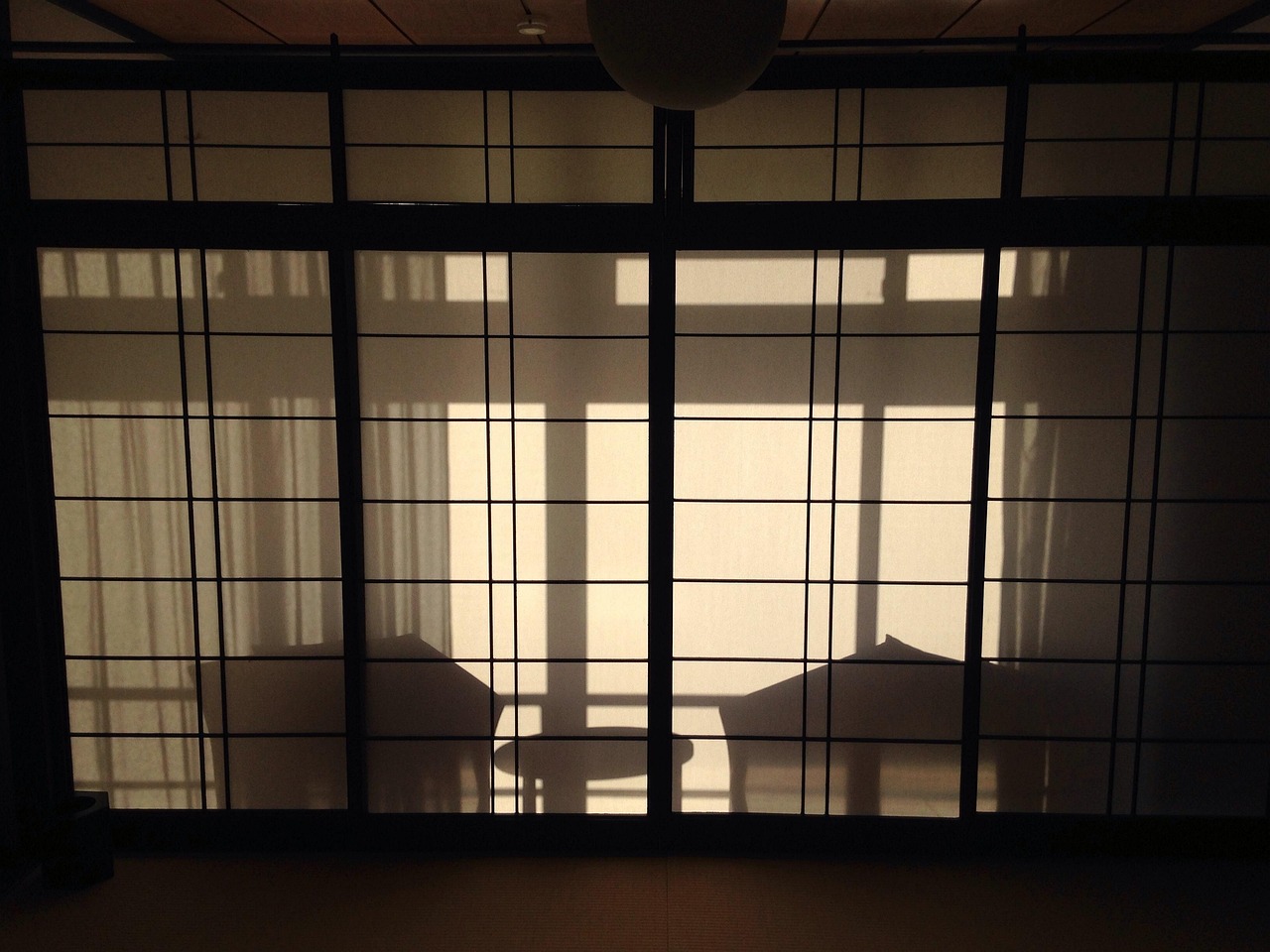
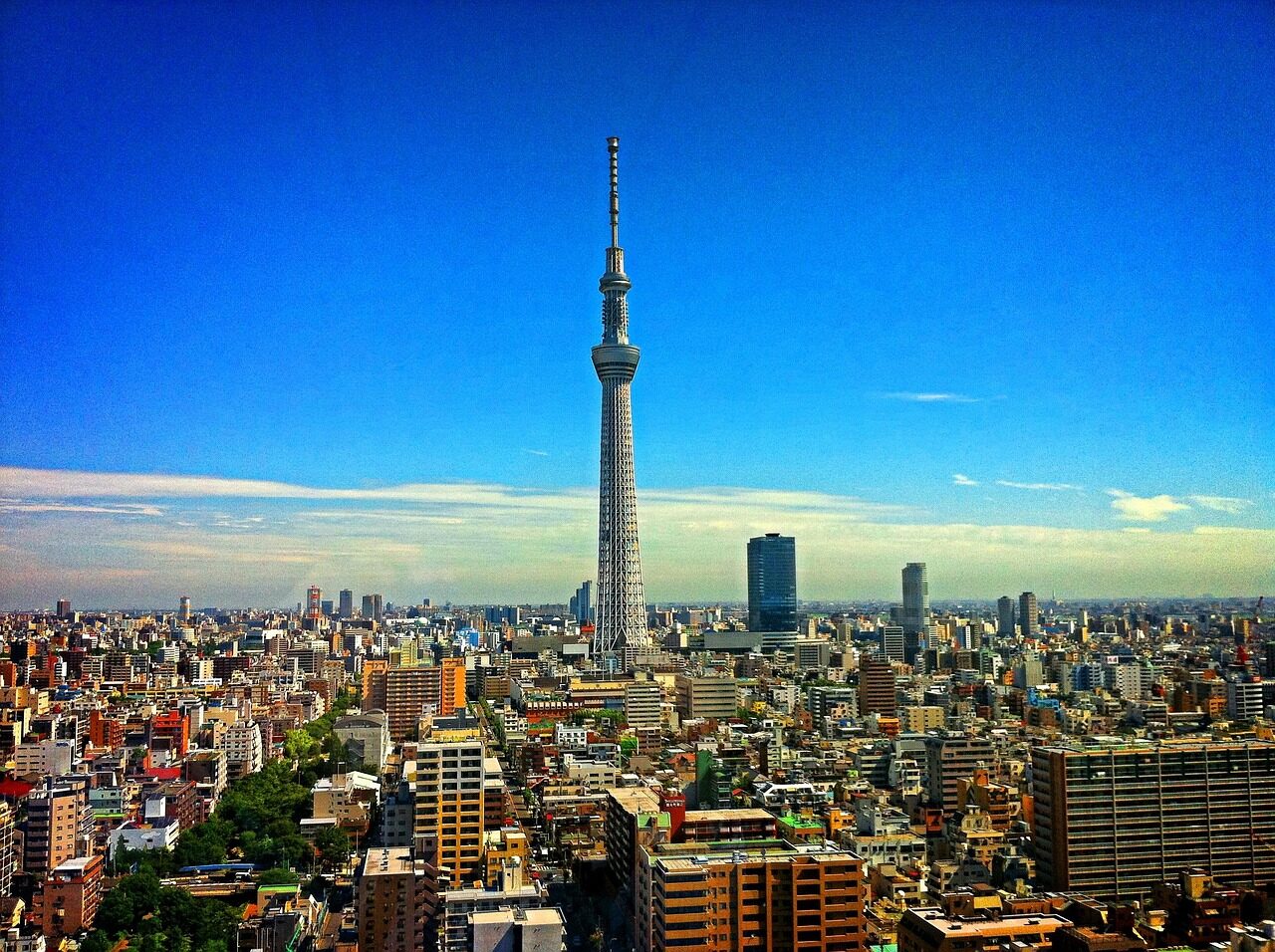
What many overlook is that this route isn’t just about ticking off famous sights; it’s also about how smoothly you can connect them. For Japan fans and Japanese learners, that means extra chances to spot travel vocabulary like 駅 (eki, station), 新幹線 (shinkansen, bullet train) and ryokan-style hospitality in real context. Sounds good, right?
Prince Moments along the Golden Route
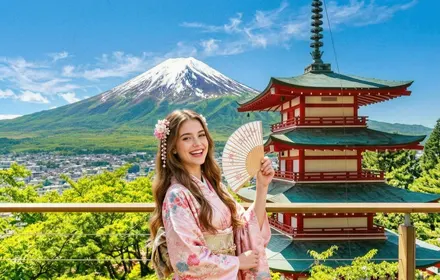
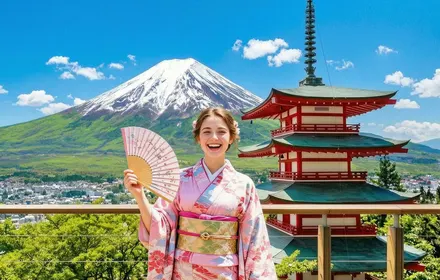
Prince Moments along the Golden Route are built around a familiar Japan travel pattern: Tokyo, Hakone, Nagoya, Kyoto and Osaka. According to japan-guide.com, Seibu Prince Hotels and Resorts is using that route to highlight hotels that fit smooth, city-to-city travel rather than forcing you to unpack and repack every night.
That matters more than it sounds. The Golden Route already connects some of Japan’s strongest sightseeing areas, and the hotel chain’s properties are placed to support that rhythm. You get the big-city energy of Tokyo, the hot-spring mood of Hakone, the food and history of Kyoto and Osaka, and the practical transit links in between. Wild, isn’t it?
For learners of Japanese, this is also a nice travel-language moment. These are the places where words like shinkansen (bullet train), eki (station), onsen (hot spring) and ryokan often come up in brochures, signs and concierge advice. If you read enough hotel and transport pages, those terms stop feeling abstract fast. See what I mean?
Why this route works so well
Guess what? The Golden Route is popular because it keeps the logistics simple. Tokyo gives you the international arrival point, Hakone gives you a slower pace and scenery, Kyoto gives you temples and old capital atmosphere, and Osaka adds food, nightlife and another major rail hub. Nagoya often becomes the practical connector in the middle.
Take Tokyo and Kyoto, for instance. They are the two names many first-time visitors already know, but the trip gets much better when you stop thinking of them as isolated stops. With a route-based stay plan, hotel choice becomes part of the itinerary, not just a place to sleep. That’s where a brand like Seibu Prince can make a difference, especially if you want easy access to transport and familiar service standards.
And it gets better: route travel also helps if you’re learning Japanese by immersion. Check-in, breakfast, station signs, luggage delivery services and local maps all become low-pressure reading practice. You won’t be translating every sentence, but you’ll keep seeing the same useful words again and again. Highly recommended: carry a small notes app and save the terms you notice most. Sounds good, right?

What kind of traveler gets the most out of it
Let's be honest: not every Japan trip needs a themed hotel plan. But if you’re doing the classic first-timer circuit, or returning to Japan and want fewer transfers, this approach makes sense. It suits travellers who want one reservation style across several cities, and who value predictable comfort after long train days.
My tip is to use the Golden Route for a balanced pace, not a rushed checklist. A day in Tokyo, a night or two in Hakone, several days in Kyoto, then Osaka for food and evening walks, is already a strong structure. If you want to add language learning, you can turn each stop into a vocabulary theme: city names, food words, transport words and polite phrases for hotels. Basically, the trip becomes both sightseeing and light study.
What many overlook is how much easier this is for families, couples and solo travellers alike. Families get fewer moving parts. Couples get a more polished trip. Solo travellers get a cleaner rail-and-hotel routine, which can save energy for the actual exploring. Convinced yet?
Why Japan fans should pay attention
By the way, there’s a cultural side to all of this that Japan fans tend to love. A route like this mirrors how many people actually experience Japan for the first time, not through one dramatic destination, but through a chain of places with different moods. Tokyo feels fast, Hakone feels restorative, Kyoto feels layered, Osaka feels lively. That contrast is part of the charm.
For learners, that contrast is useful too. It teaches context. A word like 町 (machi, town) can feel different in a quiet spa town than it does in central Osaka. A phrase used at a hotel front desk may sound more formal than one you hear at a ramen shop. That kind of real-world variation is one reason travel in Japan doubles as language practice. Simply brilliant.
Frequently Asked Questions
What is the Golden Route in Japan?
It is the classic travel path linking major stops such as Tokyo, Hakone, Kyoto, Osaka and often Nagoya.
Why would Japan learners care about hotel routes?
Because hotels, stations and transport pages expose you to practical vocabulary you will see everywhere while travelling.
Is this route better for first-time visitors?
Yes, especially if you want a straightforward itinerary with easy rail connections and well-known sightseeing stops.