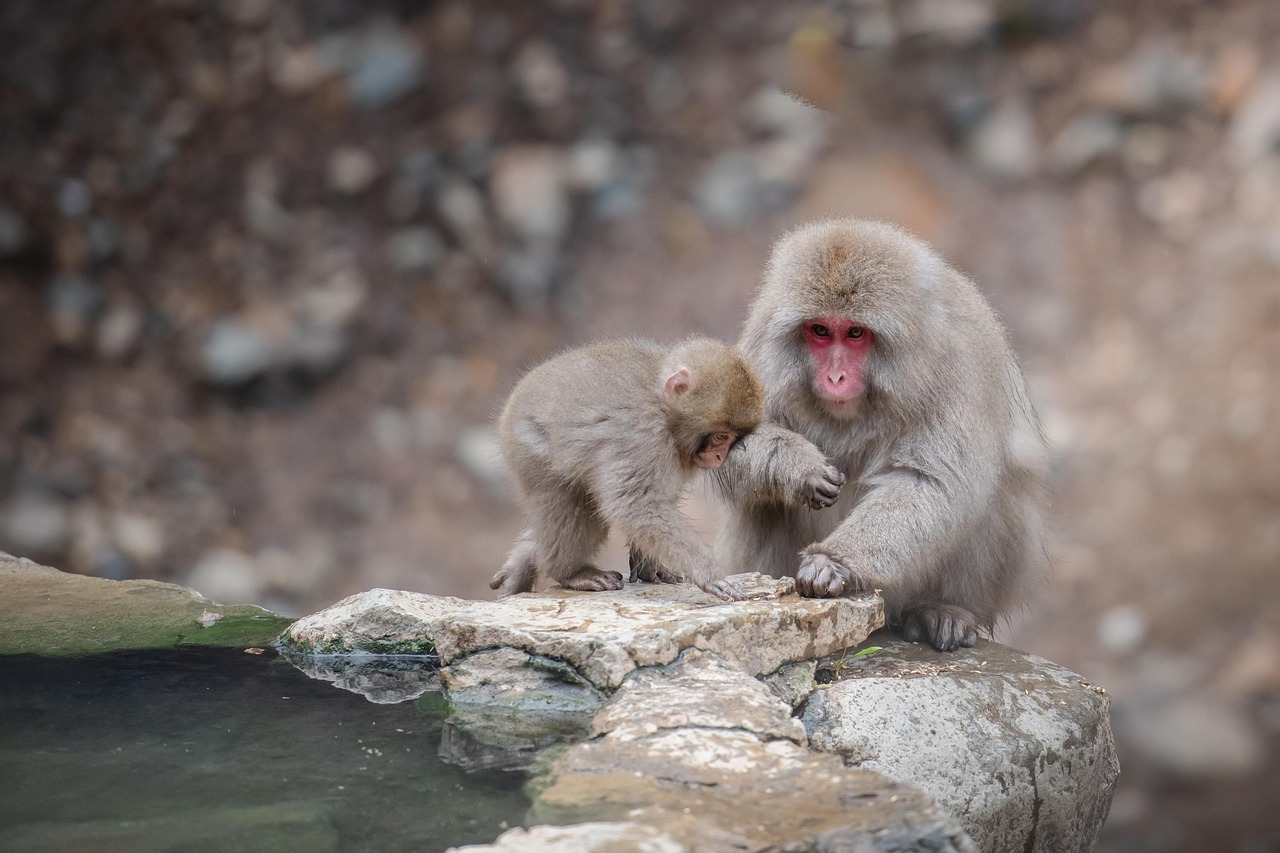
Why skip the usual Hakone circuit
Did you know that the classic 箱根 (Hakone, Hakone) loop of cable car, pirate ship and 大涌谷 (Owakudani, Great Boiling Valley) viewpoint can be crowded all year? Trust me on this one: heading slightly off-route gives you calmer thermal baths, better views and more authentic ryokan stays.



Fact: Hakone is in 神奈川 (Kanagawa, Kanagawa Prefecture) prefecture and sits on the eastern edge of the 富士 (Fuji, Mount Fuji)-Hakone-伊豆 (Izu, Izu region) National Park, created in 1936. While we're at it, the area was shaped by repeated eruptions of Mount Hakone over the last 300,000 years, which is why you see so many hot springs.
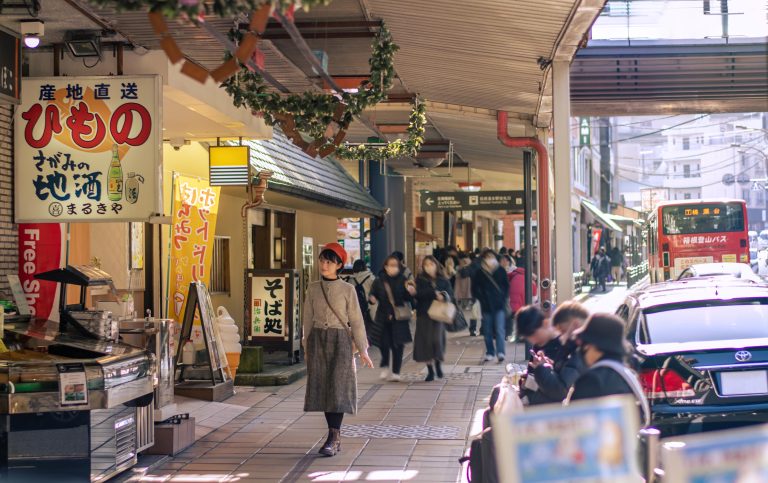
Quiet onsen and ryokan picks
Question: Where do locals go when they want peace and a real soak? My short list includes small ryokan near 箱根湯本 (Hakone Yumoto, Hakone-Yumoto) that take under 15 guests, and family-run baths along the old 東海道 (Tokaido, Tōkaidō road) route.
Small onsen that feel private
Here's the thing: if you book a private onsen, you'll avoid the morning and afternoon crowds entirely. Pro tip: aim for a weekday stay and reserve a kashikiri onsen room in advance. Many ryokan offer 50 to 90 minute private slots for an extra fee.
Anecdote: The first time I went to Japan, I picked a tiny ryokan with a wood-fired bath and no English website. I almost cancelled. Hand on heart, that turned out to be my favourite soak of the trip.
Hidden spots and lesser-known routes
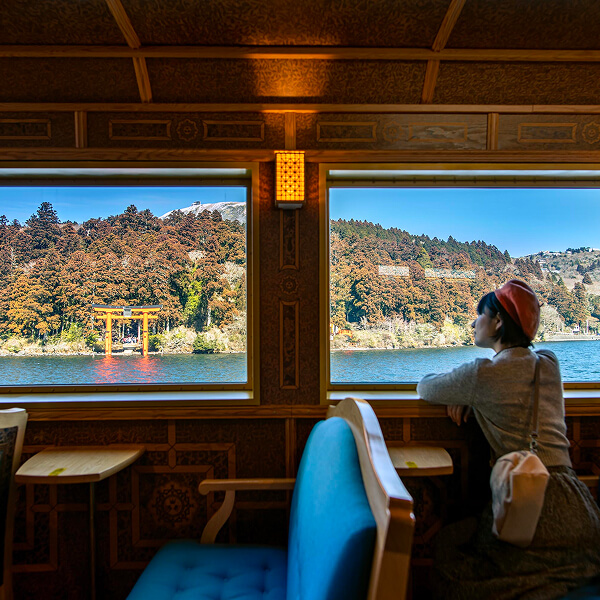
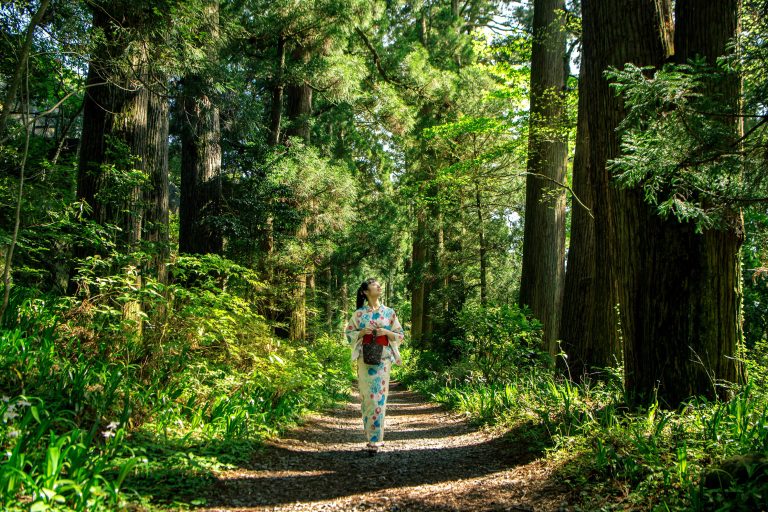
Direct address: If you want silence, try the old hiking trails east of Lake Ashi, away from the Hakone Shrine pier. The paths wind through cedar and provide unexpected views of volcanic peaks without tour buses in sight.
Fact: Owakudani is famous for its sulfur vents and black eggs boiled in hot springs, but access has been restricted intermittently since 2015 due to volcanic activity. And it gets better: nearby valleys like Sengokuhara offer pampas grass fields and sculpture parks with far fewer people.
Specific hidden gems
Question: Which exact spots are worth a detour? Visit the less-visited Hakone Botanical Garden of Wetlands, open since 1958, or the small Hakone Sekisho checkpoint reconstruction along the old highway for Edo-era atmosphere.



Did you know that...? The Hakone Open-Air Museum opened in 1969 and mixes art with landscape on a large scale, but early-morning tickets let you enjoy the sculptures almost alone. Wait, there's more.
Volcanic landscapes, safety and timing
Anecdote: I once planned an Owakudani visit only to find the ropeway closed, so I pivoted to the volcanic ridge trails and discovered steaming vents that only locals seemed to mention. Not bad, right?
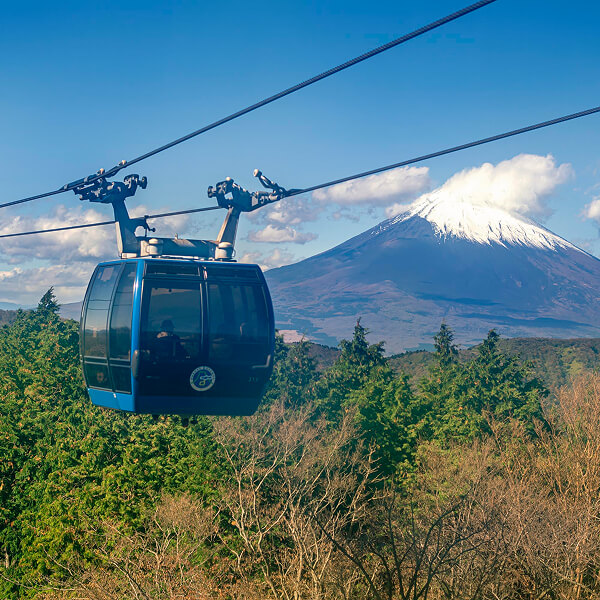
Fact: The Hakone Ropeway links Sounzan and Togendai and can close due to wind or volcanic alerts, so check the Hakone Ropeway updates before you go. The reason is simple: safety rules close sections when sulfur gas rises above safe levels.
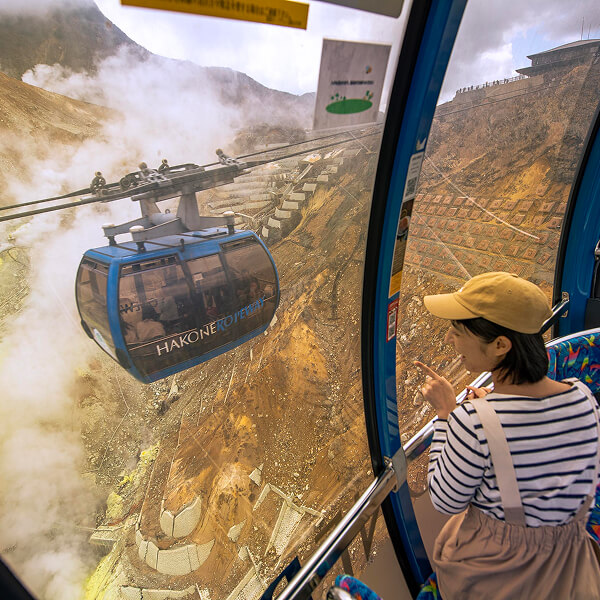
Direct address: If you care about photography, sunrise at the eastern shore of Lake Ashi gives a view of Mt Fuji framed by morning mist. To be fair, Mt Fuji is only visible on clear days, so allow extra time for good weather windows.
Practical travel info and language tips
Question: How do you get there without the crowds? Take the Odakyu Romancecar from Shinjuku to Odawara; it takes about 85 minutes on express services, then local trains or buses into Hakone. Pro tip: pick a 2-day or 3-day Hakone Freepass from Odakyu for unlimited local travel and savings on most sights.
Here's a language angle for learners: when you ask for a private bath, say in romaji "kashikiri onsen" or "kashikiri buro" at the ryokan. Staff usually understand and will confirm availability. What I especially like is that using simple romaji phrases breaks the ice, and most small ryokan welcome language attempts warmly.
Trust me on this one: plan for at least one evening in a small ryokan, enjoy seasonal kaiseki and take slow walks after dinner to feel the place, not just check boxes.
In pictures
Frequently Asked Questions
Is Hakone safe given the volcanoes?
Short answer: Yes, local authorities monitor volcanic activity closely and close risky areas when needed. Check official advisories before departure.
Can I visit onsen if I have tattoos?
Short answer: Policies vary. Many small ryokan allow private onsen use, but public baths may refuse visible tattoos. Ask in advance.