
That sounds like tiny copywriting trivia, but it’s actually a neat window into how Japanese travel marketing works. If you’re learning Japanese, this is also a great way to pick up words like 宿 (yado, inn; lodging), onsen, and 懐石 (kaiseki, traditional multi-course meal) in a real business context.
Why Shizuoka ryokan plan names matter so much
Shizuoka is one of those prefectures that quietly does a lot of heavy lifting in Japanese travel. It has Mount Fuji views, tea culture, hot springs, and coastal resorts, and that mix gives ryokan operators plenty of ways to sell a stay. The latest benchmark from HotelBank, based on 409 ryokan plans in Shizuoka, shows that the name of a plan is not just decoration. It can change how well the offer performs.
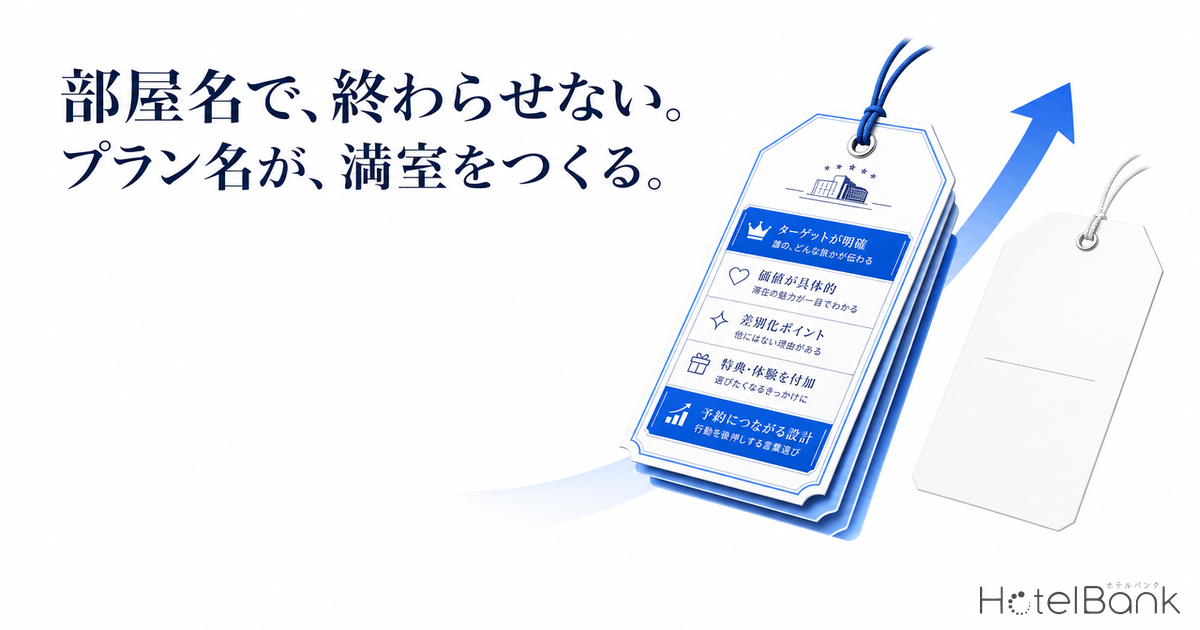
Here’s the thing: when travellers scan a booking page, they’re not reading every line. They’re skimming for clues. If a plan name clearly signals 露天風呂 (rotenburo, open-air bath), kaiseki, or a specific view, it gives the guest a reason to stop scrolling. Compared with back home, where hotel deals often lean on generic phrases like “special offer” or “best rate”, Japanese plan names are usually more vivid. Classic Japan, isn't it?
To be fair, that doesn’t mean every poetic name works. The strongest names in the Shizuoka data tended to be specific, concrete, and easy to imagine. That matters in Izu and Atami, where guests are often booking for a mood as much as a bed. My tip: if a traveller can picture the bath, the meal, or the ocean from the name alone, the plan has already done half the selling.
What many overlook is that the Japanese word choice itself can feel like a promise. A term like onsen suggests relaxation, 友禅 (yuzen, Yuzen dyeing) is not the same as kaiseki, and a name that includes a location like Atami or Izu instantly narrows the offer. For learners, this is useful vocabulary with business value, because these words show up everywhere in travel copy. Wait, there's more.
Izu and Atami: the strongest signals in plan naming
Why do Izu and Atami keep popping up in stronger ryokan plans? No wonder, because these areas are already loaded with travel meaning. Atami is famous for easy access from Tokyo, seaside views, and long-running hot spring culture. Izu brings a slightly different mood, with rugged coastlines, nature, and a broader resort feel. Put those names into a plan title, and you’re not just naming a place, you’re selling a mental image.
Here's the kicker: location words do more than help search. They can also reduce uncertainty. A guest looking for a weekend escape may see “Atami” and immediately think train-friendly, romantic, and simple. Someone browsing “Izu” may expect a more spacious, scenic stay. In hotel marketing terms, that’s a huge advantage, because the name starts doing segmentation before the guest even opens the description.
Top quartile vs bottom quartile
The HotelBank analysis used a top-quartile versus bottom-quartile comparison, and that’s where the real insight appears. In plain English, the top quartile is the stronger-performing group, while the bottom quartile is the weaker one. The difference was not just about price. It was about the language used in the plan name, the kind of promise it made, and how quickly it communicated value.



Guess what? The stronger plans were more likely to bundle clear benefits, while weaker ones often felt vague or flat. A title like “one-night stay with dinner and private bath” gives far more traction than a soft, dreamy label that never says what the guest is getting. Japanese readers are used to compact information, and hotel plan names follow that logic closely. Short. Clear. Direct. Simply brilliant.
What I especially like is how this shows the Japanese habit of making value visible. In many countries, the deal lives in the fine print. In Japan, it often lives right in the plan name. That is very handy for learners too, because it gives you a live example of words like 付き (tsuki, with; included), 的 (teki, -like; -type), 食事 (shokuji, meal; dining), and 室内 (shitsunai, indoors; inside a room) in commercial settings, even if you’re not memorising hotel vocabulary on purpose. My verdict:
What 409 ryokan plans teach Japan fans
Here’s the deal: the Shizuoka sample of 409 ryokan plans is large enough to feel credible, but still focused enough to reveal practical patterns. You can see how much Japanese hospitality leans on detail. A plan name can highlight seasonal ingredients, room type, bath style, or a view of the sea, and each of those cues helps a guest imagine the stay before booking.
Pro tip: if you’re learning Japanese, study hotel plan names like mini reading exercises. You’ll pick up useful patterns fast. For example, ryokan is the inn itself, while plan names often describe what is included, such as dinner, breakfast, a private bath, or a stay with a view. You’ll also notice how often Shizuoka travel copy uses Izu and Atami as shorthand for atmosphere, not just geography. From my experience, that kind of language is one of the easiest ways to understand how Japanese tourism actually sells emotion.
Compared with back home, Japanese listings tend to do a better job of turning practical details into a story. That doesn’t mean the copy is always elegant. Sometimes it’s clunky. But the best-performing names in this Shizuoka set show a very Japanese strength, which is making the offer feel concrete without sounding overblown. Not bad, right?
Here’s the catch: if a plan name gets too cute, it can lose clarity. That’s probably why the stronger names in hotel marketing usually balance atmosphere with information. A guest wants to know, in one glance, whether the stay includes dinner, a room with a bath, or a specific scenic promise. In a crowded destination like Atami or Izu, that balance matters a lot. Classic Japan, isn't it?
Frequently Asked Questions
Why do ryokan plan names affect sales?
They help guests understand the offer quickly, build trust, and picture the stay before booking.
Why are Izu and Atami especially strong in marketing?
Both places already carry clear travel associations, so their names instantly add mood and context.
What can Japanese learners learn from hotel plan names?
They are a practical way to learn travel vocabulary, common sentence patterns, and how Japanese packaging language works.


