
Hakone already has the hot springs, lake views, and ryokan mood, but an Alila debut adds a fresh luxury angle. If you like following Japan travel news, this is one to keep on your radar, ありがとう (arigato, thank you).



Picture this: you’re riding into Hakone, the pace slows, and the air already feels different from Tokyo. Then you hear that Hyatt is planning the first Alila hotel in Japan, the Alila Sengokuhara Hakone, with opening targeted for 2028. Classic Japan, isn't it?
This is the kind of hotel announcement that gets Japan travellers talking, because it combines three things people love: a trusted global brand, a place with real character, and a sense of first-time arrival. For Japanese learners, this is also a nice chance to pick up travel words you’ll actually use, like onsen, ryokan, and 山 (yama, mountain) for mountain. Wait, there's more.
Hyatt brings Alila to Japan for the first time
Hyatt has confirmed that Alila Sengokuhara Hakone will be the brand’s debut property in Japan, and that makes the project stand out straight away. Alila is one of Hyatt’s luxury labels, known for calm design, destination-focused stays, and properties that usually lean hard into nature and local atmosphere.
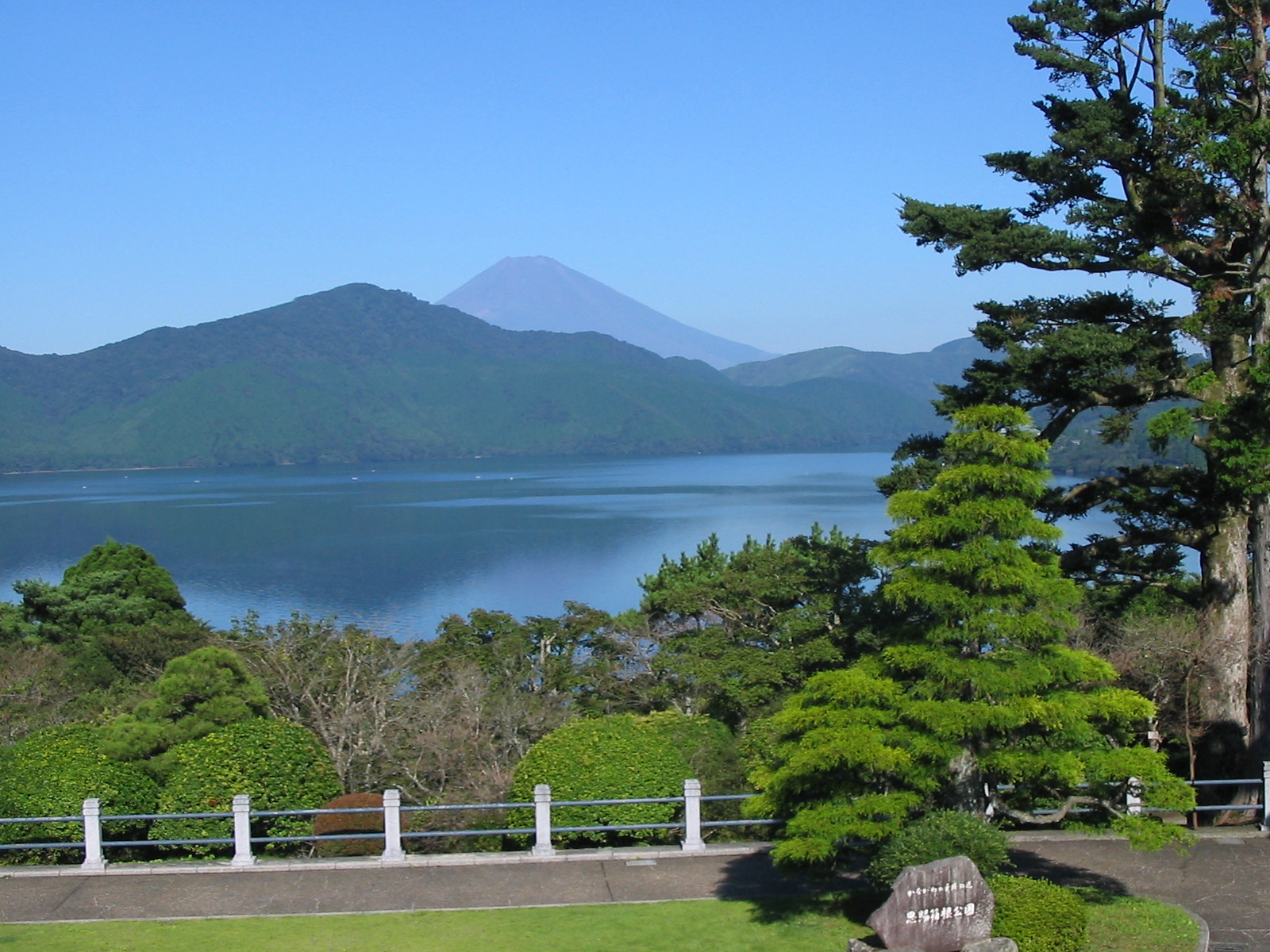
Take Hakone, for instance. It’s already one of Japan’s most recognisable escape spots, thanks to its onsen, the views toward Mount Fuji on clear days, and easy access from Tokyo. A new Alila there feels very on-brand, because Hakone isn’t about rushing, it’s about slowing down and enjoying the setting. See what I mean?
The opening is planned for 2028, so this isn’t a near-term weekend booking yet. But hotel announcements like this matter early, especially in Japan, where a new luxury opening can reshape how a destination is marketed for years. Basically: this is Hyatt planting a flag in one of the country’s strongest resort areas.
Why Sengokuhara Hakone is such a smart location
Sengokuhara sits in the north-western part of Hakone, and it has a quieter feel than some of the busier parts of the area. That matters. If you’ve ever tried to balance sightseeing with actual rest, you’ll know that Hakone can be either a day-trip sprint or a proper stay-over escape, depending on where you base yourself.
Unlike what we're used to... many city hotels in Japan, this one is likely being shaped around scenery first, not just room count or convenience. What many overlook: Hakone isn’t only popular with tourists, it’s also deeply tied to domestic travel culture. People go there for a reset, a seasonal view, a special dinner, and a bit of quiet. Sounds weird, but it's true.
That’s where Alila could fit very neatly. The brand usually leans into design, wellness, and a sense of place, which lines up well with Hakone’s long-standing image as a polished retreat. If you’re a Japan fan, that combination is basically catnip. My tip: if you’re learning Japanese, pay attention to how resort areas are described in travel brochures, because words like 観光 (kankou, sightseeing; tourism) and 安全 (anzen, safety) show up everywhere. From my experience...



What this means for luxury travel in Japan
Japan has no shortage of high-end stays, but brand-first openings still create buzz. That’s especially true when a label has never operated in the country before. The first property carries weight, because it sets expectations for future openings and tells travellers how the brand wants to read Japan.
Compared to back home, where hotel launches can feel routine, Japan openings often land with a stronger cultural angle. Guests don’t just want a room, they want atmosphere, food, seasonal detail, and a story they can tell later. Before I forget: this is also why hotel names in Japan get discussed so much on travel forums and in local news coverage.
If you want to follow the wider reaction, keep an eye on Japan travel communities like r/JapanTravel and r/TokyoTravel, where new hotel openings often turn into practical planning threads. People will usually ask about access, breakfast, room size, and whether the location works for a train-heavy itinerary. Let's be honest: those are the questions that actually matter.
Why Alila Sengokuhara Hakone matters for Japan fans
I still remember how often Hakone comes up when people start planning a Japan trip beyond Tokyo, Kyoto, and Osaka. It’s one of those places that sounds simple on paper, then turns into a favourite memory because the pace changes so much once you’re there.
The Alila name may also pull in travellers who normally book design-led city hotels, not mountain resorts. That’s a big deal for Japan tourism, because it brings a slightly different audience into the Hakone conversation. Instead of just asking where to stay near an onsen, they may start looking for architecture, privacy, and curated dining too.
What I especially like: this kind of opening can help newer Japan learners connect language with real travel planning. For example, if you’re reading hotel pages, you’ll keep seeing 宿泊 (shukuhaku, lodging; accommodation) for lodging, 景色 (keshiki, view; scenery) for view, and 記念 (kinen, commemorative; special) when something is described as commemorative or special. The more you notice those words, the easier it gets to read Japanese travel material without panic. See what I mean?
Oh, almost forgot: 2028 may sound far away, but luxury hotels often build anticipation for years, especially in destinations with strong seasonal appeal. Hakone has that built in, from spring greenery to autumn colours, and a winter stay can feel completely different again. That kind of repeat-visit potential is exactly what high-end brands want.
Frequently Asked Questions
What is Alila Sengokuhara Hakone?
It is Hyatt’s planned first Alila hotel in Japan, located in Hakone’s Sengokuhara area.
When is the hotel expected to open?
The opening is planned for 2028.
Why is this hotel announcement important?
It marks the first Alila property in Japan and adds a new luxury option in one of the country’s best-known resort areas.


