
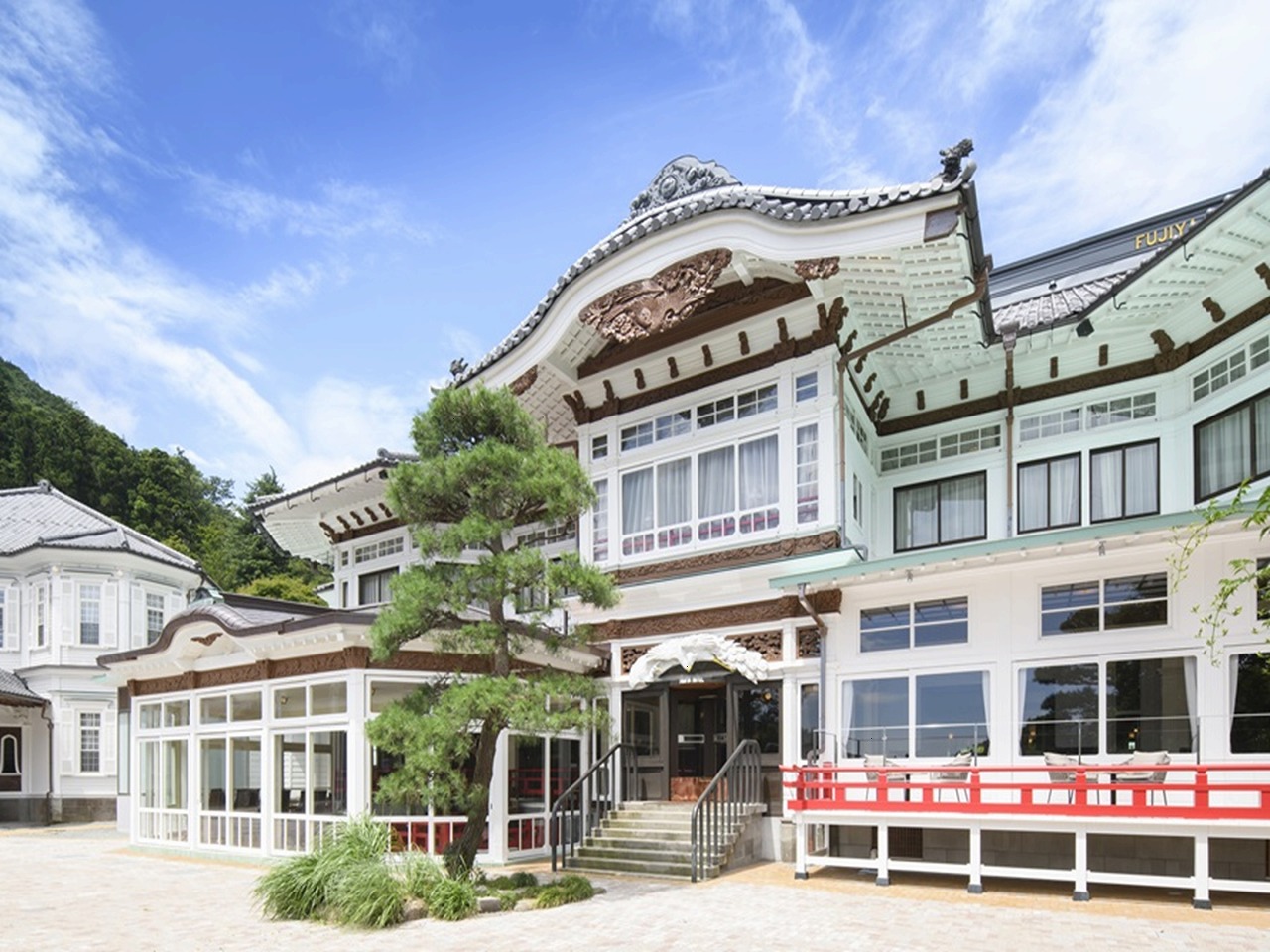
If you love Japan travel with a bit of depth, this hotel is a great example of how architecture, room design, dining and onsen culture can all sit together in one elegant mountain retreat. Wild, isn’t it?



Guess what? Fujiya Hotel in Hakone-machi isn’t just a pretty place to sleep, it’s a living piece of 明治時代 (Meiji-era, Meiji era) travel history. Founded in 1878, the hotel sits in Miyanoshita, one of Hakone's classic hot spring areas, and its long life shows in the details, from the carved woodwork to the layered building layout. For Japan fans, that makes it far more interesting than a standard luxury hotel gallery. See what I mean?
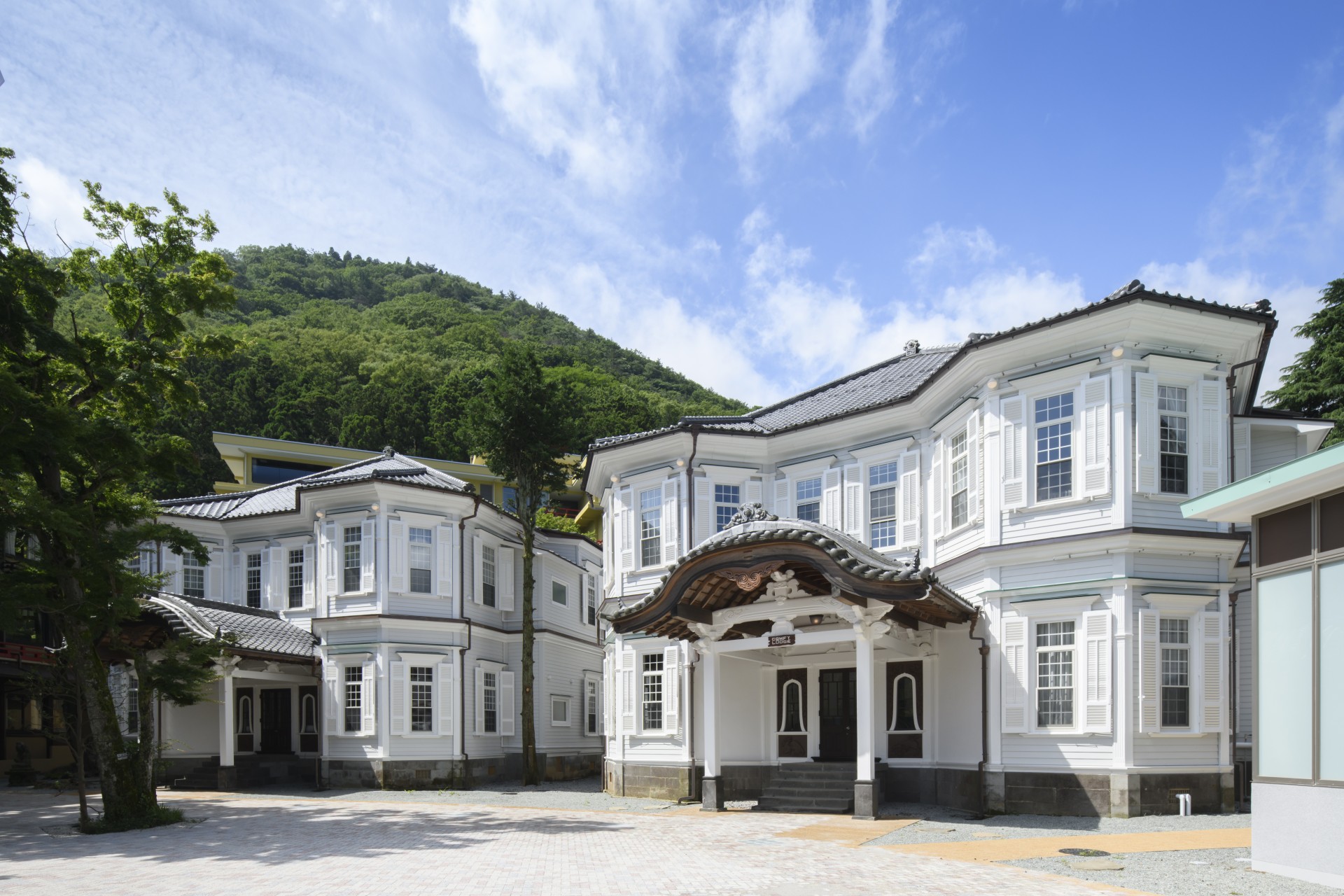
But let’s stick with Fujiya Hotel for now. The property has gone through many additions over the decades, yet it still keeps the feel of a grand mountain resort from another era. That balance matters, because Hakone is all about atmosphere as much as scenery. You come for the mountains, the cedar-lined roads, the onsen water, and the sense that you’ve stepped into a calmer version of Japan.
Fujiya Hotel Hakone and Its Historic Architecture
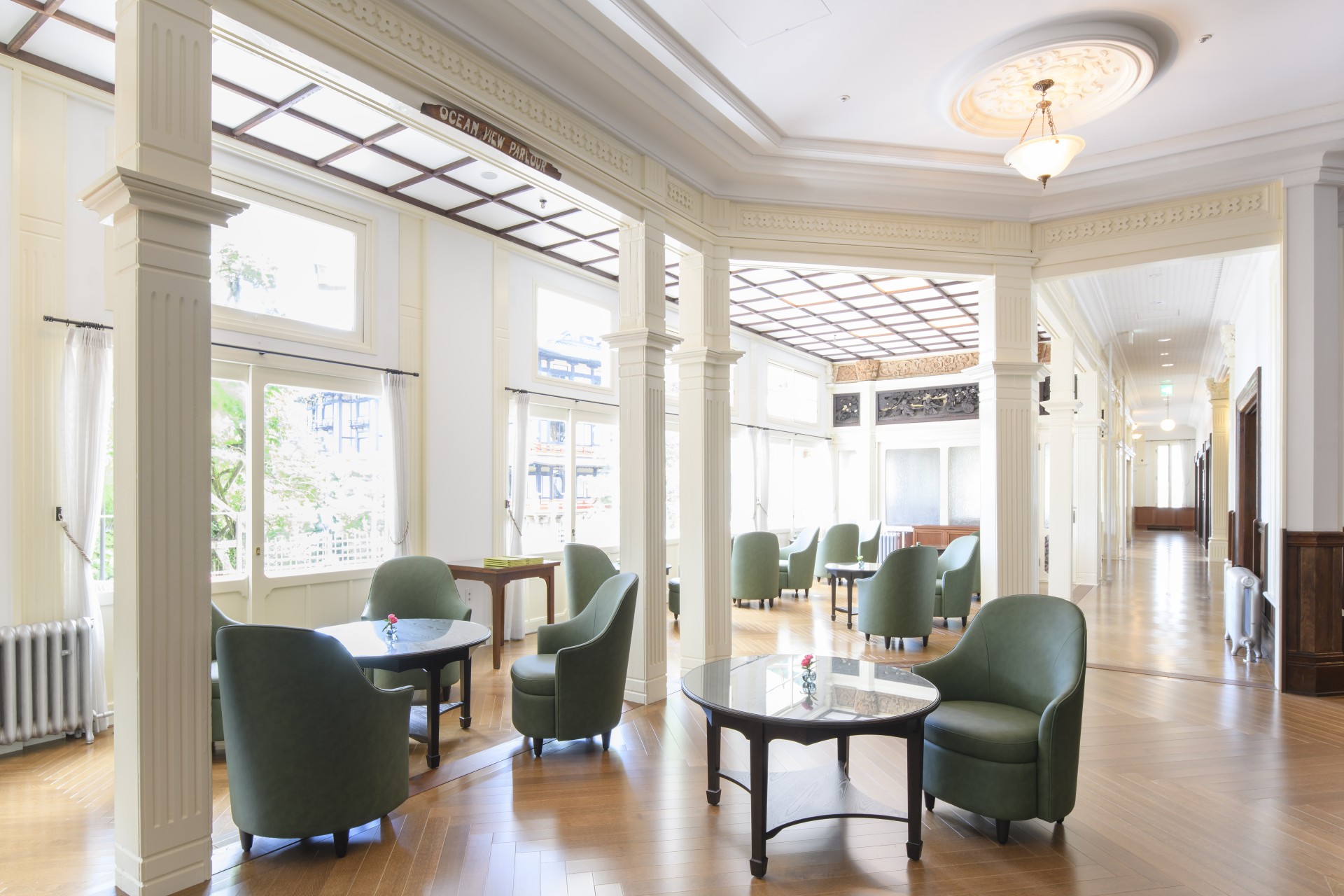
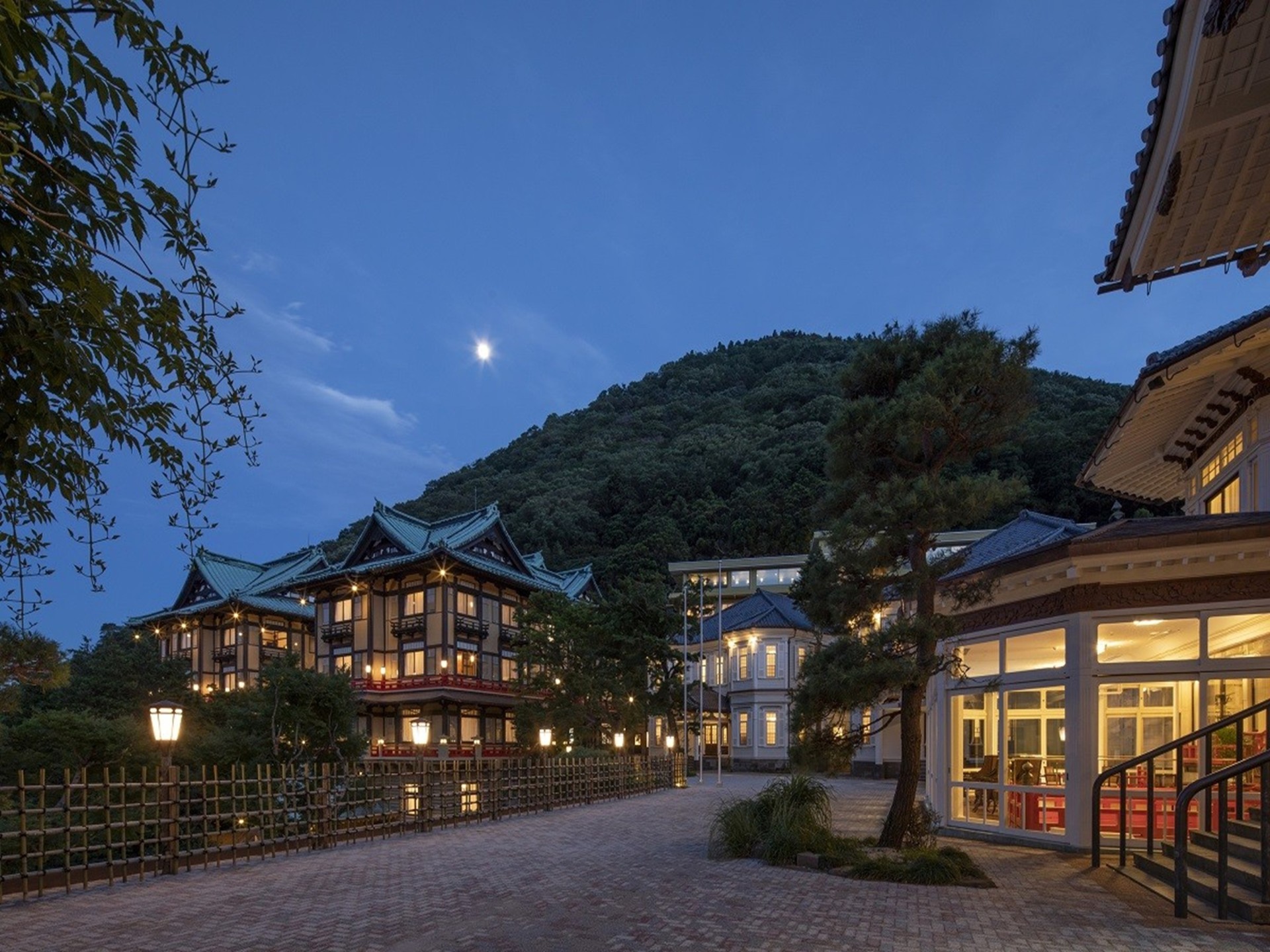
Let me show you why the architecture gets so much attention. Fujiya Hotel is often described as Japan's oldest Western-style resort hotel, and the campus-like layout is part of its appeal. Instead of one single tower, you get a collection of buildings with different moods and dates, including the Main Building, the Forest Wing, the West Wing and the Flower Palace. That layered structure gives the hotel a time-capsule feeling, but it never feels stiff. Not bad, right?
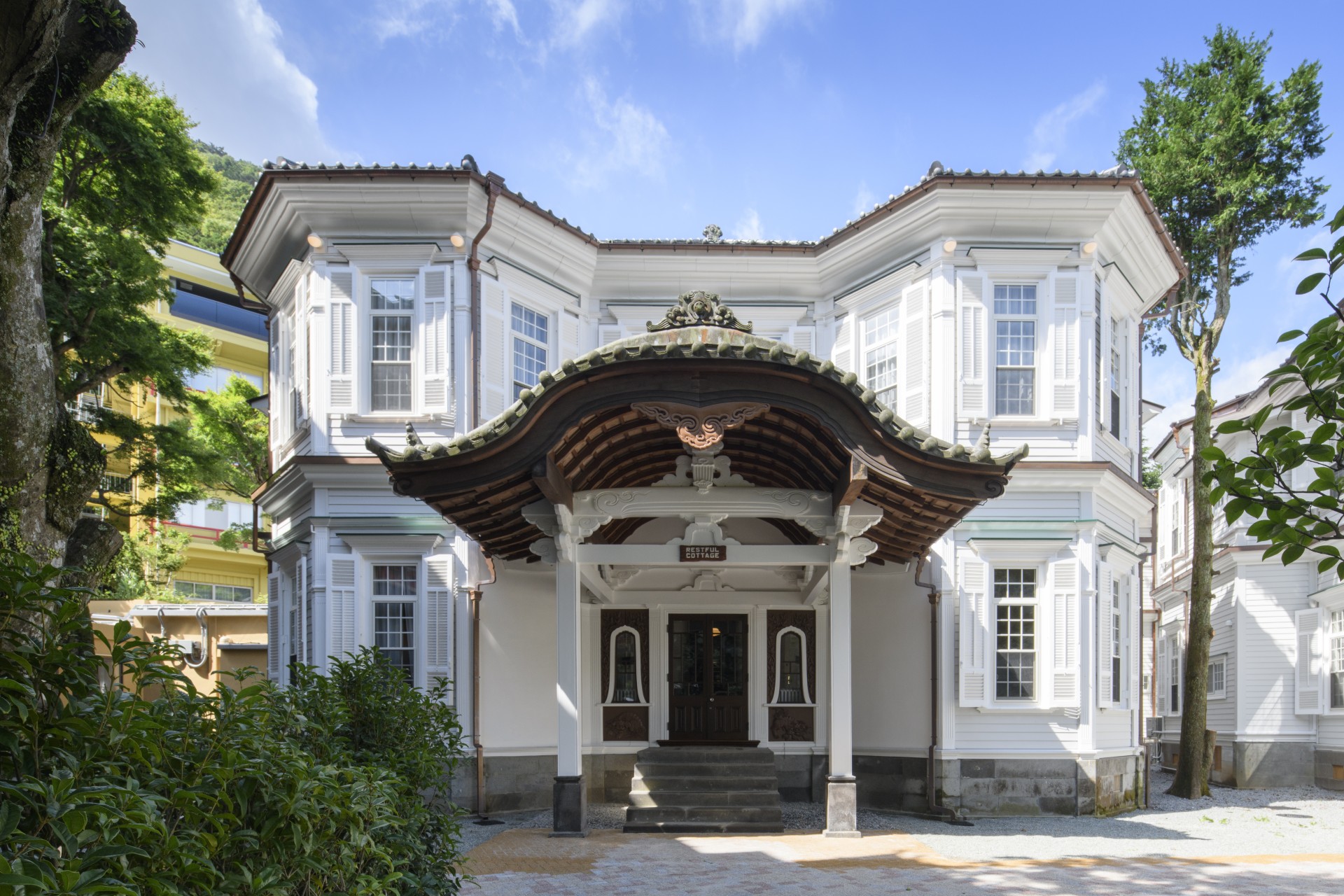
The Main Building, rebuilt after fires and later renovations, still carries a classic resort-hotel elegance. Wood accents, verandas, broad corridors and a gentle use of colour make the place feel airy, not heavy. On the flip side, modern hotels often aim for sharp minimalism, while Fujiya Hotel leans into warmth and ornament. If you like old Tokyo station details, 明治時代 (Meiji-period, Meiji period) villas or Kyoto guesthouses with character, this style probably clicks with you.
Rooms and accommodation areas
I still remember exactly how different the accommodation zones feel from one another when you look at the property as a whole. The hotel doesn’t sell one single aesthetic, because the buildings were developed over time. Some rooms feel more traditional in layout, while others are larger, brighter and closer to a classic international resort style. Pro tip: if you’re planning a stay, think about whether you want heritage atmosphere, mountain views or easier access to the public spaces.
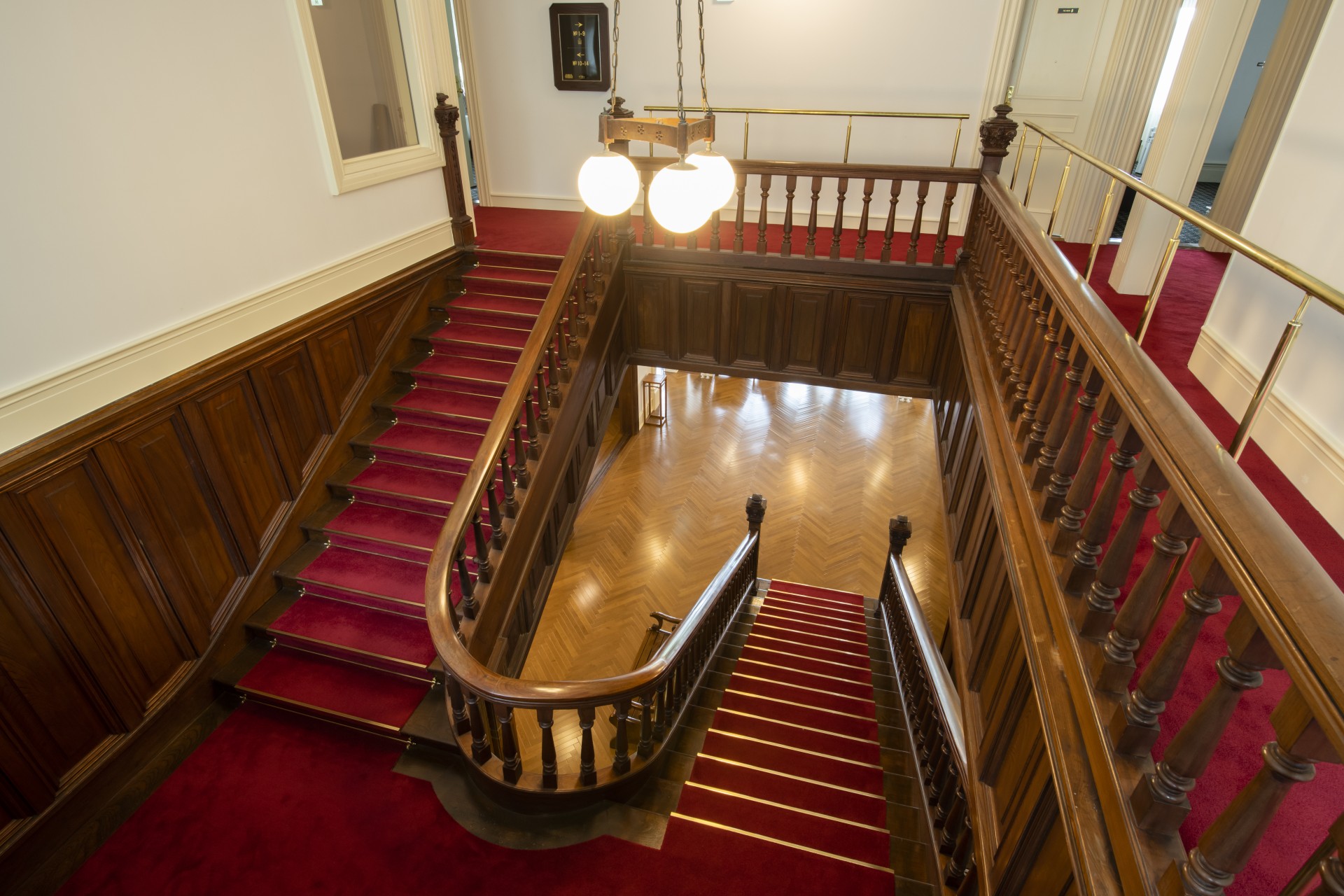
What I especially like is how the hotel avoids turning history into a museum. Instead, the architecture works in daily use. Hallways connect sleeping areas to lounges, restaurants and baths in a way that encourages slow movement, which suits Hakone perfectly. No wonder, because the whole area has long been a retreat for Tokyo residents looking to breathe a little easier. Classic Japan, isn’t it?



Dining, Onsen and Classic Hakone Atmosphere
By the way, dining at Fujiya Hotel is a big part of the experience, not an afterthought. The hotel is known for French, Western and Japanese-influenced meals, and that mix reflects the broader story of modern Japanese hotel culture. Historic luxury hotels in Japan often blended imported styles with local hospitality, and Fujiya Hotel is a strong example of that tradition. If you enjoy learning Japanese food vocabulary, this is a nice place to notice words like 懐石 (kaiseki, traditional multi-course meal), 洋食 (yushoku, Western-style cuisine), and 抹茶 (matcha, powdered green tea) in context.
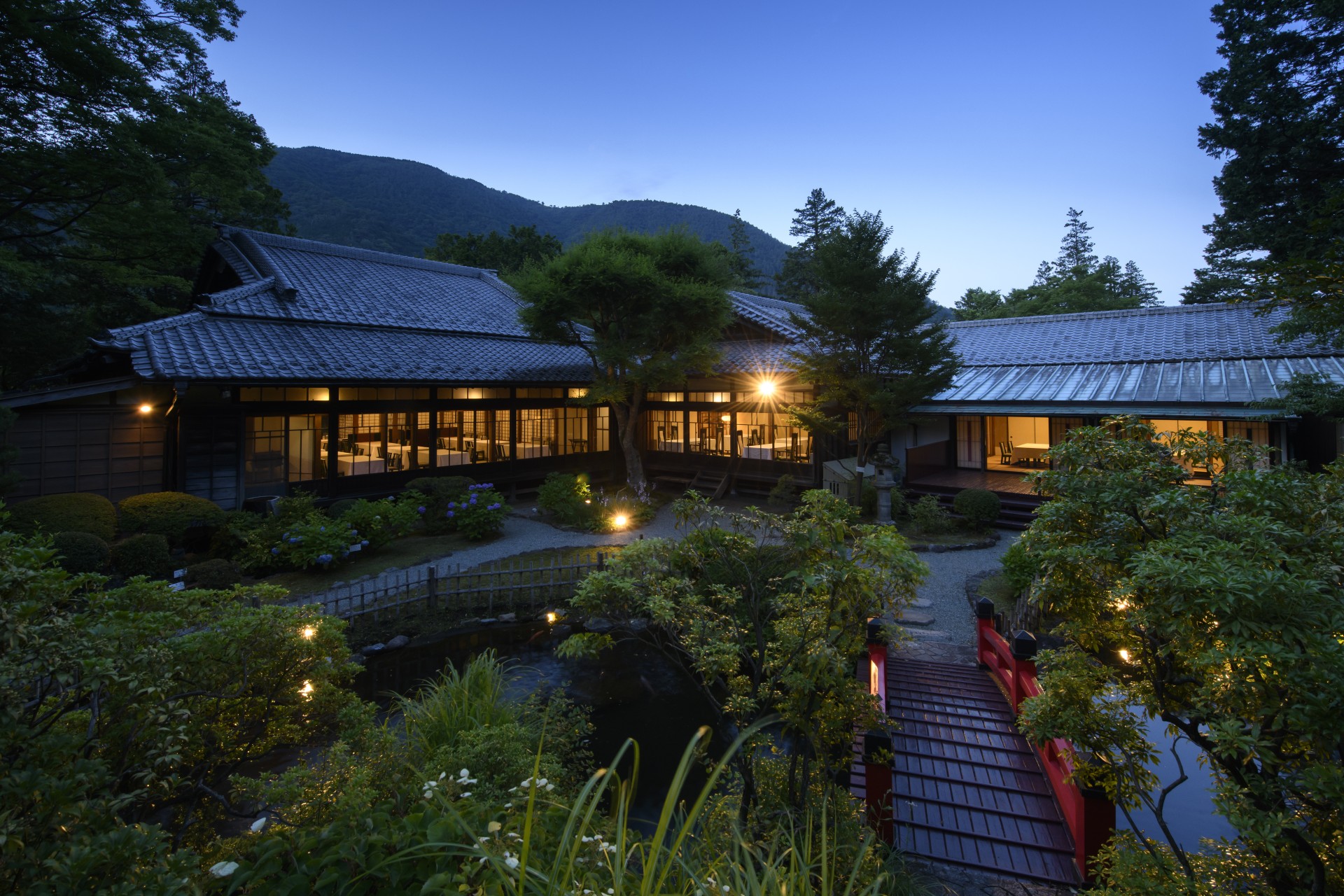
Speaking of which, the onsen setting is what ties everything together. Hakone-machi is one of Japan's best-known hot spring destinations, and the surrounding Miyanoshita area gives the hotel its restorative feel. Even if you’re not staying overnight, Hakone as a destination is packed with options: the Hakone Tozan Railway, the old post-road atmosphere around Hakone-juku, views toward Mount Fuji on clear days, and museum stops like the Hakone Open-Air Museum. The hotel fits into that travel pattern beautifully, because it feels like part of Hakone rather than a separate bubble.
Trust me on this one: the best way to appreciate Fujiya Hotel is to think of it as an experience, not just accommodation. You’re not booking a room only for a bed, you’re booking a location where architecture, bathing culture and mountain travel history all overlap. My tip: pair it with a slow Hakone itinerary, maybe one night near the ropeway or lake, one night in Miyanoshita, and plenty of time for wandering. You’ll get more from the stay if you let Hakone set the pace. Convinced yet?
Why Fujiya Hotel Still Matters for Japan Fans
Fun fact: historic hotels in Japan often tell you as much about modernisation as they do about luxury. Fujiya Hotel opened just ten years after the Meiji Restoration, when Japan was actively learning from the West while trying to keep its own identity intact. That tension is visible here, from the exterior style to the service culture. You can read the hotel like a textbook, but it’s a beautiful one.
For Japanese language learners, places like this are useful because they attach vocabulary to real settings. Ryokan, onsen, 宿 (yado, inn; lodging), lobby, veranda, おもてなし (omotenashi, hospitality), each word lands better when you connect it to a specific scene. If you ever study travel Japanese, Hakone is one of the best practice grounds because the region mixes traditional and international hospitality so smoothly. And Fujiya Hotel sits right in that intersection.
Personally, I think the strongest reason to visit is the mood. Some hotels impress you with size, others with view, but Fujiya Hotel earns its reputation by making history feel lived-in. It’s elegant without shouting, old without feeling frozen, and rooted in Hakone's landscape in a way that feels very Japanese. See what I mean?
In pictures
Frequently Asked Questions
Where is Fujiya Hotel located?
Fujiya Hotel is in Miyanoshita, Hakone-machi, in Kanagawa Prefecture.
Why is Fujiya Hotel historically important?
It opened in 1878 and is widely known as Japan's oldest Western-style resort hotel.
Is Fujiya Hotel a good base for exploring Hakone?
Yes, it works well for travellers who want historic atmosphere, onsen access and easy connections to Hakone's main sights.


