
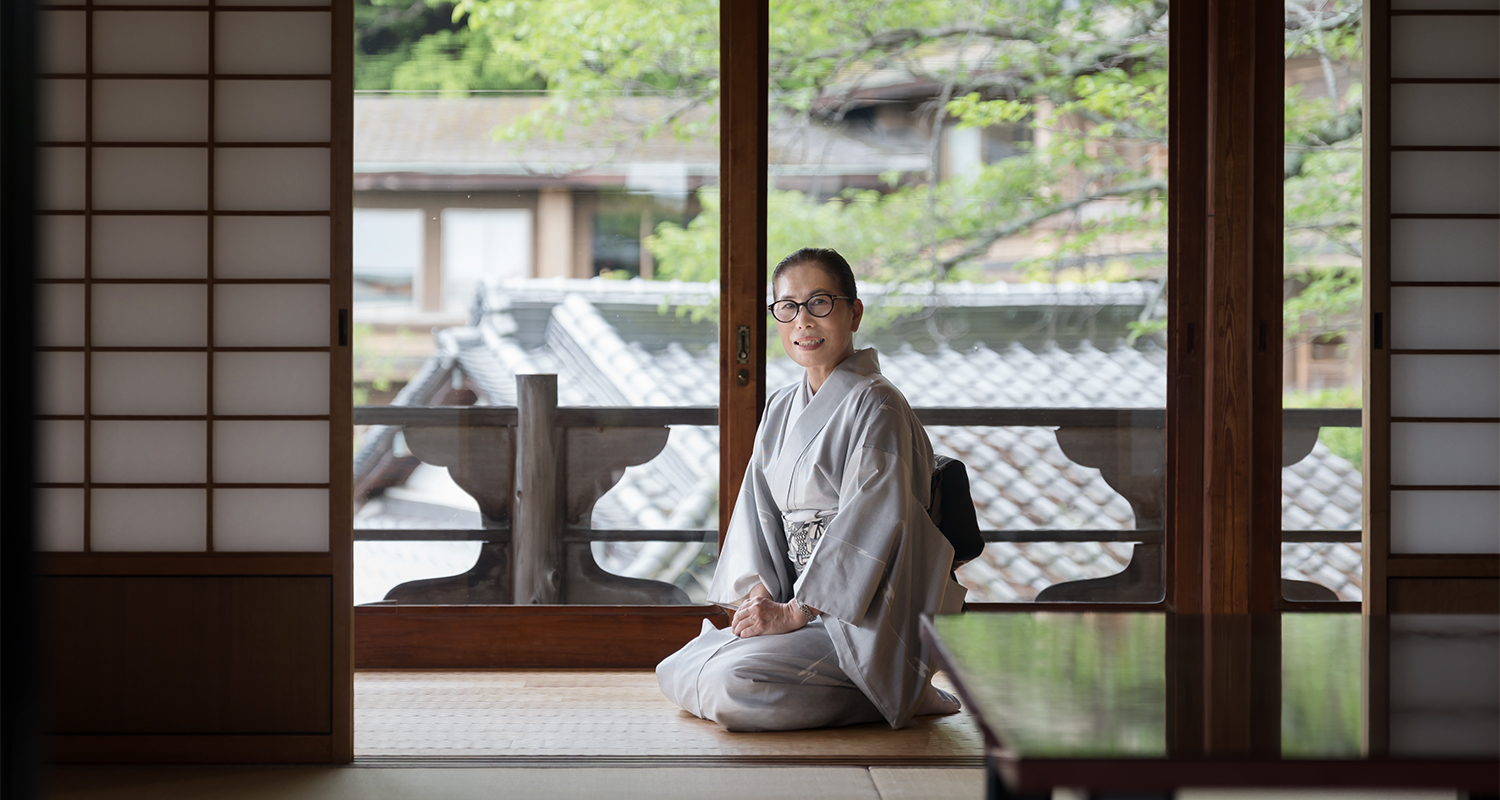
Let me show you why Kotohira Kadan keeps coming up in conversations about memorable ryokan stays. The property sits in Kotohira, Kagawa Prefecture, a town known for Konpira-san, and that location already shapes the whole experience. No wonder, because the inn isn’t trying to be a city hotel with 畳 (tatami, tatami mat); it feels rooted in place from the first step inside.
This profile of Miyoshi Ritsuko, the 女将 (okami, proprietress; female innkeeper) of the house, is a great reminder that Japanese hospitality isn’t just about polite greetings and perfect timing. It’s about rhythm, eye contact, small adjustments, and knowing when to appear and when to vanish. Sounds odd, but it's true. That balance is what makes a ryokan feel calm instead of formal.
Kotohira Kadan: a ryokan shaped by place
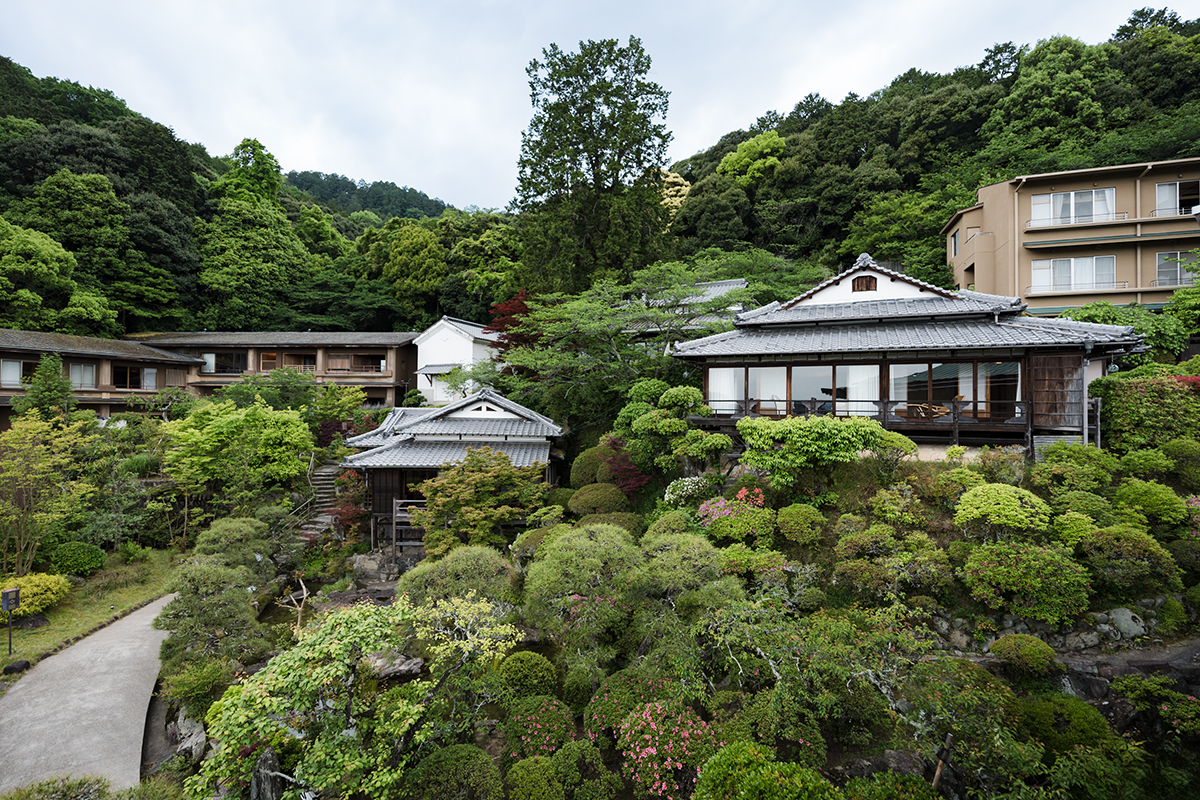
Kotohira Kadan is located in Kotohira, a compact temple town in Kagawa that many travellers use as a base for visiting Konpira-gu, the famous shrine with its long staircase. The ryokan’s appeal starts with that setting. You’re not just booking a room, you’re stepping into a landscape of pilgrimage routes, mountain air, and old-settlement atmosphere.
What most people don't know is that Kagawa is Japan’s smallest prefecture by area, and that makes local identity feel especially concentrated. In Kotohira, the ryokan doesn’t have to compete with giant resort districts. It can lean into privacy, quiet, and the sense that the town outside still matters. That’s why the experience feels more grounded than flashy.
Rooms, baths, and the slow pace of a stay
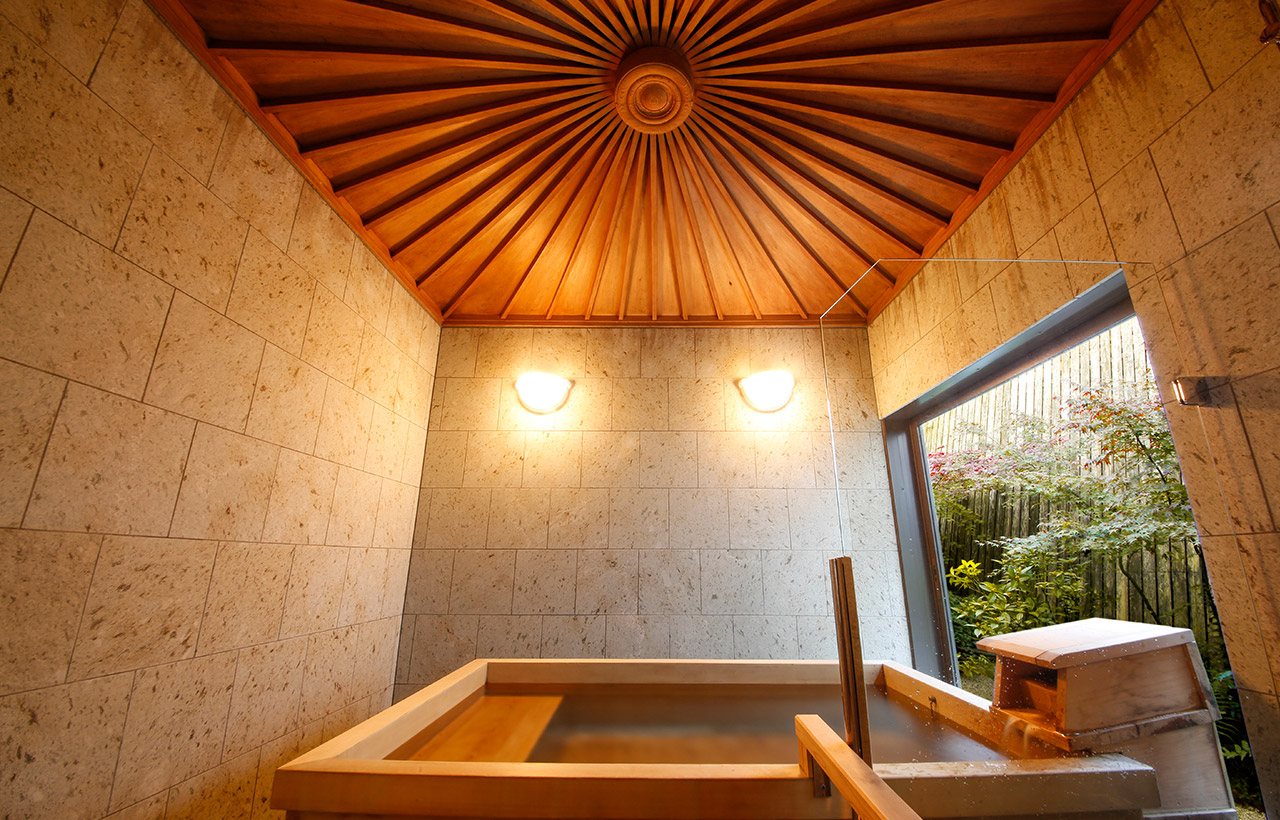
Kotohira Kadan is known for guest rooms that mix Japanese and modern touches, plus baths designed for lingering rather than rushing. If you’ve stayed in a ryokan before, you know the pattern: check-in, tea, a walk, dinner, then a bath, then sleep earlier than you planned. In this case, that slower cadence isn’t a side effect, it’s the point.
My tip is this: if you ever stay at a place like this, build in extra time for doing almost nothing. Read a little, change into your 浴衣 (yukata, light cotton kimono), and let the house set the pace. From my experience, that’s when a ryokan really starts to make sense.
The Lang Choseiden annex and what it adds
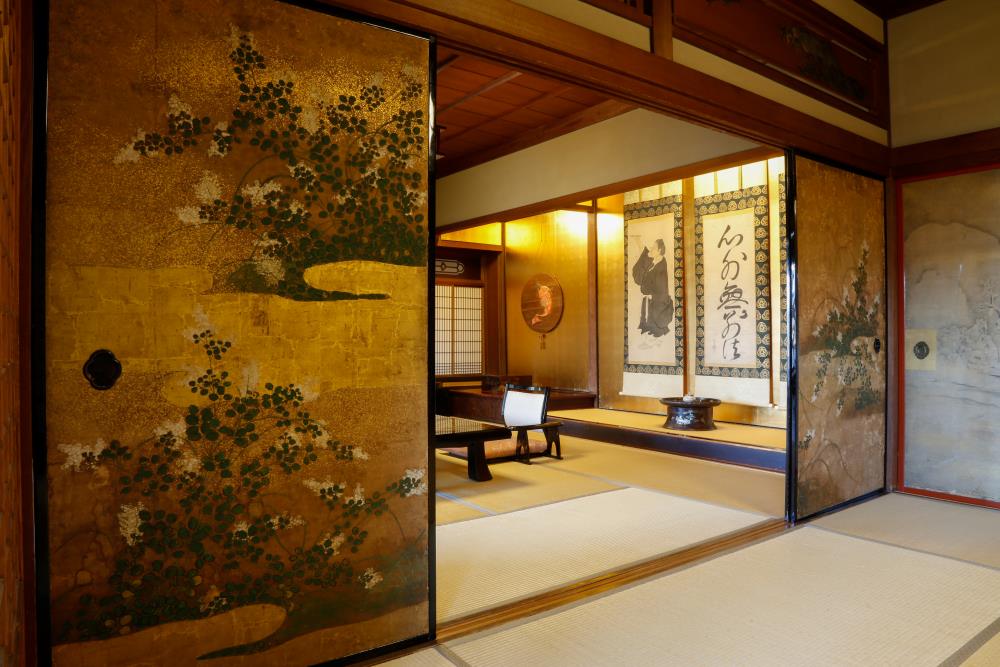
Before I forget, one of the most interesting parts of the Kotohira Kadan story is the Lang Choseiden annex, which expands the property’s character beyond a single main building. Annexes matter in Japanese hospitality, because they often let a ryokan separate moods. One wing may feel traditional and intimate, another may be more spacious or more contemporary.
That kind of arrangement is clever. It gives returning guests a reason to try a different room type, and it lets the house serve different kinds of travellers without losing its identity. That's why ryokan fans often talk about annex names and room categories with the same seriousness other people reserve for restaurant menus.
Why an annex changes the guest experience
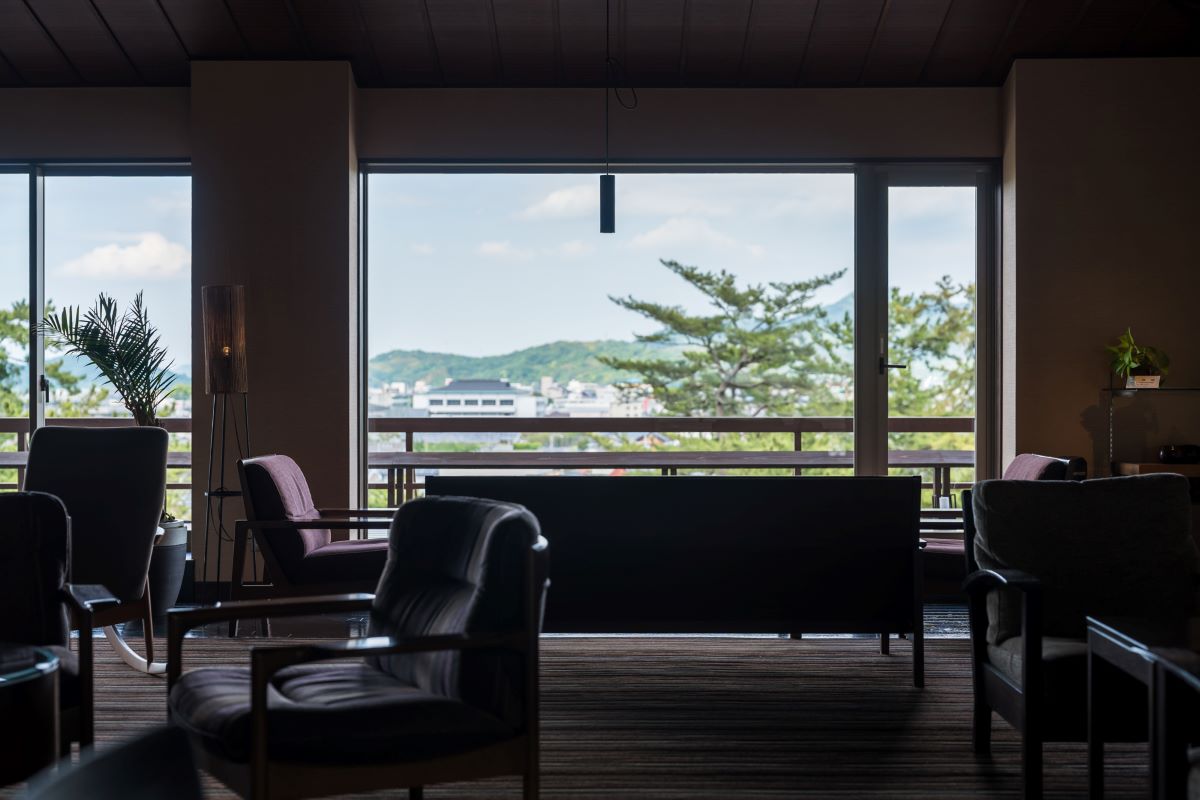
No exaggeration: the best annexes don’t feel like an afterthought. They feel like another layer of the same story. At a place such as Kotohira Kadan, that can mean more privacy, better views, or a calmer walk between the room, bath, and dining area. The physical layout becomes part of the hospitality.
Let’s be honest: many visitors only remember whether the room was pretty. But in a strong ryokan, the path matters too. The sound of your slippers, the timing of staff passing by, the little pause before a sliding door opens, all of that builds the mood. Convinced yet?



Miyoshi Ritsuko as okami: hospitality with a human face
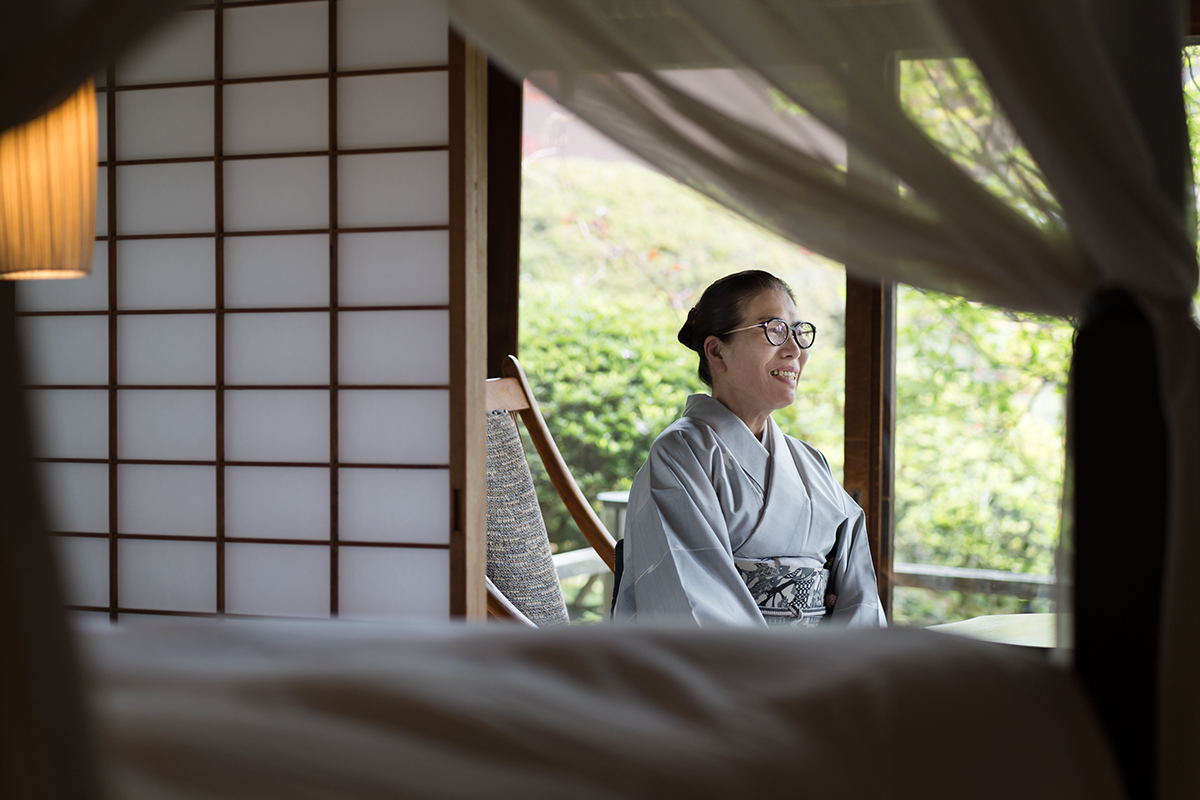
I still remember exactly how often the best ryokan stories come back to one person, the okami. Miyoshi Ritsuko is presented as the face of Kotohira Kadan, and that role is bigger than a manager’s job title. The okami often acts as host, coordinator, quality checker, and cultural interpreter all at once.
In Japanese, okami is a useful word to know if you like ryokan culture. It usually refers to the female proprietress or senior host who oversees the house. The position is less about hierarchy and more about responsibility, which is why guests often remember the okami long after they forget the room number. Not bad, right?
Why the okami still matters
In a modern hotel, service is often divided across departments. In a ryokan, the okami often gives the place its emotional centre. She knows the flow of dinner service, the cleaning standards, the guest mix, and the local context. When that works well, the entire property feels coherent.
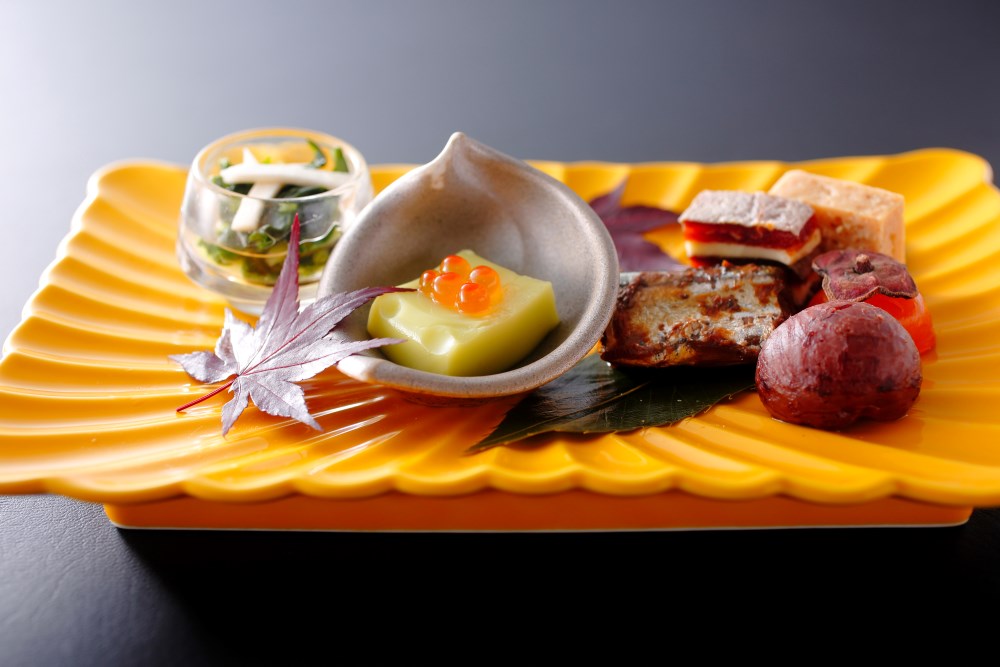
What I especially like is that this gives Japanese hospitality a very human face. A ryokan can have beautiful architecture, a strong 懐石料理 (kaiseki, kaiseki cuisine) dinner, and a scenic bath, but the memory often comes down to the way the host made you feel seen. That is especially true for a house like Kotohira Kadan, where tradition and comfort are clearly meant to work together. Sounds good, right?
What Japan learners can take from this ryokan story
For Japanese language learners, ryokan culture is a great doorway into real-life vocabulary. Start with ryokan, okami, yukata, kaiseki, and onsen, then listen for how those words appear in reviews, travel articles, and hotel websites. You’ll notice that hospitality language in Japanese is often indirect, soft, and highly contextual.
Picture this: you arrive at a ryokan, someone greets you with a quiet smile, and you hear terms like おもてなし (omotenashi, wholehearted hospitality), 室礼 (shitsurai, arrangement; décor), and 振る舞い (furumai, behavior; conduct) in a travel explanation. Even if you don’t know every word yet, the patterns start to make sense. That’s why reading about a place like Kotohira Kadan is useful, not just pretty.
If you want to keep exploring Japanese travel culture, this kind of profile is much richer than a standard hotel review. It shows how a building, a town, and one okami can shape the whole memory of a stay. Insider tip: pay attention to the names of annexes, room styles, and seasonal menus, because they often reveal what the ryokan values most.
In pictures
Frequently Asked Questions
What is Kotohira Kadan known for?
It is known as a refined ryokan in Kotohira, Kagawa, with a strong sense of place and attentive hospitality.
What does an okami do in a ryokan?
An okami usually oversees the house, coordinates service, and gives the ryokan its personal style of hospitality.
Why do Japanese learners read ryokan stories?
They’re a practical way to learn travel vocabulary, hospitality language, and cultural etiquette in context.


