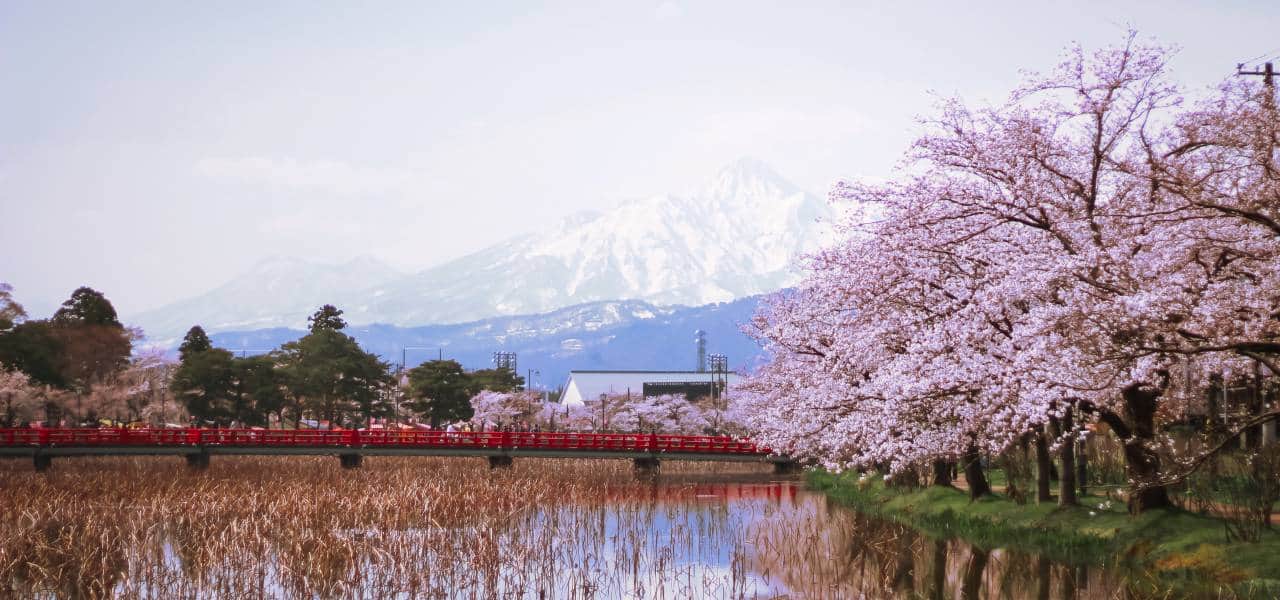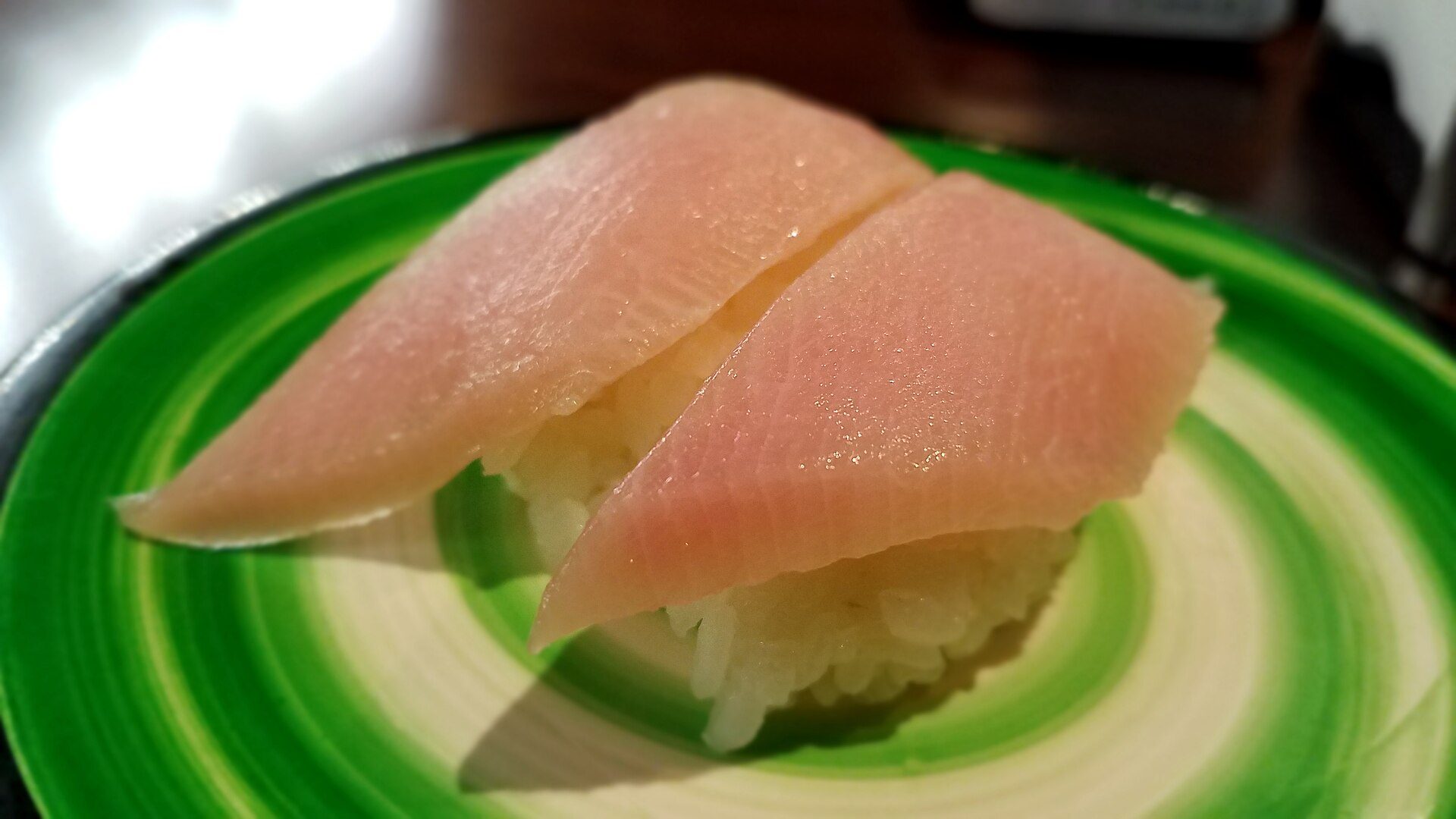
What makes this so striking is that it links a luxury sushi topping with real marine stress, from warming waters to damaged coastal ecosystems. For Japan fans and Japanese learners, it's a great example of how food culture, science, and words like 雲丹 (uni, sea urchin), 怪物 (kaibutsu, monster), and 海水 (kaisui, seawater) can meet at the same table.
Sea urchin sushi farming isn't just about serving expensive uni on rice. It's also about finding a way to keep a beloved Japanese ingredient available when the ocean's under pressure.
That shift matters. Wild harvests can swing wildly from year to year, and in some areas the supply's been hit hard by sea temperature changes, algal loss, and coastal ecosystem damage. Here's the thing: when a food culture depends on the sea, the sea can't be treated like an endless pantry.
Sea urchin sushi farming and the problem in the sea
Picture this: a bowl of uni don, bright orange and almost custard-like, but the coastline that supplied it is struggling. That contrast is exactly why sea urchin farming's started to draw attention. Japan's appetite for uni is strong, especially in sushi and 海鮮丼 (kaisendon, seafood rice bowl), yet many regions have seen natural beds decline.
What many overlook is that sea urchins are tied to kelp forests and underwater plant life. When those habitats are damaged, the urchins can suffer, and so can the fishery. In some coastal zones, warming water and shifting currents have pushed the whole balance out of shape, which makes stable harvesting harder. No exaggeration: this is a food issue, a business issue, and an environmental issue at the same time.
How sea urchins are raised for sushi
Did you know that...? Sea urchin aquaculture is still far less common than salmon or tuna farming, but the methods are getting more careful and more specialised. In Japan, researchers and local producers have been working on land-based or tank-based systems, where the animals can be fed and monitored closely before reaching the sushi counter.
That matters for quality. Uni changes fast after harvest, so producers want a system that keeps the taste sweet, the texture soft, and the colour rich. Quick detour: this is one reason the word 改善 (kaizen, continuous improvement) feels relevant here, even if nobody labels the process that way. The work is about small improvements, better feed, cleaner water, and fewer losses.
Why the flavour matters so much
Plot twist: not all uni tastes the same. The flavour can change with species, diet, and season, which is why sushi chefs care so much about origin. Some pieces are more briny, some are buttery, and some have a faint sweetness that fans remember for days.
That is also why farming's tricky. If the feed is off, the result is off. If the water quality slips, the texture suffers. Highly recommended: pay attention the next time you see uni on a sushi menu, because the difference between a great bite and a forgettable one is often very small. See what I mean?
Environmental problems in the sea behind the uni story
It's early morning in Kyoto, and a sushi chef is already thinking about supply, even if the fishing grounds are hundreds of kilometres away. That is the hidden side of this topic. Japan's coastal waters are changing, and not in a gentle way.
Sea temperatures have been rising in many regions, and marine heatwaves have become a real headache for fishermen and aquaculture operators. Add habitat loss, overgrazed seaweed beds, and pollution from land runoff, and the pressure stacks up quickly. A great example: if kelp disappears, the whole food chain shifts, and that can leave some sea urchin species abundant in the wrong places while edible, high-quality ones become harder to find.
What I especially like is that this pushes producers to think beyond yield. They have to think about restoration, not just extraction. That kind of thinking is very Japanese in the best sense, practical, patient, and careful with place. My tip: if you are learning Japanese, make a note of words like 海 (umi, sea), kaisui, 漁師 (ryoushi, fisherman), and shizen. They show up constantly in environmental food coverage.
Sushi, sustainability, and what consumers can actually do
No joke: sushi lovers have more influence than they think. If restaurants ask where their uni comes from, if customers choose seasonal products, and if buyers support producers working with lower-impact systems, the market starts to shift. It won't fix the ocean overnight, but it does send a message.
Another point worth watching is traceability. Some Japanese producers now emphasise the exact area, species, and handling method, because trust is part of the meal. That fits the sushi world perfectly. When you sit down for edomae-style sushi, you are not only buying food, you're buying a story about place, season, and skill.
By the way: this is where the topic gets exciting for Japan fans. Uni farming isn't some dry lab project. It touches conveyor-belt sushi, high-end sushi counters, fisheries policy, and the future of Japan's coastal food culture. If you enjoy learning through food, this is one of those topics that keeps opening new doors. Not bad, right?
Frequently Asked Questions
Why is sea urchin farming important for sushi?
It can help stabilise supply when wild harvests are uncertain, while also reducing pressure on stressed marine areas.
Does farmed sea urchin taste the same as wild sea urchin?
Not always. Taste depends on species, feed, water quality, and handling, so quality control matters a lot.
What environmental issues are linked to sea urchin sushi?
Habitat loss, warming seas, damaged kelp forests, and pollution can all affect sea urchin populations and sushi supply.