What most people don't know is that this kind of rebranding is often about survival, not just style. With the Hokuriku 新幹線 (Shinkansen, bullet train / high-speed rail) drawing travellers away from the region, the airport's new image is designed to make visitors stop, look, and maybe stay a little longer.
Why a Japanese airport is calling itself Sushi Airport
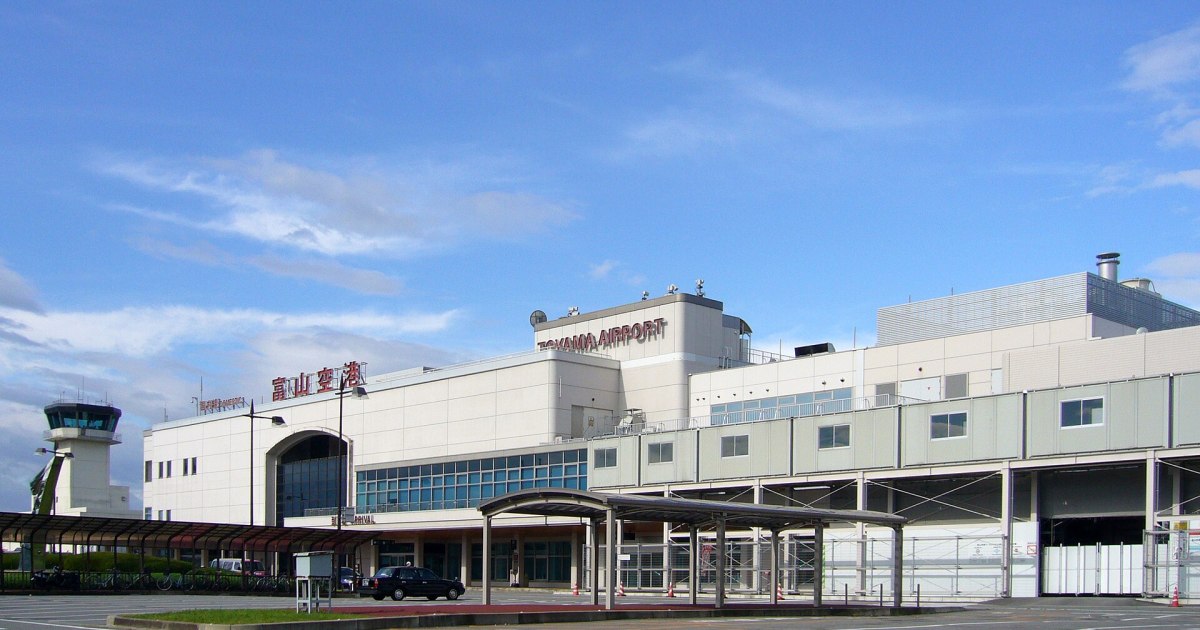
Guess what? One Japanese airport has decided that being just an airport is no longer enough. It has started presenting itself as the nation's Sushi Airport, a name built to catch the eye of foreign visitors and turn a simple transfer point into a travel attraction. Sounds weird, but it's true.
The idea is very Japanese in the best way possible: practical, playful, and tightly linked to local identity. Instead of using a bland slogan, the airport is leaning into something travellers already associate with Japan: sushi. That matters, because airport branding isn't only about signs and logos, it's about memory. If a visitor remembers the airport as the place where the trip began with sushi, the campaign has already done part of its job.
This is also a lesson in how regional Japan thinks about tourism now. Large cities like Tokyo and Osaka will always draw crowds, but smaller hubs need a sharper story. A name like Sushi Airport is easy to understand even if you know almost no Japanese. For language learners, that simplicity is useful too. Sushi is one of those loanwords that works across borders, and it shows how food vocabulary can travel faster than any slogan.
Airport rebranding as tourism PR
The reason is simple: airports are no longer just transport infrastructure, they're part of the destination experience. Take Kansai International Airport or Narita International Airport, for instance. Both are already names that signal scale and international reach. A smaller regional airport has to work harder if it wants to be remembered, especially when tourists are choosing between rail, domestic flights, and direct train access.
This airport's rebranding leans into tourism PR with a clear message: come here for a local experience, not just a connection. That's smart because travellers, especially first-time visitors to Japan, often build their itinerary around food. Sushi is one of the strongest hooks possible. It feels premium, recognisable, and very Japanese without needing much explanation. My tip is this: if you're learning Japanese, pay attention to this kind of branding language, because it often reveals what a region wants outsiders to notice first.
Hand on heart, I like this sort of move when it's done well. It can feel gimmicky if the branding is empty, but if the airport really supports the theme with food stalls, local products, and welcoming design, then it becomes part of the trip. Classic Japan, isn't it? Even a layover can be turned into a small cultural experience.
What makes the rebrand work
For example, a sushi theme gives the airport a visual identity that can be used on posters, digital ads, shop displays, and social media. It also lets the airport connect with local restaurants, souvenir sellers, and tourist boards. That creates a much stronger story than simply saying, "We are near this city." From my experience, travellers respond better to a clear image than to a long explanation.
There is also a language angle here. In Japanese, branding often depends on short, memorable phrases that can be repeated easily. Think of how often Japanese advertising uses simple noun phrases, catchy katakana words, and bold visuals. A phrase like sushi kūkō, even if used playfully in English-facing marketing, is instantly understandable. See what I mean?



How the Hokuriku Shinkansen changes the game
What most people don't know is that transport competition in Japan can reshape entire regions. The Hokuriku Shinkansen, the high-speed rail line linking Tokyo with the Hokuriku area, has changed travel patterns since extensions opened in stages, including the 2015 Nagano to Kanazawa section and the 2024 extension towards Tsuruga. Faster rail means some travellers who once flew into nearby airports now take the train instead.
That puts pressure on regional airports in a very real way. If a Shinkansen station drops you closer to your hotel, why bother with a domestic flight? The answer has to be more than speed. Airports now need reasons to exist in the tourist imagination. That's exactly where this Sushi Airport strategy comes in, it tries to make the airport part of the regional brand, not a forgotten stop on the way to somewhere else.
Take this airport's situation, for instance: if the train offers convenience, the airport must offer personality. A sushi identity can do that, especially if the region already has a strong seafood reputation. It becomes a story about freshness, local pride, and travel convenience wrapped together. The competition with the Shinkansen is real, but the response isn't to mimic the train. It's to be different.
What this means for travellers
For tourists, this kind of rebranding can actually be helpful. If an airport invests in better food, clearer signs, and stronger local themes, the arrival experience improves. You may notice small touches first, a better souvenir shop, more English support, or a restaurant with regional fish bowls and rice dishes. Those details matter more than flashy slogans alone.
For Japan fans, the bigger takeaway is that regional competition is alive and well. Airports, rail lines, and tourist boards are constantly trying to define how a place should be experienced. The Sushi Airport label is a good example of that tug-of-war. It isn't just marketing fluff, it's a response to changing travel habits. Personally, I think that makes it more interesting than a standard rebrand. It tells you something about the pressures behind the scenes, and that's where Japan gets really worth watching.
If you're planning a Japan trip, keep an eye on places like this. Sometimes the most memorable parts of a journey aren't the big cities, but the places that try hardest to welcome you. And if an airport can make you think about sushi before you even leave the terminal, then the PR team has done something right.
What I especially like is that this kind of branding doubles as a cultural cue. It gives learners a chance to connect words, place names, and food culture in a real-world setting. That's much more useful than memorising vocabulary in a vacuum. From my experience...
Frequently Asked Questions
What is the Sushi Airport rebrand?
It is a tourism campaign that gives a Japanese airport a sushi-themed identity to attract more visitors and stand out from rivals.
Why would an airport use this kind of branding?
Because regional airports need a strong story when trains, especially high-speed rail, pull travellers away from domestic flights.
Does this matter for Japan travellers?
Yes, because it can shape the first impression of a region and make the airport itself part of the travel experience.