That matters because places like this show how Japanese food culture actually works on the ground. You see a long-running family business, a winter town in Niigata, and a restaurant that feels tied to its neighbourhood rather than built for visitors.


Sushi Yoshi in Myoko is a long-running local spot
Sushi Yoshi in Myoko, Niigata, has been a family business for more than 50 years, according to the original YouTube source, Sushi Yoshi in Myoko. That single fact tells you a lot. This isn’t a pop-up, a trend-driven place, or a restaurant built around quick turnover. It’s the kind of shop that survives because local customers keep coming back.

What most people don't know is that, in many Japanese towns, family restaurants carry a quiet kind of history. The menu may change slowly, the staff may know regulars by sight, and the shop becomes part of the town's routine. Take Sushi Yoshi, for instance. Its age matters because it suggests consistency, trust, and a business that’s adapted through decades of winters in Niigata.
For Japanese learners, this is also a useful reminder that words like 寿司屋 (sushiya, sushi restaurant), 食堂 (shokudou, diner), and 店 (mise, shop) aren’t just textbook terms. They describe real places with different roles. A small family sushi restaurant in a snowy town is a good example of how those words live in everyday Japan. Wait, there’s more.
Myoko, Niigata, and the reality of a snowy city
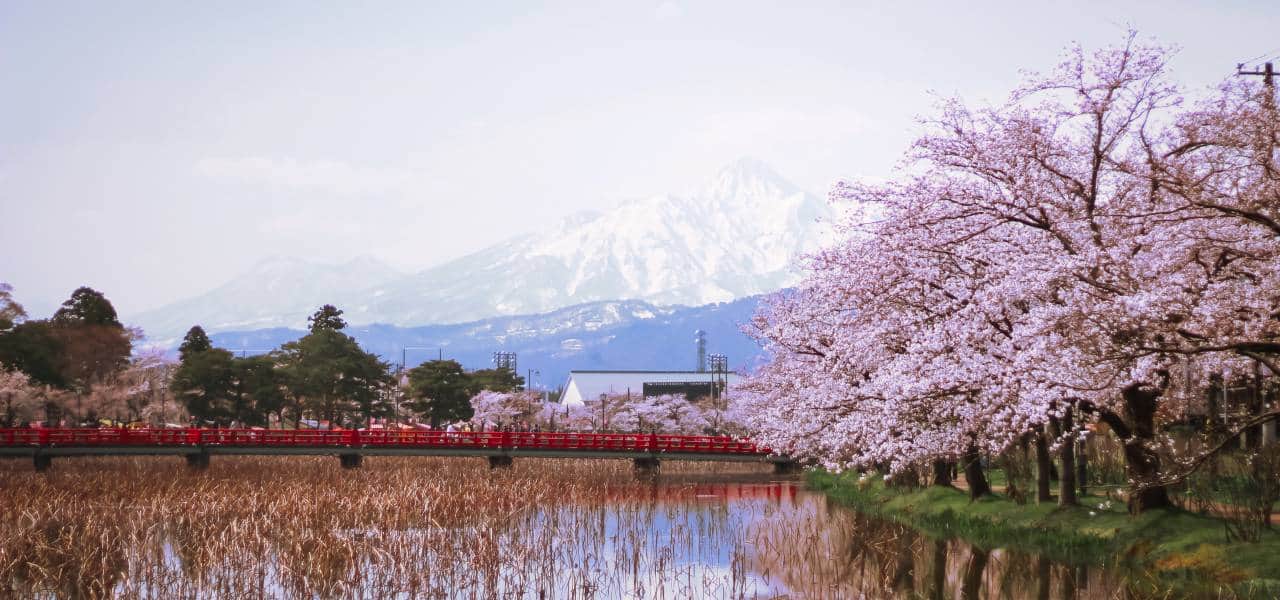
Myoko is in Niigata Prefecture, on Honshu along the Sea of Japan coast. Niigata is known for ski areas, hot springs, and heavy winter snow, and Japan Cheapo notes that the prefecture is also famous for its rice cultivation. That context helps explain why a local restaurant like Sushi Yoshi fits so naturally into the town's daily life.
Did you know that snow changes how a city feels, but it also changes how people eat, shop, and move around? In a place like Myoko, a warm local restaurant is practical. It gives residents somewhere familiar to eat during winter, and it gives visitors a more grounded view of the area than a sightseeing stop would.

To be fair, some travellers look for famous destinations first. But local Japan is often more revealing than a checklist of attractions. A family-run sushi shop in a snowy town shows rhythm, not performance. It shows what people eat when they’re simply living their lives. That reminds me, this is exactly the kind of place that helps you understand the difference between travel Japan and everyday Japan. Convinced yet?
What this kind of restaurant teaches you about Japanese daily life
Trust me on this one: if you want to understand Japan beyond train stations and famous landmarks, look at the small businesses people return to again and again. A family sushi restaurant has to do a lot of things well. It has to keep a stable supply of rice, fish, and other ingredients. It has to stay affordable enough for regular use. And it has to fit the pace of the neighbourhood.

Pro tip: when you read about a local shop like Sushi Yoshi, pay attention to the social role it plays, not just the food. In Japan, restaurants often act as everyday gathering points. They’re part of the local fabric. That is why a place with more than 50 years of history can matter as much as a more famous address in a bigger city.
My tip: if you are learning Japanese, use stories like this to build vocabulary around real settings. Words such as 村 (mura, village), 町 (machi, town), chiiiki, and 冬 (fuyu, winter) are easier to remember when they’re attached to an actual place and season. A snowy town, a family shop, and a long business history are all concrete anchors. Simply brilliant.
In pictures


Frequently Asked Questions
Where is Sushi Yoshi located?
It is in Myoko, Niigata, a snowy city on Honshu.
How long has the restaurant been family-run?
According to the source video, it has been a family business for more than 50 years.
Why is this restaurant interesting for Japan fans?
Because it shows local Japanese daily life rather than a tourist-focused dining scene.