It’s a proper exploration of luxury dining with a floating twist, the sort of thing that makes you wonder whether Tokyo’s ever going to run out of ideas. Spoiler: it won’t, and thank goodness for that.
Walking into a Japanese restaurant for the first time, I was nearly knocked off my feet when the most extravagant bit wasn’t the food, but the setting. That feeling’s back with this pairing of 屋形船 (Yakatabune, roofed pleasure boat) and Sushi Origami in Tokyo, where a traditional pleasure boat and a high-end sushi counter are being brought into the same culinary orbit. Sounds weird, but it’s true.
The result isn’t a gimmick, or at least not only a gimmick. It’s a very Tokyo kind of luxury, all polish, precision, and just enough theatre to make you straighten your posture without quite meaning to. And if you’re the sort of Japan fan who likes your dinner with a bit of historical context (and, frankly, a better story than “we found a nice place near the station”), this one has proper teeth.
Yakatabune: the boat that refuses to become boring
To be fair, yakatabune aren’t new. These low-roofed pleasure boats have been gliding around Tokyo Bay and the Sumida for centuries, originally as private leisure craft for the urban elite. Today, they’re usually associated with seasonal views, grilled seafood, beer, and the cheerful, slightly chaotic pleasure of being on water in the middle of a city that never really stops moving. You know the sort of thing: paper lanterns, 畳 (tatami, straw mat flooring) seating, and the soft panic of realising the skyline outside is better than your own holiday photos.
What makes this latest collaboration interesting is that it lifts the format up a notch, then another, then another. Instead of yakatabune as a nostalgic novelty, it becomes the stage for serious sushi. That’s why the contrast matters. You’ve got one of Japan’s most old-school dining formats, then the exacting discipline of a Michelin-level sushi chef, then Tokyo itself doing what it does best, which is to make the extraordinary feel oddly natural. Convinced yet?
Why the setting matters as much as the menu
Unlike what we’re used to back home, where a boat meal can mean a fried buffet and a view of some vaguely damp bricks, yakatabune dining leans into ceremony. The boat is the point. The journey is the point. Even the small inconveniences are part of the charm, like being reminded that good food and a moving floor have always had a complicated relationship.
And that’s precisely why a sushi-led format works so well here. Sushi, especially at the higher end, is already about timing, temperature, pace, and trust. On a yakatabune, those qualities suddenly feel even sharper. You’re not just eating お任せ (omakase, chef's choice). You’re eating omakase while Tokyo slips past the windows in a dark ribbon of light. No exaggeration: that’s the sort of detail people remember for years. See what I mean?
Sushi Origami and the Ginza Michelin pedigree
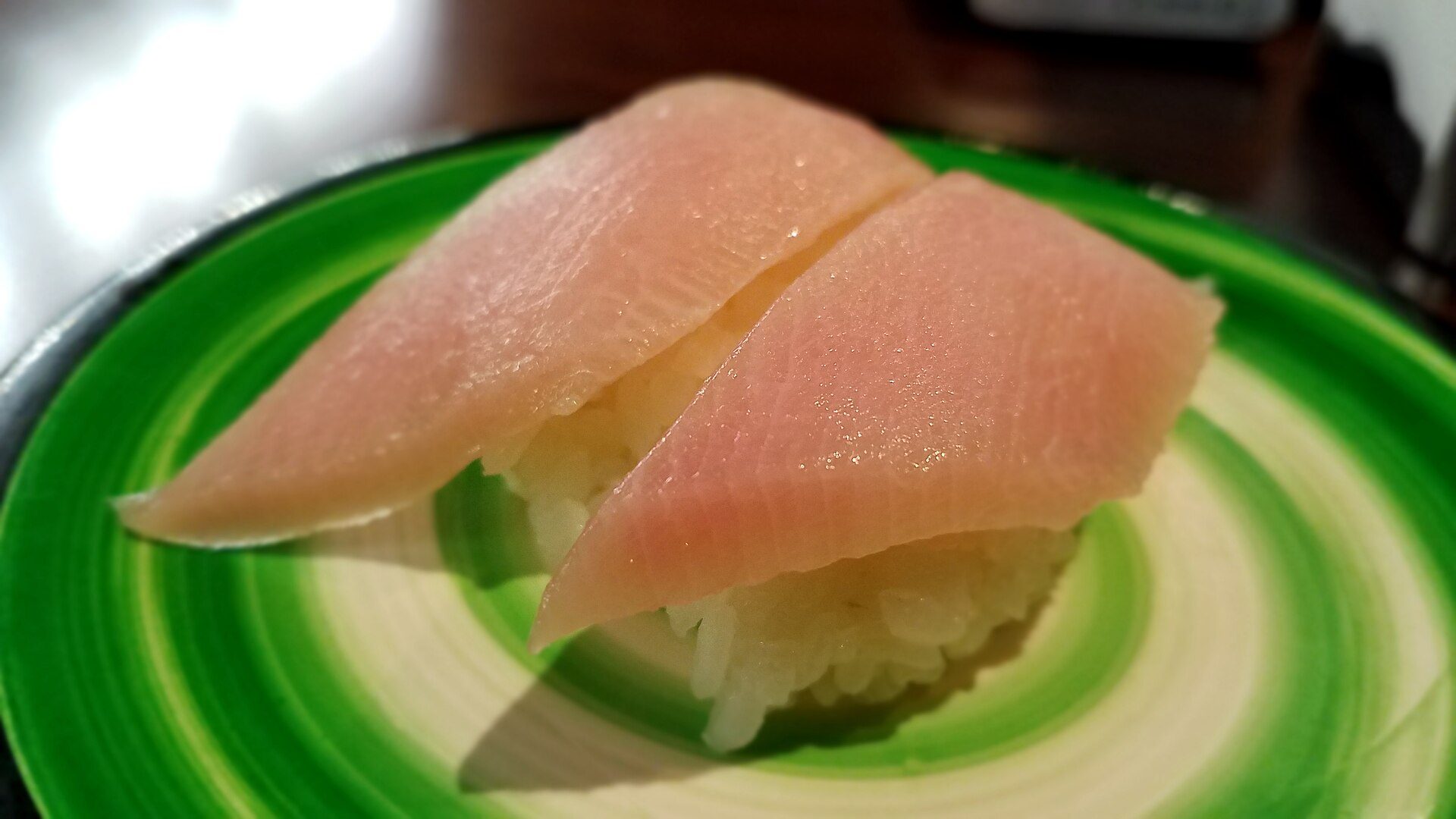
Here’s the kicker: Sushi Origami is led by a chef with Ginza Michelin credentials, which tells you most of what you need to know before the first piece of 握り (nigiri, hand-pressed sushi) lands. Ginza is still one of Tokyo’s most loaded dining addresses, and when a chef with that kind of background moves into a project this intimate, the expectations rise immediately. The name itself feels telling, too. Origami suggests patience, folds, exactness, and a bit of quiet artistry (which is basically the whole appeal of serious sushi, if we’re honest).
The restaurant’s defining number is eight. Just eight seats. Not eight tables, not eight booths, not some diffuse “intimate atmosphere” copywriting nonsense, but eight actual places at the counter. That small scale changes everything. You can watch the chef’s hands, the rhythm of the rice, the tiny calibrations that separate decent sushi from the kind that makes you briefly stop speaking. And believe me, that silence isn’t awkward. It’s respectful. Maybe even necessary.
Seriously though: eight seats is luxury in its purest form. Not flashy luxury, not gold-leaf-and-parade luxury, but the quieter, more obsessive variety, where the chef’s got room to focus and you’ve got no place to hide. Which, for sushi, is exactly the point.
Why this Tokyo format feels so luxurious
The best part is that this isn’t luxury defined by price tags alone. It’s luxury as control, proximity, and scarcity. A yakatabune has always been rare in the sense that it’s limited by nature, by space, by the simple fact that boats aren’t endlessly expandable unless you want the whole thing to become a ferry, which would ruin the mood somewhat. Add an eight-seat sushi counter and you get something even tighter, even more deliberate.
For Japan fans, that combination is catnip. You get the old Tokyo of waterways and seasonal leisure, then the modern Tokyo of Michelin dining and reservation culture, then the utterly contemporary Tokyo instinct to combine them and somehow make it look inevitable. I especially like that it doesn’t flatten either side. The boat remains a boat. The sushi remains serious sushi. The city, as usual, gets to be both elegant and slightly mad.
My tip: if you’re learning Japanese, this is also a lovely little case study in dining vocabulary. Yakatabune, Ginza, omakase, nigiri, 快晴 (kaisei, clear weather) (if the weather is part of the plan), and the ever-useful 美味しい (oishii, delicious) are all words that suddenly feel more vivid when attached to a place like this. Japanese food culture is full of terms that carry atmosphere as well as meaning, and this is one of those moments where the language and the experience line up beautifully. Not bad, right?
And if you’re the sort of person who likes to collect Tokyo experiences the way other people collect fridge magnets, this one sits near the top of the shelf. A floating venue, a Michelin-backed sushi counter, eight seats, and a city view that does half the storytelling for you. That’s not all, but it’s enough to make me wish I’d booked a seat already.