If you’re learning Japanese, food words are some of the easiest to use in real life. You’ll see them on menus, in convenience stores, and in home-cooking videos, so it pays to know what each dish actually is, how it’s eaten, and what makes it feel properly Japanese.
Japanese food explained starts with one clear point: these dishes aren’t random exports, they’re everyday staples with specific jobs. ラーメン (ramen) is a noodle soup built for speed and comfort. Sushi is vinegared rice paired with fish, seafood, or vegetables. おにぎり (onigiri) is a rice ball, usually hand-shaped and filled with something savoury. 天ぷら (tempura, lightly battered deep-fried dish) is lightly battered and fried. 味噌 (miso, fermented soybean paste) soup is a simple broth built around dashi and miso paste. According to The Daily Dish, convenience stores in Japan keep rows of onigiri ready to grab, which tells you a lot about how practical Japanese food really is. If you want a useful starting set, learn those five dishes first, then expand from there. That gives you the core vocabulary for menus, bentou, and home kitchens. My verdict: start with the dishes people actually eat every week, not the ones tourists post most often.
Today I’m walking you through the foods that matter most for beginners. You don’t need to understand every regional specialty on day one. Basically, you need a clear map of the main categories, the common ingredients, and the words that keep appearing in shops and restaurants. I also want to make this useful for Japanese learners, so I’ll use romaji terms where they help. Know that feeling when you recognise a word on a menu but can’t tell what arrives at the table? That’s what this guide is for. We’ll keep it practical, because practical food vocabulary sticks better than memorised lists. Wait, there’s more.
Ramen, sushi, and onigiri: the everyday trio
What most people don’t know is that ramen, sushi, and onigiri each solve a different eating problem. Ramen is hot, filling, and fast. Sushi is more about technique than raw fish. Onigiri is portable, inexpensive, and designed to travel well. In Japan, that matters. A meal is often judged by how well it fits the moment, not by how elaborate it looks.
Ramen: noodles, broth, and pace
Ramen arrived in Japan through Chinese noodle traditions, with the modern Japanese version developing later. The reason is simple: it became a flexible dish that could be cheap or luxurious, depending on the broth and toppings. You’ll see shoyu ramen, miso ramen, shio ramen, and tonkotsu ramen. Each one changes the soup base, but the structure stays the same. Wheat noodles, hot broth, and toppings such as chashu, menma, nori, ajitama, and negi.
Restaurants often specialise in one style. In Fukuoka, tonkotsu ramen is famously rich and pork-based. In Sapporo, miso ramen is strongly associated with cold-weather eating. That regional detail matters if you’re travelling. It also matters if you’re learning Japanese, because the names are simple and descriptive. Shoyu means soy sauce. Shio means salt. Miso means miso. You don’t need a dictionary for every bowl, just a few core terms. On a related note, slurping isn’t rude in this context. It’s normal, and it helps cool the noodles. See what I mean?
Sushi: more than raw fish
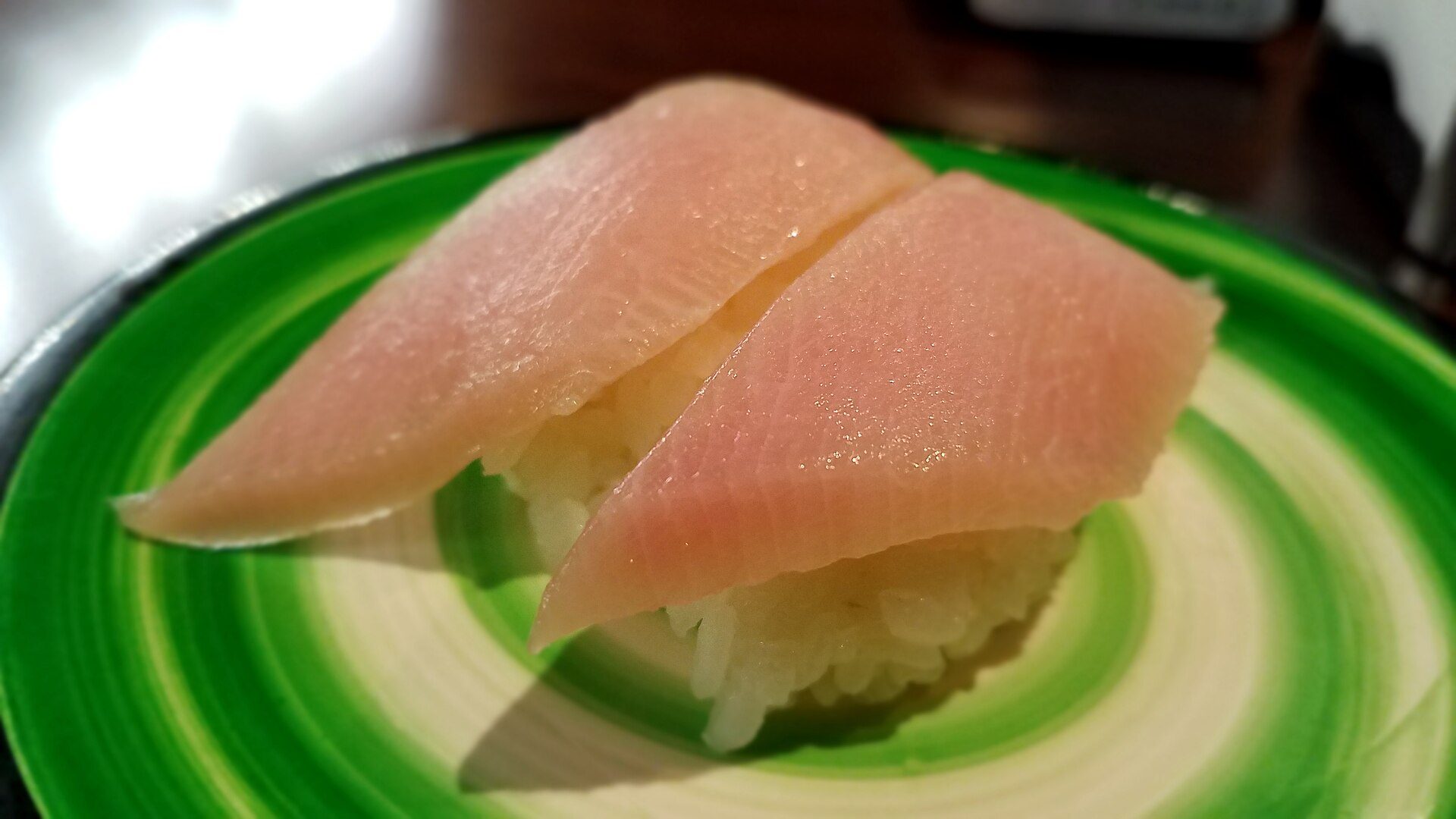
Sushi is often misunderstood outside Japan. The key word is sushi-meshi, vinegared rice. The fish is important, but the rice is what makes the dish sushi. That’s why tamago nigiri, cucumber maki, and inari sushi all count, even though they don’t rely on raw fish. In practice, sushi comes in several forms: nigiri, maki, chirashi, temaki, and oshizushi.
If you’re new to sushi, begin with maki and nigiri. They’re the easiest to read. Nigiri is a small oval of rice with a topping. Maki is rolled sushi cut into pieces. Chirashi is scattered sushi, usually served in a bowl. Serious though, if you ever make sushi at home, rinse the rice until the water runs clearer, then season it while it’s still warm. That’s when the vinegar absorbs well. My tip: use short-grain Japanese rice, not long-grain rice, if you want the proper texture. And it gets better: many supermarket sushi sets in Japan are made for lunch breaks, which is why they’re often milder and simpler than restaurant versions.



Onigiri: the most practical rice food
Onigiri is one of the easiest Japanese foods to understand, and one of the most useful. It’s a rice ball, usually triangular, sometimes round, with fillings such as umeboshi, salmon, kombu, tuna mayo, or okaka. The nori wrapper can be added for grip and flavour. Unlike what we’re used to in many Western lunchboxes, onigiri is meant to be handled, carried, and eaten without fuss.
Walk into a konbini, and you’ll usually find several onigiri at once. That’s not an accident. It’s a model of convenience food that still feels home-cooked. The shape helps the rice hold together. The filling keeps the centre interesting. If you’re studying Japanese, this is a good word to remember because it appears everywhere. You’ll see it in lunch guides, travel posts, and home-cooking content. Wild, isn’t it? A dish so simple can be one of the most recognisable symbols of Japanese daily life.
Tempura, miso soup, and other home-cooked basics
Did you know that many Japanese meals are built around a very calm structure? Rice, soup, one main dish, and a few side dishes. That pattern is common in washoku, the traditional style of Japanese food. It’s balanced, but not in a strict textbook way. It’s balanced because people have repeated it for generations and adjusted it to the season, the region, and the household budget.
Tempura looks fancy, but the method is straightforward. Light batter, hot oil, quick frying. The goal is a crisp coating that doesn’t weigh the ingredient down. Shrimp is common, but you’ll also see pumpkin, sweet potato, eggplant, shiso, and mushrooms. The batter must stay cold and loose. If it gets overmixed, the result turns heavy. That’s the catch. The texture depends more on technique than on exotic ingredients.
Miso soup is quieter, but it matters just as much. You start with dashi, then dissolve miso off the heat. Add tofu, wakame, negi, or seasonal vegetables. Don’t boil the miso hard. It flattens the flavour. In Japanese homes, miso soup often appears at breakfast or dinner, and the exact ingredients change with what’s available. What I especially like is that it teaches restraint. You don’t need many components to make a complete bowl. Just careful timing and a clean broth. Wait, there’s more.
How to choose what to try first
If you want a sensible tasting order, follow this list. First, try shoyu ramen, because it’s the easiest entry point. Second, eat onigiri from a good konbini or a small shop, because it shows you how practical Japanese food can be. Third, order nigiri sushi before moving into more specialised styles. Fourth, try vegetable tempura, so you can focus on texture. Fifth, make or taste miso soup with tofu and wakame, because it gives you the base vocabulary of Japanese home cooking.
Here’s the catch: not every dish needs to be dramatic to be worth learning. Some of the best Japanese foods are quiet, repetitive, and deeply functional. That’s part of their appeal. You’ll notice the same ingredients appearing again and again, but the preparation changes enough to keep things interesting. For learners, that repetition is useful. Terms like gohan, miso, dashi, nori, tamago, and shoyu will keep showing up, and each one becomes easier once you’ve tasted the dish attached to it. I hope this guide gives you a clearer way to read Japanese menus and cook with more confidence at home. If you want more practical Japan content, you can find more Japan news on jpnerd.com.
Frequently Asked Questions
What is the most common Japanese food for beginners?
Ramen and onigiri are usually the easiest starting points. They’re familiar, affordable, and easy to find in Japan.
Is sushi always raw fish?
No. Sushi is defined by vinegared rice, not raw fish. It can include vegetables, egg, and cooked seafood too.
What Japanese food should I learn first as a language student?
Start with ramen, sushi, onigiri, miso soup, and tempura. These words appear often on menus and in everyday conversation.