For Japan fans and learners, that makes Yoshimuraya more than a ラーメン (ramen, ramen; noodle soup) stop. It’s a good window into how 和 (wa, harmony), おもてなし (omotenashi, hospitality), and everyday service culture can show up in a bowl of noodles, without needing any grand speech. The reason is simple: Japanese food culture often says the most through routine, not slogans.


Yoshimuraya, the original home of Iekei ramen
家系総本山 吉村家, usually read as Yoshimuraya, sits at the centre of one of Japan’s best-known ramen styles. The phrase 総本山 (souhonzan, head temple; main headquarters), meaning head temple or main headquarters, already tells you how this shop is viewed, not just as a restaurant, but as the origin point of a whole ramen family.
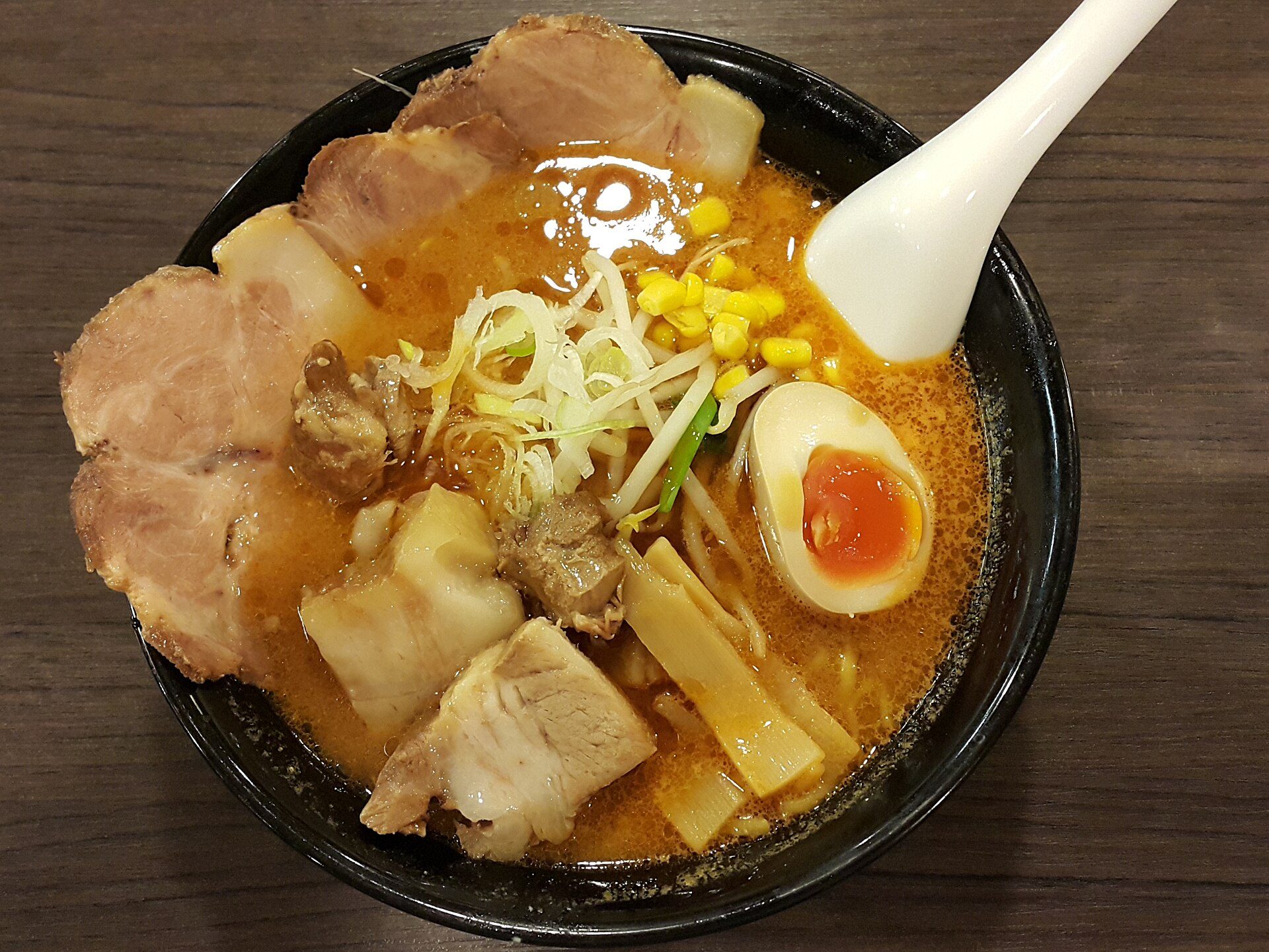
The style it helped define is 家系 (Iekei, house-style) ramen, a rich hybrid of 豚骨 (tonkotsu, pork bone broth) and shoyu that many ramen fans recognise by its thick soup, chewy noodles, and the familiar pile of spinach, nori, and chashu. Compared with lighter ramen styles, Iekei tends to feel forceful and direct, but it’s still highly tunable, with diners often choosing noodle firmness, soup richness, and oil level. That makes it a great vocabulary point for learners too, because words like koku, kaeshi, and katame show up all the time in ramen shops. But that’s not all.
The chairman and the late-night rhythm at 1 a.m.
Guess what? The most interesting part of the report isn’t only the ramen itself, but the host mentality around it. The Yoshimura family chairman appears as someone who still embodies the shop’s standards, and the key detail is the 1 a.m. hour, 深夜1時, when the restaurant’s atmosphere becomes especially telling, according to the original source, livedoor News.
That late-night timing matters because ramen culture in Japan is often linked with long hours, queue discipline, and a clear division of roles. A shop that can stay consistent deep into the night has to move with precision. The reason is simple: when people are tired, hungry, or coming in after work, they notice whether a place feels organised, calm, and respectful. In Japanese, you might describe that kind of customer care as omotenashi, though at a ramen counter it often looks less ceremonial and more practical. While we’re at it, this is where Japanese learning gets fun, because you can connect a cultural word to an actual service situation, not just a textbook definition.
Why the queue becomes part of the experience
A great example of Yoshimuraya’s appeal is the queue itself. For many visitors, waiting isn’t a flaw in the experience, it’s part of the signal that the shop matters, and that the kitchen is operating at a serious level. In Japan, a line can communicate trust, reputation, and patience all at once.
That doesn’t mean every famous queue is enjoyable, of course. But in the case of a respected Iekei shop, the line often works like a live review board, showing how locals and ramen fans vote with their feet. My tip: if you’re studying Japanese, pay attention to the words people use around queues, such as matsu for waiting, kyuukei for a break, and shoumen for the front. They pop up constantly in real-life signage and conversation. Classic Japan, isn’t it?
What makes the host philosophy stand out
What I especially like about this story is that it frames ramen as hospitality, not just flavour. Yoshimuraya’s chairman, the late-night timing, and the queue all point to the same idea: a famous shop still depends on human rhythm, not just branding.
That matters for learners because Japanese service culture often hides in plain sight. You may hear polite greetings, see careful bowl delivery, or notice how staff manage the flow of people without making a scene. Those little behaviours say as much about Japan as the broth does. From my experience, well, let’s put it this way: for readers studying Japanese, this is a reminder that food vocabulary and cultural vocabulary are often the same lesson. But that’s not all.
Frequently Asked Questions
What is Yoshimuraya known for?
It is known as the original and most famous home of Iekei ramen.
Why does the chairman matter in this story?
The chairman represents the family leadership and the shop’s host-like service philosophy.
Why is the 1 a.m. detail important?
It shows how seriously the shop’s rhythm, staffing, and customer flow are treated late at night.