For Japan fans, this is more than a business headline. It’s also a useful travel signal, because the action is spread across Fukuoka’s Tenjin, Daimyo, and Hakata districts, which makes the city feel especially lively for visitors who like seeing where modern Japan is heading. Not bad, right?


RAMEN TECH 2026 starts a five-day Fukuoka city event
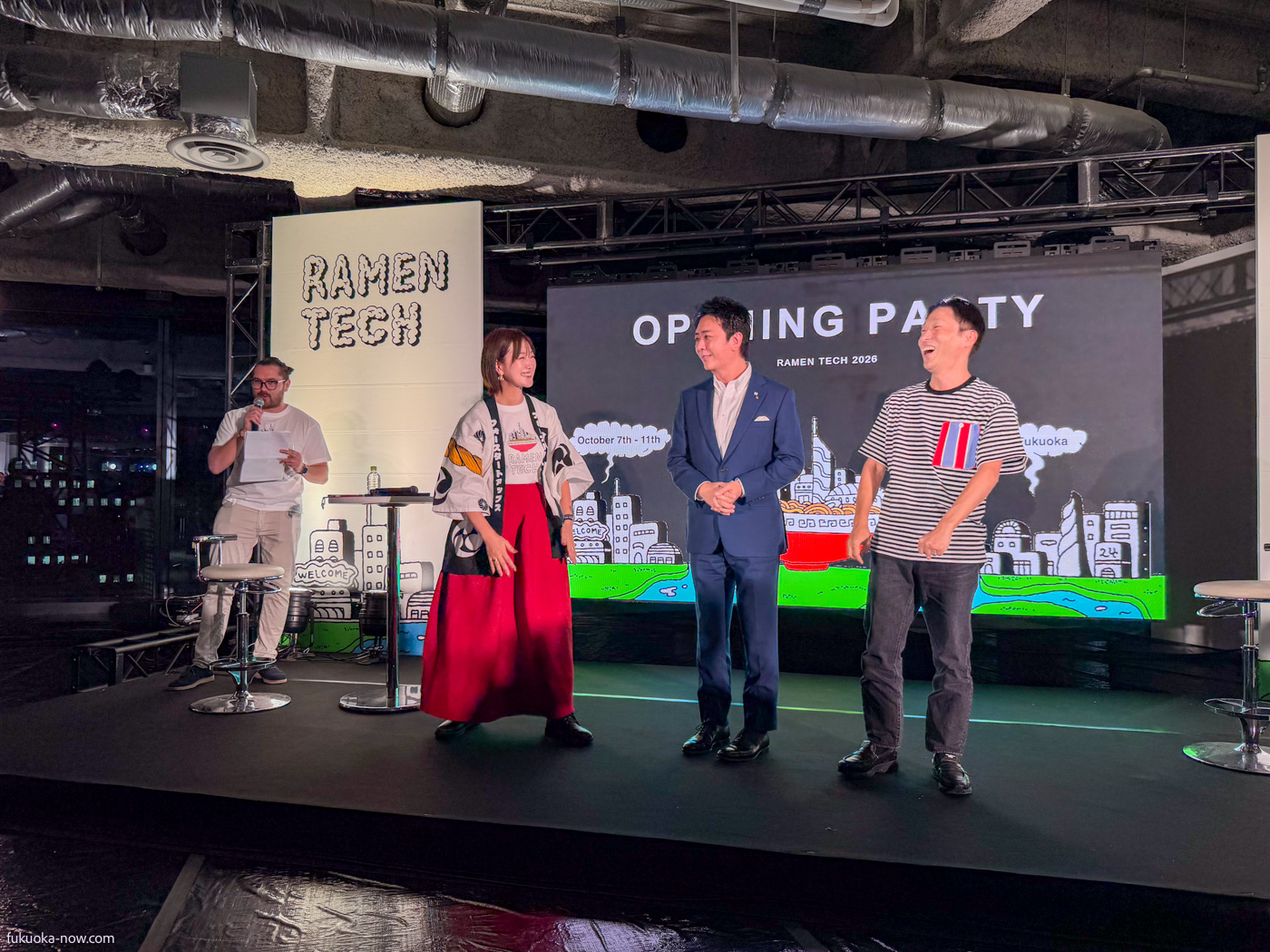
RAMEN TECH 2026 opened on October 7 and runs for five days across Fukuoka, centred on Tenjin, Daimyo, and Hakata. The main launch gathering took place on the 10th floor of Tenjin Business Center II, with startups, investors, creators, and backers from Japan and overseas all in the same room, according to Fukuoka Now.

The reason is simple: this isn’t a single conference hall event, but a citywide innovation week. That makes it interesting for travellers too, because the atmosphere spills into neighbourhoods people actually walk through, eat in, and shop in. If you’re learning Japanese, this kind of setting is also great for hearing practical words like 経済 (keizai, economy), 会社 (kaisha, company), and 仕事 (shigoto, work; job) in a real-world context. See what I mean?
Why Tenjin matters for travellers
Tenjin is Fukuoka’s busiest urban centre, and it’s one of the easiest places in Kyushu to feel the pace of a modern Japanese city. Speaking of which, RAMEN TECH using this area as a launch point makes sense, because Tenjin links department stores, offices, train access, and nightlife in a way that feels very walkable.

What many overlook is that Fukuoka is often a softer entry point than Tokyo or Osaka for visitors who want a big-city feel without the same scale of crowds. That’s why events like this can be useful travel markers. If you’re planning a Kyushu trip, it’s a good excuse to check what’s happening in Tenjin, then branch out to Daimyo for cafes or Hakata for food and transport. Classic Japan, isn’t it?
What the event says about modern Fukuoka
RAMEN TECH isn’t just about startups showing off apps and business ideas. It also reflects how Fukuoka keeps building a reputation as a place where local and international networks can meet quickly. According to the coverage, the opening brought together people from Japan and overseas, which is exactly the kind of cross-border mix that gives a city event more energy than a closed industry meeting.

To be fair, not every traveller will be there for investor networking, and that’s fine. But even from a tourism angle, events like this can shape the mood of a district. You may notice fuller hotels, busier cafes, and more English-friendly activity around central Fukuoka. My tip: if you like observing urban Japan beyond temples and shrines, this is the sort of week worth watching. Personally...
Japanese learning angle: useful words to know
If you’re studying Japanese, this story gives you a neat cluster of vocabulary connected to business and travel. You’ll see words like Tenjin, Hakata, and Fukuoka often in transport signs, event listings, and hotel maps, while terms like startups can appear as スタートアップ (sutatappu) in casual writing. The reason is simple: city news teaches you how Japanese is used in real places, not just in textbooks.

Let me show you why this matters. When you read event coverage, you start recognising patterns in place names, district names, and business language. That makes it easier to follow local news, book side trips, and understand where an event is actually happening. For Japan fans, that can turn a simple article into a travel planning shortcut. Sounds good, right?
Frequently Asked Questions
What is RAMEN TECH 2026?
It is a five-day innovation event in Fukuoka that brings together startups, investors, and supporters from Japan and abroad.
Where did it begin?
The opening party took place on the 10th floor of Tenjin Business Center II in Fukuoka.
Why should Japan travellers care?
Because the event adds extra energy to Tenjin, Daimyo, and Hakata, making central Fukuoka even more interesting to explore.