
If you want a practical onsen stop with real options for an overnight stay, this is a strong candidate. And if you’re learning Japanese, the place gives you plenty of usable vocabulary without making a fuss about it.
Picture this: you leave Sendai Station, ride west for a bit, and the city starts to loosen its grip. Sakunami Onsen isn’t remote in the dramatic sense, but it does enough to change your pace. That matters. A bath feels better when your body’s had to arrive somewhere.
Here’s the deal: Sakunami Onsen sits in the hills west of Sendai, along the Hirose River, and that geography does half the work for you. The valley gives the area its quiet, while the river and the surrounding slopes make the scenery shift with the year: spring green, summer humidity, autumn colour, winter snow. Classic Japan, isn’t it?
Getting to Sakunami Onsen from Sendai
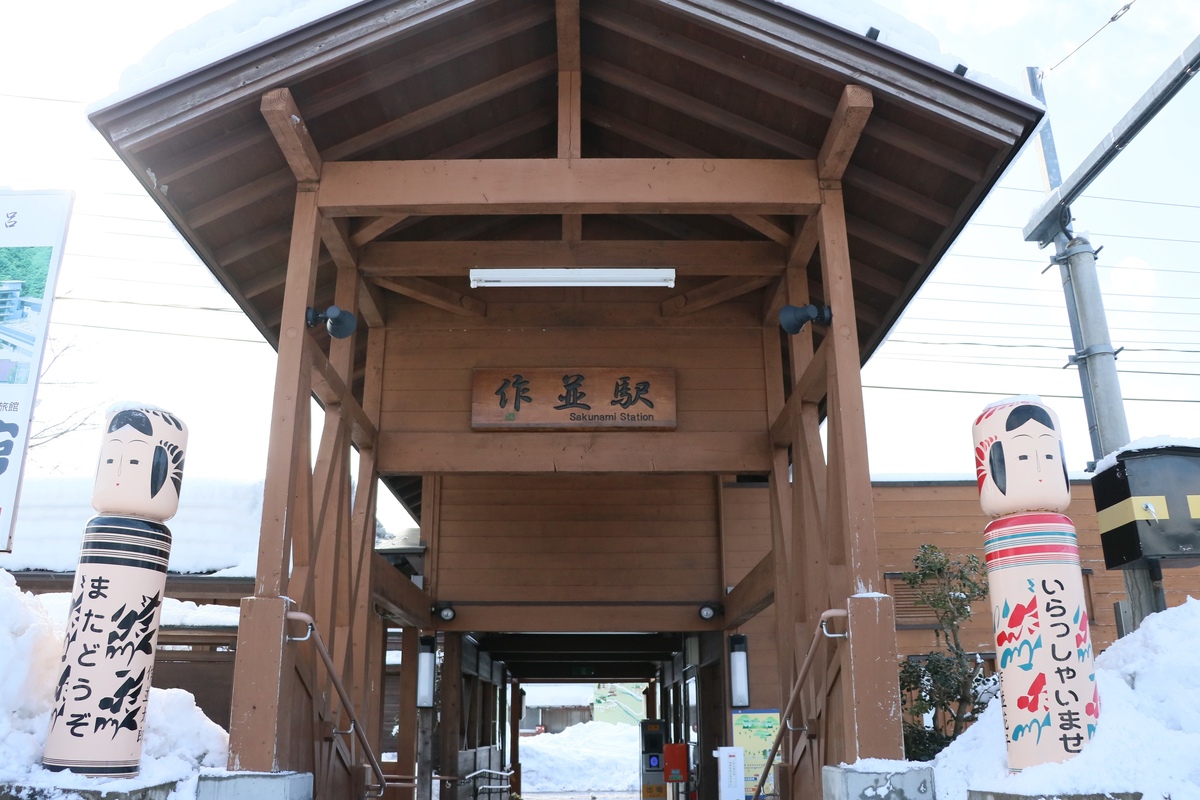
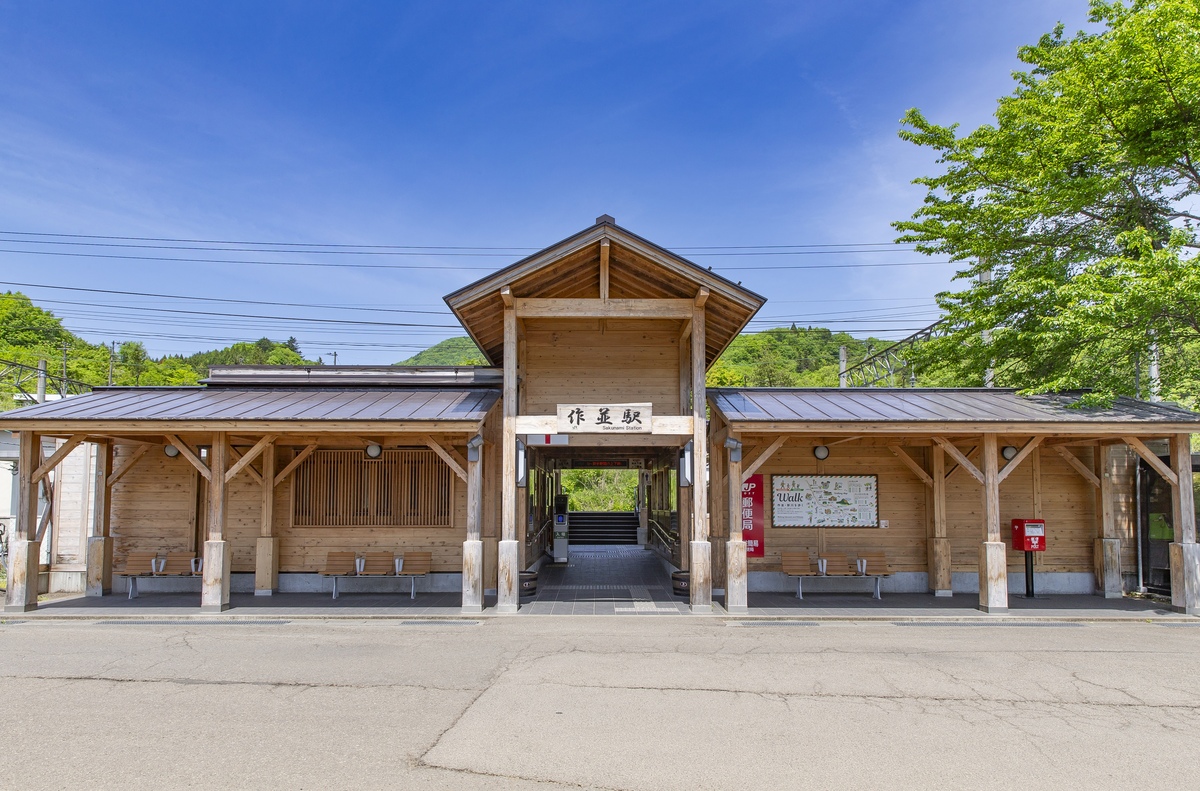
The easiest route is by train. Take the JR Senzan Line from Sendai Station toward Yamagata and get off at Sakunami Station. The ride is usually around 40 minutes, and from there many ryokan and bathhouses arrange a pickup, or sit within a reasonable walk if you travel light. Check the timetable before you go, because local lines don’t care about your plans.
By car, the trip is straightforward as well, and that’s useful if you want to combine a soak with a wider loop through the mountains. The drive from central Sendai is roughly 30 to 45 minutes depending on traffic and weather. In winter, you’ll want proper tyres and less bravado than your average internet road tripper. No joke:
What many overlook: Sakunami works well as a half-day escape, but it gets better if you stay overnight. The last train back to Sendai is the kind of fact that gently reorganises your evening, so keep it in mind before you order the second drink. If you only have a couple of days in the area, I’d still prioritise one night here over trying to squeeze it into a lunch outing.
Ryokan choices and what to look for
Ryokan in Sakunami tend to lean into the valley setting rather than fight it. You’re usually choosing between rooms with river views, older buildings with strong atmosphere, and newer places that trade a little soul for easier access and cleaner lines. I like the older ones, provided they’re maintained. Texture matters. So does a floor that doesn’t complain underfoot.
Room style, bath style, and meals
My tip: look first at the bath situation, then at the meals, then at the room. A private open-air bath, or 露天風呂 (rotenburo), changes the whole stay. If that’s out of budget, a solid shared bath with good water quality is still enough. Many ryokan also offer 懐石料理 (kaiseki, kaiseki multi-course meal) dinners, though the exact menu depends on season and price band. Expect local fish, mountain vegetables, tofu, and the kind of careful plating that says the kitchen hasn’t been rushed.
If you’re picking between properties, check whether dinner and breakfast are included, whether the booking page explains shuttle service, and whether the room has a toilet and bath. These details sound small until you’re standing in socks, tired, and hungry. Then they’re the whole game. From my experience...



Oh, almost forgot: if you want a gentler introduction to ryokan language, learn these words before you go, because they’ll appear everywhere: 宿 (yado, lodging; inn) for lodging, 部屋 (heya) for room, 食事 (shokuji) for meals, and 入浴 (nyuyoku) for bathing. You don’t need a full vocabulary sheet to enjoy the place. But knowing a few terms makes check-in smoother, and it makes the whole scene feel less sealed off.
Hirose River, seasonal nature, and why the setting matters
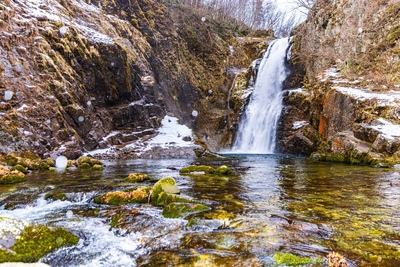
Speaking of which... the Hirose River isn’t just a backdrop. It gives Sakunami its line, its temperature, and its mood. When you step out of the bath and see water moving below the trees, the place becomes more than a row of buildings with hot springs attached. It becomes a landscape you can actually sit inside.
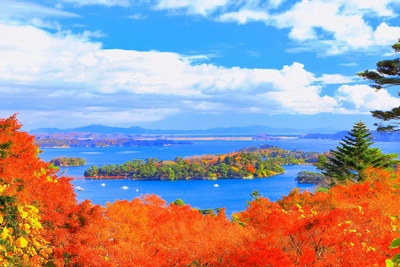
Spring brings fresh leaves and that clean, almost bright smell after rain. Summer is lush and a little heavy, which makes the baths feel especially useful. Autumn is the season most people talk about, and for good reason: the slopes turn red and gold, and the river valley holds the colour longer than the city does. Winter is the quiet one, and if you like snow scenery, that’s the time to go. Not bad, right?
The first time I went to Japan, I thought scenery was something you photographed and moved on from. Now I know better. In places like Sakunami, the scenery is part of the visit’s rhythm. You sit, you walk, you soak, you look again. Small acts, repeated. That’s the whole argument for going out to the edges of a city.
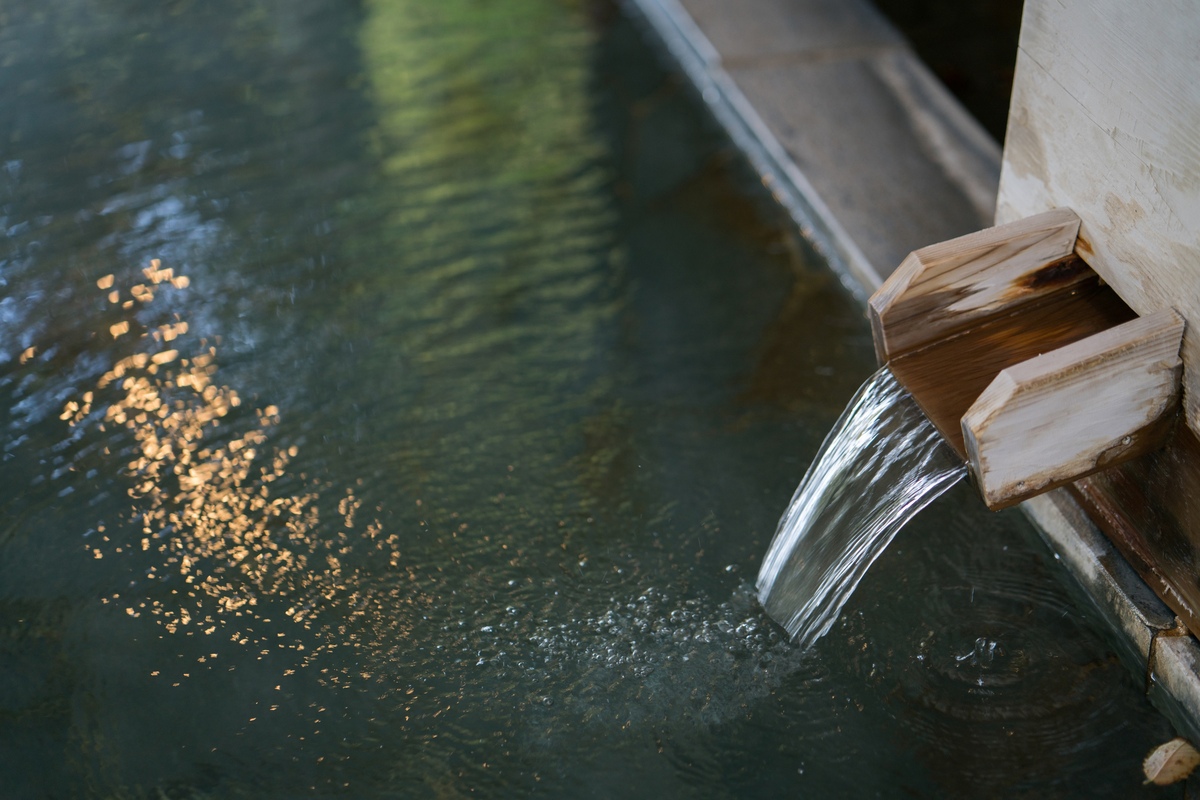
Onsen etiquette and accessibility in Sakunami
Onsen etiquette is simple once you stop treating it like a quiz. Wash first. Rinse well. Keep towels out of the bath water. Don’t let your hair drift about like you’re starring in a shampoo commercial. That’s really most of it. If you have tattoos, check the policy in advance, because rules vary by ryokan and by bathhouse.
The useful Japanese vocabulary here is also fairly plain: onsen means hot spring, 谷 (tani, valley) is not your word here, but yubune is the bathtub, and 入れますか (hairemasu ka, may I enter? / can I go in?) means, roughly, “can I enter?” Use that last one when you need to ask staff about access or restrictions. Your pronunciation doesn’t have to be perfect. Polite intent goes a long way.
Accessibility is a mixed picture, and I want to be honest about that. Older ryokan may have steps, narrow corridors, or baths that are lovely and not especially easy for people with mobility issues. Newer properties are usually better, though not always. If you need level access, confirm it directly before booking. Ask about stairs, handrails, shuttle pickup, and whether the bath area has seating or supports. Do the boring work now. It pays off later.
If you travel from Sendai without a car, the combination of train access and a ryokan shuttle is usually the cleanest solution. If you want more freedom, driving lets you move between river views, meal stops, and the baths without watching the clock quite so hard. I prefer the train in shoulder seasons, when the walk from the station adds a little silence to the day. That’s it.
In pictures
Frequently Asked Questions
How long does it take to reach Sakunami Onsen from Sendai?
About 40 minutes by JR train from Sendai Station, or roughly 30 to 45 minutes by car depending on traffic and weather.
Can I visit Sakunami Onsen as a day trip?
Yes, but an overnight stay makes the area much more rewarding. The last train back to Sendai is worth checking before you go.
Is Sakunami Onsen suitable for first-time onsen visitors?
Yes. The etiquette is straightforward, and many ryokan staff are used to helping first-timers with check-in and bath procedures.
If you want to keep reading about Japan, try more Japan news on jpnerd.com. More soon, / C


