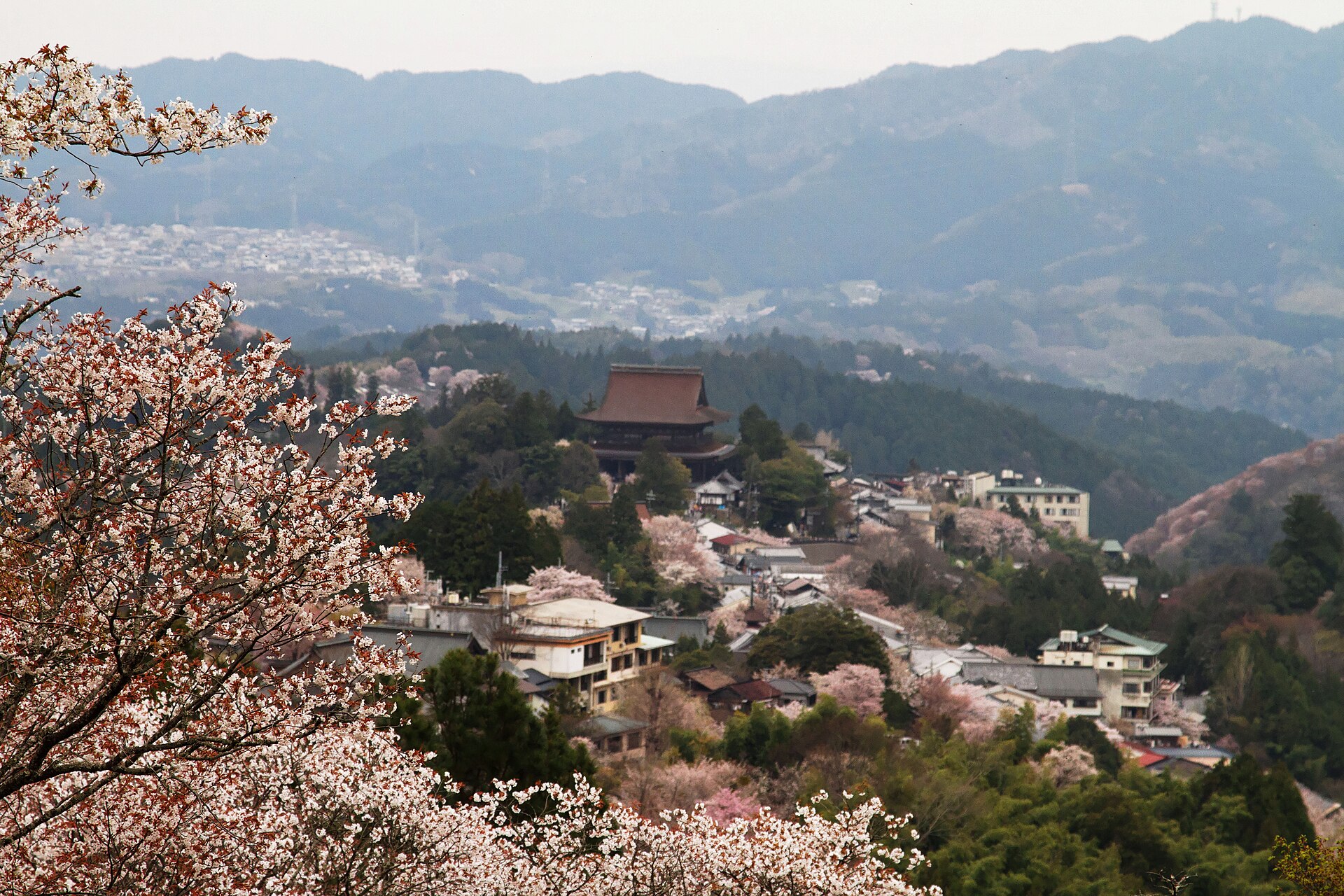
The best part is that this isn’t just a quick photo stop. It’s a real travel target, with a clear sense of place, a strong sense of elevation, and enough atmosphere to make the walk up feel like a small journey through 侍 (samurai, warrior)-era Japan.



Takatori Castle Ruins and the Appeal of a Real Castle Hill
Takatori Castle ruins sit on Mount Takatori in Takatori Town, Nara Prefecture, and that location changes everything. This isn’t a castle you casually pass on a city stroll; it’s a mountain fortress site with the kind of climb that turns a sightseeing stop into an outing. The castle was first built in the late 16th century, and the mountain setting still gives it that serious, defensive feel.
Did you know that Takatori Castle is often counted among Japan's most important castle ruins? The site was once held by the Takatori clan, later associated with Todo Takatora, one of the most respected castle builders of the 戦国 (Sengoku, Warring States period) and early Edo periods. That name matters. Takatora's work shaped several major fortresses, and Takatori Castle reflects that practical, military-minded style. No wonder, because these walls were built for control, not comfort.
What I especially like is that even without a standing keep, the site doesn’t feel empty. The stone bases, terraces, and paths create a strong sense of scale. Sounds odd, but it’s true: a ruined castle can feel more alive than a rebuilt one when the mountain itself does so much of the storytelling. Still, let’s stick with Takatori for now.
Why Takatori Castle Feels Like a Mountain Hike Destination
Here’s the thing: many Japanese castle ruins are scenic, but Takatori has real burgberg-character, if you want the German idea in plain English, a castle hill that asks you to earn the view. The main approach is a walk uphill through forested slopes, and that slow climb is part of the experience. You don’t just arrive; you gradually get pulled into the site’s historical mood.
The reason is simple: the castle was built to dominate the surrounding area from above. That means visitors today get the same broad sightlines that once mattered for defence and control. On a clear day, the views over the Yamato Basin are a reward in themselves. It’s the sort of place where you stop, breathe, and think about how people managed supplies, patrols, and daily life up here centuries ago. Sounds good, right?
Insider tip: don’t treat it like a quick temple detour. Wear proper shoes, bring water, and give yourself time. Even if you’re reasonably fit, the uphill sections and uneven ground can slow you down. The climb isn’t extreme, but it’s enough to make the destination feel earned, and that makes the final stonework even more satisfying.
History Details for Japan Fans and Japanese Learners
Fun fact: the castle is tied to the turbulent late 1500s, when regional lords were constantly fortifying key positions. Takatori Castle belonged to a class of mountain castles, or 山城 (yamajiro), which were designed to use terrain as a weapon. That word, yamajiro, is a useful one for Japanese learners, because you’ll see it in books, guide signs, and local history materials.



By the way, another good term to know is 天守 (tenshu), the main keep. Takatori Castle no longer has one standing, but the ruined foundations still help you imagine where the central structures once stood. If you like learning Japanese through travel, sites like this are perfect because the vocabulary is practical, not abstract. You might see words such as 石垣 (ishigaki) for stone walls, or 蔵 (kura) for storehouses, depending on the guide boards and local materials.
Before I forget, Takatori is also a good place to understand how Japanese castle tourism works outside the big headline spots like Himeji or Osaka. Smaller historical sites often offer more quiet, more hiking, and less rush. My tip: if you enjoy reading signs in Japanese, take your time with the local explanations. Even basic kanji recognition can make the visit feel richer, especially when place names and castle terms repeat along the route. Not bad, right?
How to Plan a Takatori Castle Ruins Day Trip
Takatori Town is in central Nara Prefecture, so the trip works well as a day outing from Nara City or even from the Kansai area with some planning. The castle area is most often approached from the lower part of town, then followed by a mountain trail to the ruins. Depending on your pace and route, you should expect a proper walking visit rather than a short monument stop.
Here’s the kicker: the season changes the whole feel. In cooler months, the climb is more comfortable and the visibility is often better. In warmer months, the forest gives welcome shade, but the humidity can make the ascent tougher. If you like photography, early morning is best, because the light is softer and the mountain mist can make the ruins look even older than they are. It’s the kind of early morning weather you get in Kyoto, or nearby at least, that makes castle ruins feel cinematic.
Takatori also works well for travellers who like mixing history with light adventure. You can pair the hike with a relaxed lunch in town, then keep the rest of the day flexible. There’s no need to rush, and that’s part of the charm. Japan travel often rewards the places you have to walk for, and Takatori Castle ruins are a perfect example. Still, there’s more.
Why this site stands out for Japan travel
Unlike many reconstructions, Takatori gives you authentic terrain, original stone remains, and a climb that connects the present to the past. For history fans, that combination is gold. For travellers, it means the visit feels active rather than passive. And for Japanese learners, it gives you memorable words attached to a real landscape, which helps the vocabulary stick.
No wonder, because places like this make Japan feel deeper than a checklist of famous landmarks. You leave with mud on your shoes, a few useful words in your head, and a better sense of how castles actually worked in daily life. That’s the kind of travel memory that lasts. Sounds good, right?
Frequently Asked Questions
Is Takatori Castle worth visiting if I only like ruins a little?
Yes. The mountain setting, the climb, and the stone remains make it feel like a full outing, not just a quick stop.
How difficult is the walk to the ruins?
It is manageable for most visitors, but it is a proper uphill hike with uneven sections, so good shoes help a lot.
Can Japanese learners get value from this kind of trip?
Definitely. Castle and hiking routes are great for picking up place-based vocabulary, especially words related to stone walls, keeps, and mountain castles.