If you like Japan history with your maple-leaf season, Arima is exactly the sort of place that rewards slow wandering. Wild, isn’t it?



Arima Onsen in Kita-ku, Kobe: where history meets hot water
Arima Onsen sits in Kita-ku, the northern part of Kobe, tucked into the mountains of Hyogo Prefecture. It’s one of Japan’s oldest hot-spring towns, and the atmosphere still feels old-school in the best way, with ryokan, narrow lanes, and the smell of mineral-rich water in the air.
What I especially like is how easy it is to pair a cultural stroll with a proper soak. You’re not just visiting an onsen town, you’re stepping into a place that’s welcomed travellers, samurai, and bath lovers for centuries. That’s why Arima still stands out, even among Japan’s many famous hot-spring spots. Convinced yet?
Zuihoji Park and the quieter side of autumn leaves
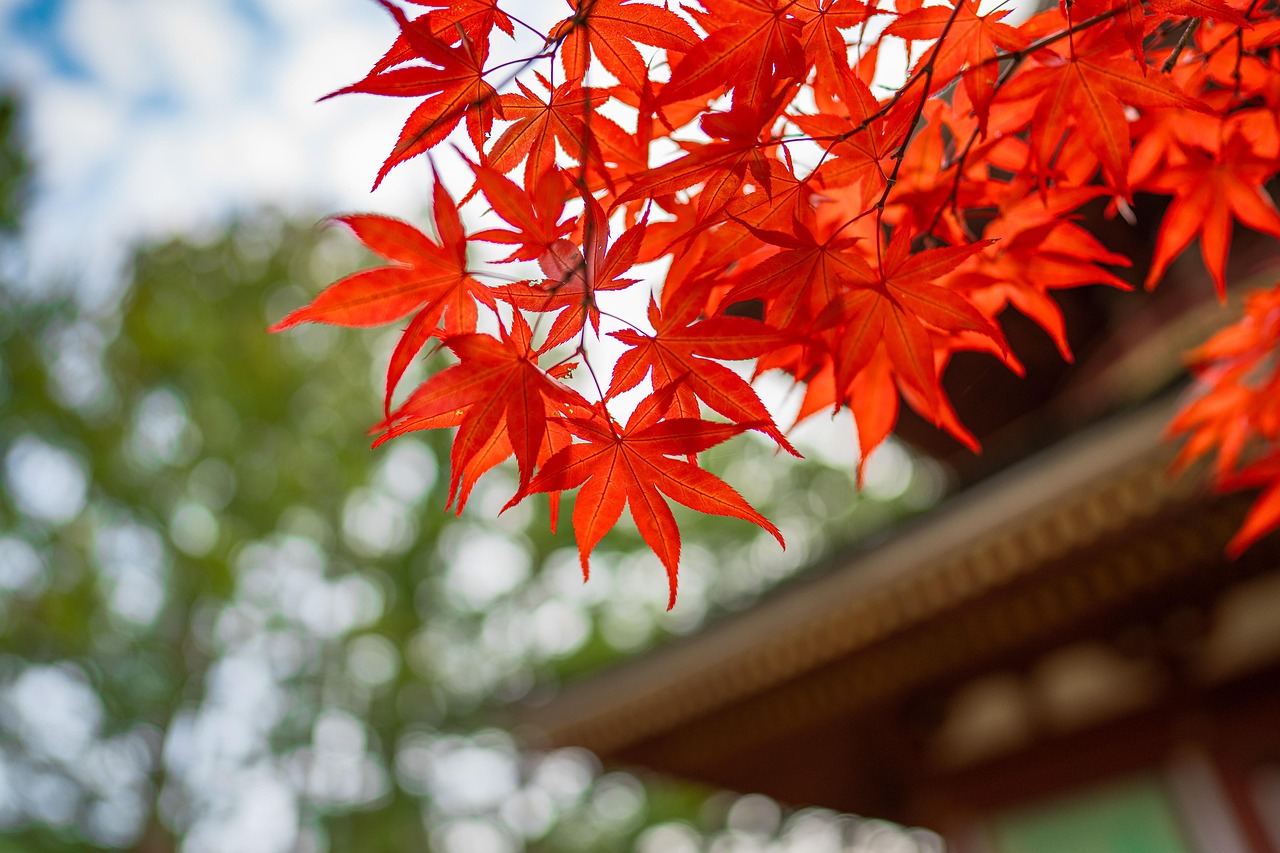
Guess what? The autumn colour in Arima isn’t only about bright red momiji. Zuihoji Park, a temple area associated with the historic Zuihoji temple grounds, is especially known for its calmer, greener autumn scenery, where leaves shift gradually instead of switching to full blaze all at once.
That softer palette gives the area a different mood. For example, instead of chasing the biggest photo spot, you can notice layers of green, yellow, and early red, with stone paths and temple details making the whole scene feel more intimate. On a related note, this is exactly the kind of setting that makes Japanese seasonal words come alive, like momiji for autumn leaves and ryokuchi for green space. See what I mean?
Why the green autumn look matters
Unlike what we’re used to in many leaf-peeping destinations, the appeal here isn’t always dramatic peak colour. The charm lies in the transition, and that slow change makes the walk feel more thoughtful. Pro tip: if you’re studying Japanese, this is a good moment to learn how locals talk about autumn with words like aki for autumn and ko yoi for a slightly subdued evening mood. Pretty brilliant.
Toyotomi Hideyoshi and Arima Onsen’s lasting legacy
Plot twist: Arima Onsen isn’t just a pretty hot-spring town, it also has a serious historical connection to Toyotomi Hideyoshi. Hideyoshi, the late 16th-century warlord who unified much of Japan, was known to visit Arima and support its development. In practical terms, that patronage helped raise the area’s status and keep it important.



No joke: Hideyoshi’s name still gives Arima a certain gravitas. When you walk around the town, the history doesn’t feel locked away in a museum, it feels woven into the streets, the bath culture, and the local pride. If you enjoy castle towns, shrine routes, or old post-town atmosphere, Arima gives you a related kind of time-travel feeling, just with steam instead of battlements. Personally, I love that mix.
Why Arima works so well as a Kobe autumn trip
Arima is only a relatively short trip from central Kobe, yet it feels much farther away from the city’s port-side energy. That contrast is half the appeal, because you can spend the morning by the harbour or in Sannomiya, then move into the mountains for onsen and leaves in the afternoon.
Here’s the catch: Arima is popular, so weekends can get crowded, especially during peak leaf season. If you want a calmer visit, aim for a weekday morning, then linger over lunch in a ryokan or a small sweets shop. My tip: try walking uphill first, then relaxing in a bath later, so your body earns the soak and the town feels even more rewarding.
On the flip side, if you’re only in the area for a few hours, you can still get a satisfying experience. A compact route through the older streets, a stop at Zuihoji Park, and a visit to a bathhouse can fit neatly into half a day. That flexibility is one reason Arima remains such a reliable Japan travel spot, especially for autumn. Highly recommended.
Japanese learning notes for Japan fans
If you’re learning Japanese, Arima Onsen is also a handy vocabulary playground. You’ll see onsen, ryokan, momiji, temple names, and plenty of old-town phrases that come up again and again in travel guides. Knowing a few of them makes signage and guidebooks much less intimidating.
For example, the word yu means hot water, while yubatake-style imagery and bath-related expressions show up all over Japan. Arima also connects neatly with words for seasonality, like aki, haru, and natsu, but autumn is the real star here. That seasonal sensitivity is a huge part of Japanese travel culture, and Arima lets you experience it without the rush of a giant sightseeing circuit. Know that feeling when a place teaches you both history and vocabulary at once? That’s why it sticks with you.
Frequently Asked Questions
Where is Arima Onsen located?
Arima Onsen is in Kita-ku, Kobe, in Hyogo Prefecture, north-west of central Kobe.
What makes Zuihoji Park worth visiting in autumn?
It offers a quieter autumn-leaf atmosphere, with a softer mix of green, yellow, and red around temple grounds.
Why is Toyotomi Hideyoshi connected to Arima Onsen?
He visited and supported the area, helping Arima grow in status as a famous hot-spring destination.