
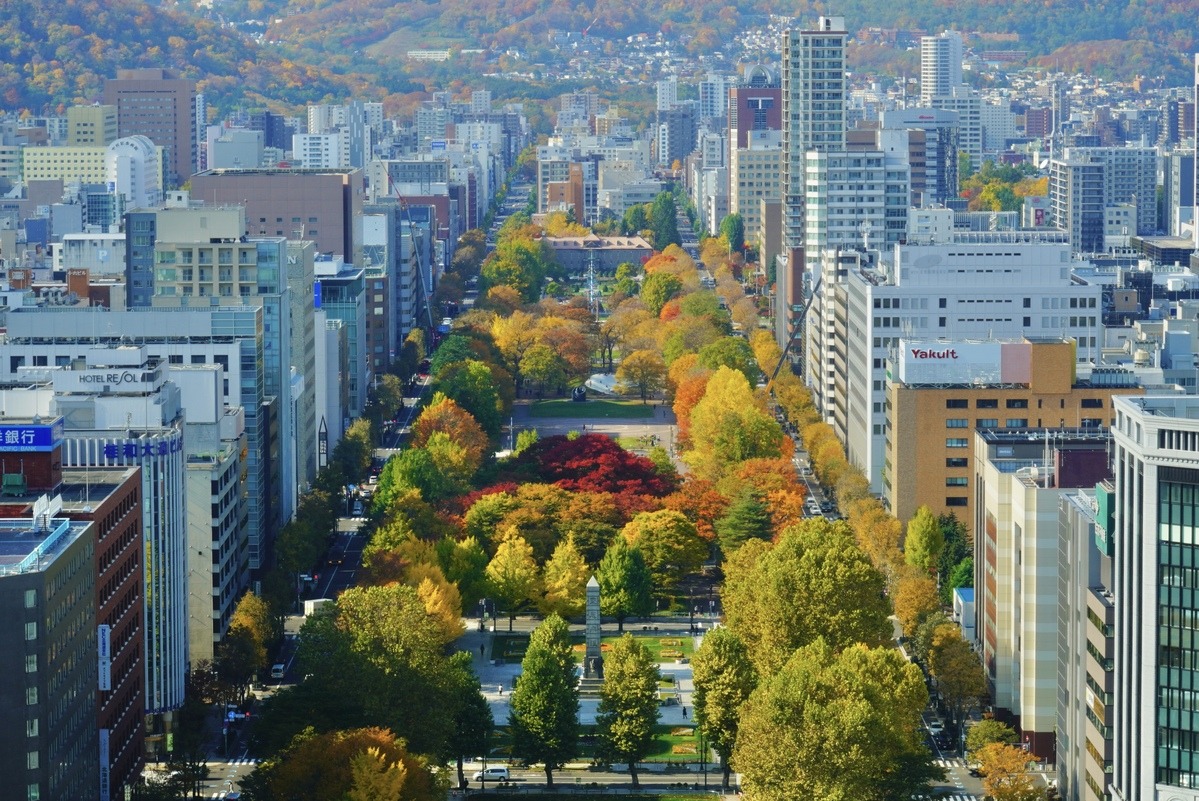
The best part is how spread out the season is, from early colour in the mountains to later foliage in the plains. That gives you a real travel advantage, especially if you're studying Japanese and want to pair sightseeing with a bit of seasonal vocabulary, like 紅葉 (koyo, autumn leaves), 紅葉 (momiji, red maple leaves), and onsen.



Hokkaido autumn travel: why the scenery feels so different
Hokkaido autumn travel has a rhythm all its own. Because the island sits so far north, the first leaves can turn much earlier than in Tokyo or Kyoto, and the temperature drops fast once September arrives. That means you can see mountain ridges, lava fields, lakes, and city parks all glowing at different times, sometimes in the same week if you move around enough.
Compared with back home, the scale feels bigger, the air feels cleaner, and the light has a sharper edge. No wonder, because Hokkaido is built for outdoor travel, with wide roads, huge national parks, and plenty of onsen towns that make a cold evening feel like a reward rather than a problem. If you know the word koyo, it simply means autumn leaves, while momiji often refers to the red maple leaves people love to photograph. Classic Japan, isn't it?
On a related note, the seasonal window matters a lot. In the highlands of Daisetsuzan National Park, foliage often starts in mid-September, while lower areas like Sapporo and the wider central plains usually peak later, often from mid-October into early November. That spread is what makes Hokkaido such a smart autumn destination, because one trip can catch several stages of colour. But let's stick with the scenery for now.
Daisetsuzan and Sounkyo: early autumn in the mountains
Daisetsuzan National Park is where many people start their Hokkaido autumn hunt. It's Japan's largest national park, and its alpine terrain means the first cold nights arrive early. Around the Asahidake ropeway area and the Sounkyo Gorge side, leaves can change from the summit downwards, creating what feels like a moving wave of colour.
For example, if you visit in mid-September, you may already see gold larch trees, deep green valleys, and the first patches of red against volcanic rock. That contrast is what makes the area special, not just the leaves themselves. The scenery feels raw and a little wild, with steam rising near hot spring inns and rugged peaks looming above the trees. Speaking of which, Sounkyo Onsen is a great base if you want to stay overnight and wake up before the day-trippers arrive.
What to look for in Daisetsuzan
The best photos often come from higher ground, where the colour layers are easiest to see. Try to catch a mix of birch, larch, and maple trees, because each one turns at a slightly different pace, giving the hills more texture. If you only have one day, aim for early morning. The light is softer, the trails are calmer, and the mountain air has that unmistakable autumn bite.
My tip: bring a light jacket even if the forecast looks mild. The temperature in the mountains can drop fast, and you'll enjoy the scenery more if you're not shivering. Wild, isn't it? A place this grand can also be one of the coldest parts of your whole trip. But that's not all.
Biei, Furano, and Shikisai no Oka in fall
Let me show you why the Biei and Furano area keeps showing up on Hokkaido travel lists. This region is famous for rolling farmland, dramatic sky views, and a very photogenic patchwork landscape. In autumn, the fields may not have the same bright flower carpets as summer, but the hills, tree lines, and distant mountains take over, and the whole area feels calm in a way city travel rarely does.



Shikisai no Oka, near Biei, is known for its enormous flower fields in warmer months, but autumn changes the mood completely. The land looks softer, the colours become more muted, and the surrounding hills start to glow with yellow and orange tones. If you rent a car, this is one of the easiest places to enjoy a slow scenic drive. If you don't drive, a day tour from Biei or Furano is the simpler option, because rural transport can be patchy.
For Japanese learners, this is a nice place to practise seasonal words in context. You might hear 秋 (aki) for autumn, 風 (kaze) for wind, and momiji for the leaves. Those words sound simple, but when you see the landscape in person, they stick much better. The best part is that you can pair them with real travel notes in your phone, which makes revision feel less like study and more like trip memory. Convinced yet?
Why this area works so well for slow travel
The roads between Biei and Furano are wide, the traffic is usually manageable outside peak weekends, and there are enough viewpoints to keep the day moving without feeling rushed. If you like photography, try stopping at hilltop lookouts just before sunset. The farmland silhouettes against an orange sky can be stunning, especially when a line of poplars turns yellow along the road.
Plot twist: some of the most memorable moments here aren't grand at all. A small shrine, a farmhouse, or a single tree on a ridge can end up being the image you remember most. That's very Hokkaido, because the scale lets simple things breathe. And when the evening cools down, a local bakery or a quiet ryokan dinner starts to look very appealing. But that's not all.
Lake views, city parks, and the late-season colour sweep
Hokkaido's autumn doesn't stay in the mountains. As October moves on, the colour spreads across the island, reaching places like Sapporo, Lake Toya, and the roads around the Shakotan and Akan areas. In the city, parks and temple grounds can be surprisingly pretty, especially if you time your visit for the second half of October. The changing leaves and the first cold mornings make even a simple walk feel seasonal.
Lake Toya is worth a look if you enjoy scenery with water in the frame. The lake sits inside a volcanic caldera, and when the surrounding hills turn red and yellow, the whole view feels layered. If you stay nearby, you can also enjoy the onsen scene and, in some seasons, lakeside fireworks that continue into late October. On a related note, that combination of hot water, cool air, and evening colour is about as Japanese travel as it gets.
For a city break, Sapporo is handy because it blends autumn leaves with easy food options and good transport. You can visit Maruyama Park, Hokkaido Shrine, or Moerenuma Park and still be back for a proper dinner without any stress. Not bad, right? For a Japan fan, that's a nice balance between nature and convenience.
What I especially like is that Hokkaido autumn never feels one-note. Mountain drama, farm country, lakes, city parks, and hot springs all sit within the same season, yet each area has its own pace. That variety is what keeps people coming back year after year, even if they've already seen Kyoto in fall. Personally, I think Hokkaido is the better choice if you want space, slower crowds, and a stronger sense of movement in the landscape.
Frequently Asked Questions
When is the best time to see fall colours in Hokkaido?
Highland areas can start changing in mid-September, while lower areas often peak from mid-October into early November.
Is Hokkaido good for a first autumn trip to Japan?
Yes. It's easier to enjoy if you want wide landscapes, cooler weather, and fewer crowds than many mainland hotspots.
Do I need a car to see the best scenery?
Not always, but a car helps a lot in rural areas like Biei, Furano, and parts of Daisetsuzan.
For more travel updates and Japan news, visit more Japan news on jpnerd.com.


