
Hakone Suishoen and the appeal of a revived ryokan
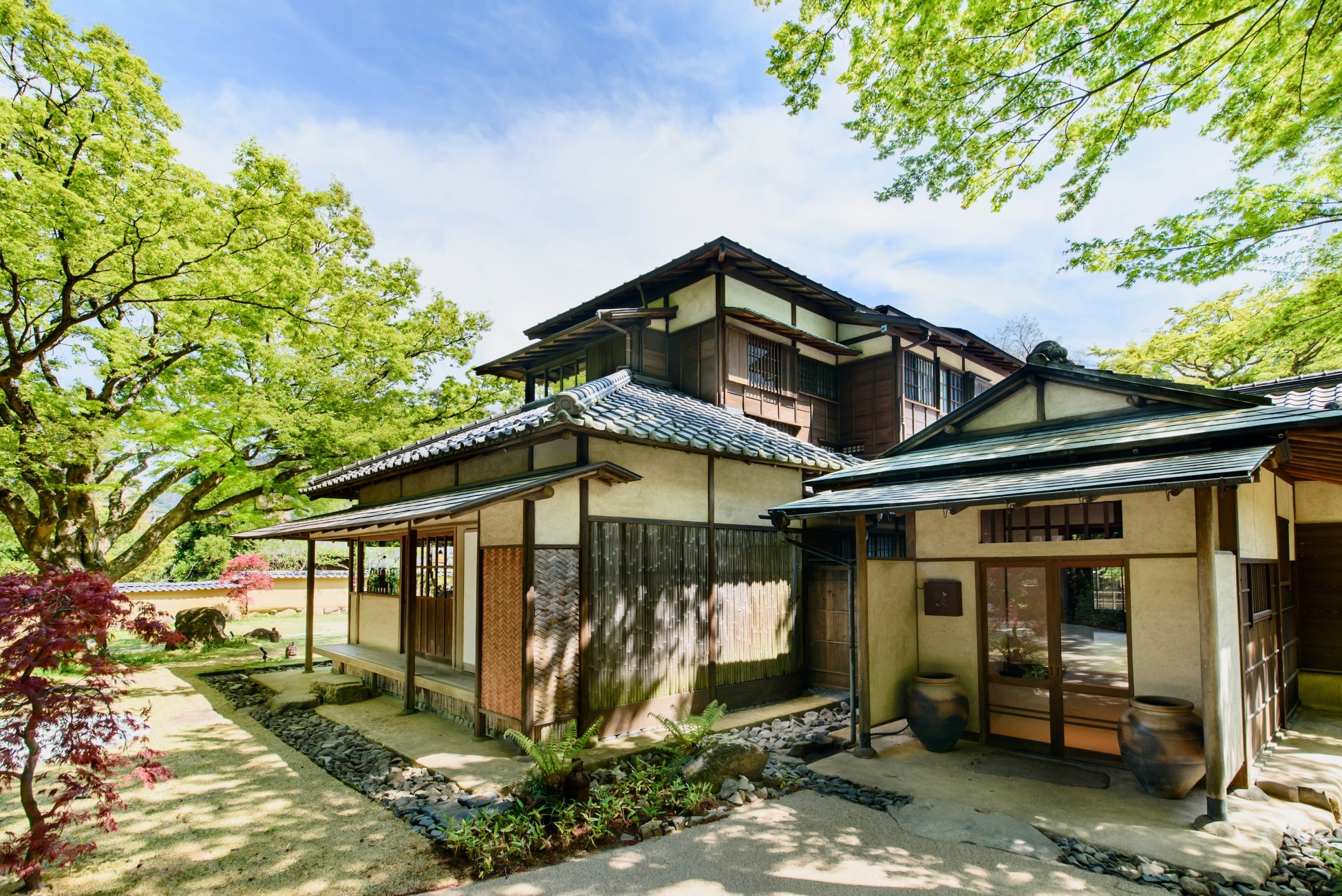
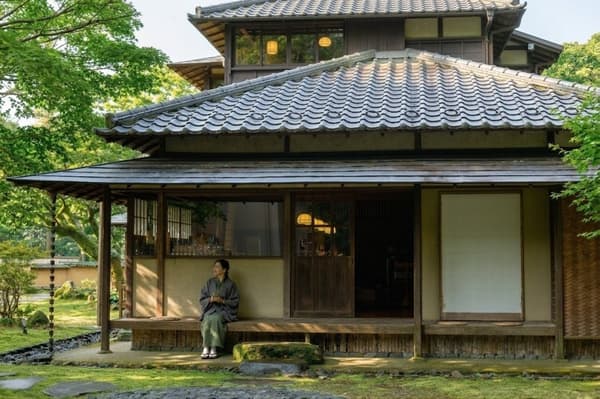
Picture this: you arrive in Hakone, one of Japan’s best-known onsen areas, and your ryokan doesn’t look like a shiny new hotel pretending to be traditional. Instead, it keeps the atmosphere of a Taisho-era retreat, with the kind of quiet elegance that makes you slow down as soon as you step inside. That’s the promise of Hakone Suishoen, and honestly, that’s what makes this reopening so interesting.



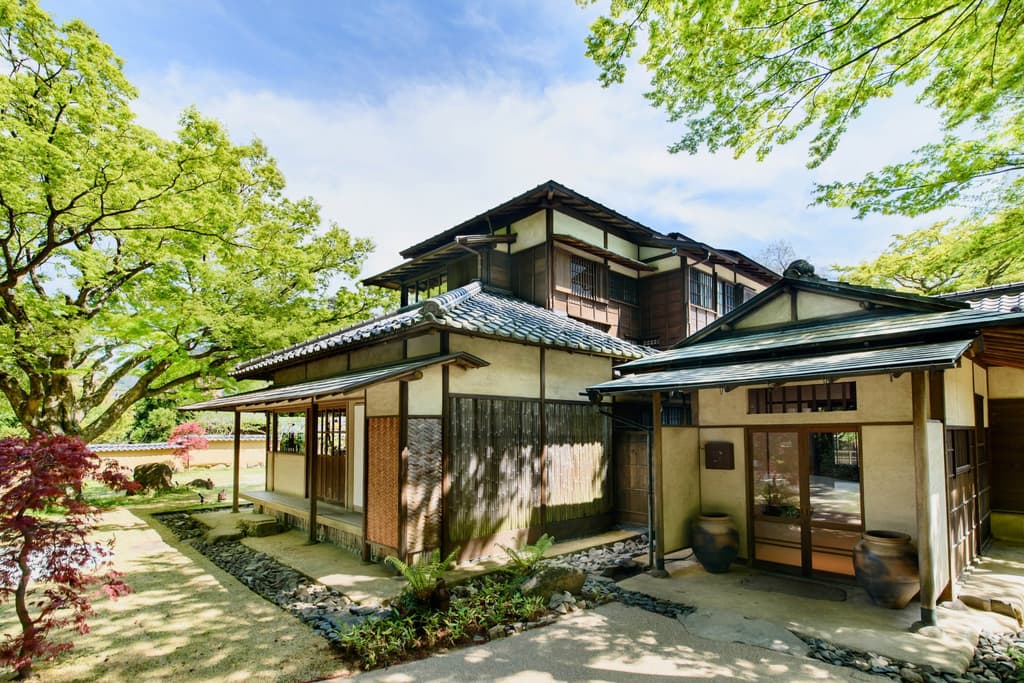
The inn dates back to 1925, which means it was built during a period when Japanese architecture was shifting between tradition and modernity. No wonder, because that era produced buildings that often mixed wooden craftsmanship, garden views, and a touch of Western influence in a way that still feels graceful today. For Japan fans, that mix is part of the charm, and for language learners, it’s a nice reminder that words like (ryokan, traditional inn) and (onsen carry a whole lifestyle, not just a place to sleep. Sounds good, right?
What changes with the 9 April 2026 reopening?
Let me show you why the reopening matters. Hakone Suishoen will reopen on 9 April 2026 after a modern refresh, but the big challenge is the same one every historic inn faces, how do you upgrade comfort without sanding away character?
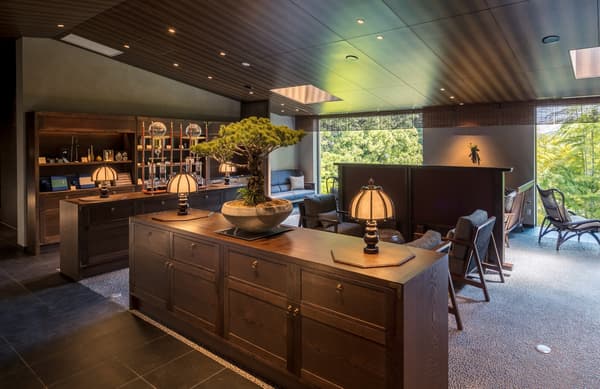
Here’s the catch: with only 23 rooms, this isn’t a giant resort trying to please everyone at once. It’s a small-scale ryokan, which gives the design team more room to protect the atmosphere. In a property like this, every detail matters, from the entrance approach to the corridor lighting, and from the bath layout to the way the guest rooms frame the garden.
Take the room count, for instance. Twenty-three rooms is small enough to feel intimate, yet large enough to make a reopening meaningful for Hakone’s hospitality scene. That balance often works well in Japan, where many travellers prefer a quieter, more personal stay over big, anonymous hotels. What I especially like is that this scale usually gives you a better chance of feeling the building itself, not just the service. But that’s not all.
Architecture, atmosphere and the 1925 building
How a historic building can be modern without feeling fake
Unlike what we’re used to in many new renovations, Japanese ryokan updates often focus on restraint. The best versions don’t shout; they whisper. If Hakone Suishoen handles its 1925 bones carefully, the result can be a stay that feels both fresh and deeply rooted, which is exactly the kind of contrast architecture lovers enjoy.
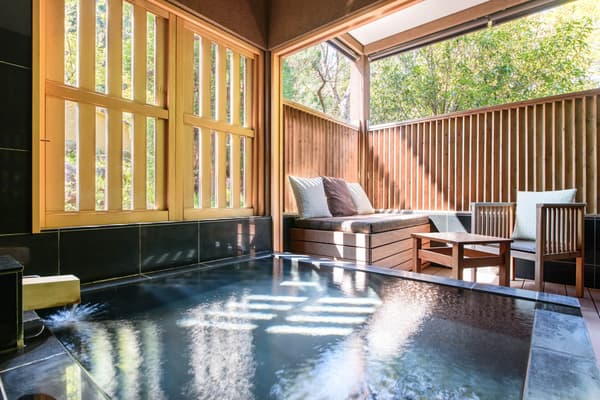
Think about the materials and spatial rhythm that matter in a historic inn. You want the wood grain to still be visible, the proportions to feel human, and the flow from lobby to room to bath to garden to remain calm. A good renovation in this setting can improve air conditioning, bathrooms, lighting, and accessibility without turning the place into a generic luxury property. Wild, isn’t it? That’s the magic trick.
Japan’s older accommodations often work because they treat the building as part of the experience, not just the container for it. The building from 1925 is the story. The modern updates are just making sure that story can keep being told in 2026 and beyond. See what I mean?



Why Hakone still works for travellers and Japan learners
By the way, Hakone is one of the easiest places to understand the rhythm of Japanese travel culture. You get the . For learners of Japanese, places like this are great because the vocabulary shows up in real life, not just in textbooks.
For example, if you see signage or a brochure at a ryokan, you’ll often run into words like (yukata, summer kimono), (kashikiri, private use), (daidokoro, kitchen), or (tokonoma, alcove). Some of these are easy to guess, some aren’t, and some only make sense once you’ve stayed in a place like this. Let’s be honest: learning Japanese becomes much easier when you can connect a word to a real room, a real bath, or a real dinner tray.
My tip is this: if you’re planning a Hakone trip around a stay like this, give yourself at least one full night, not a rushed day trip. A historic ryokan is not something to tick off between trains. It’s a pace shift. You’re paying for quiet, for details, and for the feeling that Japan still knows how to make a stay feel special without making it loud. Sounds weird, but it’s true.
What this reopening says about modern ryokan culture
Let me show you why Hakone Suishoen matters beyond one hotel reopening. Japan has been rethinking heritage hospitality for years, especially in places where old buildings need fresh investment to survive. A property from 1925 doesn’t stay relevant by accident; it survives because someone believes the structure still has value in the present.
That’s why the reopening on 9 April 2026 feels bigger than a simple relaunch. It’s part architecture preservation, part travel trend, and part cultural storytelling. For visitors, it means another chance to experience Hakone in a way that feels authentic but not worn out. For Japan fans, it’s a reminder that the best renovations don’t erase age; they frame it properly. Not bad, right?
If you follow Japanese travel news, keep an eye on how these historic inns are updated. The smartest ones understand that people don’t just come for a bed; they come for atmosphere, design, and a little time travel. Hakone Suishoen looks set to offer exactly that, and I’d say that’s worth watching. But that's not all.
In pictures
Frequently Asked Questions
When will Hakone Suishoen reopen?
Hakone Suishoen is scheduled to reopen on 9 April 2026.
How many rooms will Hakone Suishoen have?
The ryokan will have 23 rooms.
Why is Hakone Suishoen interesting for architecture fans?
Because it is a historic building from 1925, and the renovation aims to modernise it without losing its ryokan character.


