
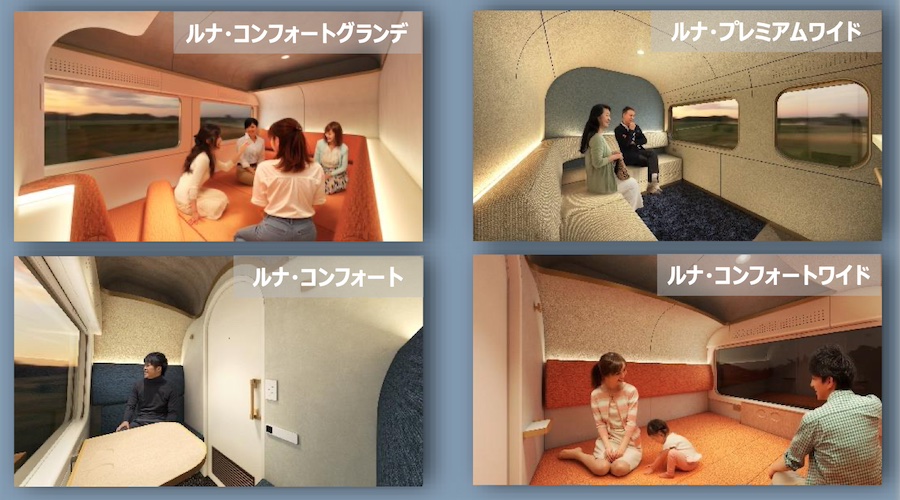
What many overlook is that this isn’t just another dreamy rail concept. JR East says the new night express will begin rolling out in early fiscal 2027, and that gives rail nerds a concrete date to watch.
JR East’s Luna Azul: a new overnight express with a real launch plan
JR East’s Luna Azul is shaping up to be one of the more interesting overnight train stories in Japan right now. Why? Because it isn’t being sold as some vague future idea; it already has a name, an operator, and a rollout target: early fiscal 2027.
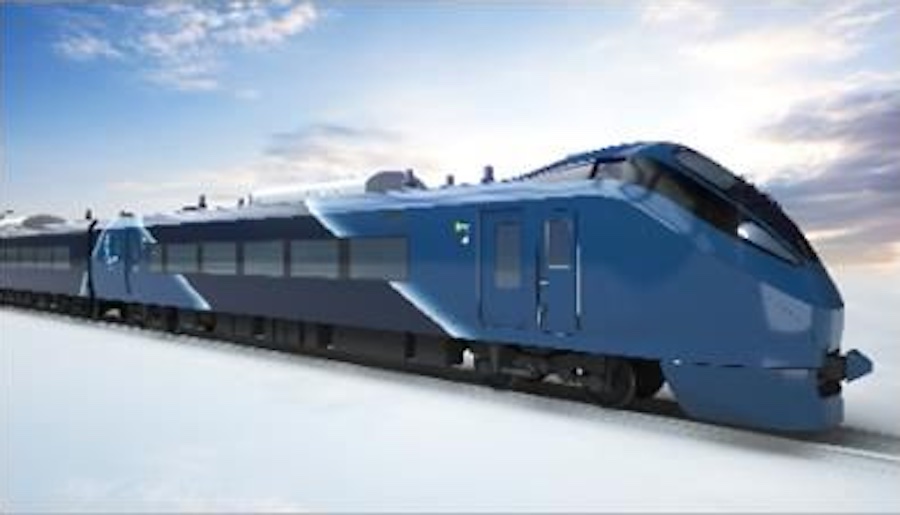
Here’s the deal: JR East will run the service, and that matters. When JR East puts its weight behind a project, the market usually pays attention, from seat design to ticketing, from route planning to onboard service. For Japan fans, that means this won’t just be a pretty train photo opportunity, it should become an actual product you can plan around. Convinced yet?
Why the Luna Azul name matters to Japan fans
Guess what? Train names in Japan are never random. A good name carries mood, geography, and memory, and Luna Azul sounds like a train you’d expect to arrive under a deep blue night sky. It’s got that calm, premium feel JR East often aims for in special services.
What many overlook is that Japanese rail branding can be a language lesson on rails. Names often borrow from nature, time of day, or regional identity, so even if Luna Azul is a non-Japanese name, the vibe is very Japanese in spirit. If you’re learning Japanese, this is a nice reminder that transport branding in Japan often leans poetic, not purely functional. My tip: pay attention to train names when you travel, because they often reveal how Japan likes to frame the journey itself. See what I mean?
From green car comfort to overnight sleeping space
A great example: JR fans often compare special premium train services to the 新幹線 (shinkansen, bullet train / high-speed train) green car ticket, because that ticket is a familiar price anchor. It tells you, quickly, what kind of comfort level you’re getting, even if the experience is completely different. Luna Azul is now entering that same conversation, which makes pricing far easier to imagine.
Hand on heart: that comparison is useful. If Luna Azul lands in a range that feels closer to a green car upgrade than to a luxury hotel on wheels, it could attract plenty of domestic travellers who want something more relaxed than standard overnight transport, but less extravagant than high-end sleeper rail. Sounds weird, but it's true. From my experience, having that kind of benchmark makes rail products much easier to understand, especially for visitors who already know the Shinkansen system.
Early fiscal 2027 rollout: why the timing is a big deal
The first time I went to Japan, I was amazed by how seriously people follow rail timelines, even for services that haven’t launched yet. Luna Azul fits that exact mindset, because early fiscal 2027 is specific enough to spark real discussion. It means JR East isn’t just flirting with the idea, it’s mapping out implementation.



For rail watchers, timing matters as much as design. A launch in early fiscal 2027 suggests the project is being lined up with operational planning, staffing, and service testing already in mind. By the way: Japan’s fiscal year starts in April, so “early fiscal 2027” points to the opening phase of that budget cycle, which is the sort of detail rail enthusiasts love to pin down. If you’re tracking the service from abroad, that gives you a better window for news, prototype photos, and route speculation. See what I mean?
What this could mean for future night travel
Know that feeling when you want to see more of Japan without wasting daylight on long transfers? That’s where overnight express travel still has magic. A sleeper-style service can turn travel time into usable time, and that’s especially appealing in a country where train stations are often the centre of the trip, not just a stop along the way.
While we're at it: overnight trains also have a built-in charm that buses can’t really match. There’s the quiet platform atmosphere, the late-night departure, the half-awake morning arrival, and that little rush of stepping off in a new city before breakfast. Luna Azul could tap into that exact emotion, but with JR East polish and a modern comfort standard. From my experience, that mix of nostalgia and practicality is exactly what keeps Japan rail fans hooked.
Why the Shinkansen green car comparison is so useful
Here's the kicker: price anchors shape expectations. When a new train service gets compared to the Shinkansen green car ticket, readers can instantly picture the comfort tier, even before all the details are finalised. That’s especially handy for Japan learners and first-time visitors who may not know the difference between an express fare, a reserved seat fee, and a premium sleeper supplement.
My tip: if you’re studying Japanese rail vocabulary, this is a good moment to learn a few core words in romaji. You’ll hear terms like shinkansen, 特急 (tokkyu, limited express train), 指定席 (shitei seki, reserved seat), and green car again and again. Even if Luna Azul turns out to be its own category, the pricing conversation around it will still help you understand how Japanese rail companies frame value. A great example: when a company gives you a familiar benchmark, it’s really teaching you how to shop for the product.
Here’s the deal: Luna Azul already has the three things that make rail news worth following, a name, a start window, and a price comparison people can actually use. That’s more concrete than most early-stage announcements, and it makes the service feel real before the first train even leaves the platform. If JR East delivers what it’s hinting at, this could become a must-watch overnight express for Japan fans everywhere. Convinced yet?
For more rail and travel updates, check out more Japan news on jpnerd.com.
Frequently Asked Questions
What is JR East’s Luna Azul?
It is a new overnight express service planned by JR East.
When will Luna Azul start?
JR East is aiming for an early fiscal 2027 launch.
Why do people compare it to the Shinkansen green car ticket?
Because the comparison gives readers a familiar price and comfort reference point.


