
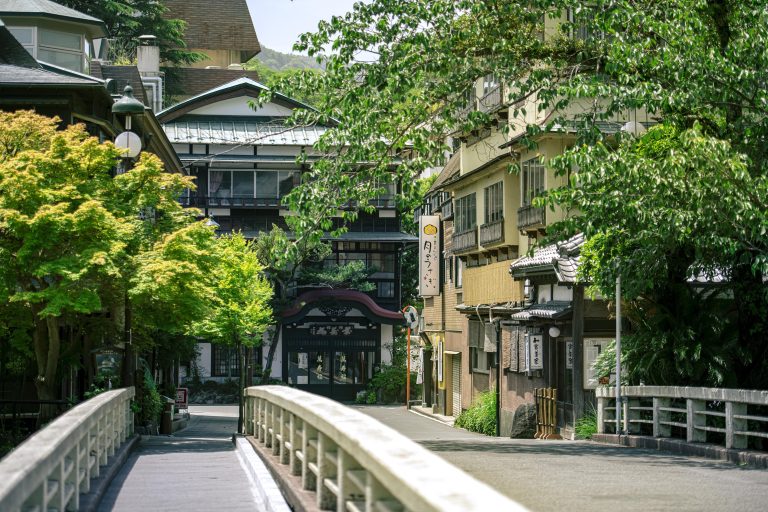
For Japan fans, this is one of those announcements that feels very specific, very real, and very worth bookmarking. The brand, the place, the timing, they’ve all lined up neatly. Classic Japan, isn't it?



Hyatt’s bringing Alila to Hakone, and the details are concrete enough to matter. The resort is planned for 2028, in Hakone’s Sengokuhara area, which already has a strong reputation for quiet ryokan stays, art museums, and mountain air that feels miles away from Tokyo, even though it isn’t all that far. If you like Japan travel news with actual dates and actual places, this is the kind of announcement that stands out.
No joke: Hakone is already a luxury-adjacent destination in its own right. People go there for onsen, lake views, and that slow, polished atmosphere you only get in a few parts of Japan. So when Hyatt chooses Hakone for Alila, it’s not just another hotel opening. It’s a very deliberate play for travellers who want design, privacy, and a more refined version of the traditional Japan escape.
Hyatt chooses Hakone for Alila’s Japan debut
Hyatt has confirmed that Alila Hakone will be its first Alila property in Japan, with opening targeted for 2028. The location, Sengokuhara, is on the western side of Hakone, an area known for pampas grass fields, gallery hopping, and quieter roads than the busier parts around Hakone-Yumoto. For a luxury brand, that matters, because the setting is half the product.
Compared with back home, where resort launches can feel generic, Japan hotel openings usually carry a stronger sense of place. That’s one reason this news works so well for Japan travellers. The brand isn’t dropping into a random city district, it’s entering a specific landscape with a strong cultural rhythm. You can already picture the combo of modern design, cedar trees, and a private bath with a mountain view. Sounds good, right?
Pro tip: if you’re learning Japanese, Hakone is a useful place name to remember because it comes up all the time in travel content. You’ll also hear words like onsen, ryokan, and 懐石料理 (kaiseki, kaiseki cuisine, a traditional multi-course meal) whenever people talk about this region. Those aren’t just vocabulary items, they’re clues to how Japan packages relaxation. Personally...
What the Alila brand usually means in practice
Alila is Hyatt’s luxury lifestyle brand, and it tends to focus on calm spaces, clean design, and a strong connection to the local environment. The brand has a reputation for properties that feel quieter and more considered than flashy. That makes it a good fit for Hakone, where the mood is already more “rest and reset” than “see and be seen.”
Fun fact: Alila properties often lean into architecture, wellness, and destination-driven experiences. That means guests usually expect more than a bed and a view. Think spa programming, thoughtful food, and a layout that encourages lingering instead of rushing out the door. For Japan fans, that’s especially interesting because it creates a bridge between international luxury standards and the Japanese idea of おもてなし (omotenashi, Japanese-style hospitality), the careful, attentive style of hospitality people notice right away.
Why this matters for Japan travellers
To be fair: Japan already has no shortage of beautiful hotels. But a name like Alila still changes the conversation because it attracts a different kind of traveller, one that might otherwise book a resort in Bali, Phuket, or the Maldives. Here, the pitch is Japan itself, with its seasons, onsen culture, and mountain scenery doing much of the heavy lifting.



That reminds me: foreign hotel brands in Japan often have to adapt fast. They can’t just copy a global formula and call it a day. Guests in Japan notice service details, room flow, breakfast quality, and how well a property fits the neighbourhood. If Alila gets Hakone right, it won’t be because it looks expensive. It’ll be because it feels like it belongs there. See what I mean?
Why Hakone is such a strong luxury location
Hakone has been a classic escape for Tokyo residents for decades, and it still works because it combines nature, transport access, and a strong ryokan culture. The area is about 90 minutes to two hours from Tokyo depending on where you start, and that makes it ideal for a high-end weekend break. You don’t need to fly anywhere. You just leave the city and breathe differently.
Ever wondered why Hakone keeps showing up in travel plans? It’s because the area gives you a lot in a small radius. You can ride the ropeway, see Lake Ashi, visit the Open-Air Museum, and then retreat to a hotel that feels almost hidden from the world. For a luxury brand, that’s gold. The destination already has the emotional structure of a retreat, so the hotel can focus on polish, privacy, and service.
Before I forget: this also gives Japanese learners a nice cluster of vocabulary. Onsen means hot spring, ryokan means traditional inn, and 山 (yama) means mountain. Even if you don’t use those words every day, recognising them will make Japan travel articles easier to read. That’s one of the best parts of following hotel news while studying Japanese, it gives you repeat exposure to real travel language. Not bad, right?
What to watch between now and 2028
For now, the key facts are simple: Hyatt, Alila, Hakone, 2028. But the months leading up to opening will matter, because luxury projects often reveal their identity piece by piece. Expect more detail on design partners, room count, dining concepts, and whether the property leans more towards a wellness retreat or a full-service resort.
My tip: keep an eye on how the hotel presents itself in relation to Hakone’s seasons. Spring, summer, 紅葉 (koyo, autumn foliage) in autumn, and winter snow all give the area a different look, and Japanese luxury resorts love to work with seasonal storytelling. If Alila Hakone gets that right, it could become a very strong reference point for travellers who want a polished Japan stay without losing the feeling of being in the mountains. Classic Japan, isn't it?
For Japan watchers, this is also a reminder that the country’s luxury hotel market still has room for brand-led entries in the right location. A resort in Hakone makes sense because it matches the brand’s mood and the destination’s existing appeal. That combination is rare, and it’s exactly why this opening is worth tracking all the way to 2028. Personally...
Frequently Asked Questions
When will Alila Hakone open?
The resort is planned to open in 2028.
Where in Japan will it be located?
It will be in Hakone, specifically the Sengokuhara area.
Why is this opening important?
It will be the first Alila property in Japan and a new luxury option in a popular hot spring destination.


