
For Japanese learners, this is also a nice reminder that travel vocabulary matters, because words like ryokan, onsen, and sengokuhara come up constantly when you start reading Japan news and hotel listings. Classic Japan, isn't it?



Alila Sengokuhara Hakone marks Hyatt Alila brand entry in Japan
Hyatt is finally bringing its Alila brand to Japan, and the first address is Alila Sengokuhara Hakone. That matters, because brand debuts are never just about a hotel opening; they usually signal a wider push into a market. In this case, Hyatt is planting a clear flag in one of Japan's most travel-friendly luxury destinations.
What most people don't know is that Alila sits in Hyatt's luxury portfolio, and the brand is known for calm design, strong local character, and wellness-driven stays. That's why the Hakone project feels like such a smart fit. Hakone already draws visitors looking for hot springs, mountain air, art museums, and easy access from Tokyo, so the new hotel lands in a place where the travel story is already built in. See what I mean?
Why Hakone still pulls in so many travellers
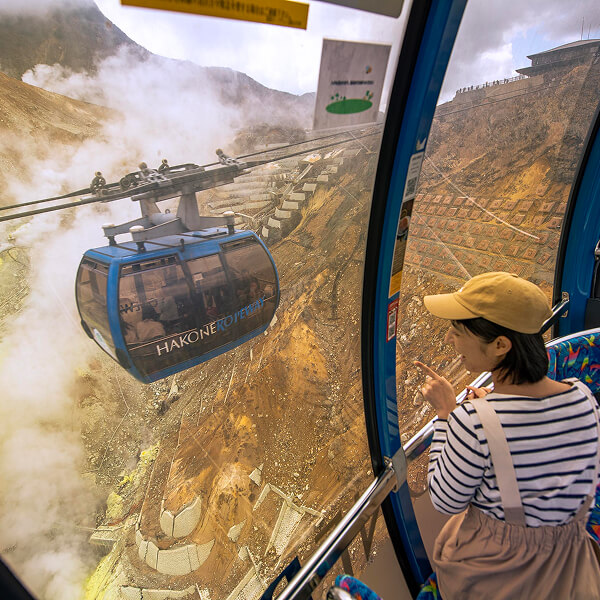
Ever wondered why Hakone keeps showing up in Japan travel plans, even when people have only a short weekend free? The answer is simple: it offers a lot without forcing you to plan too hard. You can ride the Hakone Tozan Railway, take the ropeway, cruise Lake Ashi, visit the Hakone Open-Air Museum, and soak in an onsen, all in one trip.
While we're at it, Hakone also has that classic Japan atmosphere many visitors hope for, with ryokan stays, seasonal scenery, and a slower pace than Tokyo or Osaka. For Japanese learners, this is where the vocabulary starts to click. A word like onsen isn't just a menu item in a guidebook; it's part of a whole travel rhythm, from 浴衣 (yukata, light cotton kimono) to 懐石 (kaiseki, traditional multi-course meal) to 露天風呂 (rotenburo, outdoor bath). My tip: if you ever read Japanese hotel pages, keep a list of these terms handy, because they appear everywhere. From my experience, they’ll save you a lot of head-scratching.
Alila Sengokuhara Hakone and the 60-room concept
Here's the kicker: Alila Sengokuhara Hakone will have 60 rooms, which is a very telling number for a luxury property in Japan. It suggests intimacy, not a huge resort feel. In practice, that usually means more attention to service, quieter public spaces, and a stronger sense that the hotel is built around experience rather than volume.



To be fair, luxury in Japan often works best when it doesn't shout. A smaller room count can make a stay feel more like a refined ryokan-style escape than a large, anonymous chain hotel. If Hyatt gets the balance right, this could appeal to international travellers who want polished comfort, but still want a distinctly Japanese setting. No wonder, because Hakone is one of the easiest places to sell that combination.
What the location tells us
Alila Sengokuhara Hakone will sit in the Sengokuhara area, which is known for its open landscapes and access to many of Hakone's main sights. That part of town has a quieter mood than the busier transport hubs, and that should help the hotel feel like a retreat rather than just a stopover.
A great example: travellers often choose Hakone specifically because they want a break from city noise, not a city-hotel experience in disguise. A 60-room Alila property in Sengokuhara fits that wish very neatly, especially for guests who want spa-style comfort, local food, and a scenic base for exploring the mountains. Trust me on this one: that positioning is exactly what luxury Japan travel does best. See what I mean?
What this Hyatt Alila launch means for Japan travel
Hyatt's decision to launch Alila in Japan says a lot about where premium travel is heading. Guests are looking for stays that feel rooted in place, and Japan is one of the strongest markets for that idea. A modern luxury brand can borrow the calm, ritual, and attention to detail usually associated with a ryokan, while still offering international standards of consistency.
Here's the catch: the real test won't just be the design or the brand name. It will be whether the hotel feels genuinely tied to Hakone, from materials and views to food and bath experience. If it does, then Alila Sengokuhara Hakone could become a reference point for future Hyatt luxury projects in Japan. My tip: keep an eye on opening details, because the best Japan hotel launches are the ones that tell you something new about how global brands adapt here. Wait, there's more.
Frequently Asked Questions
What is Alila Sengokuhara Hakone?
It is Hyatt's new Alila luxury hotel planned for Hakone, with a focus on high-end travel and a strong onsen resort feel.
How many rooms will the hotel have?
The hotel is set to open with 60 rooms.
Why is this launch important?
It marks the debut of the Alila brand in Japan and adds a new luxury option in one of the country's best-known hot spring areas.


