
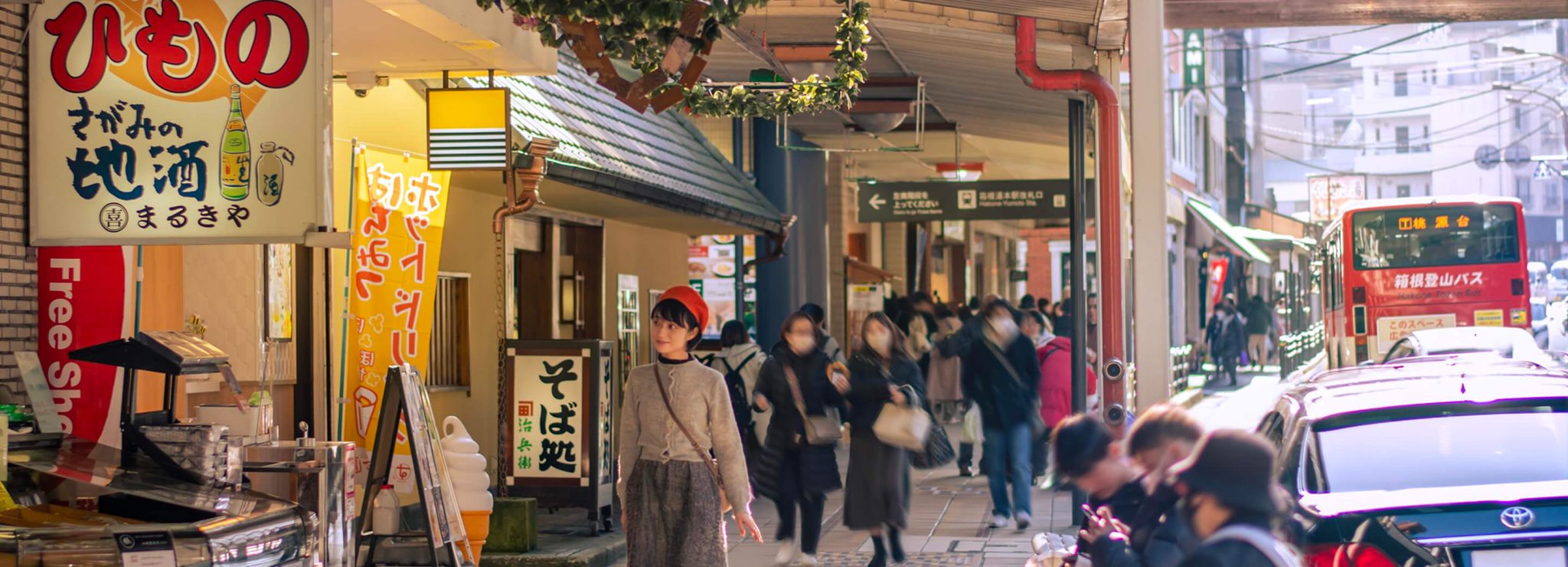
That matters for Japan fans and language learners, because this isn't just about a fancy hotel. It's also about how words like onsen, ryokan, and 懐石料理 (kaiseki, traditional multi-course meal) fit into real travel culture, not just textbooks.



Japan Luxury Wellness Tourism Gets a Stronger Spotlight
Why is Japan leaning so hard into luxury wellness right now? Basically, the region is competing with places like Thailand, Indonesia, the Maldives, Vietnam, and South Korea, all of which are chasing travellers who want more than a beach chair and a breakfast buffet. The goal is simple: get visitors to stay longer, spend more, and leave feeling better than when they arrived.
Here's the deal: luxury wellness tourism is no longer just spa candles and herbal tea. In Japan, it now means private onsen experiences, carefully designed rooms, highly polished service, and meals that feel as thoughtful as a tea ceremony. That mix fits Japan's travel image perfectly, because it combines comfort with cultural depth. My tip? If you want to understand the appeal, think less about flashy luxury and more about quiet refinement. My verdict: it's a strong fit.
Alila Sengokuhara Hakone and the Hakone Strategy
What most people don't know is that Hakone is one of Japan's strongest cards in this game. It already has hot springs, mountain views, art museums, and easy access from Tokyo, so it works as a natural stage for premium wellness travel. The opening of Alila Sengokuhara Hakone shows exactly how Japan wants to package that strength into a luxury product.
Set in Sengokuhara, one of Hakone's calmer areas, the resort is built for guests who want privacy and scenery, not crowds and noise. That's a smart choice. While we're at it, Hakone has long been a favourite for ryokan stays, but a brand like Alila brings a more international luxury feel, which can attract travellers from Singapore, Bangkok, Seoul, or even long-haul markets looking for a softer, slower Japan trip. No joke: location matters almost as much as the room itself. See what I mean?
Why private onsen matter so much
Did you know that for many foreign visitors, the idea of a private onsen is the real selling point? Public baths can be intimidating if you don't know the rules, so a private tub removes the stress and keeps the experience intimate. That's a big reason luxury resorts in Japan are leaning into this format, especially in places like Hakone where the water itself is part of the appeal.
Speaking of which, onsen culture is one of the easiest Japan topics to connect with in language study. Learn words like onsen, 露天風呂 (rotenburo, open-air bath), ryokan, and 安らぎ (yasuragi, peace; relaxation), and suddenly your travel reading becomes much richer. If you're planning a trip, those terms aren't just vocabulary, they're clues to the kind of experience a place is trying to sell. Pretty brilliant. But that's not all.



How Japan Fits Into Asia's Luxury Wellness Race
Let's be honest: Japan isn't trying to copy Thailand or the Maldives. It wants a different kind of luxury, one that feels restrained, polished, and tied to place. Thailand has strong resort traditions, Indonesia has Bali's wellness scene, the Maldives sells overwater privacy, Vietnam is building upscale coastal options, and South Korea is adding design-led city and retreat hotels. Japan's answer is a mountain hot spring, excellent food, and service that rarely feels rushed.
That positioning is smart because it matches what affluent travellers often want now: calm, not chaos. For example, a guest can spend the day in a private bath, eat seasonal kaiseki in the evening, and wake up to cedar forest air the next morning. The product isn't just the room, it's the rhythm. Highly recommended: Hakone is one of the best places to feel that rhythm without going far from Tokyo. Not bad, right?
Plot twist: the luxury angle can also help smaller destinations outside the usual big-city route. A resort like Alila Sengokuhara Hakone doesn't only benefit the hotel itself, it also pulls attention towards local crafts, regional food, and nearby museums. That means Japan's tourism strategy isn't just about volume, it's about steering visitors towards stays that look and feel premium. My verdict: that's a clever move.
What Japan Fans and Learners Should Watch Next
Here's the thing: if you're learning Japanese, this trend gives you useful real-world context. Try spotting travel vocabulary in brochures and websites, words like 観光 (kanko, sightseeing; tourism), 宿泊 (shukuhaku, lodging; overnight stay), and 驚愕 (kyougaku, astonishment; shock), then compare how luxury resorts describe privacy, silence, and seasonal beauty. It makes the language easier to remember because it ties directly to an experience.
My tip? Read hotel pages and tourism news side by side. You'll start noticing how Japan sells itself, not through loud slogans, but through detail, atmosphere, and trust. That's the kind of cultural signal that helps Japan fans understand why Hakone keeps winning attention, and why luxury wellness tourism is likely to stay a serious part of the country's travel strategy. See what I mean?
Frequently Asked Questions
Why is Hakone important for luxury wellness tourism?
Hakone combines hot springs, easy access from Tokyo, scenic nature, and a strong ryokan tradition, which makes it ideal for premium wellness stays.
What makes private onsen so appealing?
They offer privacy, comfort, and a less intimidating way to enjoy hot springs, especially for first-time visitors.
How does Japan differ from other Asian luxury destinations?
Japan tends to focus on quiet refinement, seasonal dining, and hot spring culture, while other countries may lean more towards beach resorts or large-scale spa settings.


