If you follow Japanese game news, this is the kind of event that can shape community talk for weeks. It’s also a neat entry point for learners, because game titles, weapon names, and creature terms are full of easy, memorable Japanese vocabulary.
![Dragon Ball Z: Kakarot [Master Edition]](https://s.pacn.ws/1/p/1eh/dragon-ball-z-kakarot-master-edition-908785.1.jpg?v=t8ja8t&width=400)


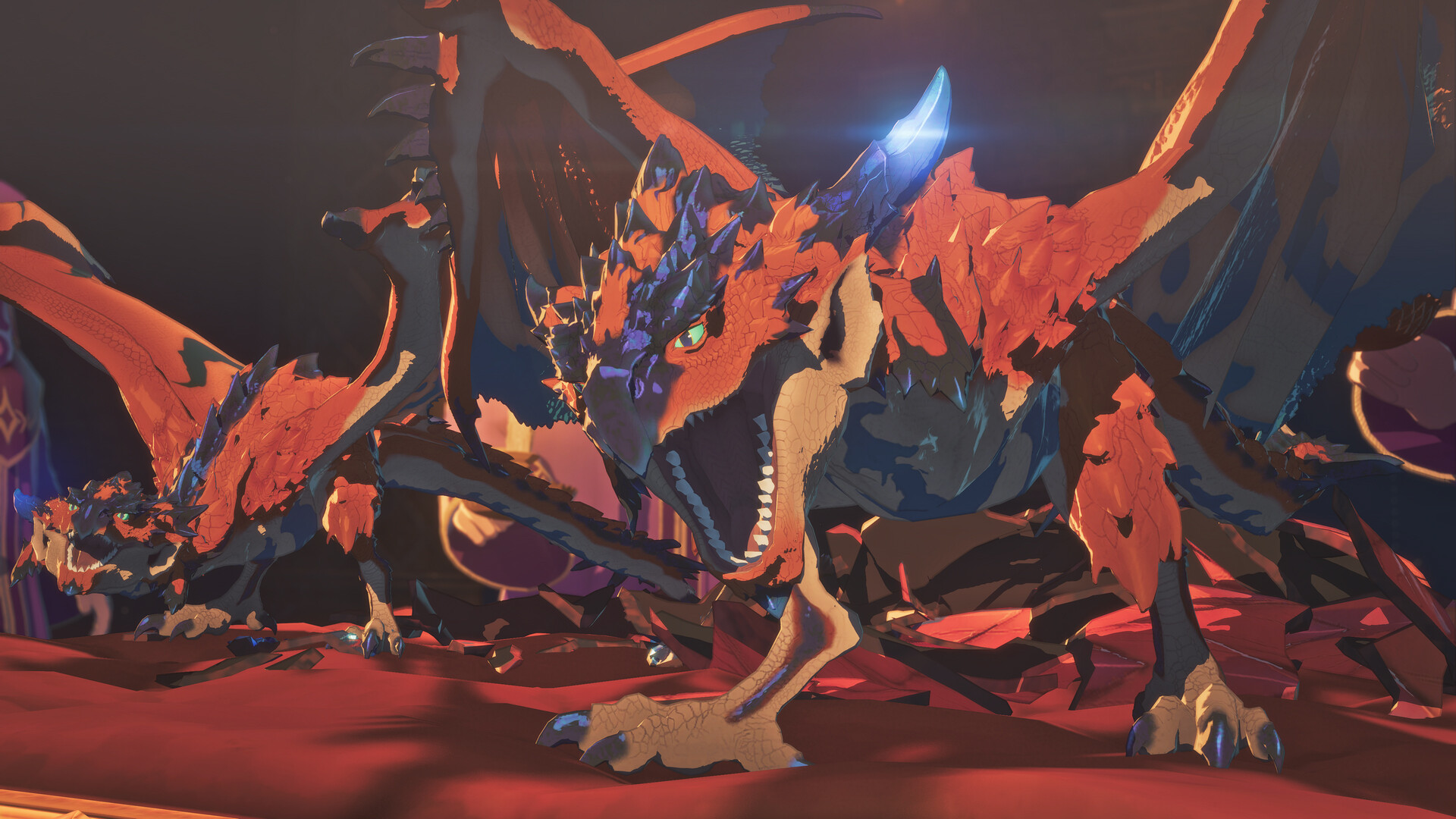
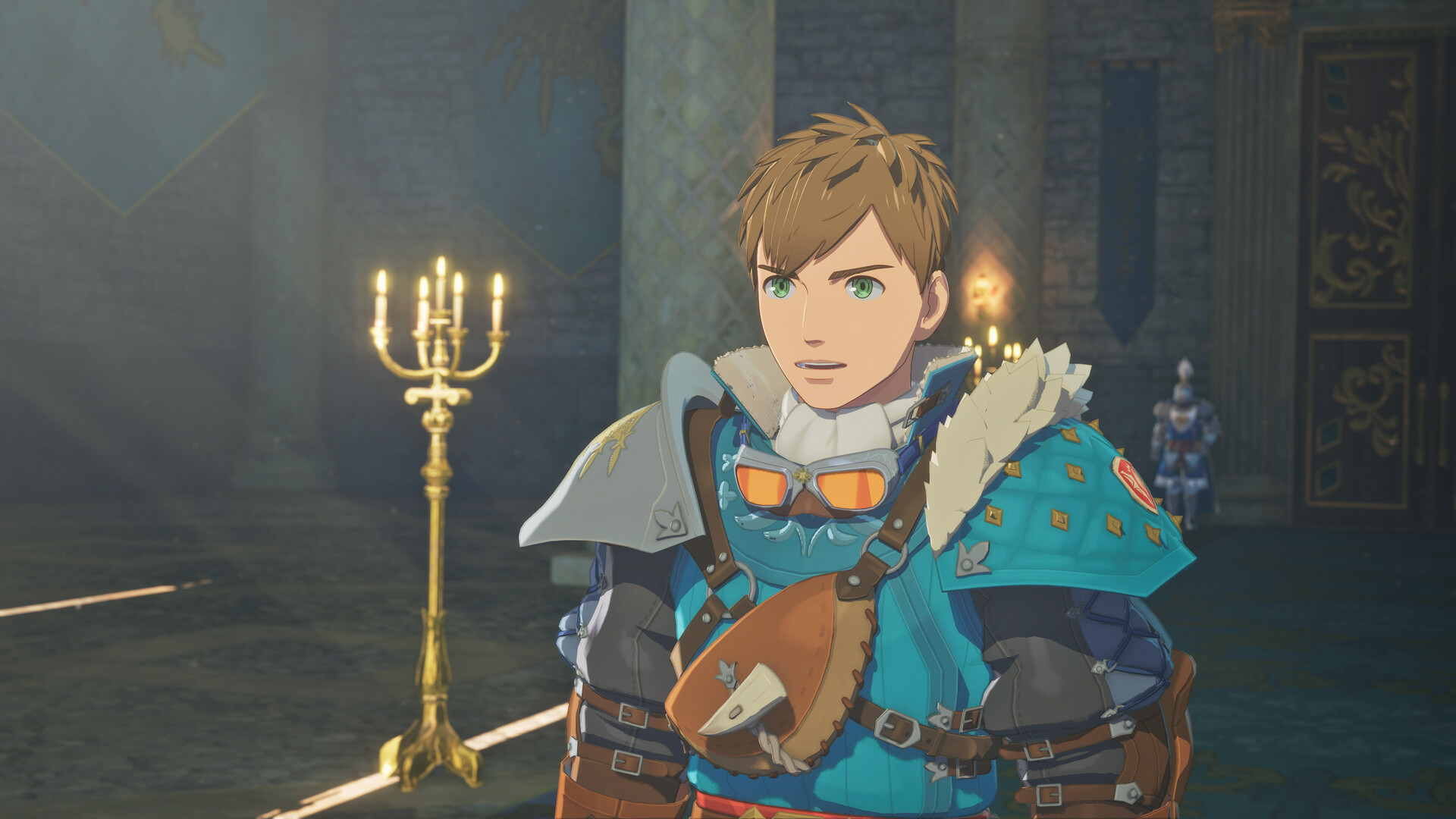
Capcom Spotlight is exactly the kind of event that keeps Japan gaming fans glued to their screens. On 25 June 2026, Capcom used the spotlight format to push Monster Hunter Stories 3 into the conversation, and that alone makes it worth a closer look. The mix of Nintendo visibility, Capcom branding, and Japanese game culture is hard to ignore.
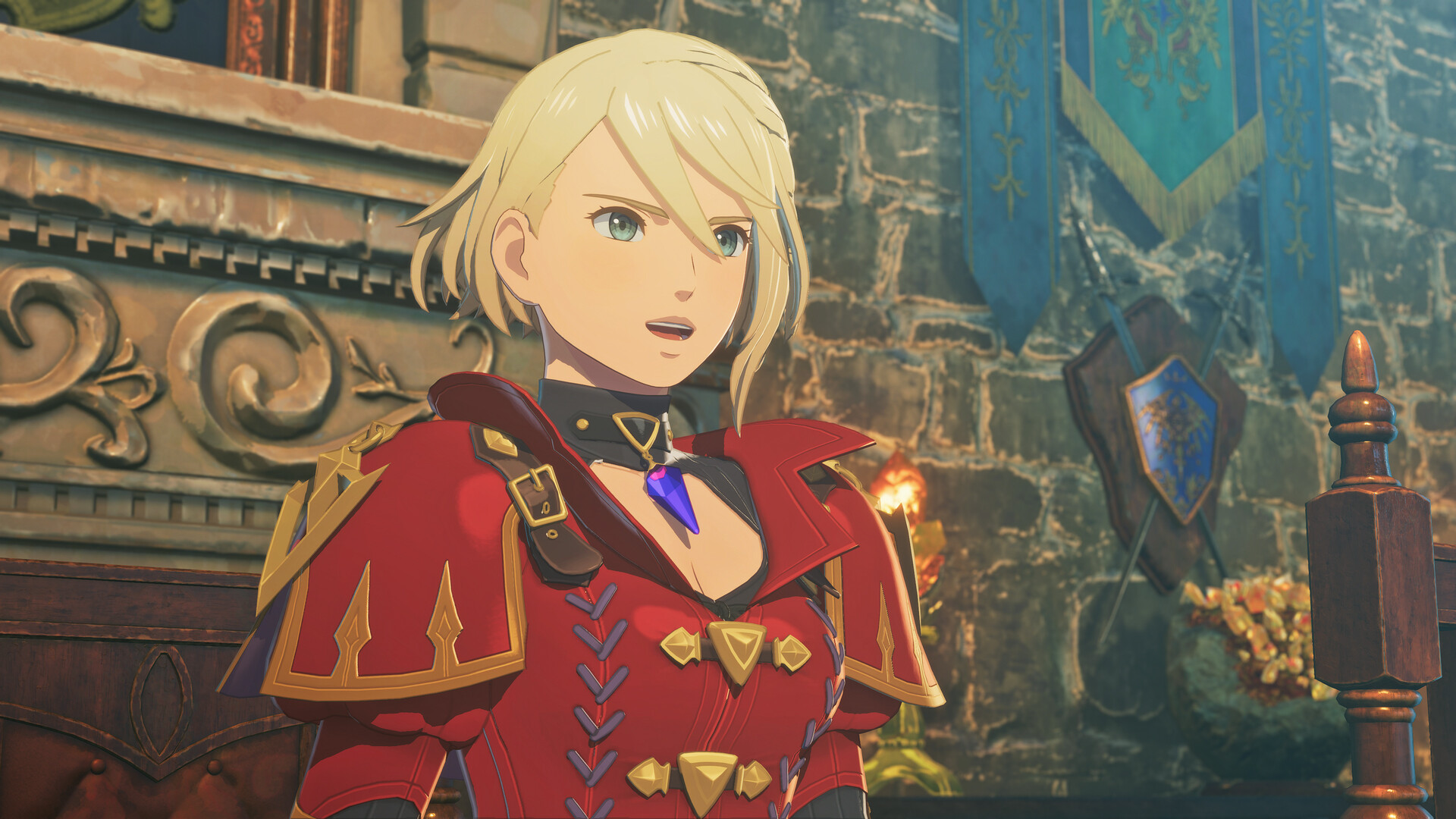
This isn’t just trailer hype. It’s also a reminder that Japan’s big publishers still know how to build anticipation in a very controlled, very deliberate way. And if you’re learning Japanese, these showcases are packed with useful words and real-world context. My tip: keep an ear out for terms like モンスター (monsuta, monster), 景色 (keshiki, scenery; view), and 勇者 (yuusha, hero; brave warrior) when you follow game streams and interviews. Sounds good, right?
Capcom Spotlight on 25 June 2026
Fact first: the Capcom Spotlight presentation landed on 25 June 2026, and it was framed as a major update for current and upcoming Capcom projects. That date matters because summer game events often shape the rest of the year, especially when Nintendo-adjacent audiences are involved. Japan fans know this rhythm well, from long teaser periods to carefully timed release windows.
What many overlook: Capcom doesn’t always need a giant stage to make noise. A focused digital event can be enough if the footage is strong and the brand is trusted. No wonder, because Capcom has years of experience turning short presentations into long-running fan discussion. This one did the same, and it gave Monster Hunter Stories 3 a clean spotlight rather than burying it in a crowded showcase. My verdict:
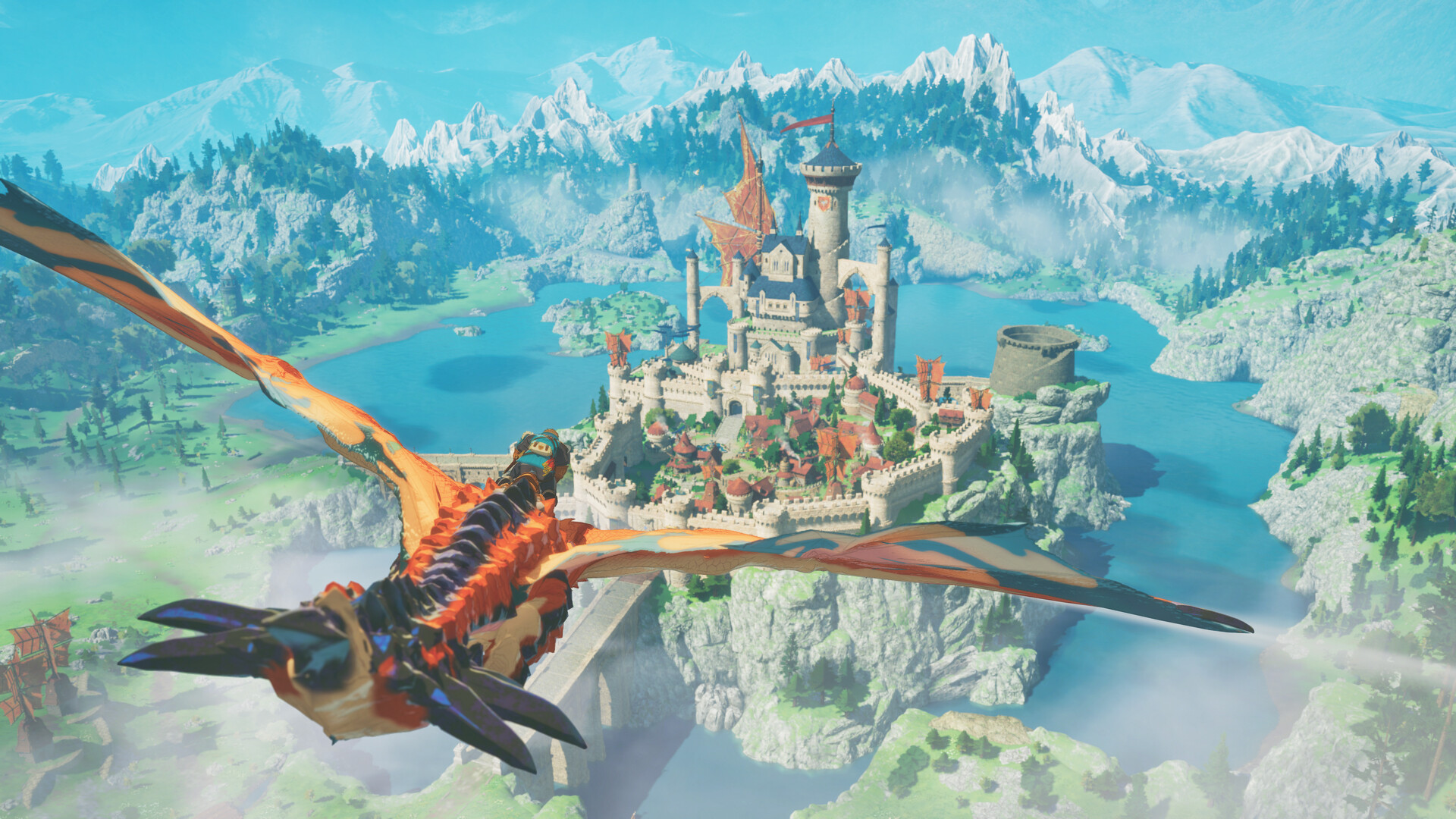
Why this matters for Japan gaming fans
Unlike what we’re used to with some Western publisher events, Japanese game showcases often feel more curated. You get fewer random detours, more brand discipline, and a sharper sense of what the company wants to say. That makes every reveal feel a bit more intentional, and honestly, I like that.
For Nintendo fans, this also has extra weight. The Monster Hunter series has long been tied to handheld culture in Japan, from local train rides to school-yard conversations back in the day. Even now, the franchise still carries that portable, social feeling. Let’s be honest: few series are as closely associated with Japan’s gaming habits as Monster Hunter. Wait, there’s more.
Monster Hunter Stories 3 and the appeal of the spin-off line
I still remember exactly how the Monster Hunter Stories branch changed the tone of the franchise. Instead of only focusing on hunting and combat systems, it leaned into companionship, adventure, and a more story-driven structure. That made it easier for younger players and for anyone who wanted a softer entry point into the world of monsties, riders, and village life.
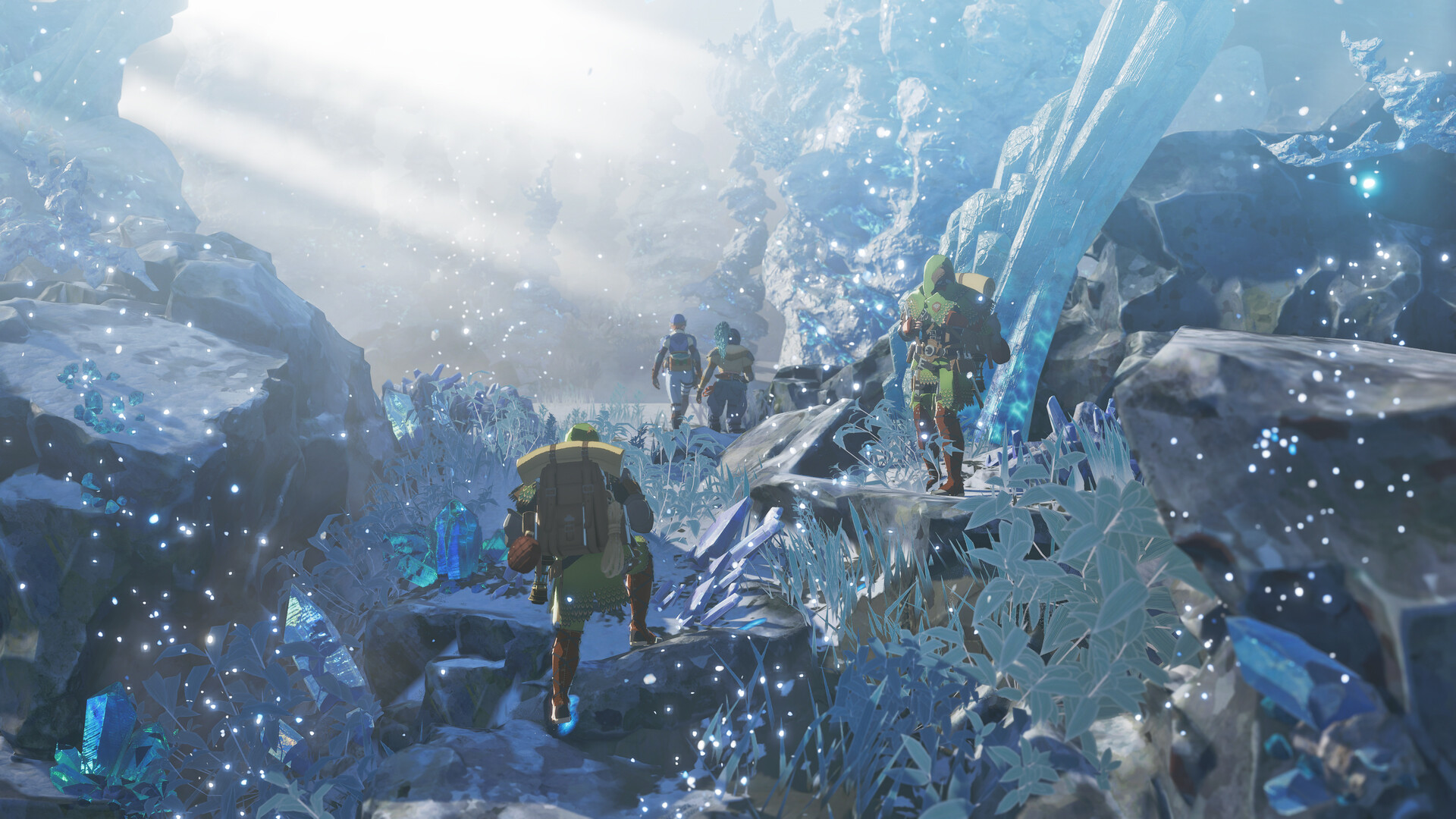
Monster Hunter Stories 3 continues that lane, and that’s important. The mainline Monster Hunter games are about survival, preparation, and sharp reflexes, while Stories offers a more character-led experience. Basically: one side is about the hunt, the other is about bonding with creatures and exploring the setting in a lighter, more narrative way. For Japanese learners, this is gold, because you get repeated exposure to everyday storytelling language, battle terms, and fantasy vocabulary all in one place.
Useful Japanese vocabulary from the Monster Hunter world
Fun fact: a lot of Japanese game vocabulary is easier to remember than textbook lists, because you see it tied to action. Words like hunting, quest, town, field, and weapon show up constantly in game menus, guides, and fan discussions. If you watch Japanese trailers or stream reactions, you’ll also pick up phrasing around excitement, tension, and strategy.
That brings us to the learning angle. Game events are a brilliant listening practice tool because the same words come back again and again. You hear the title, the character names, the system terms, and the release language in a natural context. Then you see those words in captions, articles, and social posts. It’s a lot more memorable than drilling isolated flashcards. Not bad, right?
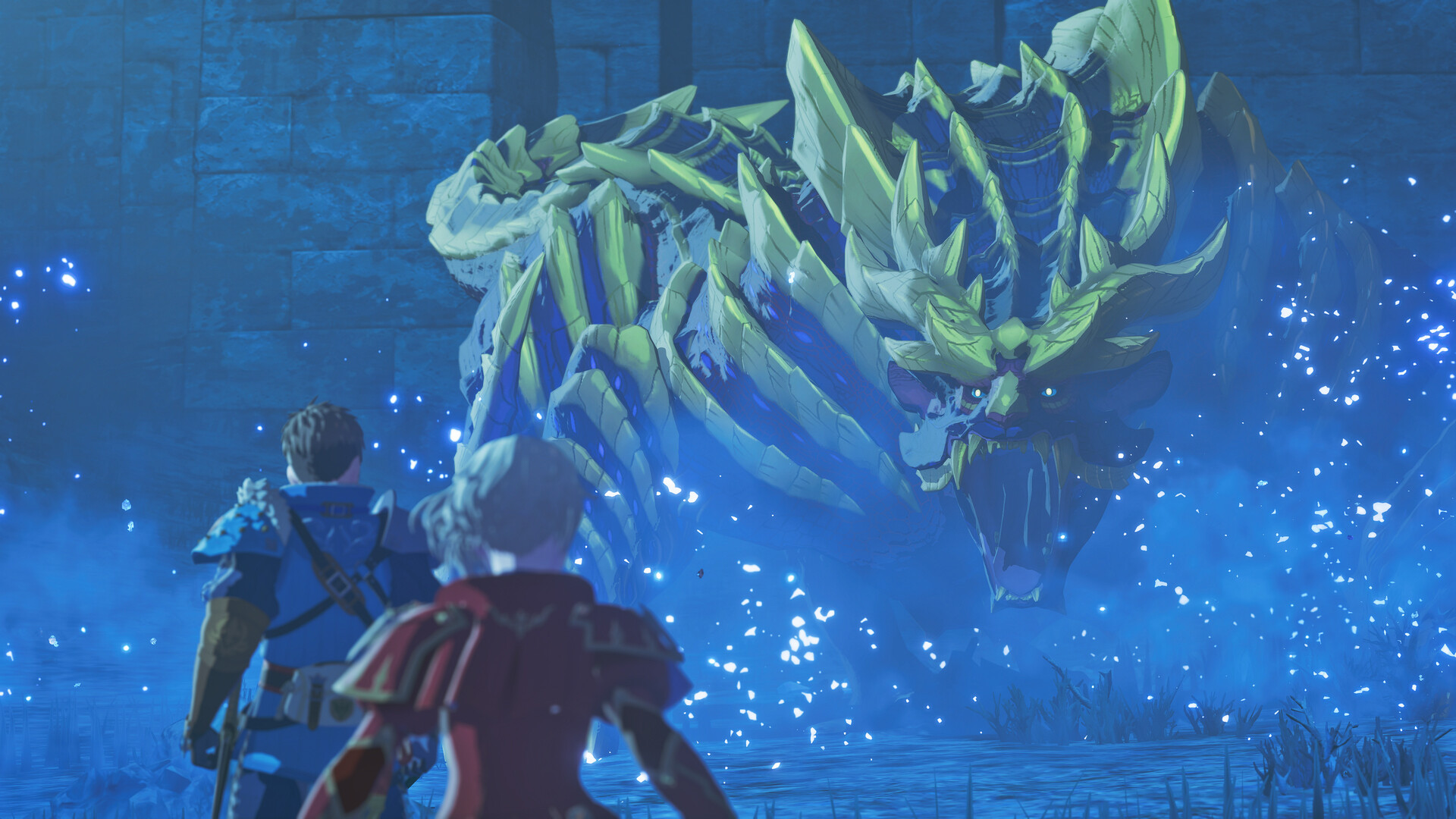
Why Capcom and Nintendo events matter so much in Japan
Here’s the kicker: Japan’s gaming ecosystem is still built around trust, brand recognition, and long memory. Capcom, Nintendo, and other major publishers don’t just sell products, they sell familiarity. When a showcase lands, fans don’t only ask what’s new. They ask how it fits into the company’s larger rhythm, and whether it signals something bigger.
Oh, almost forgot: event timing matters too. A 25 June 2026 announcement sits right in the middle of the summer news cycle, when players are already watching for hardware updates, sequel reveals, and franchise roadmaps. That gives Capcom Spotlight extra visibility. It also helps Nintendo audiences, because many of them follow Capcom projects that could eventually connect to Switch or future Nintendo hardware discussions.
What I especially like: these events keep Japanese gaming culture feeling alive, not frozen in nostalgia. You can see old series gaining new energy, and you can watch how companies frame their stories for a global audience without losing their Japanese identity. This is my hidden gem! Sounds good, right?
In pictures
Frequently Asked Questions
What is Capcom Spotlight?
It is a digital showcase format used by Capcom to present news, trailers, and updates about its games and projects.
Why is Monster Hunter Stories 3 important?
It continues a story-focused side of the Monster Hunter series, making the franchise more approachable for players who enjoy narrative and creature companionship.
Why should Japanese learners care about this event?
Game showcases offer repeated, real-world vocabulary in context, which makes listening and reading practice much easier to remember.