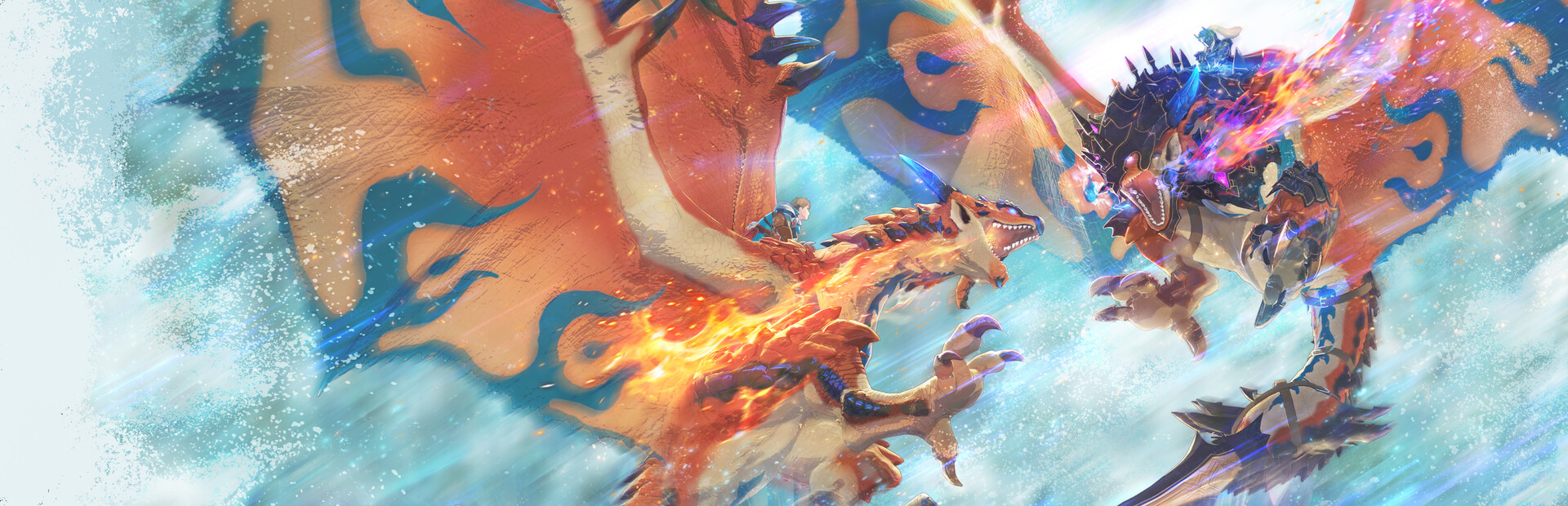
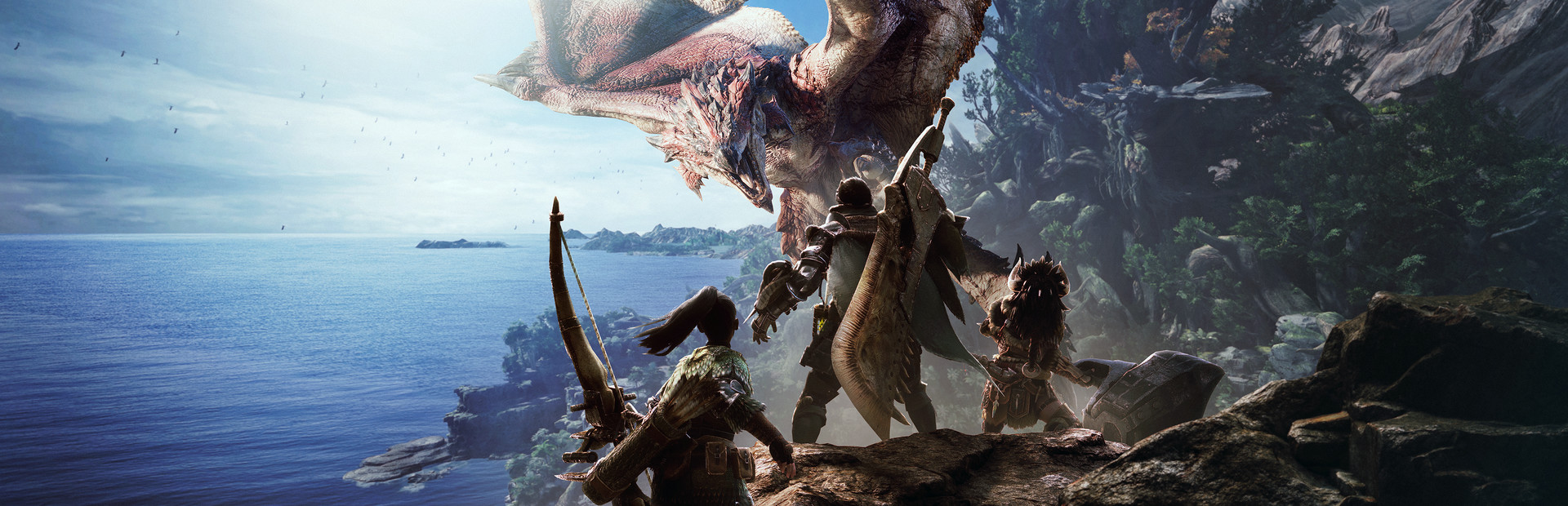
Still, there’s plenty to like here, especially if you follow Capcom’s long habit of turning a strong base game into something bigger, tougher, and more rewarding over time. Classic Japan, isn’t it?
![Dragon Ball Z: Kakarot [Master Edition]](https://s.pacn.ws/1/p/1eh/dragon-ball-z-kakarot-master-edition-908785.1.jpg?v=t8ja8t&width=400)


Ever wondered why Capcom expansions get so much attention, even when they’re not full-on sequels? Monster Hunter Wilds: Ascendance is a good example. The company has confirmed that the expansion is in development, it’ll build on Monster Hunter Wilds as the base game, and the release window is set for 2027. That alone gives the project real weight, because Capcom doesn’t usually throw out a year this early unless it’s serious about the plan. Hand on heart: that kind of clarity is nice to see.
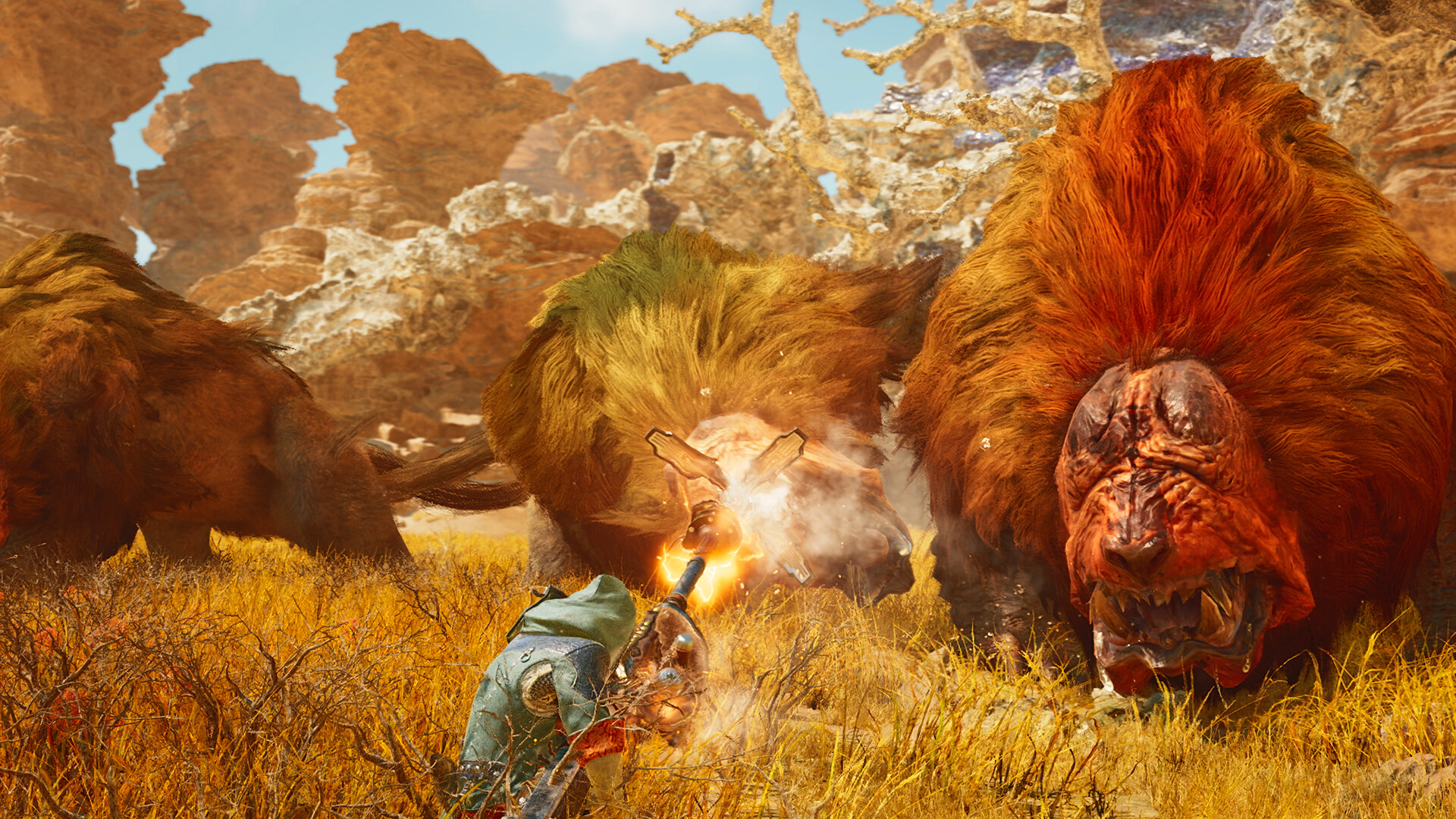
And it gets better: this is coming after Monster Hunter Wilds has already established itself as the next mainline step in one of Japan’s biggest game series. For Japan fans, that matters. Monster Hunter isn’t just a game, it’s part of gaming culture, from Tokyo train chatter to late-night co-op sessions with friends who swear they’ll only hunt for an hour and then stay up till 2 a.m. Not bad, right?
What most people don't know: Capcom has a long history of using expansions and large updates to extend the life of its flagship games. Monster Hunter World got Iceborne, Monster Hunter Rise got Sunbreak, and both became major talking points far beyond the launch window. So when Capcom names a new expansion like Ascendance, it’s not random marketing fluff. It’s a sign that the company expects Monster Hunter Wilds to stay relevant for years, not months.
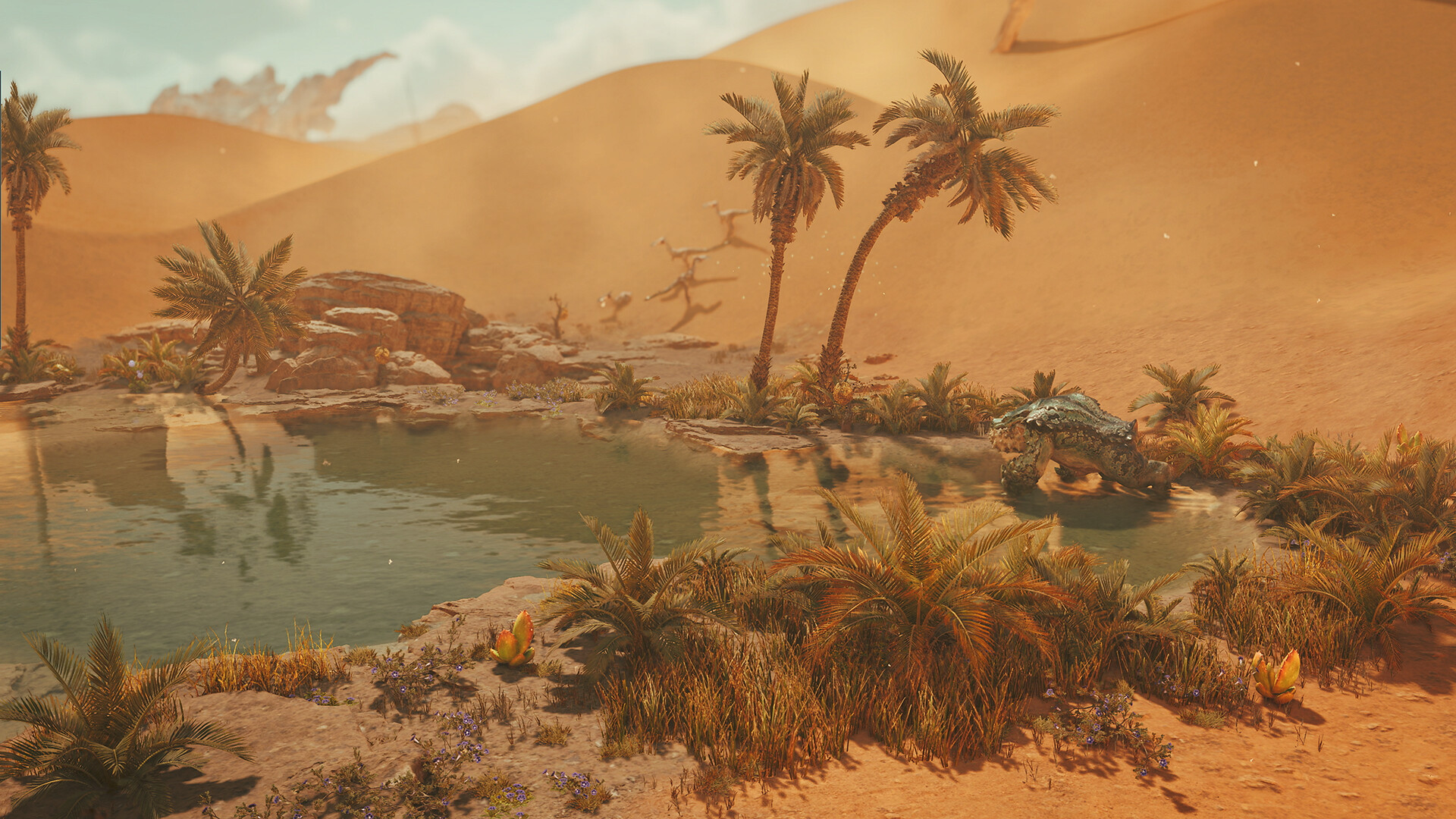
Let me show you why the 2027 window matters. It tells us that Capcom isn’t rushing this out as a quick add-on, and it also suggests the studio wants time to build something substantial. That usually means new monsters, new maps, tougher endgame systems, and a fresh progression loop that gives veterans a reason to come back. If you’re learning Japanese, this is also a nice moment to pick up a few gaming terms you’ll hear all the time, like 恐竜 (kyoryu, dinosaur; giant monster) for giant monsters in casual talk, or 取る (toru, to take / take down) for taking something down, though in Monster Hunter circles you’ll hear hunt-focused vocabulary much more often than literal translation. Wild, isn’t it?
What Capcom actually confirmed about Monster Hunter Wilds: Ascendance
Unlike what we're used to with vague teaser trailers, Capcom’s announcement is fairly straightforward. Ascendance is an expansion for Monster Hunter Wilds, not a separate spin-off or a remake. The base game is Monster Hunter Wilds, and the expansion is scheduled for 2027, which gives players a clear line of sight for what’s coming next.
That kind of timing matters for a series like Monster Hunter, because the whole model depends on momentum. Launch the base game, let players settle in, then bring back the crowd with bigger hunts, stronger gear, and a new reason to grind materials. Capcom has done this before, and it has worked before. If anything, the announcement feels like the company saying, “Yes, Wilds is the main course, but dessert is already in the kitchen.”
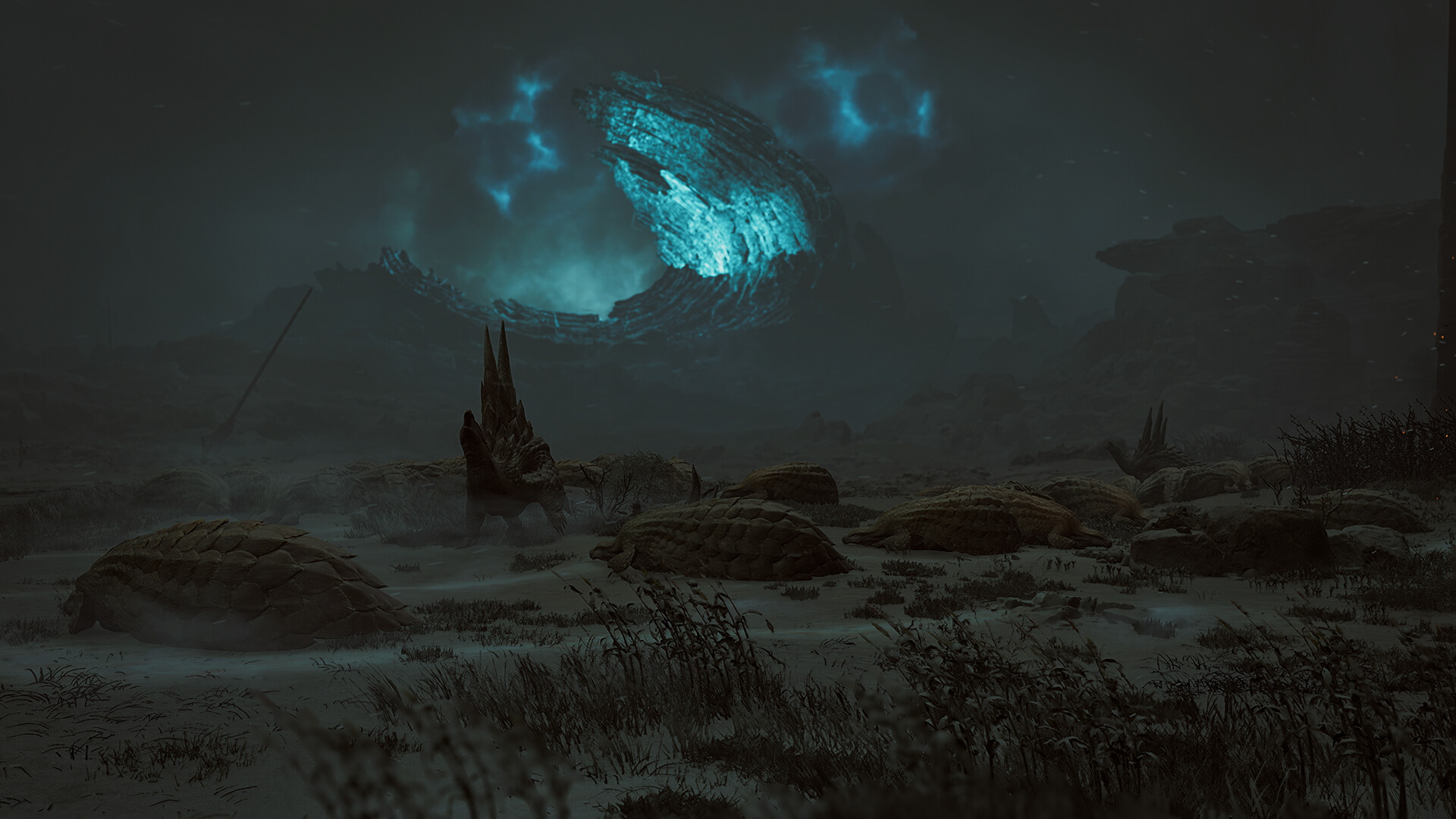
While we're at it: the fact that Capcom is talking about a 2027 launch window now suggests this isn’t just a tiny DLC pack. The word “mega-expansion” fits the scale better than a standard patch, even if I’d still call it a sensible, expected move rather than a total shock. My tip: if you enjoy tracking Japanese game releases, keep an eye on how Capcom phrases these announcements. Their wording often hints at how big a project really is. Sounds good, right?
Why Monster Hunter Wilds is a strong base for a big expansion
Imagine a narrow alley in Tokyo. It looks ordinary at first, but the deeper you go, the more the details start to matter, signs, shops, tiny side paths, and hidden surprises. Monster Hunter games work a bit like that, too. The surface is about hunting monsters, but the long-term appeal comes from systems, builds, co-op rhythm, and the satisfaction of finally mastering a difficult fight.
Monster Hunter Wilds is the kind of base game that can support a very large expansion because the series already thrives on layered content. New monster sets change weapon balance, new environments alter movement and strategy, and endgame systems keep players refining their loadouts. Capcom knows that the real life of a Monster Hunter title often begins after the credits. That’s where the community spends hours comparing armour skills, drop rates, and quest routes, usually with a cup of 抹茶 (matcha, powdered green tea) or coffee close by.

On the flip side: not every expansion needs to be a revolution. Sometimes a strong, steady update is better than a noisy gimmick. That’s why Ascendance feels like a safe bet rather than a wild gamble. For Japan enthusiasts, there’s also a cultural angle here. Capcom’s approach reflects a very Japanese kind of game design patience, build the foundation first, then refine and expand it with care. My verdict: that’s exactly the kind of release plan that keeps a fandom alive.
What I especially like about the timing
Let’s be honest: 2027 is far enough away to make the expansion feel substantial, but not so far away that it sounds imaginary. Fans can enjoy Monster Hunter Wilds now, while also having a clear goal on the horizon. That gives the community something to talk about, theorise about, and, yes, overanalyse in forum threads and YouTube comments.
That reminds me: Japanese gaming news often lands best when you look at it as part of a cycle, not as a single headline. A base game, then an expansion, then another wave of discussion, that’s the rhythm. If you’re learning Japanese, it’s a nice chance to notice how fans talk about content updates using words like 最新 (saishin, latest; most recent) for latest, or パケット (paketto, packet; package) in casual borrowed slang, depending on the context. From my experience, these little language patterns make game news much easier to follow. Not bad, right?
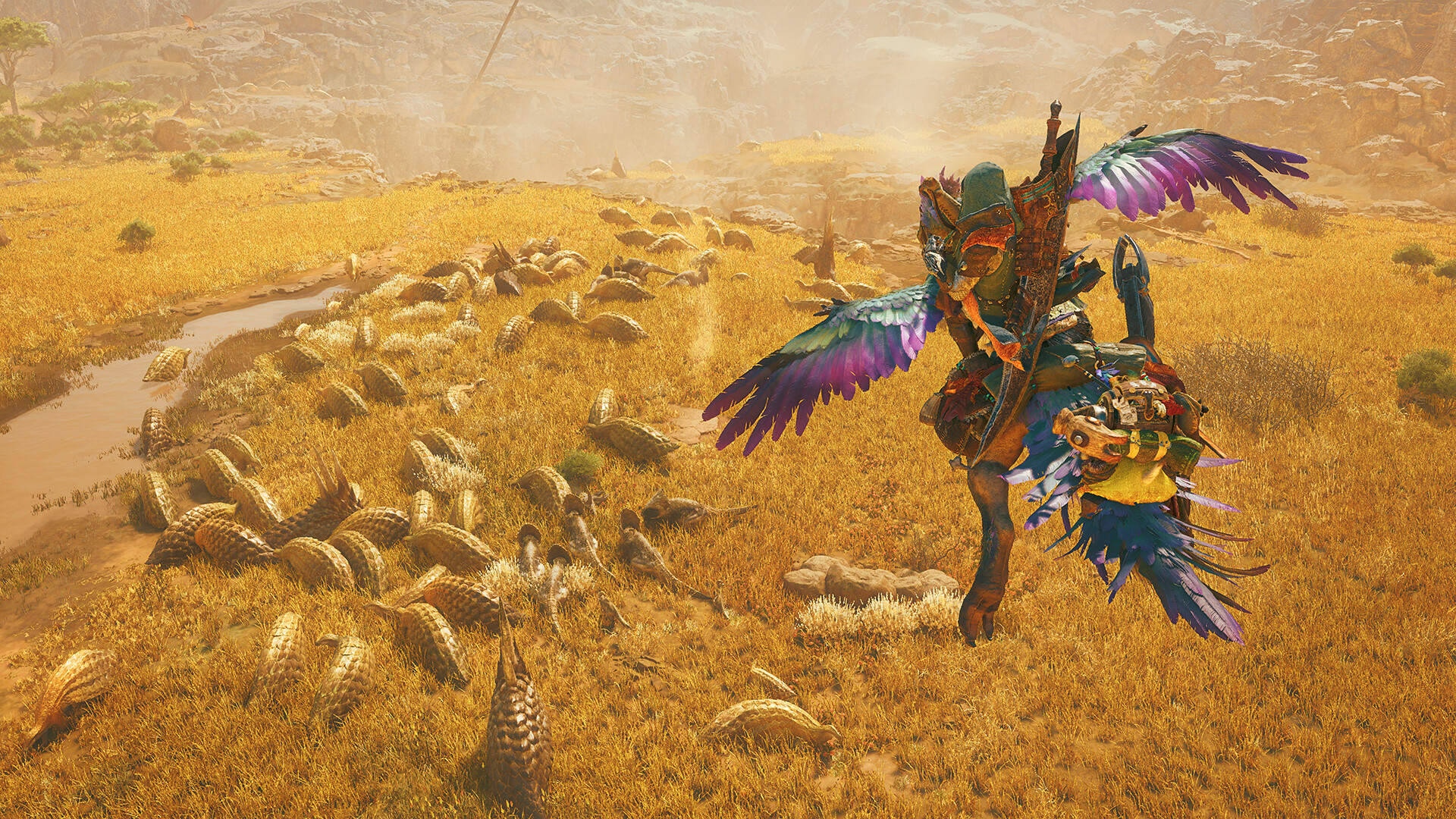
In pictures

Frequently Asked Questions
What is Monster Hunter Wilds: Ascendance?
It is a major expansion for Monster Hunter Wilds announced by Capcom.
When will the expansion release?
Capcom has given a release window of 2027.
Is Monster Hunter Wilds the base game?
Yes, Monster Hunter Wilds is the base game that Ascendance will expand.