And that matters for Japanese learners too, since Capcom is one of the best-known Japan-based publishers, with deep roots in Osaka and a history of game series that travel far beyond Japan. Pro tip: paying attention to company names and franchise terms is a sneaky-good way to build real reading confidence.
![Dragon Ball Z: Kakarot [Master Edition]](https://s.pacn.ws/1/p/1eh/dragon-ball-z-kakarot-master-edition-908785.1.jpg?v=t8ja8t&width=400)

Capcom Spotlight is the official stage, and that matters
Did you know that Capcom Spotlight isn’t just another random trailer dump? It’s Capcom’s own official showcase, which means the publisher gets to control the pacing, the message, and the exact way it presents its biggest games. That usually leads to cleaner updates, stronger branding, and fewer wild guesses than you get from rumour-heavy livestream chatter.
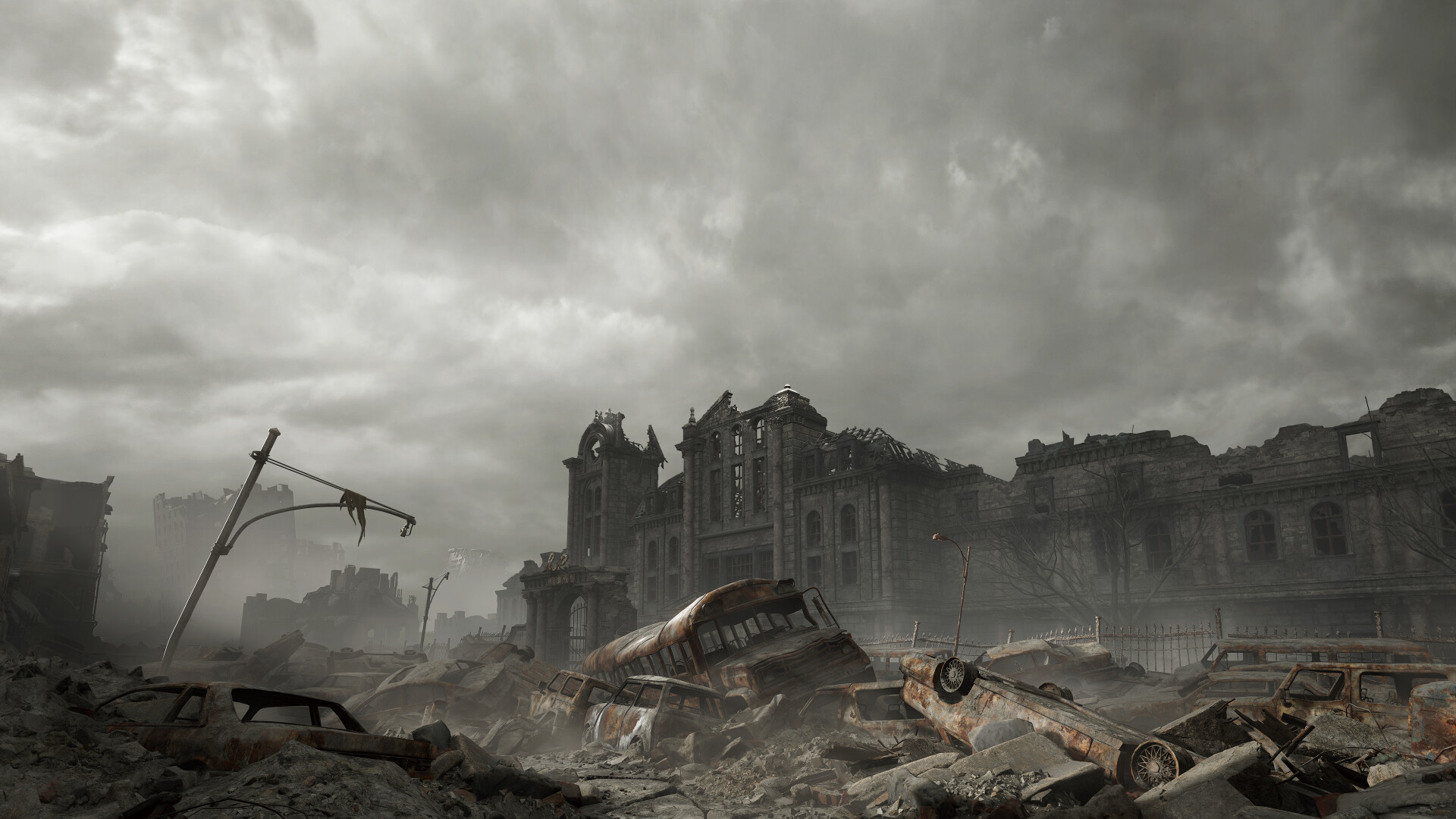
For Japan fans, that official angle is a big deal. Capcom, founded in 1979 and based in Osaka, sits right at the centre of modern Japanese game culture, alongside names like Nintendo, Sega, and Sony Interactive Entertainment. No exaggeration: when Capcom speaks, the industry listens, and fans around the world start translating every frame, every subtitle, every tiny logo.
On a related note, if you’re learning Japanese, company showcases are great listening and reading practice. Words like 最新情報 (saishin joho, neueste Informationen), 予告 (yokoku, Ankündigung; Vorschau), and 新作 (shinsaku, neues Werk; Neuerscheinung) pop up constantly, and you’ll spot how Japanese marketing loves short, punchy phrasing. Classic Japan, isn’t it? Wait, there’s more.
Resident Evil Requiem, Pragmata, and the 2026 conversation
Here’s the kicker: the showcase buzz is mostly about what Capcom might reveal for 2026, and two names keep standing out, Resident Evil Requiem and Pragmata. Resident Evil is already one of Capcom’s strongest global brands, with a long run that stretches back to 1996, while Pragmata has turned into one of those mysterious projects fans keep circling back to every time Capcom schedules a presentation.
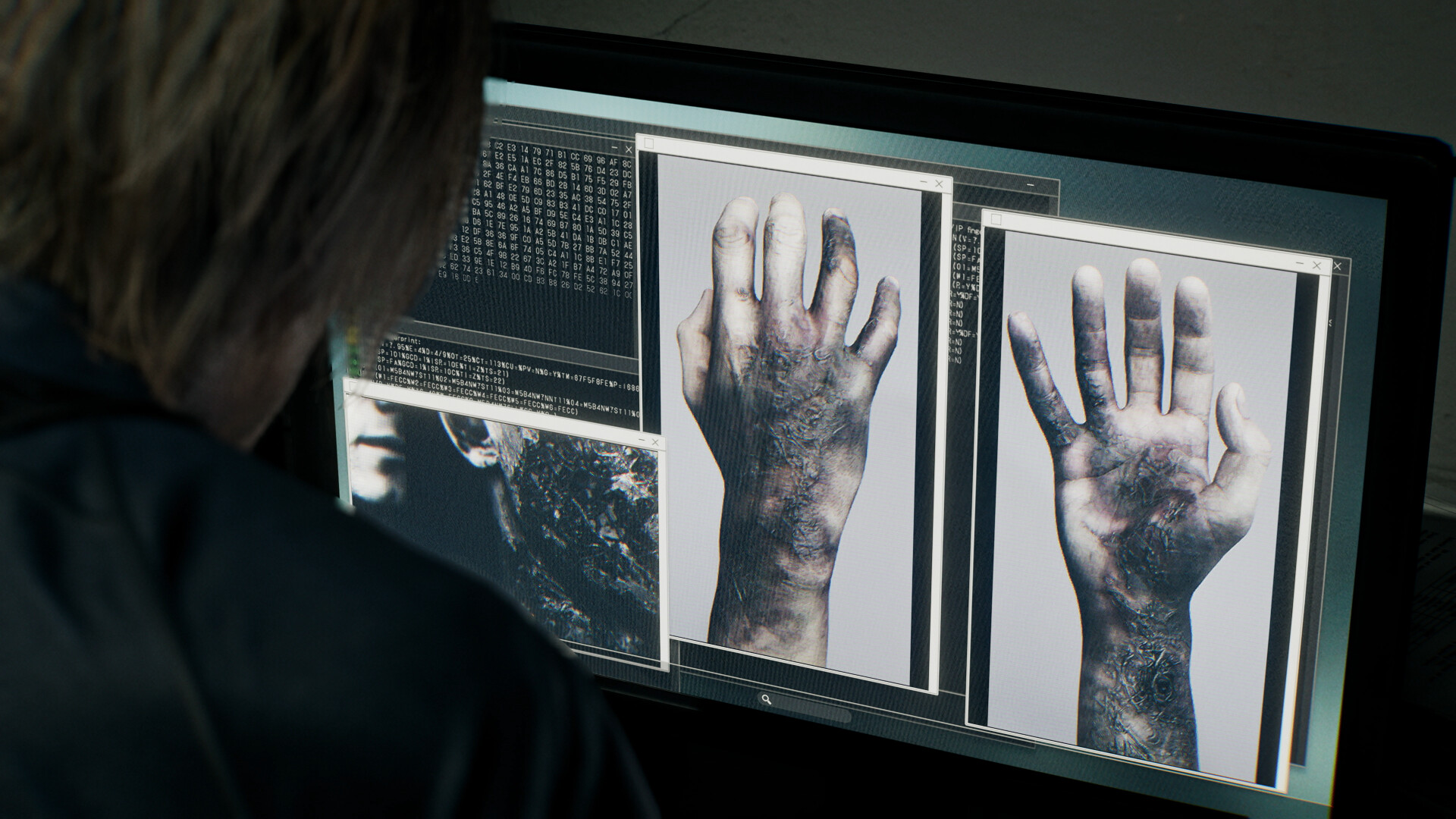
Resident Evil Requiem is especially interesting because the series has become a reliable event game. Every major reveal creates a new wave of speculation about setting, cast, and gameplay direction, and that’s exactly the sort of hype Capcom knows how to manage. My tip: if you see Japanese fans discussing it online, look for words like 関係 (kankei, Beziehung; Zusammenhang), 背景 (haikei, Hintergrund), and 研究 (kenkyu, Forschung; Untersuchung), because those conversations often focus on relationships, background, and theory-building rather than just action scenes.
Pragmata is different, and that difference makes it even more striking. It was originally announced in 2020, then delayed, which means every new appearance feels like a test of how much Capcom wants to show. Compared with back home, where marketing often prefers constant updates, Japanese publishers sometimes wait until they’ve got something solid, then release it with very little warning. See what I mean?
What Capcom might actually show
Here’s the thing: Capcom Spotlight usually balances certainty with tease. That could mean a proper trailer for Resident Evil Requiem, a gameplay look at Pragmata, and maybe a smaller update for Monster Hunter fans who are always hungry for the next expansion, spin-off, or systems explanation. Capcom doesn’t need to announce five giant things at once, because one strong reveal can carry a whole presentation.
Monster Hunter, in particular, has a special place in Japan. The series grew into a social phenomenon partly because it fits group play so well, from PSP days in cafes and train rides to modern online hunting sessions. Oh, almost forgot: that sense of shared play is why a lot of Japanese fans use phrases like 友達 (tomodachi, Freund; Freundinnen und Freunde), 協力 (kyoryoku, Zusammenarbeit; Kooperation), and issho ni when they talk about the series. Wait, there’s more.

Why a Japan publisher showcase is worth your attention
For Japan enthusiasts, the real value of Capcom Spotlight is not just the trailers, it’s the context. Capcom is a Japanese publisher and developer with global reach, and showcases like this show how a Japan-based company positions its IP for worldwide audiences. That makes it a useful case study if you care about game business, localisation, or how Japanese media companies present themselves in English.
There is also a language angle that learners shouldn’t miss. The first time I went to Japan, I remember seeing how often brand messages are short, direct, and surprisingly polite at the same time. Capcom’s presentations often carry that same feel, even when the content is loud and flashy, which is why they are such good material for learners who want to hear real, usable English around Japanese entertainment news. Not bad, right?
Before I forget: if you’re building a Japanese vocab list, this is a great moment to note words connected to game announcements, like hatsu-hyo, koshiki, and yokoku. You don’t need to memorise them all at once. Just noticing them in context helps a lot, and that is often the fastest way to make Japanese feel less like a textbook and more like something living and current. From my experience...
My tip for following Capcom Spotlight like a Japan fan
What I especially like about Capcom Spotlight is that it gives fans a clean checkpoint. You know where to look, you know who is speaking, and you know the conversation is coming from an official Japan publisher with a strong track record. That is very different from chasing half-translated leaks on social media.
If you want to follow it smartly, watch the official English recap, then compare it with Japanese coverage from outlets like Famitsu or 4Gamer. You’ll notice how Japanese articles often use slightly different emphasis, especially on release timing, staff comments, and franchise history. That’s why these showcases aren’t just entertainment, they’re study material too.
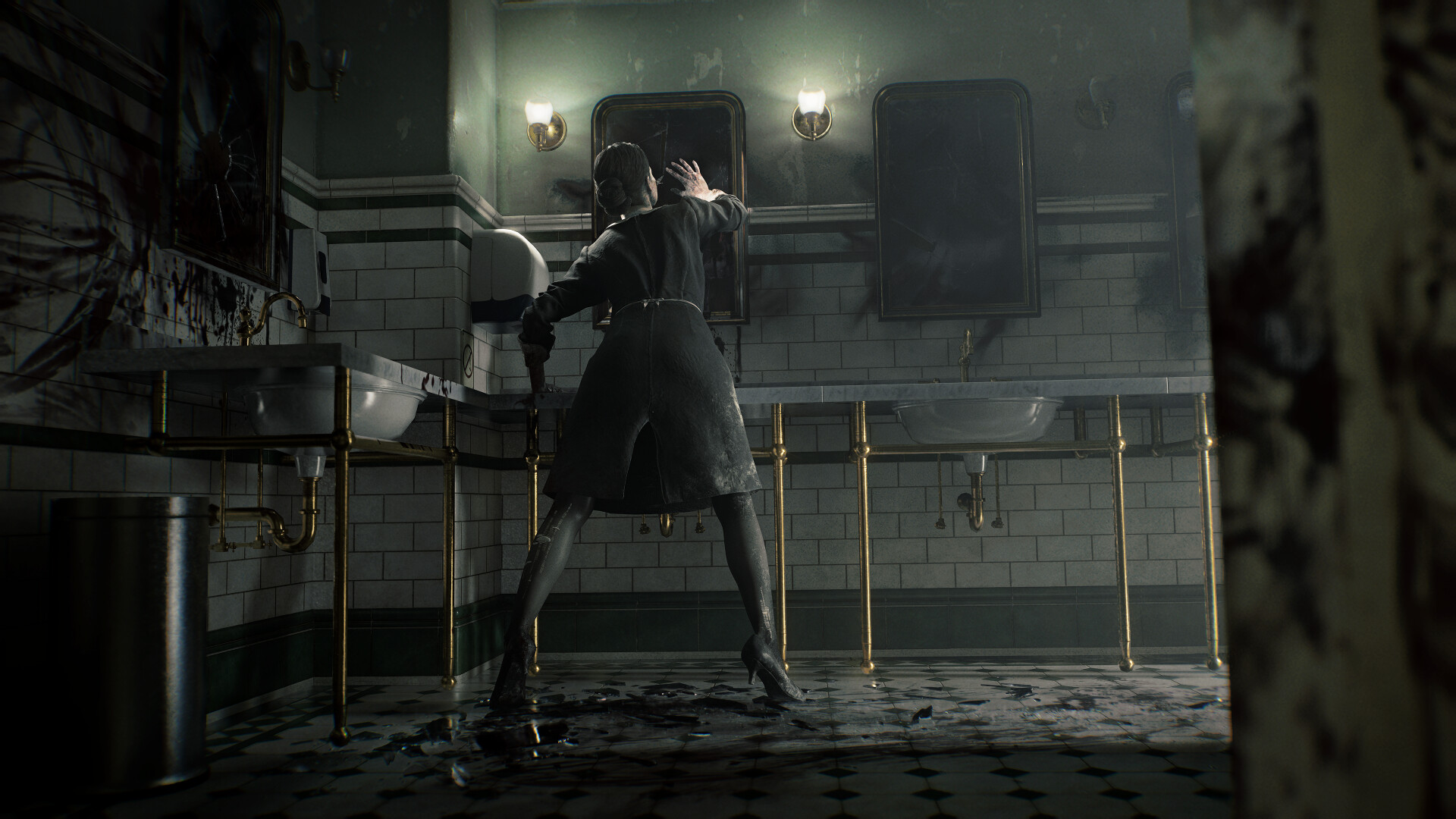
And yes, I’m expecting Resident Evil Requiem to get the most attention, with Pragmata close behind if Capcom is ready to show real progress. Monster Hunter may not steal the spotlight this time, but even a short mention can tell us a lot about where Capcom sees its 2026 roadmap heading. Pro tip: keep an eye on the language around date windows, because Japanese game news often reveals more through wording than through giant headlines. See what I mean?
If you want more Japan coverage like this, more Japan news on jpnerd.com.
In pictures


Frequently Asked Questions
What is Capcom Spotlight?
It is Capcom’s official showcase for game announcements, updates, and trailers.
Why are Resident Evil Requiem and Pragmata being discussed?
They are two of Capcom’s most closely watched projects and are expected to be central to fan interest around 2026.
Why should Japanese learners care about this event?
It is a useful way to see real company language, game vocabulary, and how Japanese publishers present news internationally.