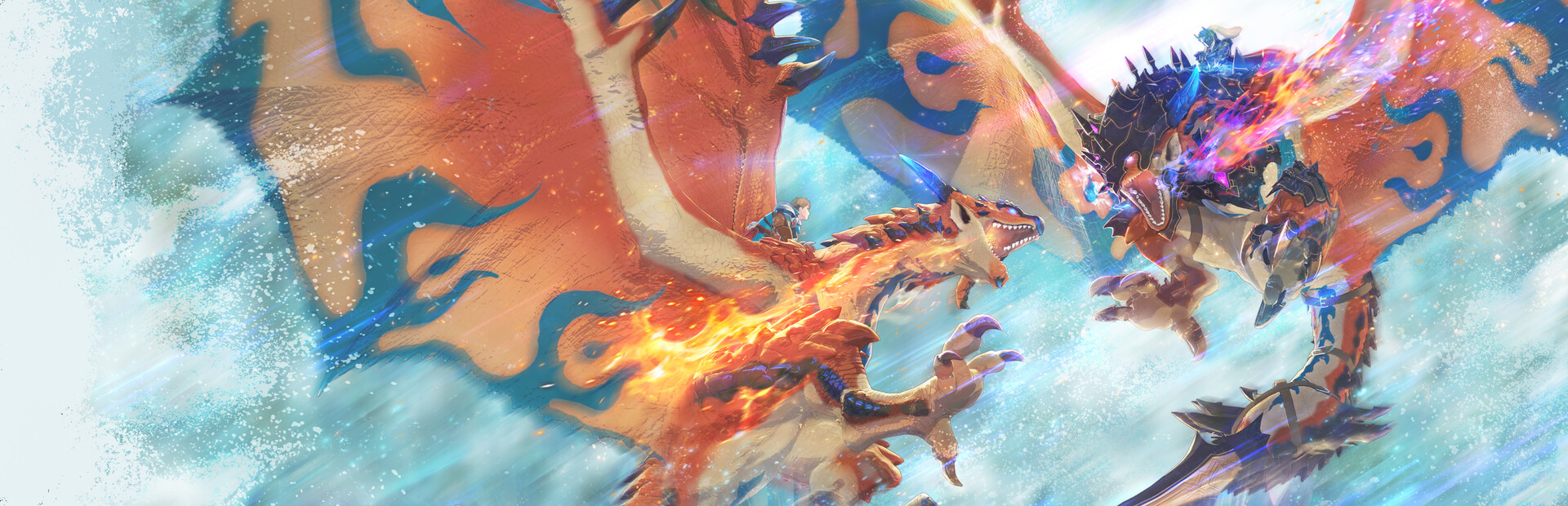
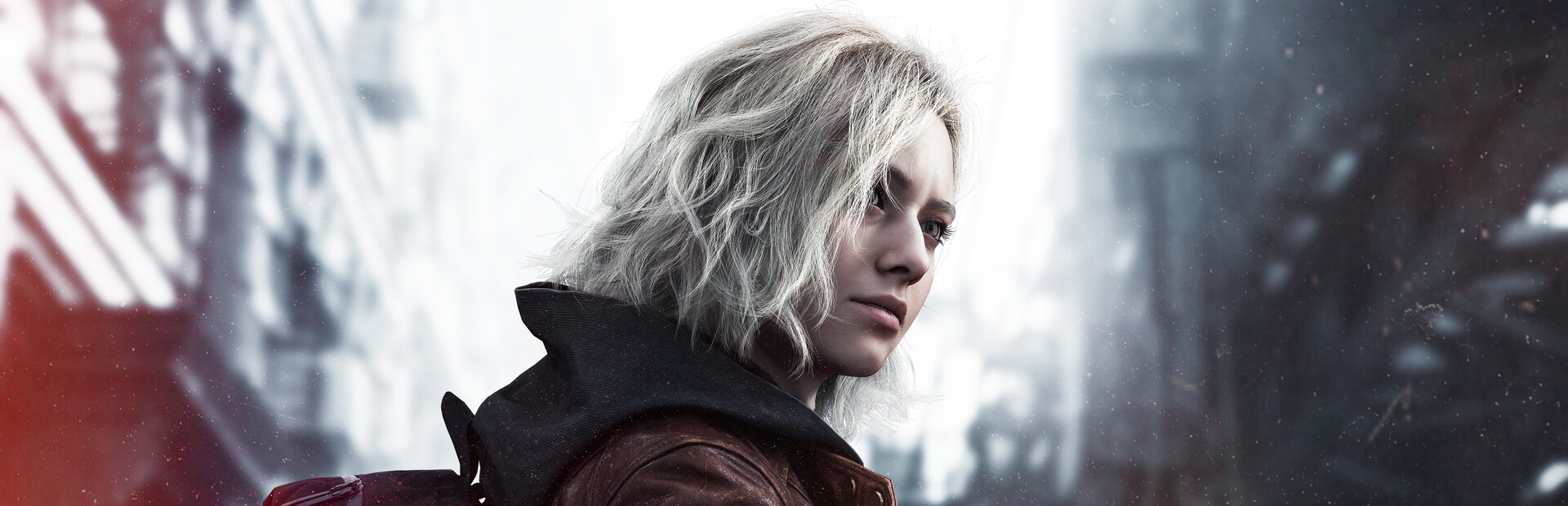
For Japanese learners, this is a nice reminder that game news can be a great language practice tool, especially when you start spotting words like anime, クリスマス (kurisuma, Christmas), and プロレス (puroresu, professional wrestling)-style hype in fan discussions. Classic Japan, isn’t it?
![Dragon Ball Z: Kakarot [Master Edition]](https://s.pacn.ws/1/p/1eh/dragon-ball-z-kakarot-master-edition-908785.1.jpg?v=t8ja8t&width=400)


Capcom’s got another big win on its hands, and this one comes with a very Japanese mix of game design, cross-media promotion, and platform momentum. One of the company’s action heavyweights has now sold 11 million copies worldwide, a figure that would’ve sounded massive even a few years ago, and it’s still climbing.
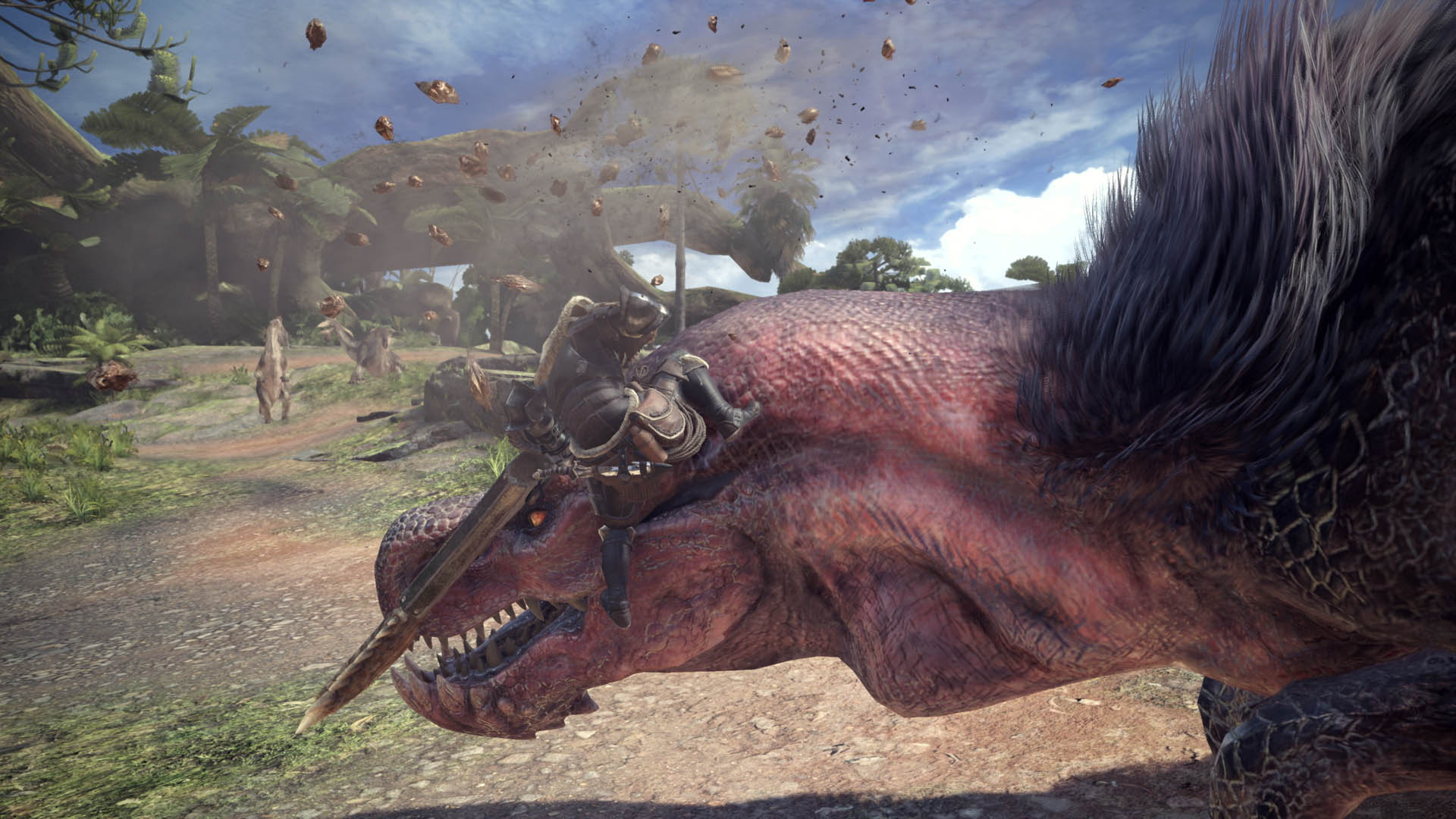
The timing is what makes this story interesting. A Netflix anime gave the game fresh visibility, while talk around Nintendo’s next console generation helped keep fans closely watching the series. No exaggeration: this is exactly how a modern Japanese game franchise stays alive for years, not just weeks.
Before I forget: if you’re learning Japanese, this kind of news is gold. You get real industry vocabulary, real company names, and real fan language, not textbook filler. Words like 生産 (seisan, production) (production), 販売 (hanbai, sales) (sales), and 拡大 (kakudai, expansion) (expansion) pop up all the time in Japanese gaming coverage, and once you start noticing them, articles feel a lot less intimidating.
11 Million Sales, and the Game Still Feels Current
Seven years after release, the game in question is still selling better than ever, which says a lot about how strong the original design was. Capcom released it in 2018, and it quickly earned praise for its tight combat, stylish art direction, and replay value. The company has since kept it in the conversation with updates, ports, and cross-media attention, and the result is a sales curve that keeps bending upward instead of flattening out.
To be fair, not every hit from the late 2010s can do this. Plenty of games get a burst at launch, then fade into a discount-bin life cycle. This one stayed relevant because players kept recommending it, speedrunners kept showing off its systems, and new audiences kept arriving through different doors. Wait, there's more.
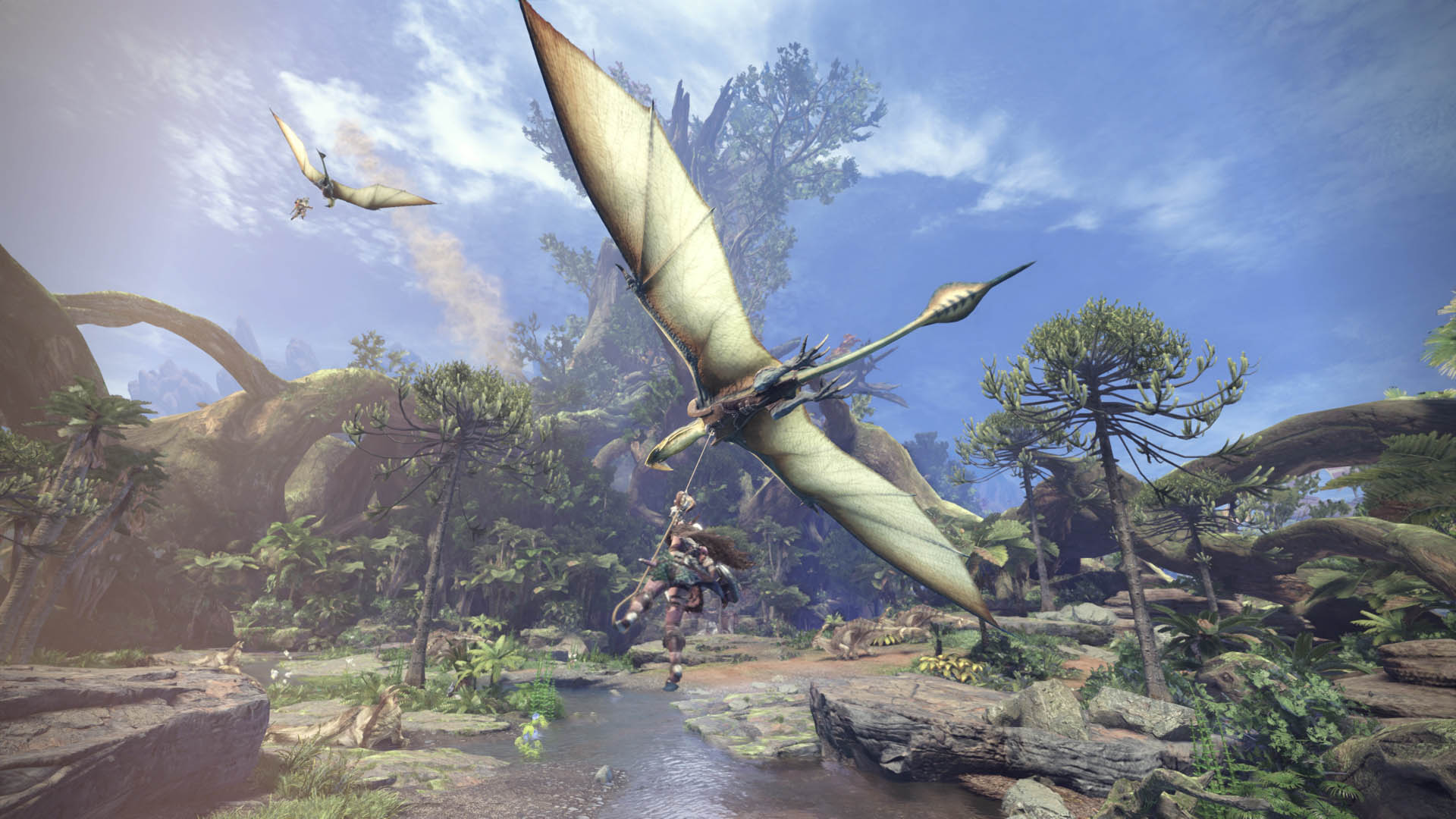
Why the number matters
Eleven million isn’t just a bragging-rights figure, it tells us the franchise has reached true mainstream staying power. For Capcom, that matters because the company has been unusually good at nurturing long-tail hits, from Monster Hunter to Resident Evil and now this action title too. The pattern is clear: make a strong game, support it carefully, then let time and word of mouth do some of the work.
What I especially like is that this isn’t driven by gimmicks alone. The game has a distinct identity, and fans remember it because the combat feels precise and the world looks like something only a Japanese studio would build, full of flair, danger, and that slightly dramatic energy you see in anime and 特撮 (tokusatsu, special-effects live-action genre) alike. Personally...
Netflix Anime Helped Push the Franchise Forward
Here’s the kicker: the Netflix anime changed the conversation. When a game gets adapted into an anime series, it stops being “just a game” and becomes part of a broader fandom pipeline. New viewers discover the characters first, then look for the game, clips spread on social media, and suddenly a seven-year-old release looks brand new again.
That kind of push is especially effective for Japanese properties because the format feels natural. Japan has spent decades building transmedia ecosystems, where manga, games, anime, figures, drama CDs, and live events all feed each other. On a related note, for learners, this means you can practise reading across media, then compare how the same character names or attack terms appear in subtitles, menus, and fan posts. Pro tip: that’s one of the fastest ways to build recognition without memorising word lists in a vacuum.
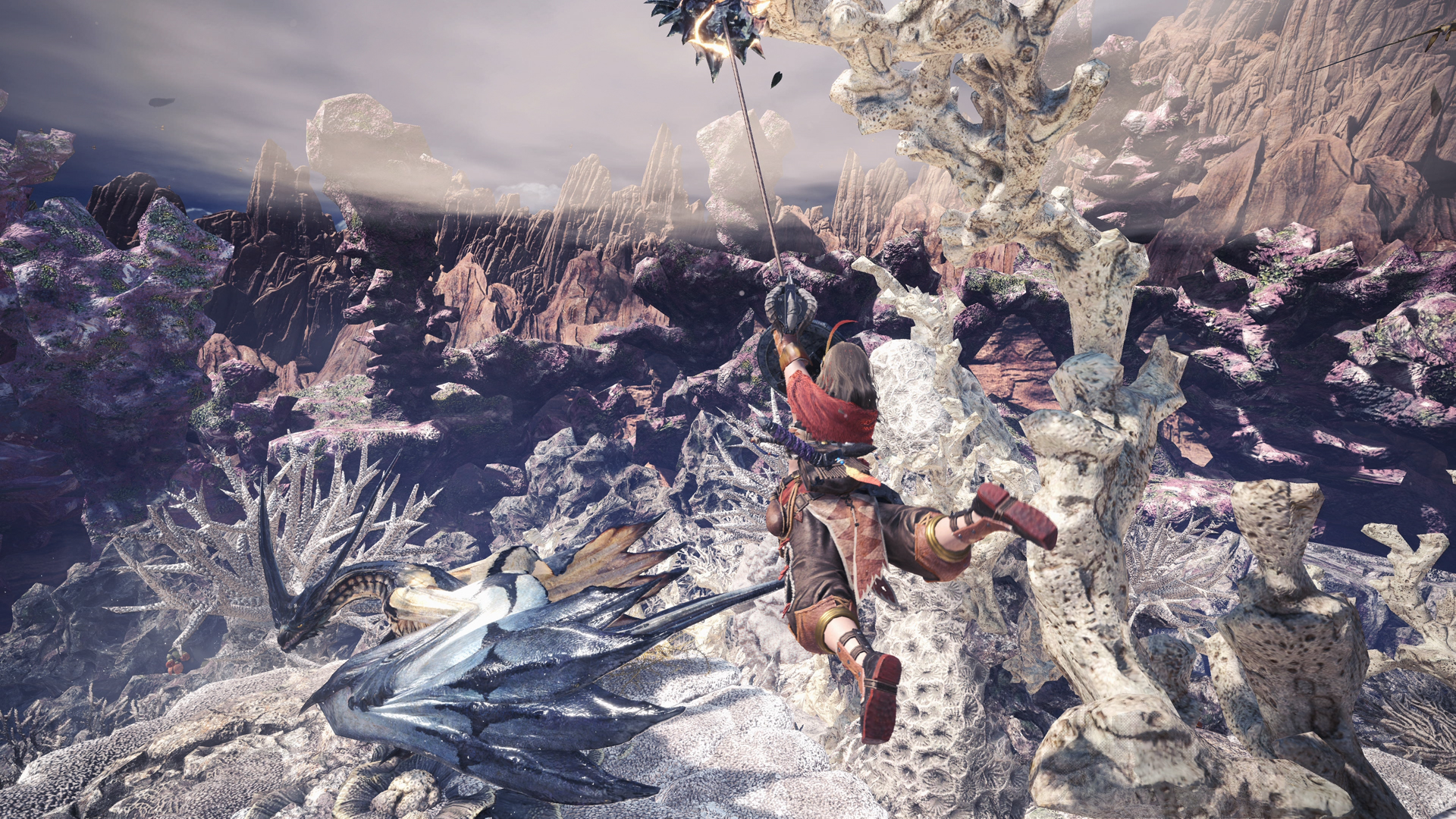
The anime also gave international fans an easy entry point. Not everyone wants to jump into a difficult action game first, but a short Netflix series is a lower barrier. Once they like the setting, they’re far more likely to buy the game, search for lore videos, or follow Capcom’s next announcement. But that's not all.
Why anime and games work so well together
Unlike what we're used to in some Western franchises, Japanese companies often treat adaptation as a strength, not a fallback. The anime can sharpen a game’s identity, expand its world, and make old content feel current again. That’s one reason this sales story feels so familiar to anyone who follows Japanese pop culture, whether it’s a shonen title, a mecha series, or a game with a strong character cast.
My tip: if you’re reading Japanese news about anime tie-ins, watch for the word 再生 (saisei, revival) (revival) and phrases like 語られない (katararenai, cannot be talked about enough) (cannot be discussed enough). They show up when fans think a franchise is having a second life. Classic Japan, isn’t it?
Switch 2 Talk Keeps the Franchise in the Spotlight
That brings us to the Nintendo angle. Even without a confirmed new entry at the time of writing, the chatter around Nintendo’s next hardware, often referred to by fans as Switch 2, keeps older hits in the conversation. When a new console cycle starts to look real, players immediately wonder which Capcom games might get enhanced ports, remasters, or fresh sales boosts.
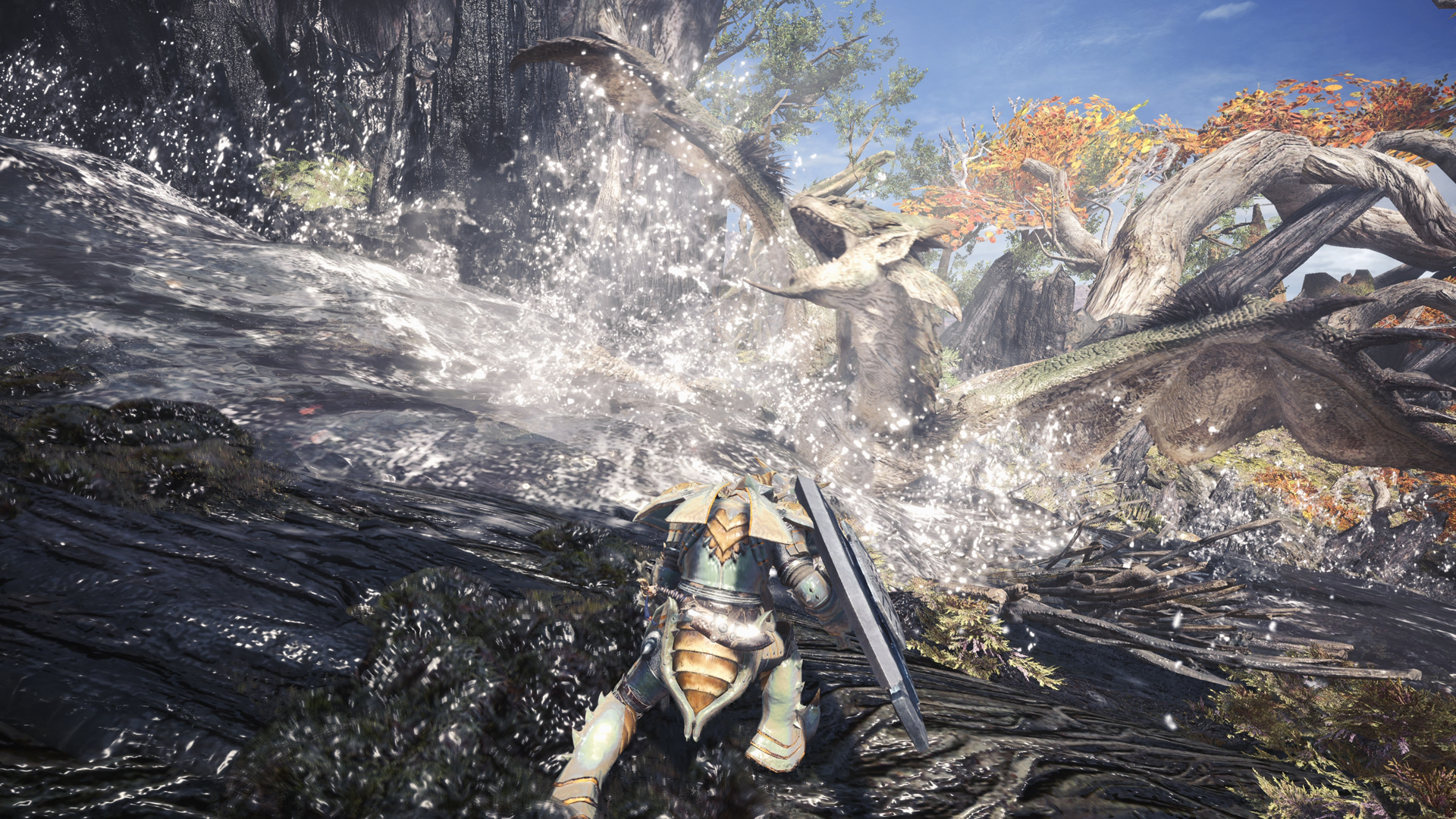
And that matters for a title like this one. Capcom has a long history of bringing games to multiple systems, including Nintendo platforms, and every new hardware generation opens a fresh sales lane. If a game already has a loyal fanbase, better hardware visibility can nudge curious buyers who missed it the first time. No need for a full reboot when the original is still strong enough to carry the brand.
On a related note: Nintendo fans are famously patient, but they’re also very alert to catalogue support. If Switch 2 brings improved performance, higher resolution, or more stable frame rates for older action games, that can create a real bump in interest. And because Capcom understands that market well, this sales milestone may be less of a finish line and more of a signpost. Personally...
Here’s the thing: when a game keeps selling years later, you’re not looking at luck alone. You’re looking at design quality, brand trust, and an ecosystem that knows how to keep momentum alive. That’s why this 11 million figure feels important far beyond one title. It shows how Japanese game companies can extend a hit through anime, platform cycles, and long-term community support, all without losing what made the original special.
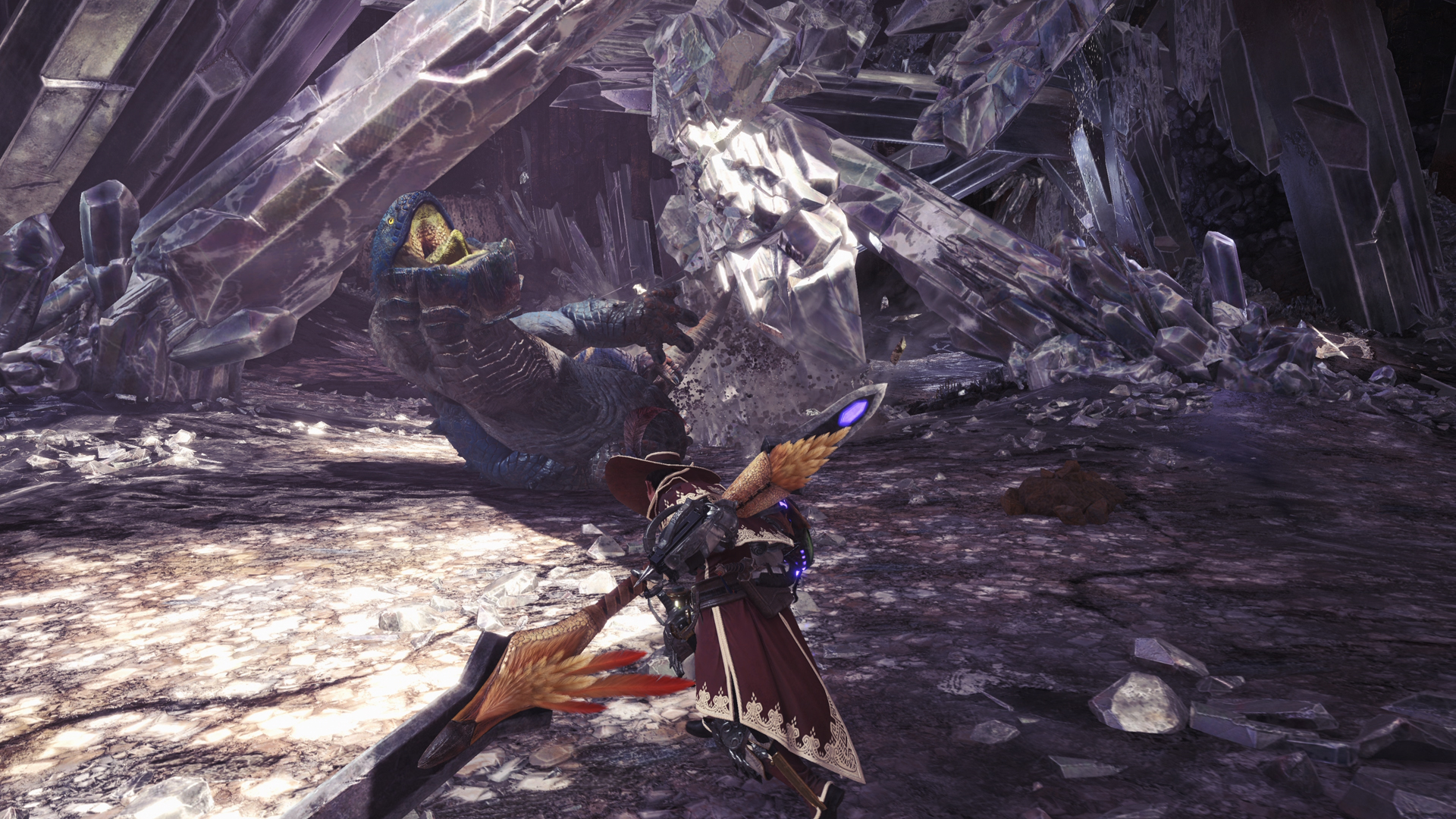
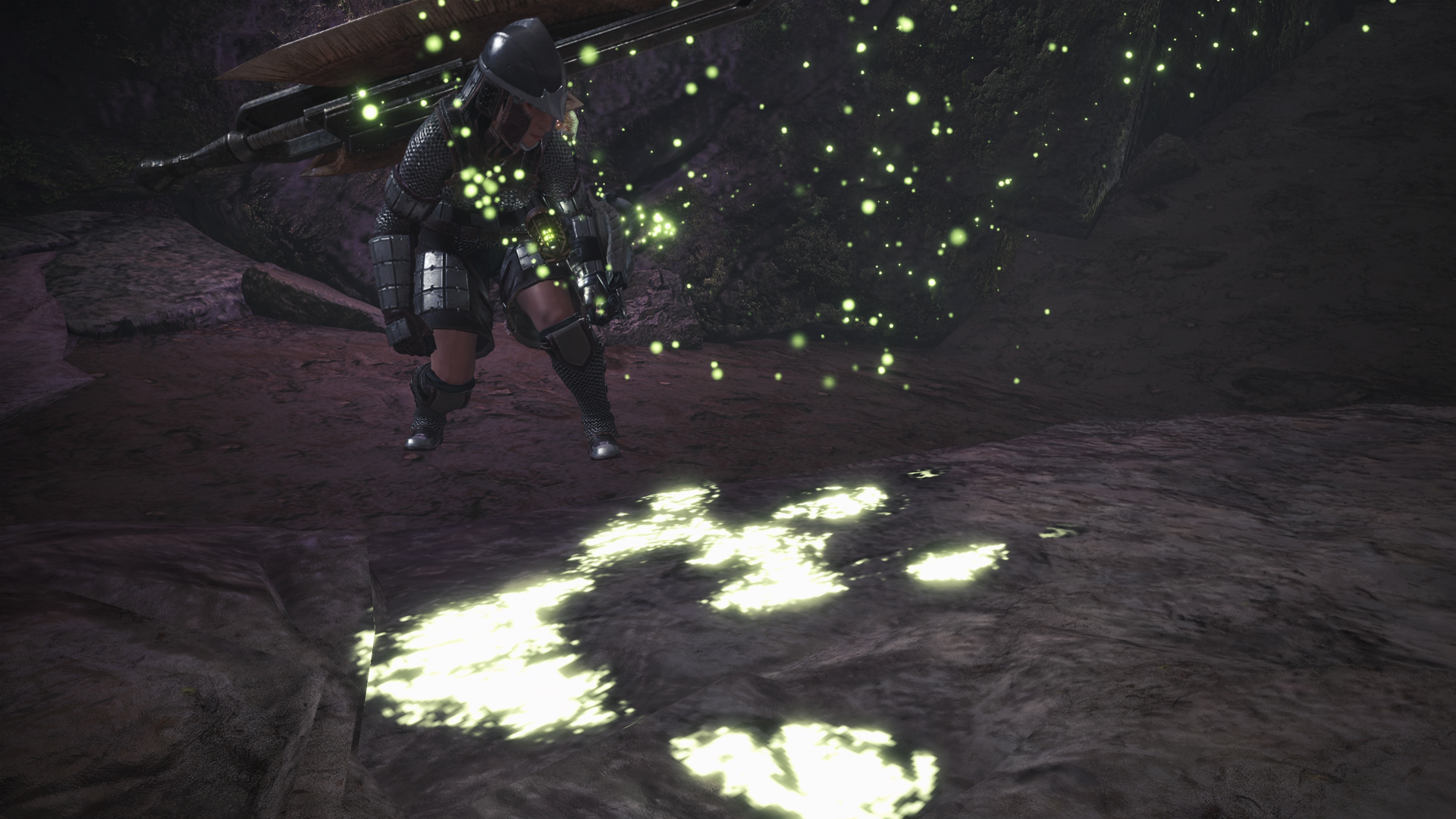
In pictures
Frequently Asked Questions
Why did the game keep selling after so many years?
Strong gameplay, continued visibility, and new attention from the Netflix anime all helped keep it relevant.
How does Switch 2 fit into this story?
Talk about Nintendo’s next console keeps older Capcom hits in the spotlight, since fans expect new ports, upgrades, or renewed sales interest.
Why is this useful for Japanese learners?
Game and anime news gives you real-world vocabulary, brand names, and fan expressions you can study in context.