

I’ve always thought the real appeal here isn’t just the bath itself, it’s the whole pace of the town. That said, timing matters a lot, especially if you want a quieter soak and not a packed walkway.
Did you know that Kurokawa Onsen doesn’t feel like a single resort, but more like a small mountain town built around bathing? That’s what makes it so memorable. It sits in Minamioguni, Kumamoto Prefecture, and the setting alone already does half the work.
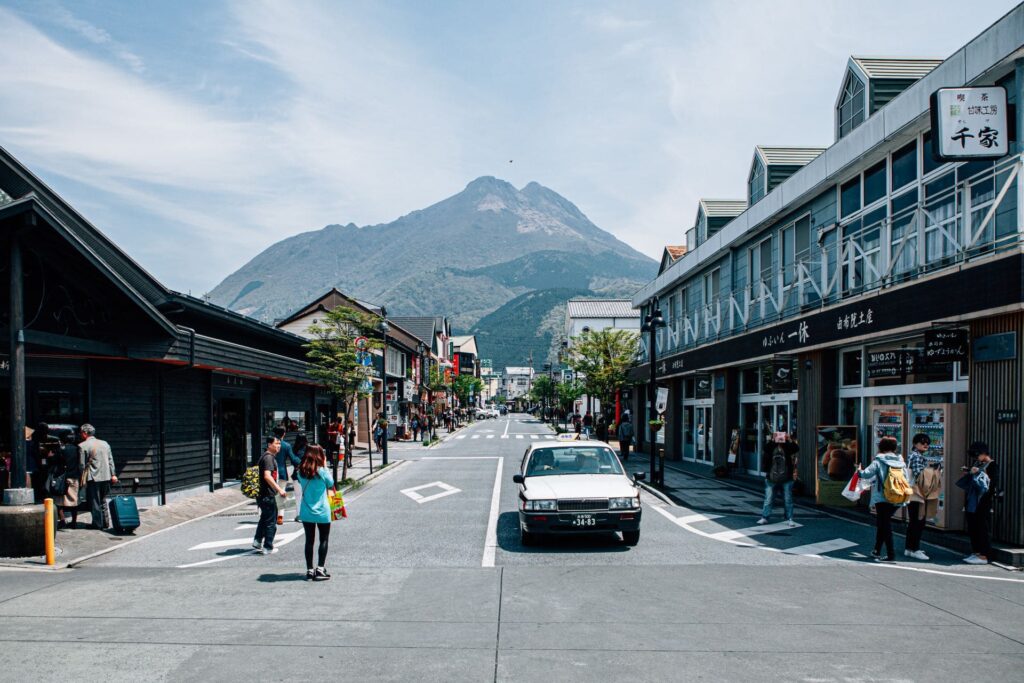
For Japan lovers, that atmosphere is part of the charm. You’ll hear words like ryokan, 露天風呂 (rotenburo, open-air bath), and 湯旅 (yutabi, hot-spring trip) thrown around, and they’re not just travel fluff, they describe how the whole place works. The best part: you can enjoy a proper onsen experience without needing a huge spa complex.
Kurokawa Onsen and the Ryokan Association
The town’s image is closely tied to the Kurokawa Onsen Ryokan Association, which helps keep the area coordinated and consistent. That matters more than people realise. The baths, lanes, signboards, and even the famous paper bath passes are all tied to a shared identity, so the town doesn’t feel fragmented the way some hot spring areas do.
Picture this: narrow roads, wooden buildings, steam drifting up in the cold air, and ryokan owners who clearly care about how the whole place looks. Sounds odd, but it’s true, the uniformity actually makes Kurokawa feel calmer than bigger onsen towns like Beppu or Hakone. There’s less visual noise, more atmosphere, and you notice it right away.
What the ryokan association changes for visitors
It changes the experience in small but meaningful ways. Instead of each inn shouting for attention, the area feels curated, and that makes wandering around easier. If you’re learning Japanese, this is also a nice place to connect vocabulary with real life, because ryokan isn’t just a word on a textbook page here, it’s the actual rhythm of the town. See what I mean?
Live bathing status page and why it matters
Unlike what we’re used to in many tourist spots, Kurokawa Onsen has a live bathing status page that helps visitors check which baths are currently available. That sounds tiny, but it’s incredibly useful if you’re planning a day trip and don’t want to arrive only to find your first-choice bath closed. The system cuts down on guesswork, which is a relief in a place where many facilities rotate hours or have limited public access.
Hand on heart: this is one of the smartest things Kurokawa offers. A lot of onsen towns rely on word of mouth, but here you can check the current situation before you commit to the drive. For a learner of Japanese, it’s also a nice chance to spot practical signage and bath-related terms like 入浴 (nyuyoku, bathing), 休止 (kyuushi, pause; suspension), and 開館時刻 (kaikan jikoku, opening time) in context. Wait, there’s more.
How to use it without wasting time
Check the live page before you leave your hotel or train station, then again before you enter the town if you’re coming by car or bus. Some baths are more popular in the morning, while others fill up later when day-trippers arrive. My tip: pick one bath you really want, then have a backup ready. That way, you won’t spend half your visit walking between inns.



Day trips, crowds, and the real timing problem
So, is a day trip enough? Yes, but only if you accept that you won’t see everything. Kurokawa Onsen is compact, yet the experience changes a lot depending on when you arrive. Midday, especially on weekends and holidays, day-trippers can crowd the central streets and the most photogenic bathing spots.
For example, if you get there around late morning, you may find the parking lots filling up and the footpaths busier than you expected. That doesn’t ruin the visit, but it does make the town feel less dreamy. Early arrival is the move. If you can get there before 10:00, you’ll have a much better shot at a quieter walk and shorter waits for the rotenburo you actually want. Wild, isn’t it?
Day trip or overnight stay?
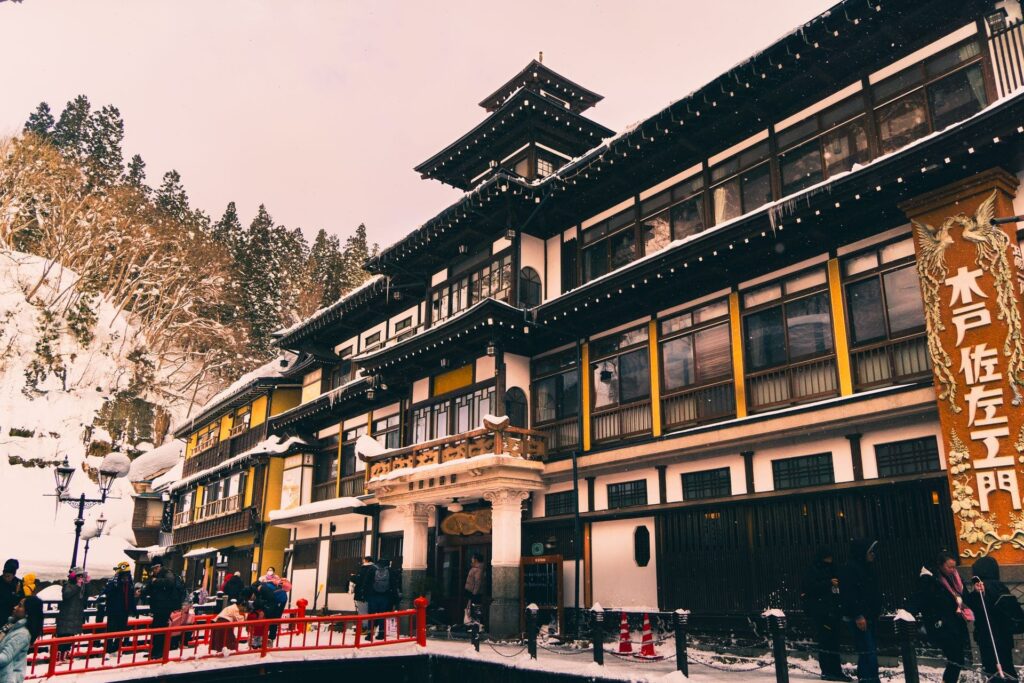
If you only care about checking Kurokawa off your list, a day trip works. If you want the full experience, stay overnight. The evening light, the quieter streets, and the chance to hop between baths after dinner are what make the town really click. This is my absolute hidden gem! The overnight pace feels closer to the classic ryokan fantasy many Japan fans imagine in the first place.
Oh, almost forgot: if you’re visiting in colder months, the contrast between the mountain air and the hot water is excellent. That’s when the town feels most dramatic, and the steam rising from the baths looks incredible. From my experience, Kurokawa is best when you’re not rushing, even if you only have one day to spend.
My verdict on whether Kurokawa Onsen is worth the trip
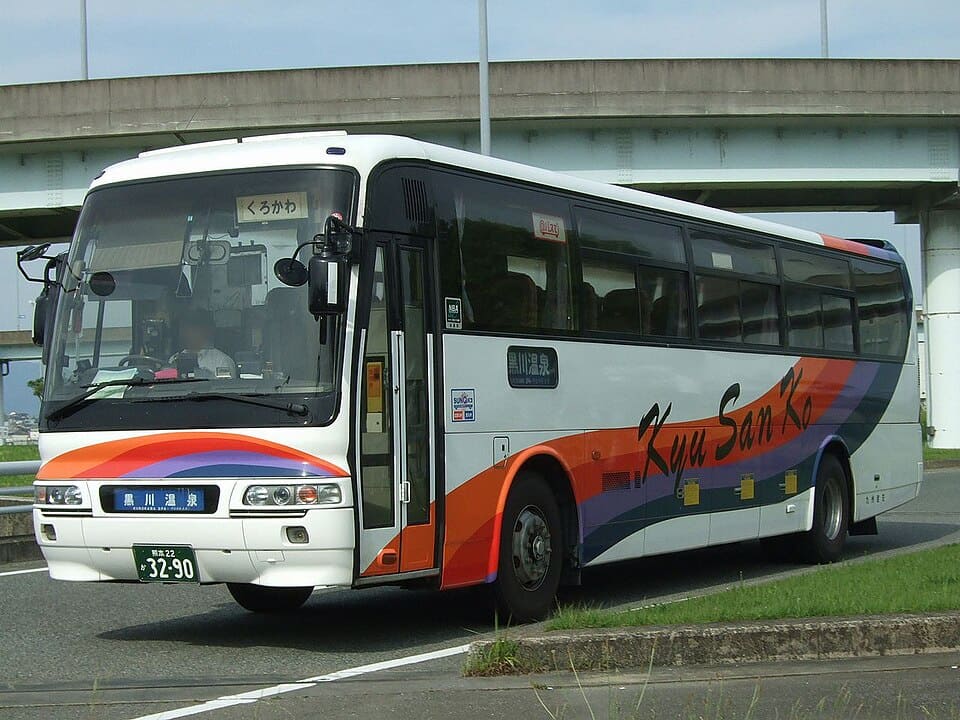
Here’s the catch: Kurokawa Onsen isn’t the easiest place to reach, and that’s part of the trade-off. You’ll usually need a bus or car connection from Kumamoto, Aso, or nearby hubs, so it’s not a casual drop-in stop. But if you want a polished onsen town with strong atmosphere, a coordinated ryokan culture, and a useful live bathing status page, it absolutely earns its reputation.
What I especially like is that it doesn’t try too hard. It’s quiet, organised, and very good at one thing. So yes, for a day trip, it can be worth it, especially if you plan well and check crowd levels before you go. If you have the time, though, stay one night and let the place breathe a bit more. That’s when Kurokawa really shows its charm.
If you want more Japan travel reading, visit more Japan news on jpnerd.com.
Frequently Asked Questions
Is Kurokawa Onsen worth visiting on a day trip?
Yes, if you plan ahead and arrive early. A day trip gives you a good taste of the town, but an overnight stay is better for a slower experience.
How busy does Kurokawa Onsen get?
It can get crowded around late morning and midday, especially on weekends and holidays. The busiest areas are usually the central streets and the most popular baths.
Can you check bath availability before going?
Yes, the town has a live bathing status page that helps visitors see which baths are open right now. It’s very handy for day-trippers.


