

For Japan fans and language learners, this is more than a hotel story. It’s a window into how a commercial ryokan works, how luxury is packaged, and why words like ryokan, kaiseki, and onsen matter when you read reviews in Japanese or English.
Gora Kadan in Hakone is one of those names that keeps coming up whenever people talk about high-end ryokan in Japan. The property sits in Gora, a hot-spring area in Hakone, Kanagawa, and it has a reputation that mixes old-school Japanese atmosphere with polished hotel-style service. That mix sounds ideal, but once you read a guest review that compares two rooms in the same stay, the picture gets more interesting.
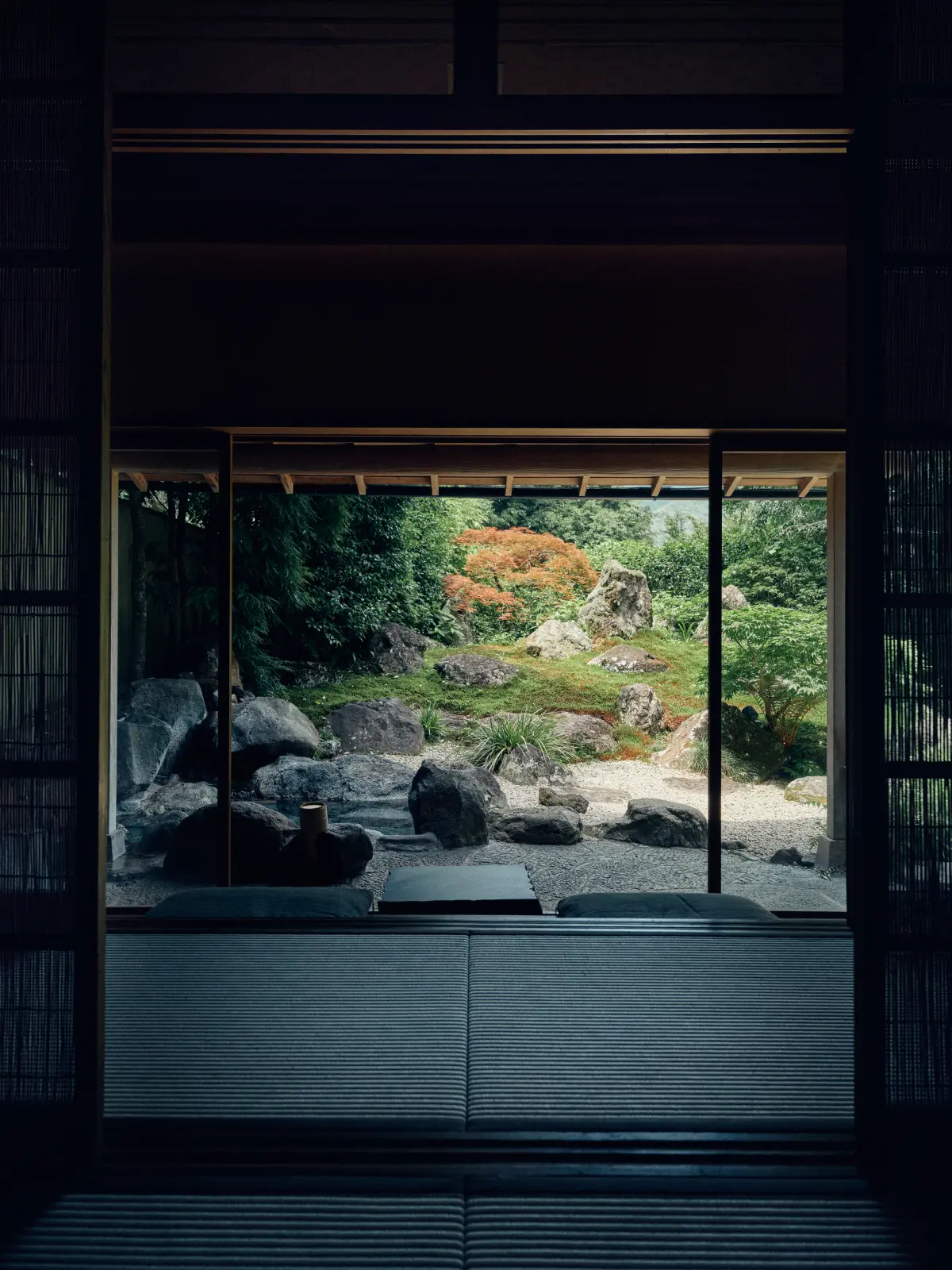
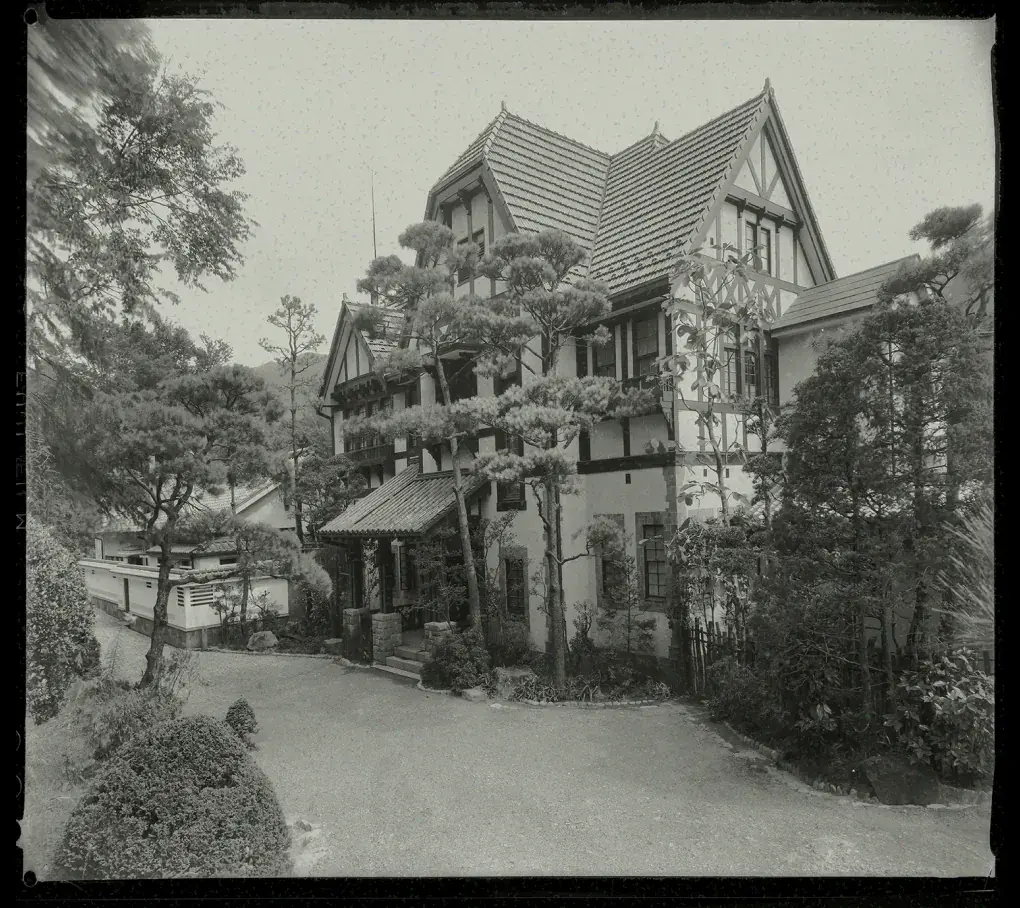
Take Gora Kadan, for instance. It began life as the summer villa of the imperial Kan'in family, then reopened as a ryokan in 1989. That history matters, because it helps explain the mood: 畳 (tatami, Tatami-Matte), garden views, quiet corridors, and a sense that the place wants to feel traditional even while charging modern luxury rates. No exaggeration: this isn’t a budget inn with a cute lantern out front, it’s a commercial ryokan aimed at guests who expect flawless presentation and privacy.
Gora Kadan in Hakone: What the Location Adds
Hakone is already one of Japan's strongest resort areas, and Gora sits in the part of town that many travellers use as a base for art museums, ropeway rides, and, of course, onsen hopping. The Hakone Tozan Railway gets you into the area, and Gora Station makes the area feel connected even though the mood is calm and tucked away. If you're learning Japanese, this is a nice place to notice how often travel writing uses words like 山 (yama, Berg) for mountains, 湯 (yu, heißes Wasser; Badewasser) for hot water, and 奥 (oku, Tiefe; abgeschiedener Ort) for deep or hidden spaces.
What many overlook is that Hakone luxury isn't just about having a nice room. It's about how the whole trip flows. A ryokan like Gora Kadan sells the transition from train platform to quiet garden, from shoes off to slippers on, from city noise to controlled silence. That staging is part of the product, and it explains why guests can be both impressed and picky at the same time. Sounds good, right?
Two Rooms, Two Feelings: Why One Review Stands Out
The review that sparked this discussion is memorable because it doesn't treat the stay as one single experience. It looks at two rooms, and the contrast is the point. That kind of comparison is useful, because in a ryokan the room isn't just where you sleep, it's where service, design, and price all meet.
Room One: Atmosphere and First Impressions
The first room in a luxury ryokan often carries the biggest emotional weight. Guests notice the 玄関 (genkan, Eingangsbereich) entry area, the layout of the tatami room, the bathroom finish, and whether the garden or courtyard view feels private enough. If one room feels spacious, calm, and carefully arranged, then the whole stay can start with a strong yes. The first time I went to Japan, I learned that small details can change everything, and ryokan are a perfect example of that.



Room Two: The Comparison Factor
The second room, in a review like this, becomes a measuring stick. Maybe it was slightly different in size, maybe the view felt less special, or maybe the layout made the stay feel less elegant. That doesn't always mean the room was bad, but at luxury prices, even tiny differences matter. My tip: when you book a ryokan, read room-category details carefully, because the word premium can hide a lot of variation. From my experience...
Commercial Ryokan Logic: What You Pay For at Gora Kadan
Here's the thing: Gora Kadan isn't trying to be a rustic family-run inn, even if it borrows the ryokan language of hospitality. It's a commercial luxury ryokan, which means the operation is built around consistency, staffing, and brand value. That can be wonderful. It can also create tension, because guests often arrive with very high expectations, especially when prices sit in the same range as major international luxury hotels.
Before I forget, the food matters just as much as the room. Kaiseki dinners are a major part of the ryokan experience, and at this level the sequence of dishes, seasonal ingredients, and plating all become part of the performance. If you're a Japanese learner, this is a good chance to remember words like ご飯 (gohan, Reis; Mahlzeit) for meal or rice, 旬 (shun, Saisonhöhepunkt; beste Zeit) for seasonal peak, and おもてなし (omotenashi, Gastfreundschaft) for hospitality. But let's stick with the stay itself for now. The best ryokan experiences make the guest feel looked after without making the service feel noisy.
What Japan Fans Should Watch For Before Booking
Quick detour: if you're choosing between Hakone luxury spots, don't look only at the headline name. Check room type, bath access, meal plan, and whether the property gives you a private onsen or only a shared bath. At Gora Kadan, those details can change the whole emotional tone of the stay. A room with a better view and a more generous layout may feel worth it, while another room in the same building could leave you thinking the rate was a bit steep.
No joke: this is where review-reading becomes a skill, almost like language study. You start spotting phrases like spacious, quiet, dated, immaculate, and attentive, then you learn how different guests value different things. Japanese review culture does this too, often in a more indirect style, so learning to read between the lines is useful. Insider tip: compare room photos, not just the main hotel gallery, because the gap between standard and top category can be huge.
What I especially like: Gora Kadan shows how modern ryokan can work as both cultural experience and luxury product. It's a place where tradition is carefully managed, not accidentally preserved. Classic Japan, isn't it? From the outside that may sound cold, but for many travellers it creates exactly the polished, quiet, once-in-a-trip feel they wanted. But that's not all.
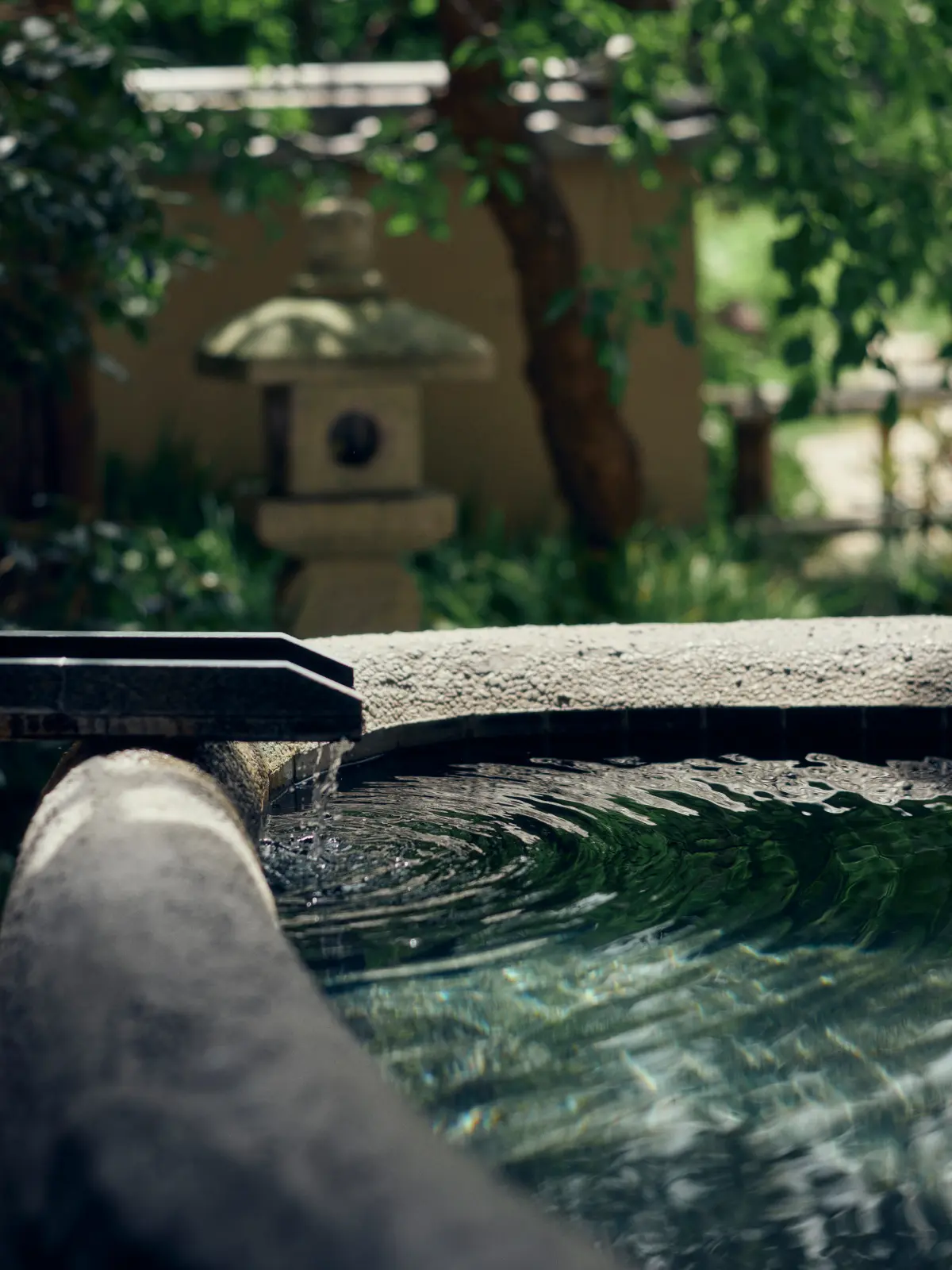
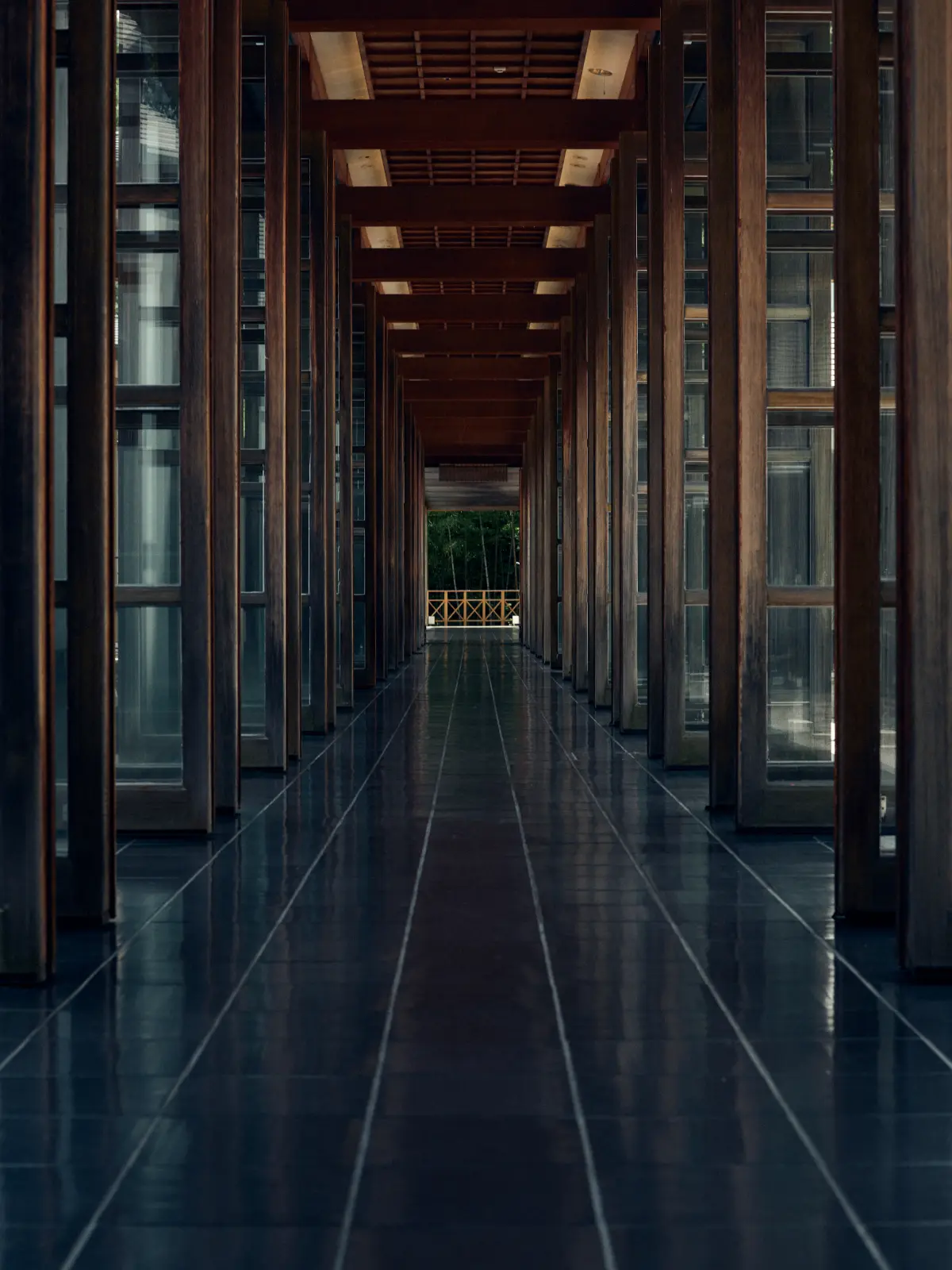
In pictures
Frequently Asked Questions
Is Gora Kadan a hotel or a ryokan?
It is a luxury ryokan, though it operates with the polish and service style many travellers associate with a high-end hotel.
Why do room reviews matter so much here?
Because room differences can affect the view, space, and overall mood, especially in a property where guests pay for atmosphere as much as function.
Is Gora Kadan worth it for Hakone visitors?
If you want a luxury ryokan experience in Hakone and are willing to pay for it, many travellers find the setting, service, and food compelling.


