

If you like your Japan travel with a nerdy edge, this is the sort of spot that makes you stop and start taking notes. Matsunoyama is already a serious onsen town, but Suiyume adds a local-first sake concept that feels bold, intimate, and very Niigata.
Matsunoyama Onsen and the logic of local luxury
Matsunoyama Onsen sits in Tokamachi, Niigata Prefecture, a mountain area known for deep snow, farming, and serious hot springs. The town is one of Japan's famous medicinal onsen areas, and its waters are often described as among the strongest in the country for warmth and mineral content. That already gives the place a very different mood from polished city spa hotels.
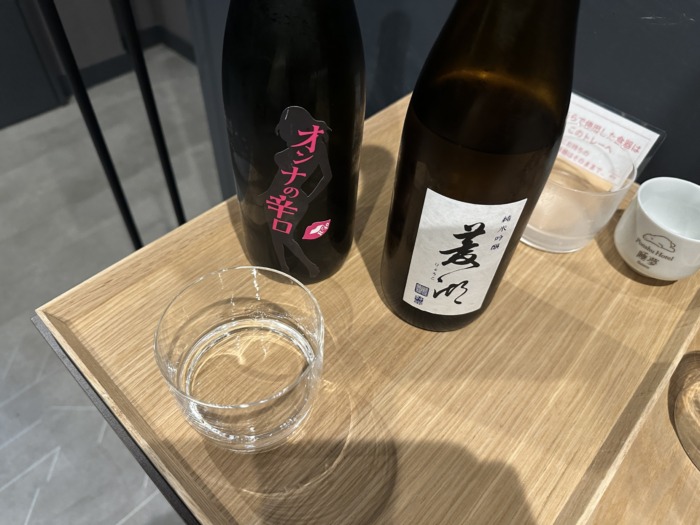
What most people don't know is that Matsunoyama isn't trying to be fashionable in a Tokyo sense. It’s rooted in place, in winters that bite, in quiet streets, and in the kind of bathing culture that values recovery over glamour. If you're studying Japanese, this is a nice context for the word ryokan, because here it really means a stay shaped by hospitality, meals, bath times, and local rhythm. My tip: read ryokan not as "Japanese hotel", but as "place-based experience". See what I mean?
Let me show you why this matters. When an onsen town has a strong identity, any new property has to decide whether to copy the generic luxury playbook or lean into the local character. Ponsyu Hotel Suiyume clearly chooses the second path. Striking, isn't it?
Ponsyu Hotel 睡夢 and its sake-forward ryokan idea
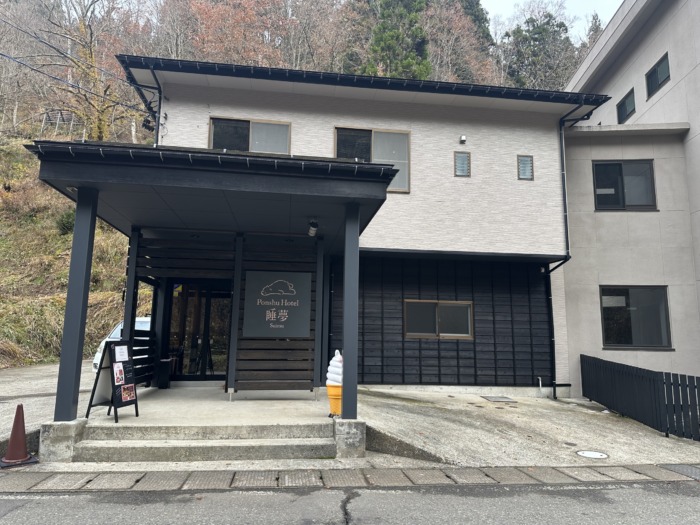
Ponsyu Hotel 睡夢 is built around one very specific concept: sake, or 日本酒 (nihonshu, Japanese sake). The name itself is a clue, because ponsyu is a playful way to say sake, the drink that has long been tied to celebration, seasonal food, and regional identity. "Suiyume" suggests sleep and dreams, which fits the whole stay because this isn't a loud party hotel. It’s about slowing down, bathing, tasting, and sleeping well.
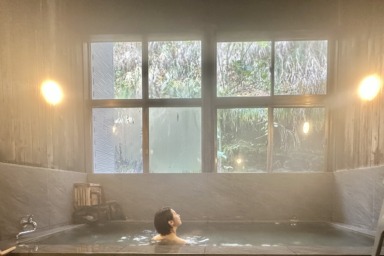
Seriously though: this isn't just a hotel that happens to pour sake at dinner. The sake idea shapes the guest experience from the start. You can expect sake-oriented food pairings, local storytelling, and an atmosphere that treats brewing culture as something to respect, not just consume. That brings us to a bigger point: Niigata is one of Japan's most important sake regions, and this is no accident. Cold winters, clean water, and a rice-growing culture have made the prefecture a heavyweight for generations.
Unlike what we're used to in standard resort hotels, where drinks are an afterthought, a sake-focused ryokan makes the beverage part of the architecture of the stay. That includes the timing of the meal, the choice of glasses, the temperature of the sake, and even how the staff explains pairings. No exaggeration: if you like sake, this is the kind of place that can turn a casual interest into a proper obsession. Simply brilliant.
Sake pairing, but make it local
One of the smartest parts of the concept is the local angle. A good sake stay shouldn't feel like a themed bar in disguise. It should connect the cup in your hand to nearby rice, water, breweries, and mountain climate. Niigata does this better than most places because the region's reputation already carries weight among Japanese drinkers.



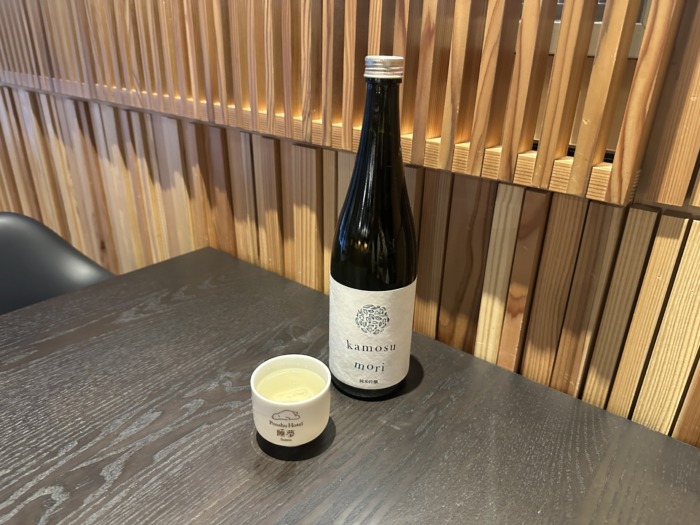
For learners, this is a great moment to notice the word 純米 (junmai, pure rice sake), which often appears on labels and menus. It means a sake made without added distilled alcohol, and it tends to be used when a brewery wants to emphasise rice character and depth. If you ever browse sake lists in Japan, you'll also see 吟醸 (ginjo, ginjo-grade sake) and 大吟醸 (daiginjo, daiginjo-grade sake), which point to more refined polishing styles. That vocabulary is useful far beyond one hotel stay. My verdict: the whole concept feels educational without becoming stiff.
Matsunoyama Onsen, bath culture, and the non-alcoholic luxury angle
Before I forget: the best twist here is that the luxury doesn't depend on getting drunk. In fact, the real attraction is the opposite. The hotel seems designed around a calm, clear-headed stay, where sake is about aroma, texture, and pairing, not overindulgence. That's a very Japanese kind of balance, and it fits an onsen town perfectly.
That reminds me: onsen culture and sake culture often meet in the same travel memory. People soak, change into a 浴衣 (yukata, light cotton robe), eat a proper 会席 (kaiseki, formal multi-course meal)-style dinner, and then sip something seasonal. But Suiyume pushes that connection further by making sake the theme rather than a side note. If you're a Japan fan, you'll appreciate how tightly the concept stays connected to place instead of chasing random luxury buzzwords. Highly recommended:
There is also something very appealing about the local pacing. Matsunoyama is not for people who need constant entertainment. It’s for people who want mineral-rich baths, winter scenery, good food, and time. Imagine a narrow alley in Tokyo. Now remove the noise, add snow, add steam, and replace convenience-store drinks with carefully chosen local sake. That contrast is part of the charm.
Why this matters for Japan fans and learners
If you're learning Japanese, hotels like this are gold because they bring vocabulary to life. Ryokan, onsen, nihonshu, yukata, kaiseki, and junmai are not just test words, they describe a real travel world with very specific expectations. Once you've seen that world in action, the terms stick much better.
And there is a cultural lesson too. Japan doesn't always express luxury through excess. Sometimes it means restraint, locality, and a clear point of view. Ponsyu Hotel Suiyume feels like a case study in that idea. Its luxury is scented with steam, rice, and cold mountain air, not chrome and noise. See what I mean?
In pictures
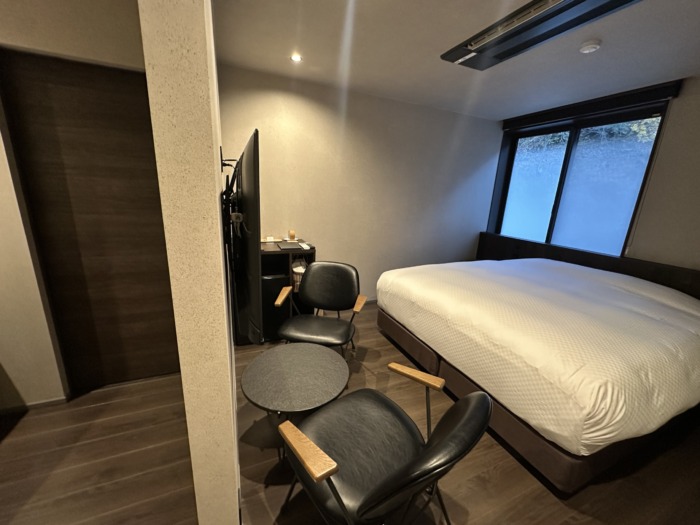
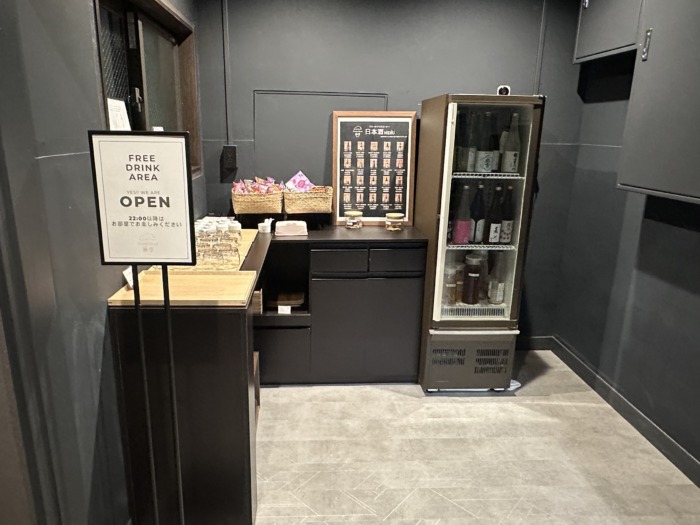
Frequently Asked Questions
Where is Ponsyu Hotel Suiyume located?
It is in Matsunoyama Onsen, in Tokamachi, Niigata Prefecture, a well-known hot spring area in a snowy mountain region.
What makes this ryokan different from a normal onsen stay?
Its concept is built around sake. The stay is designed to connect bathing, meals, and local brewing culture in one focused experience.
Is this a good place for Japanese learners?
Yes. It gives real-world context for words like ryokan, onsen, nihonshu, yukata, kaiseki, and junmai, which makes them easier to remember.


