
And it gets better: you can use the Nyuto Tegata pass for a simple, budget-friendly onsen crawl, then finish the day with a sunset over the Kumamoto coastline. Sounds good, right?
Let me show you why Shimoda Onsen keeps popping up in travel conversations about Amakusa. It’s not just about soaking, although that part’s excellent; it’s also about the setting, the sea air, and the slow rhythm of a coastal onsen town.
For Japanese learners, this is a nice place to pick up practical words too, like onsen, 湯処 (yudokoro, bath place; hot-spring facility), ryokan, and 湯張り (yubari, filling a bath with hot water). You’ll hear locals talk about where to bathe, where to eat, and when the light gets best, and that vocabulary sticks because it’s tied to a real experience.
Shimoda Onsen in Kumamoto: a coastal bath stop with character
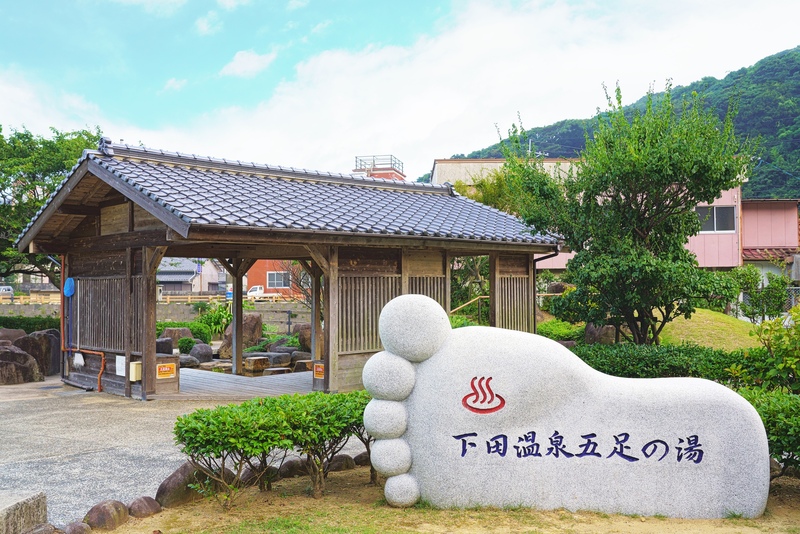
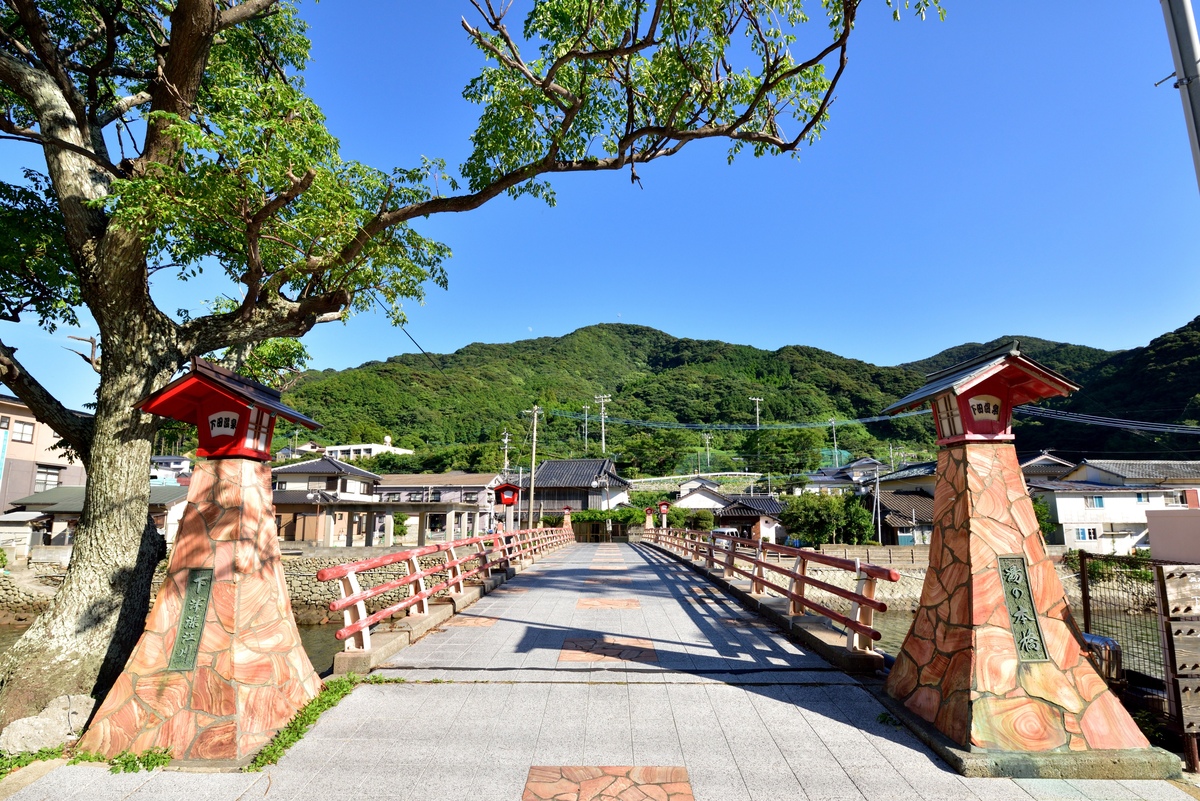
Shimoda Onsen sits in the Amakusa area of Kumamoto Prefecture, close to the coastline that looks out toward the East China Sea. The setting matters here, because this isn’t a mountain onsen hidden deep inland; it’s a seaside stop where the water, the sky, and the horizon are part of the mood.
I still remember exactly how coastal onsen places like this feel, even before you step into the bath. The wind has a saltier edge, the streets feel a little quieter, and the whole place seems built for a slower pace. Classic Japan, isn't it?
The appeal of Shimoda Onsen is also practical. It’s the kind of place where a short visit still feels complete, because you can combine bathing, a walk, and dinner without needing a huge itinerary. If you’re exploring Amakusa by car, that makes it especially easy to fit in.
What to expect in the bath
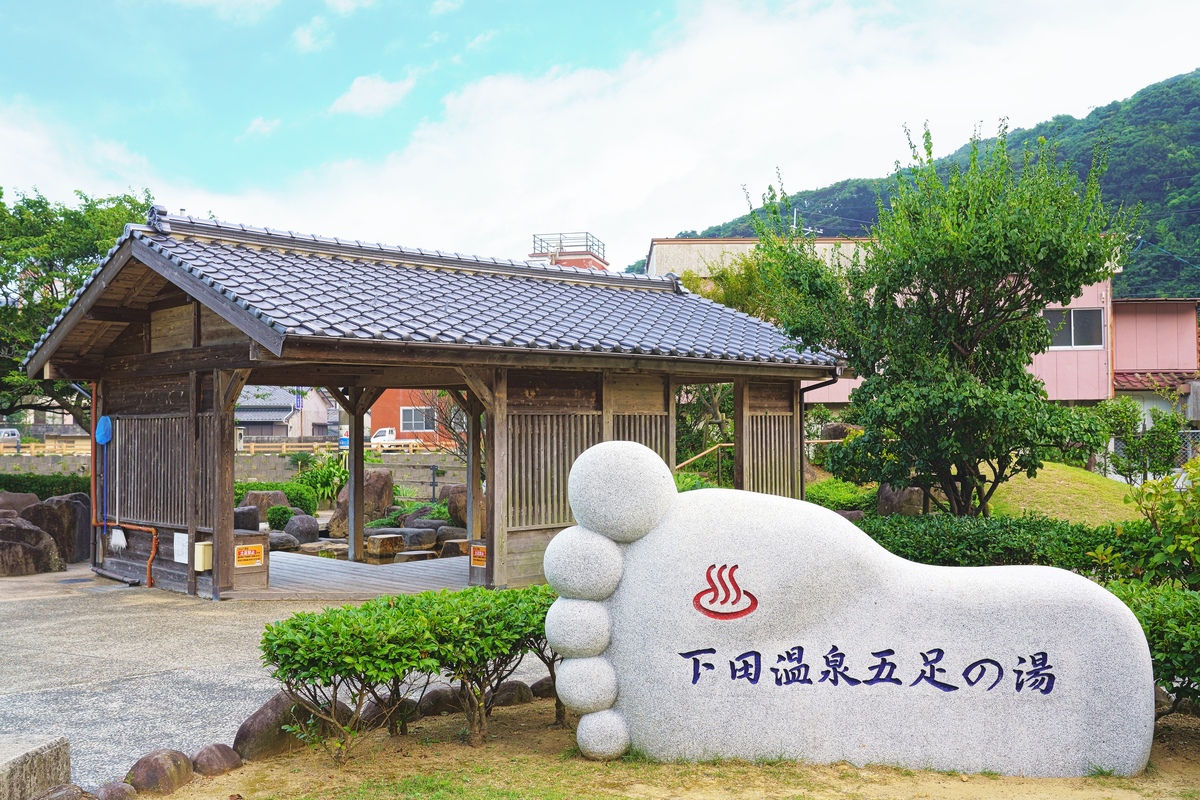
Most visitors come for the water and the pause it creates. The experience is usually straightforward, which is a compliment, not a criticism, because a good onsen doesn’t need tricks. Clean changing rooms, calm bathing spaces, and a proper rinse before entering are the basics.
Oh, almost forgot: if you’re new to onsen etiquette, the usual routine is simple. Wash first, keep your towel out of the bath, and speak quietly. If you know the word 肌 (hada), meaning skin, you’ll understand why the water-temperature conversation matters so much here. Sounds good, right?
Nyuto Tegata pass for ¥1,500: the smartest way to onsen-hop
Speaking of which... the Nyuto Tegata pass is one of the best reasons to plan a small onsen crawl in this area. For ¥1,500, it gives you a way to enjoy multiple baths without paying full entry every single time, which is ideal if you want to compare waters and settings across Amakusa.
Basically: if you like trying more than one bath in a day, the pass changes the trip from one stop into a proper onsen route. It’s also a nice fit for visitors who enjoy collecting local experiences rather than rushing through just one highlight. Highly recommended: bring cash, check opening times, and keep your schedule flexible.



Here's the catch: passes and participating facilities can change, so you should always confirm the current list and rules before you go. That said, the idea itself is very Japanese in spirit, because it rewards deliberate, unhurried travel. What I especially like is how it nudges you to compare different waters, different baths, and different moods. My tip: use it early in the day, then save the best sunset stop for later.
How to use it well
Think of the Nyuto Tegata as a passport for hot-spring fans. You don’t want to spend time deciding on the spot, so pick your preferred baths in advance, then map them by driving time and closing hour. In romaji terms, this is your chance to practice words like 観光 (kankou), for sightseeing, and 湯宿 (yuyado, hot-spring inn), for bath-focused lodging.
While we're at it: if you’re travelling with a Japan fan friend, this is a nice low-stress plan because it gives the day structure without making it feel over-planned. You still get spontaneity, but with fewer regrets later. My verdict: it’s one of the most practical passes for relaxed onsen travellers.
Sunsets on the Kumamoto Amakusa coast
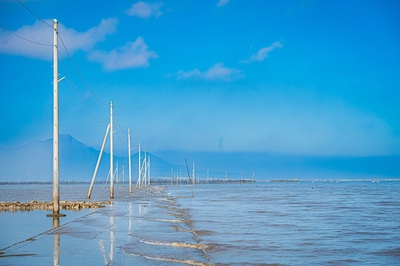
Guess what? One of the strongest reasons to linger in Shimoda Onsen is the sunset. The Amakusa coast can deliver very dramatic evening light, and the combination of water, clouds, and distant islands gives you that wide-open horizon people come to Japan for.
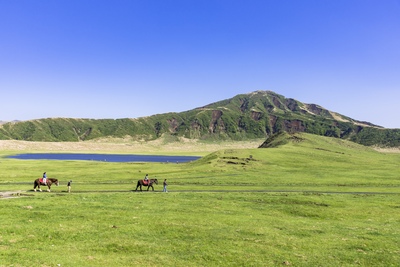
A sunset walk after bathing makes the whole trip feel complete. The contrast is the point, really: warm mineral water first, cool sea air second. If you like photographing evening skies, this is the moment to look for silhouettes, fishing boats, and the changing colour of the sea.
And it gets better: sunset in Japan often comes with a quiet social rhythm. People stop, look up, and don’t rush the moment. You can feel that in coastal towns more strongly than in cities, and that’s part of the appeal here. Sounds weird, but it's true.
Small rituals that make the visit better
Know that feeling when a place feels better because you do the little things right? That’s Shimoda Onsen. Eat something local, bathe with respect, then take your time outside. Even a simple detour becomes memorable when the pace is right.
For language learners, this is also a chance to notice how often Japanese travel life revolves around routine. Words like 時間 (jikan), time, and 静か (shizuka, quiet; calm), quiet, aren’t just vocabulary items, they describe the whole atmosphere. Imagine a narrow alley in Tokyo. Now swap it for an open coastline, and you get the opposite kind of calm.
In pictures
Frequently Asked Questions
Where is Shimoda Onsen located?
Shimoda Onsen is in the Amakusa area of Kumamoto Prefecture, on the coast.
How much is the Nyuto Tegata pass?
The pass costs ¥1,500 and is meant for visiting multiple onsen in the area.
Is Shimoda Onsen good for a short trip?
Yes. It works well for a half-day or day trip, especially if you combine bathing with a sunset stop on the coast.


