Honestly, this is the kind of list that tells you what shaped modern Japanese gaming culture, from childhood Famicom memories to the franchises that still dominate cafes, convenience-store chatter, and late-night controller sessions. Classic Japan, isn’t it?
![Dragon Ball Z: Kakarot [Master Edition]](https://s.pacn.ws/1/p/1eh/dragon-ball-z-kakarot-master-edition-908785.1.jpg?v=t8ja8t&width=400)


Japanese Gamers Vote on the Most Influential Games
What most people don’t know is that this survey wasn’t just about favourite titles. It asked Japanese gamers to think about influence, the kind that lasts for years. The results, reported by Nintendo Everything, put the spotlight on games and series that helped shape the whole medium in Japan.
That matters because “influential” in Japan often means more than sales. It can mean a game that changed how people talk about storytelling, how families play together, or how a company built trust over decades. No exaggeration, Japanese players tend to remember the first time a title felt like a cultural event, not just a product. See what I mean?
The big idea behind the ranking
The survey reflects a very Japanese kind of fandom, where long-running brands carry serious weight. A lot of people grew up with the same names, Nintendo, Dragon Quest, Final Fantasy, Resident Evil, and that shared memory turns into loyalty. The reason is simple: these series were there when gaming shifted from hobby to household habit.
Compared with back home, Japanese rankings often reward legacy more than hype. A new hit can be huge, sure, but a series that survives across hardware generations gets the real respect. That’s why this kind of poll is gold for Japan fans and language learners, because it shows how people talk about games as part of everyday life, using words like 伝説 (densetsu) for “legendary” and meibutsu-like reverence for old favourites. But that’s not all.
Nintendo, Square Enix, and Capcom: the companies Japanese gamers trust
Let me show you why the company ranking is so telling. Nintendo remains the most emotionally loaded name in Japanese gaming, and it’s easy to see why. From Famicom in 1983 to Switch, Nintendo has been the company that reached both children and adults, and still does. In Japan, Mario isn’t just iconic, he’s part of the national pop-culture wallpaper.
Square Enix also lands in a special place, thanks to Dragon Quest and Final Fantasy. Dragon Quest, first released in 1986, became such a cultural force in Japan that its launches were once treated like social events, with people lining up after school or after work. Trust me on this one: if you want to understand Japanese game nostalgia, you have to understand Dragon Quest. Sounds weird, but it’s true.
Capcom rounds out the big three in a very different way. The company, based in Osaka, built its reputation on action, arcade energy, and long-lived franchises like Street Fighter, Monster Hunter, and Resident Evil. Monster Hunter, which exploded on handheld systems in Japan, became a meet-up game in a very literal sense, with friends gathering in family restaurants and train stations to hunt together. Wild, isn’t it?
While we're at it, these companies are also language goldmines. Nintendo tends to bring cute, everyday vocabulary into the mainstream, Square Enix leans into fantasy terms like 魔法 (maho, magic) and 勇者 (yuusha, hero), and Capcom’s games often use a sharper action-game register. My tip: if you’re learning Japanese through games, pay attention to menus, item names, and battle phrases. You’ll pick up more than you think. Convinced yet?
The most influential game and series choices tell a bigger story
Here’s the thing: the most influential game ranking usually circles around titles that changed design expectations, not just taste. In Japan, series like Dragon Quest and Final Fantasy are often treated as milestones because they defined what a role-playing game could feel like for an entire generation. No wonder, because these games were released at a time when consoles were becoming part of family life, especially in the 1980s and 1990s.
Japanese fans also tend to respect consistency. A series that keeps its identity across decades can rise above newer names with flashier marketing. That’s why it makes sense that long-running franchises from Nintendo, Square Enix, and Capcom keep showing up in conversations about influence. They didn’t just sell well, they taught players what a game could be, from exploration to boss fights to memorable characters.
For learners, this is where Japanese media vocabulary gets fun. Words like 心配 (shinpai, worry), 何故 (naze, why), and 凄い (sugoi, amazing) appear all over fan talk, especially when people debate rankings. If you read Japanese comments under game polls, you’ll see a mix of nostalgia, technical talk, and pure emotion. That blend is very Japan, very fandom, and very easy to fall into once you start following these debates. See what I mean?
Characters matter just as much as the games
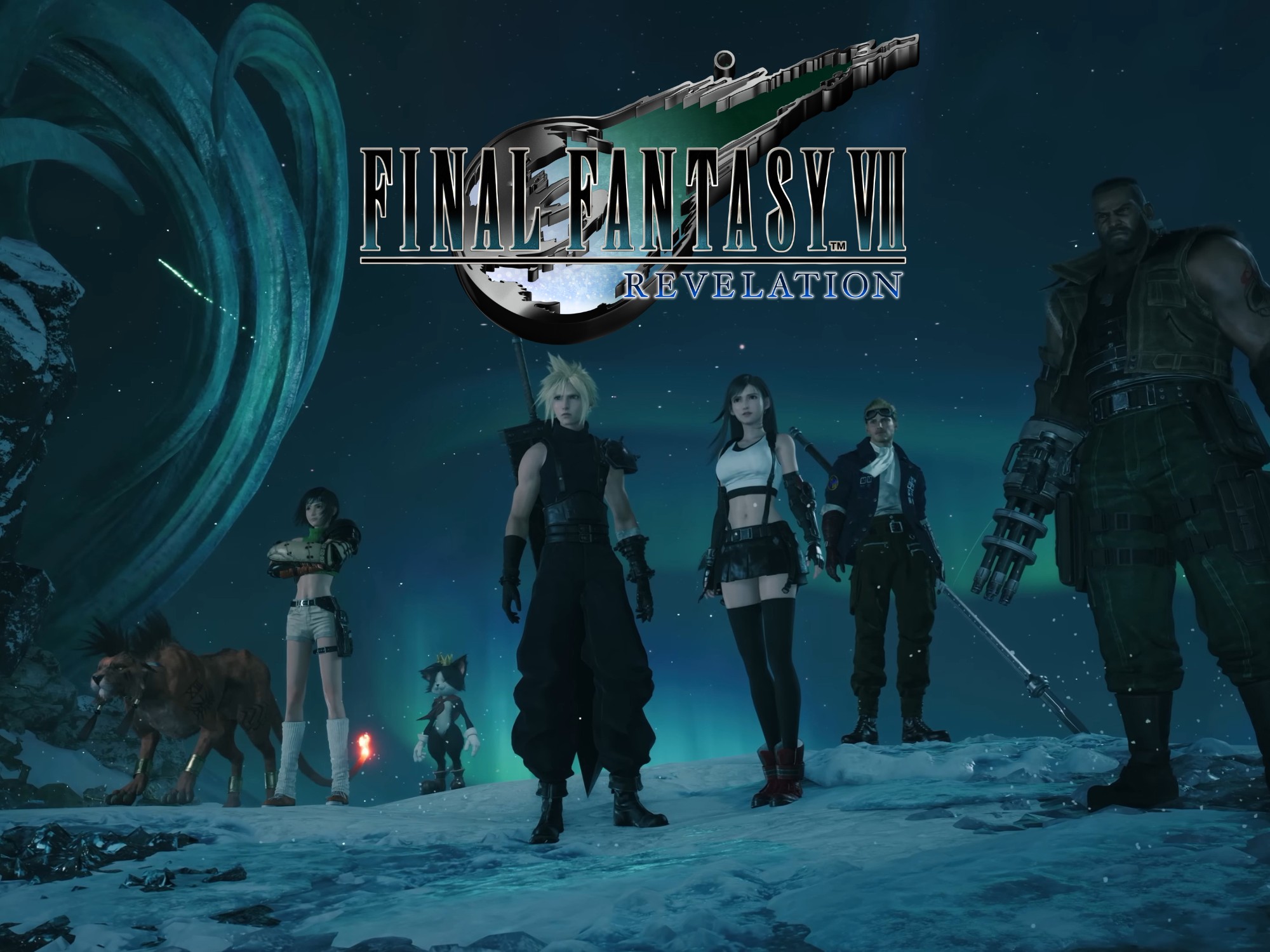
The original survey also covered favourite characters and favourite developers, and that fits the Japanese market perfectly. Character appeal is huge in Japan, because people often attach memories to one hero, one mascot, or one party member. Think of Mario, Cloud Strife, or Monster Hunter’s Palico. These aren’t just game pieces, they’re social shorthand.
What I especially like is how this turns gaming history into a living conversation. Japanese gamers aren’t just ranking products, they’re ranking moments, friendships, and eras. That’s exactly why these polls stay interesting year after year.
Frequently Asked Questions
Why do Japanese gamers care so much about influence?
Because legacy matters in Japan, and long-running series often shape how people remember entire gaming eras.
Why are Nintendo, Square Enix, and Capcom so important?
They built some of Japan’s most famous franchises and stayed relevant across multiple console generations.
Is this useful for Japanese learners?
Yes, because game polls expose natural vocabulary, fan language, and the way Japanese people talk about nostalgia.