For Japan fans and Japanese learners, this is a fun moment to watch, because so many of the biggest names behind the upcoming lineup are Japanese powerhouses. Wild, isn’t it?
![Dragon Ball Z: Kakarot [Master Edition]](https://s.pacn.ws/1/p/1eh/dragon-ball-z-kakarot-master-edition-908785.1.jpg?v=t8ja8t&width=400)
![Startup Company [Console Edition] (Limited Edition)](https://s.pacn.ws/1/p/157/startup-company-console-edition-limited-edition-741799.16.jpg?v=ry4mm8&width=400)
![Startup Company [Console Edition]](https://s.pacn.ws/1/p/157/startup-company-console-edition-741779.10.jpg?v=ry4ngq&width=400)
Nintendo Switch 2 third-party support starts to look serious
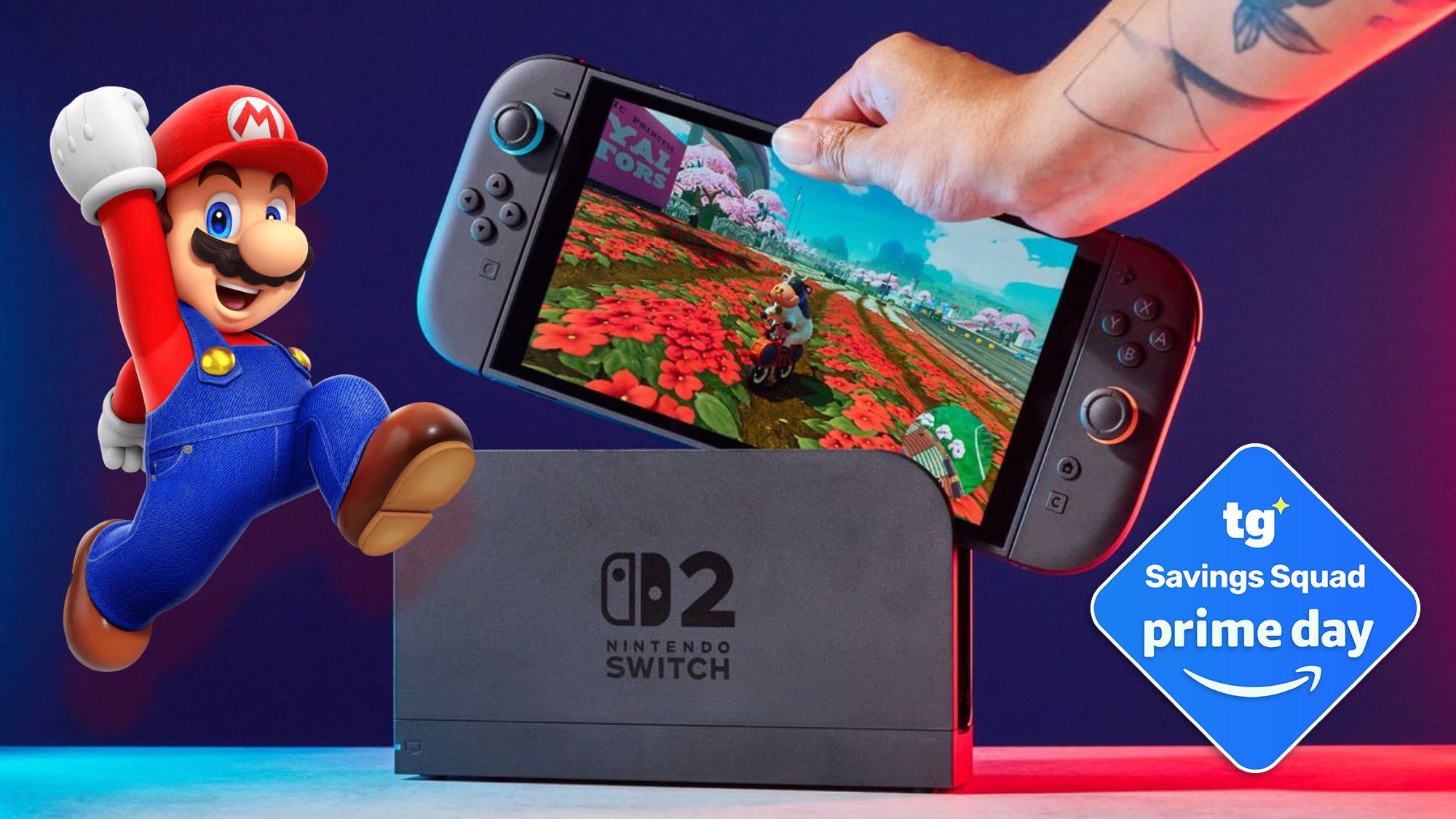
Guess what? The latest buzz around Nintendo Switch 2 isn’t just about Nintendo’s own games, but about how hard the company is leaning on outside publishers for 2026. According to coverage from Nintendo Life, Nintendo has started highlighting multiple major third-party releases for the new system, and that changes the mood around the machine quite a bit.

No wonder, because a console launch only feels truly alive when other publishers show up with real firepower. If the first-party lineup is the main course, third-party releases are the side dishes that make people stay at the table. My tip: if you’re trying to predict whether Switch 2 will have long legs, follow the outside publishers closely, not just Mario and Zelda.
2026 Nintendo highlights point to a broader strategy
What many overlook is that companies like Nintendo don’t showcase third-party software by accident. If they’re putting names and dates in the spotlight, they want to send a message to players, retailers, and investors that Switch 2 isn’t a closed garden with only Nintendo-made games growing in it. It wants to be a place where big external franchises can still sell.
That matters even more in 2026, because by then the install base needs momentum, not just brand loyalty. A new hardware cycle can stumble if it looks too dependent on one publisher. Nintendo knows this, and the current messaging suggests the company wants to show a healthier mix from the start. Sounds good, right?
Why this matters for the Switch 2 audience
Take launch-window planning, for instance. If a player buys a new console for a single exclusive, they may wait. If they see a fresh Nintendo game plus a wave of known third-party titles, the decision becomes much easier. That’s especially true for Japan, where players often care about portability, strong local brands, and role-playing games that can stretch over dozens of hours.
Speaking of which... for Japanese learners, this is also a great chance to pay attention to publisher names and game vocabulary in romaji. Terms like rpg, remake, action, and demo show up constantly in Japanese game news, and if you follow the Switch 2 rollout, you’ll see how often those words appear in natural context. Classic Japan, isn’t it?
Capcom and Square Enix are the real headliners
Here’s the kicker: the two companies getting the clearest spotlight are Capcom and Square Enix, and that should make every Japan game fan sit up. These aren’t random names tossed in for balance. They are two of the most important Japanese publishers in the industry, and both have a track record of moving hardware through recognisable franchises.
Capcom brings the kind of software that can sell systems on reputation alone. Monster Hunter is the obvious giant, but the company also has Resident Evil, Street Fighter, and a deep library of ports and remasters that make perfect sense on a new handheld-style hybrid machine. Square Enix, meanwhile, has RPG strength that Nintendo fans have trusted for years, from Final Fantasy to Dragon Quest and a long list of HD remakes and spin-offs. What I especially like is that both publishers speak directly to very different kinds of players, which gives Switch 2 wider reach.
Capcom’s likely role in pushing hardware
Capcom is especially important because it knows how to sell to dedicated fans and casual buyers at the same time. Monster Hunter has already proven how powerful that can be in Japan, where a single big release can shape social chatter for weeks. If Capcom brings another major entry, or even a strong wave of legacy support, Switch 2 could get a real boost in both visibility and software sales.
And let’s be honest, Capcom ports usually land well when the hardware is friendly to pick-up-and-play sessions. That suits Nintendo’s audience almost perfectly. My verdict: if Capcom is happy, Switch 2 probably has a healthier software future than sceptics want to admit.
Square Enix and the RPG factor
Square Enix is the kind of publisher that can make a platform feel complete. RPG players care about long-tail support, not just launch hype, and Switch owners have repeatedly shown they love portable JRPGs they can chip away at for months. Final Fantasy, Dragon Quest, and the studio’s wider remake catalogue can all benefit from that kind of play style.
Quick detour: this is also where Japanese language learners get a nice bonus. Game menus, trailer text, and publisher interviews often reuse the same vocabulary, so following Square Enix news can quietly build your reading confidence. Even if you only catch romaji terms at first, you start recognising patterns fast. But that’s not all.
What Nintendo’s 2026 third-party push means for Switch 2
I still remember exactly how much momentum a strong third-party lineup can create for a Nintendo system. When outside publishers commit early and consistently, a console stops feeling like a one-company showcase and starts looking like the place to be. That’s the big shift here, and it’s why the 2026 talk matters so much.
For Switch 2, the message is clear: Nintendo wants the platform to be a destination for Japanese heavyweights and, likely, selected Western publishers too. If Capcom and Square Enix are the opening headline acts, the company is clearly betting on a broader ecosystem rather than a narrow first-party-only pitch. Oh, almost forgot: that also helps reassure fans who want more than one style of game, from action to RPG to remaster collections.
My verdict: this is exactly the kind of strategy that can give Switch 2 staying power. Not because third-party titles replace Nintendo’s own games, but because they make the hardware feel alive between the big tentpoles. For Japan fans, that mix of iconic local publishers and portable-friendly gaming is a pretty convincing combo.
For more updates like this, check out more Japan news on jpnerd.com.
Frequently Asked Questions
Why are third-party games so important for Switch 2?
They help the system feel active all year, not just when Nintendo releases a major exclusive.
Why are Capcom and Square Enix getting attention?
Both are major Japanese publishers with popular franchises that can attract a wide range of players.
Does this matter for Japan fans?
Yes, because many of the biggest titles come from Japanese studios and fit the taste of local players very well.