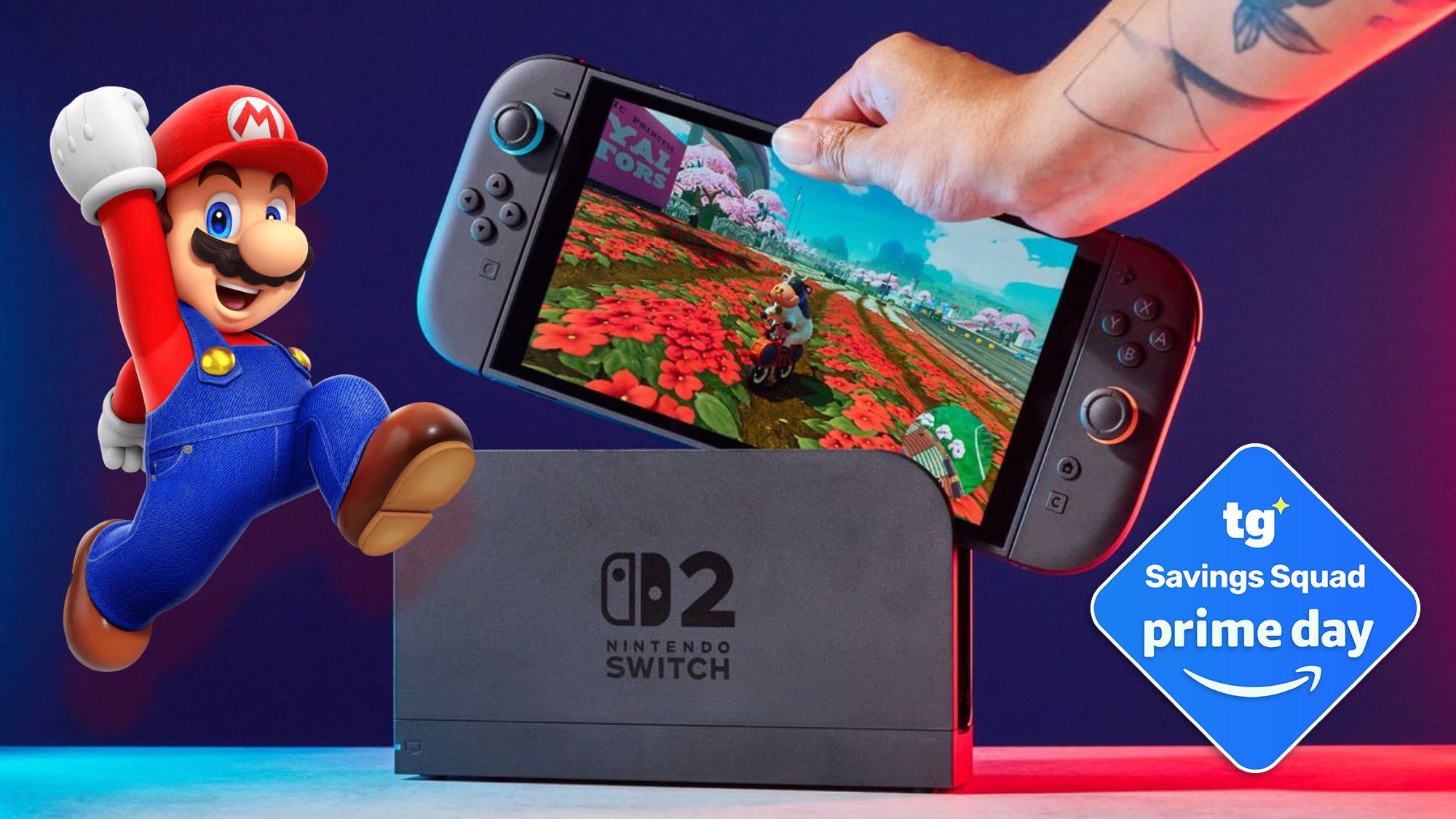
If you like comparing frame rate goals, resolution targets, and what they mean for handheld play, this is the kind of news that’s worth a closer look. My tip is to keep an eye on the details, because they tell you a lot about how Capcom sees Switch 2.
![Startup Company [Console Edition] (Limited Edition)](https://s.pacn.ws/1/p/157/startup-company-console-edition-limited-edition-741799.16.jpg?v=ry4mm8&width=400)
![Startup Company [Console Edition]](https://s.pacn.ws/1/p/157/startup-company-console-edition-741779.10.jpg?v=ry4ngq&width=400)
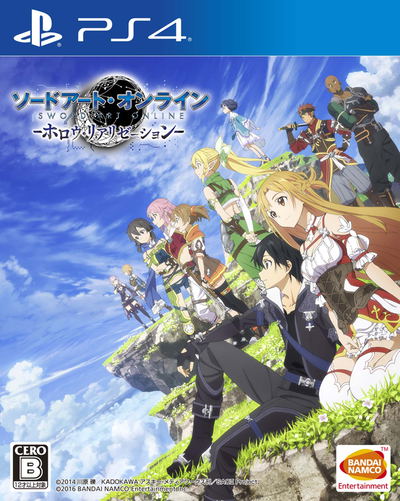
Onimusha: Way of the Sword and Nintendo Switch 2 performance targets
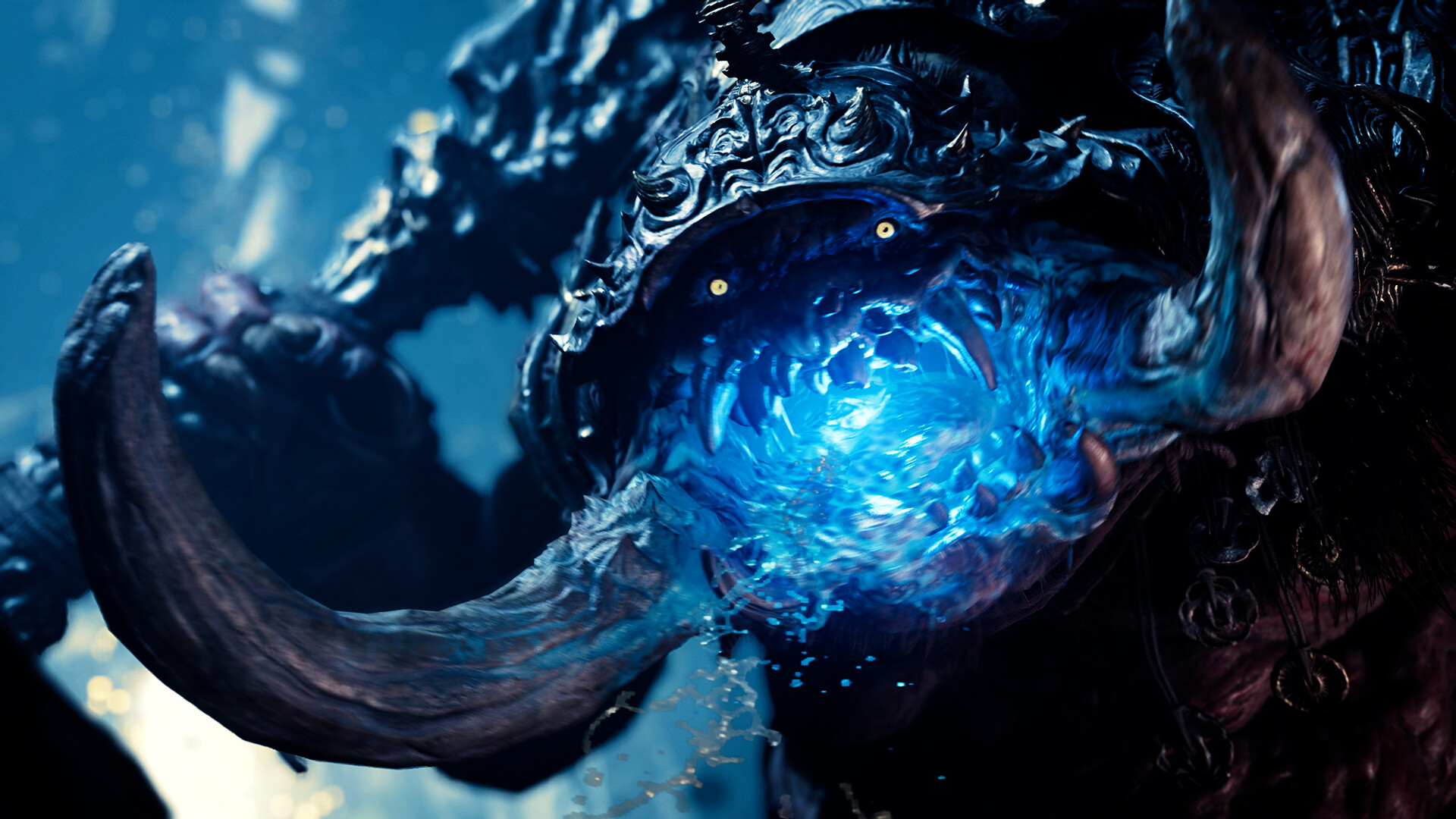
Onimusha: Way of the Sword is one of those Japanese game announcements that instantly gets tech people talking. The reason’s simple: Nintendo Switch 2 is part of the conversation, and Capcom has now put some concrete numbers on the table. For a series that many fans remember from the PlayStation 2 era, that kind of hardware talk feels very current.
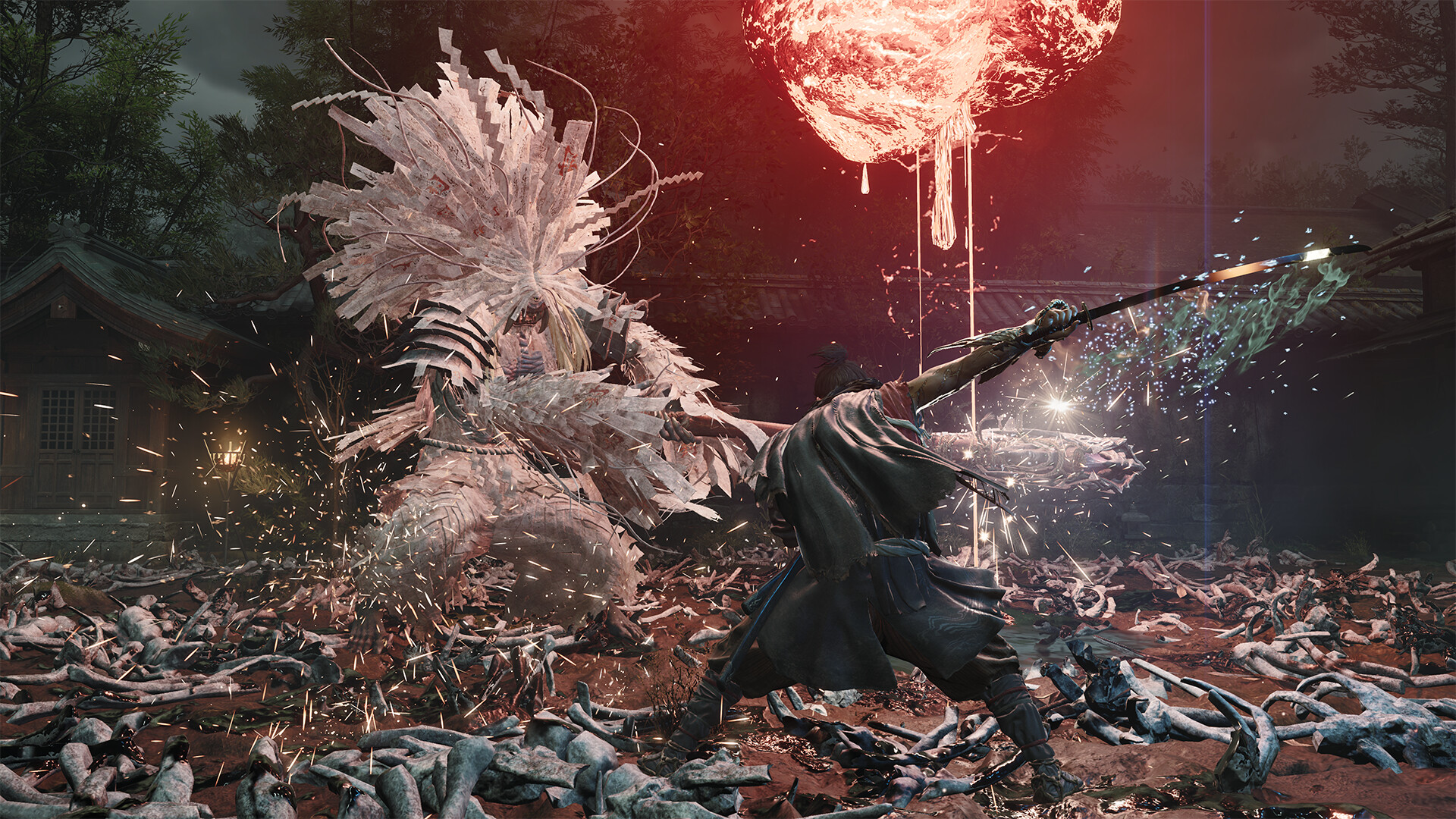
The reported target for the Switch 2 version points to a performance-focused release, with a 1080p resolution target and 30 frames per second. That may not sound flashy if you only care about raw specs, but for a visually rich action game, those numbers tell a useful story. Capcom clearly wants the game to run in a stable way on Nintendo’s next machine, not just look good in trailers. Convinced yet?
What I especially like is that this kind of information gives players something concrete to discuss instead of vague marketing language. No one has to guess whether the Switch 2 edition will be a cloud version, a compromised port, or a serious native release. The answer appears to be a straightforward native version with realistic targets for portable and docked play. Sounds good, right?
Why 1080p and 30 fps matter for a Japanese action game
Picture this: you’re playing an intense 侍 (samurai, samurai warrior) battle on a handheld screen, and the camera swings fast while enemies surround you. In that situation, a locked frame rate matters more than people sometimes admit. A clean 30 fps can feel far better than a shaky attempt at 60, especially when the game leans on dramatic timing, sword clashes, and cinematic staging.
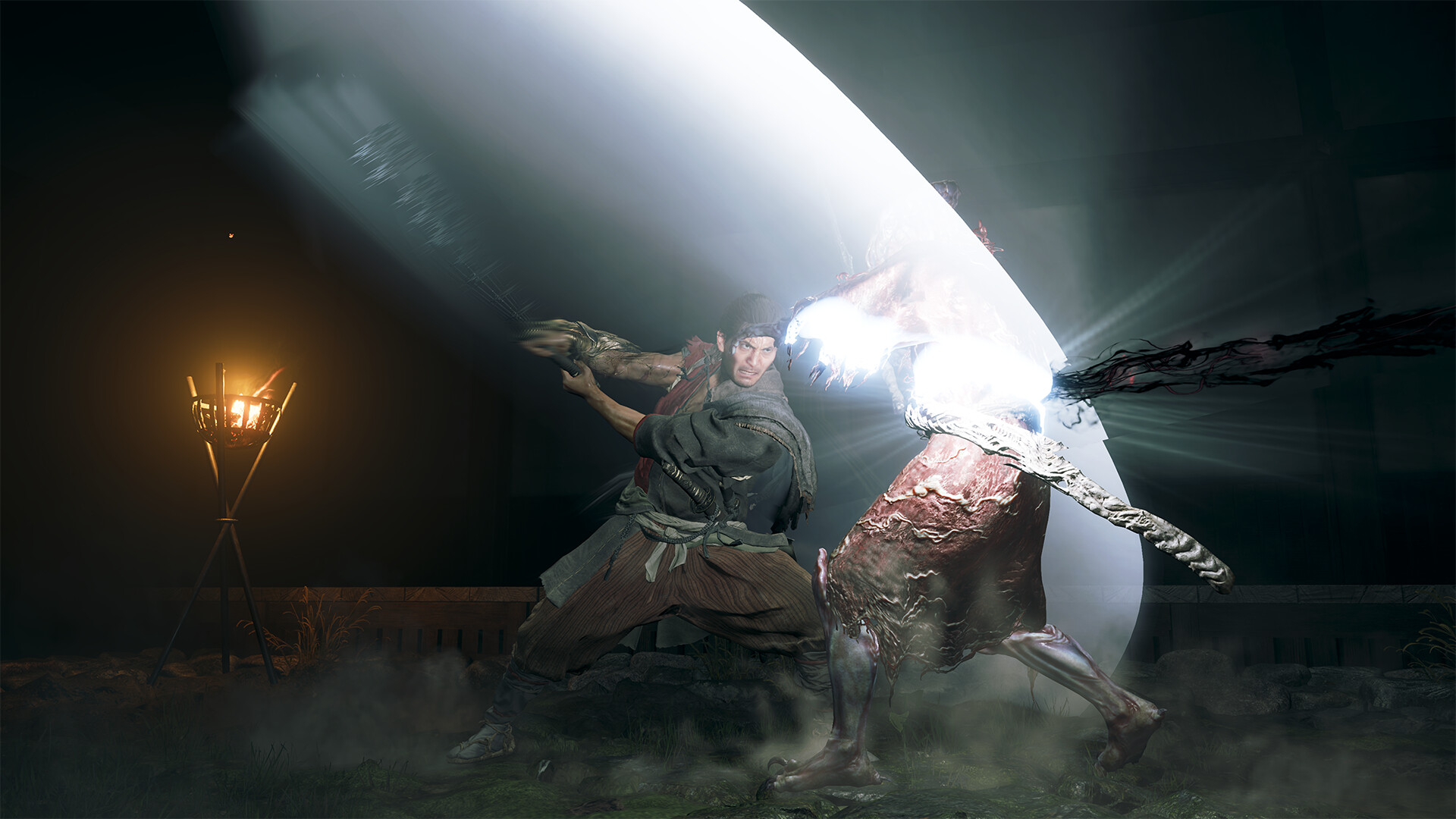
For example, the original Onimusha games were never about hyper-speed combat in the same way as some modern character action titles. They were built around tension, atmosphere, and careful timing. That makes 30 fps a more reasonable goal than it might be for something like a fighting game or a twitch-heavy shooter. To be fair, many fans will still hope for a 60 fps mode if the Switch 2 has enough headroom, but the current target already suggests Capcom is aiming for consistency first.
That reminds me: Japanese game design often values rhythm as much as speed. In language-learning terms, you could compare it to the word 間 (ma, space; interval; timing), which means space or timing in an artistic sense. In game combat, that sense of timing can matter just as much as raw reaction speed. When a studio chooses a stable technical target, it often reflects the kind of experience it wants to deliver. Wild, isn’t it?
What Onimusha means for Japan fans and learners
Ever wondered why older Japanese franchises still generate so much excitement? Part of it is nostalgia, sure, but part of it is cultural memory. Onimusha was one of Capcom’s big prestige series in the early 2000s, standing alongside other major Japanese action games that helped define that era. Seeing it return on Nintendo Switch 2 links that history to the present in a very neat way.
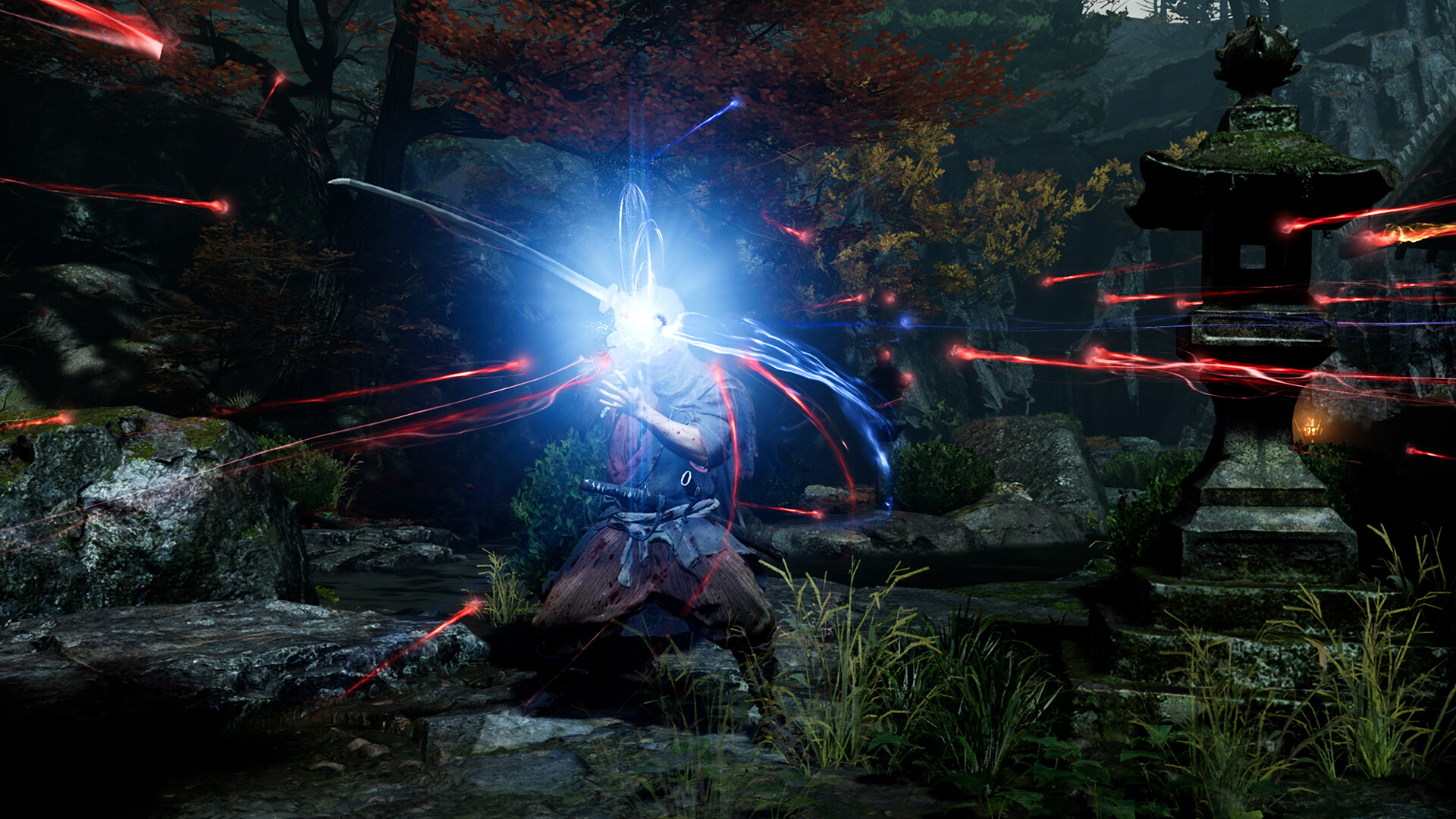
By the way, if you’re studying Japanese, game news like this is a great excuse to build vocabulary naturally. Words such as 武器 (buki) for weapon, 剣 (ken) for sword, and 人 (jin) for person appear all over samurai-themed media, and even if you only catch them in romaji, they start to stick. I still remember how many learners first picked up Japanese terms through game menus, character names, and item descriptions. It’s a very real learning path.
Imagine a narrow alley in Tokyo. You see a game shop window filled with action titles, collector editions, and retro boxes from Capcom and other publishers. That scene captures why this announcement matters beyond pure specs. It connects new hardware, old franchises, and the ongoing global interest in Japanese pop culture. For fans of Japan, that combination is hard to ignore.
Switch 2, Capcom, and the wider release picture
No joke: Capcom has been one of the most closely watched publishers whenever new Nintendo hardware appears. The company has a strong history on portable systems, and it knows how to adjust big projects for different performance profiles. On Switch 2, that could mean better-looking action games than many people expected only a year ago.
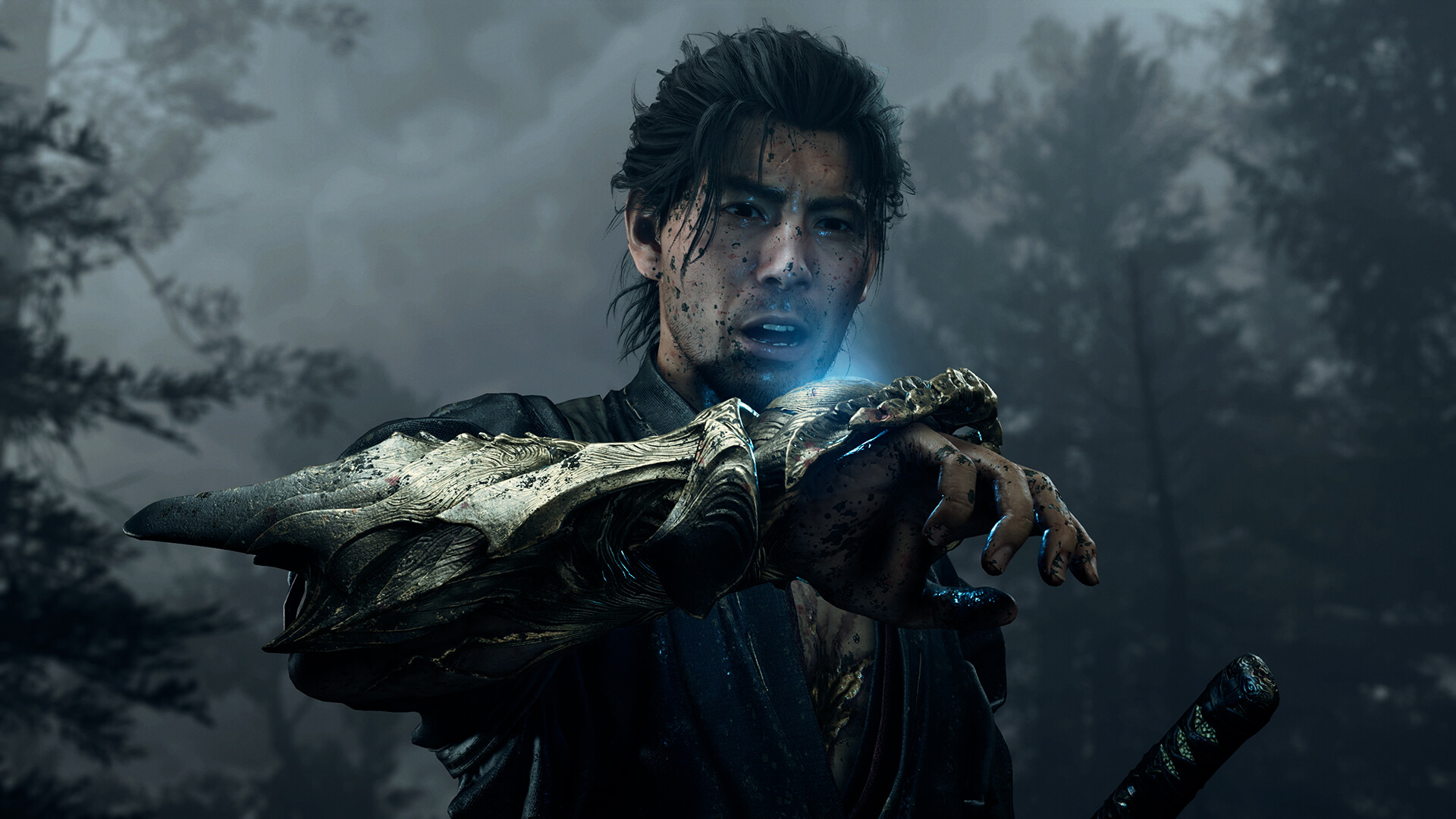
There’s also a practical side here. A 1080p, 30 fps target suggests the game is being built with real device constraints in mind, not just marketing ambition. If the final release holds close to those targets, players should get a smoother experience than many feared from a large-scale action title on Nintendo hardware. Pro tip: when a studio talks about exact performance targets early, that usually means the team has a fairly clear technical plan. My verdict:
For Japan fans, this is the kind of news that hits both the gaming and language-learning sweet spots. You get a major Japanese franchise, a new piece of Nintendo hardware, and hard numbers to discuss. If you enjoy following Japanese entertainment with a technical eye, this one is worth bookmarking. Highly recommended: keep watching how Capcom presents the final Switch 2 version as more details emerge.
For more Japan-related updates, check out more Japan news on jpnerd.com.
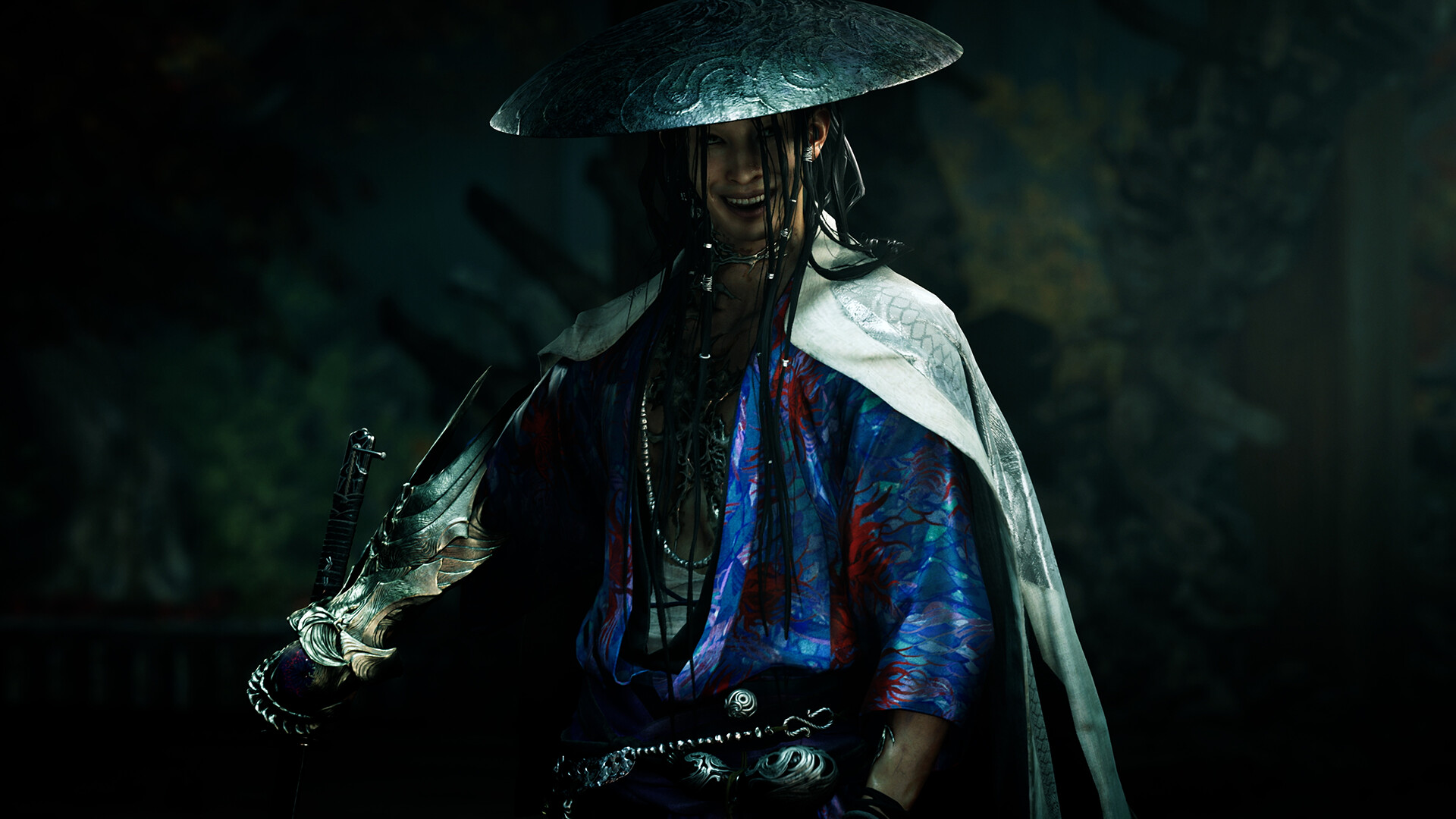
In pictures
Frequently Asked Questions
Will Onimusha: Way of the Sword run at 60 fps on Switch 2?
The current target that has been reported is 30 fps, so 60 fps is not the confirmed goal.
What resolution is the Switch 2 version aiming for?
The reported target is 1080p.
Why do these specs matter so much?
They show how Capcom plans to balance image quality, stability, and handheld-friendly performance.